
TL;DR

Turn the school run and nap time into listening time
- Thousands of audiobooks, podcasts and originals
- Listen on your phone, tablet or Echo — also offline
- Cancel anytime
Nursery cord management isn’t just about neatness. Keeping cables like monitor and lamp cords out of reach prevents strangulation, electrical fires, and trips. Proper planning and secure routing are essential for safety.
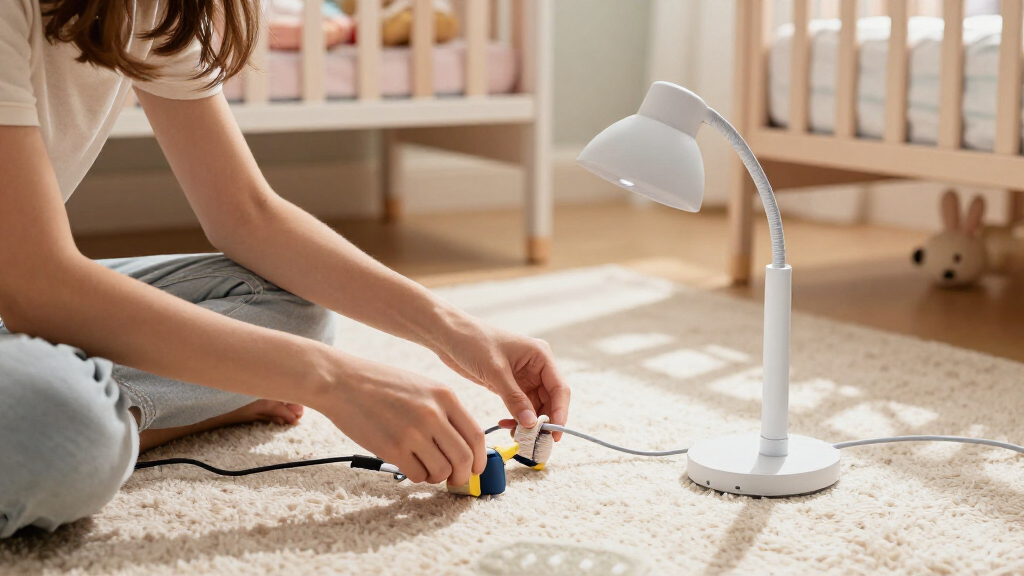
Imagine your baby, just starting to roll or crawl. Suddenly, that loose lamp cord or monitor wire transforms from a minor annoyance into a real hazard. It’s startling how quickly safety risks can emerge once your little one becomes mobile. Nursery cord management isn’t just about tidiness; it’s about preventing serious accidents. This guide will walk you through simple, effective ways to tame those cables and keep your nursery safe and organized.
From choosing the right products to securing cords properly, you’ll learn practical steps that fit into your busy life. Because when it comes to your child’s safety, every little bit of prevention counts—especially at 3 a.m. when you’re sleep-deprived but still vigilant.
Keep all monitor and lamp cords at least 3 feet away from the crib, with slack secured to prevent loops.
Use enclosed raceways and hardware mounts to fully enclose and secure cords along walls and furniture.
Regularly inspect cords for damage and update safety measures whenever your child reaches a new mobility milestone.
Smart devices reduce clutter but don’t eliminate the need for proper cord routing and secure mounting.
Always choose safety-rated, manufacturer-approved products and follow installation instructions carefully.
Tame the cords.
Protect the room.
Monitor and lamp cables are more than visual clutter. Once a baby begins rolling, crawling, pulling up, or climbing, a loose wire can become a strangulation, electrical, fire, or trip hazard. Safe nursery cord management starts with distance, enclosed routing, secure mounting, and routine inspection.
Keep monitor cords at least three feet—about one meter—from every part of the crib.
Accessible loops, dangling leads, or loose cable slack should remain inside the child’s reach zone.
Inspect the complete setup every month and whenever your child reaches a new mobility milestone.
A safe cable is an inaccessible cable.
A setup that looks harmless today may become reachable tomorrow. Check from the child’s level and account for grasping through crib slats, reaching behind furniture, pulling up, and climbing.
Dangling or coiled slack
Any hanging loop can tighten if pulled or caught. Store excess cable beside the outlet or device, well beyond reach—not beside the crib.
Unanchored lamps
A reachable cord can pull a lamp, monitor, or lightweight table onto a child. Choose stable bases and anchor nearby furniture.
Pinched or hidden wiring
Cords under rugs, through doorways, or beneath furniture legs can fray or overheat while the damage remains out of sight.
Route. Mount. Remove slack.
Treat the cable as one continuous safety path—from the device to the plug. Securing only the most visible portion leaves vulnerable gaps.
Route along the wall
Place the full cable inside a securely mounted, enclosed raceway. Avoid exposed runs and adhesive-only clips that may detach.
Mount the device
Use manufacturer-approved hardware on a wall or stable high shelf. Test the camera view before drilling and keep the unit away from the sleeping child.
Control every spare inch
Fasten excess cable near the outlet or equipment. Use a ventilated locking storage box where appropriate and leave no accessible loop.
Never attach a monitor or cord to crib rails, slats, mobiles, or mattresses. Do not suspend a camera directly over the sleeping child, and never use an extension cord as permanent nursery wiring.
Choose hardware that stays put.
The right product fully contains or firmly anchors the hazard. Small decorative clips, loose ties, and detachable caps can break free, creating choking hazards or shifting risk elsewhere.
| Product type | Best use | Safety value | Installation check |
|---|---|---|---|
| Enclosed wall raceway | Long monitor and lamp cable runs | ✓Fully separates the cable from the reach zone | Secure every section and cover the route from device to outlet |
| Screw-mounted cable clips | Short runs along walls or furniture | ✓Resists casual pulling when correctly sized | Use clips rated for the cable and retighten loose hardware |
| Locking cord-storage box | Excess cable and adapters near outlets | ✓Contains slack and discourages plug access | Confirm ventilation and a child-resistant closure |
| Furniture anchors | Lamps, shelves, and lightweight tables | ✓Reduces tip-over risk if something is pulled | Anchor to suitable wall structure with approved hardware |
| Outlet covers | Unused outlets and accessible plugs | ~Useful secondary protection, not a cable solution | Replace loose, cracked, or missing covers immediately |
| Loose decorative ties | Not recommended within reach | ×May detach, loosen, or become a small-part hazard | Replace with enclosed or mechanically fixed hardware |
Use safety-rated, manufacturer-approved products and follow the supplied mounting, ventilation, cable, and distance instructions.
Wireless does not automatically mean cord-free.
Technology reduces clutter—not responsibilityWi-Fi monitors still need power
The camera, adapter, and power lead must remain inaccessible even when video travels wirelessly between rooms.
Rechargeable lamps still need charging
Store the charging cable after use. If a lamp stays plugged in, route its cord exactly as you would any conventional lamp lead.
Safer placement must still perform
Test framing, pan, tilt, infrared night vision, signal strength, and ventilation from the safer mounting location.
Monitoring is not safe sleep
Consumer cameras and wearable trackers do not replace recommended safe-sleep practices or medically directed monitoring.
Inspect as mobility changes.
Reassess after moving furniture, changing equipment, or reaching a new developmental stage. What matters is not yesterday’s reach—it is what your child can access now.
Trace every cable
Follow each route from device to outlet and look for exposed gaps.
Test all mounts
Gently check cameras, lamps, raceways, clips, and furniture anchors.
Feel for heat
Investigate unusually hot plugs, sockets, power bricks, or adapters.
Inspect for damage
Replace frayed, pinched, loose, discolored, or damaged cords immediately.
Remove every loop
Confirm that stored slack cannot fall, unwind, or be pulled into reach.
Review the reach zone
Crouch to crib height and check behind, beside, and beneath furniture.
One continuous chain prevents the hazard from returning.
Why nursery cords are a hidden danger—and how to spot them
Nursery cords, like those from monitors and lamps, seem harmless at first glance. But once your baby starts moving—pulling, crawling, even climbing—they can become deadly hazards. The key danger is strangulation, especially if cords form loops or are within reach. According to BabyUI, nearly 50% of nursery accidents involve strangulation hazards from loose cords. That’s enough to make any parent sit up and take notice.
Look around your nursery. Are monitor cords hanging near the crib? Is the lamp cable draped over furniture or dangling where a curious hand can grab it? If you answered yes, it’s time to rethink your setup. It’s not just about aesthetics; it’s about real safety.
Babies can reach behind furniture, pull cords from outlets, or even climb on furniture to get closer. What might seem safe today could be dangerous tomorrow as they grow stronger and more mobile.
Understanding why these hazards matter helps you make informed decisions. Strangulation risks are not just theoretical—they are real and preventable. Loops or dangling cords can tighten unexpectedly if a child pulls or gets tangled, leading to serious injury or even death. Recognizing these hazards early allows you to prioritize modifications that eliminate or secure these dangers, giving your child room to explore without risking their safety. The tradeoff is a slightly more organized space, but the peace of mind it provides is invaluable.
As an affiliate, we earn on qualifying purchases.
3 easy steps to keep cords out of your baby’s reach
- Secure cords along the wall. Use enclosed raceways or cable channels that run from the outlet to the device. These are sturdy, tamper-proof, and prevent kids from pulling or chewing on cables. For example, a white plastic raceway blends into the wall, making cords invisible and inaccessible. This reduces the risk of accidental pulling or chewing, which can cause electrical shocks or fires. The tradeoff is that some raceways require proper installation and periodic checks to ensure they stay secure, but the safety benefits far outweigh the minimal effort.
- Anchor and mount devices properly. Mount your monitor camera on a wall bracket or a high shelf beyond your child’s reach. Use manufacturer-approved hardware, and ensure the cable is fully enclosed in a raceway or secured with clips. Avoid hanging cables from mobile mounts or crib rails. Proper mounting prevents devices from falling or being pulled down, which could cause injury or damage. It also keeps cords out of reach, reducing the risk of strangulation or accidental unplugging. The tradeoff is that you might need to adjust furniture placement or invest in mounting hardware, but the increased safety makes it worthwhile.
- Control excess cable slack. Instead of coils or loops, secure slack near the outlet or behind furniture. Use Velcro straps or cord clips to bundle excess length, preventing loops that could become strangulation hazards. Even small loops pose risks if a child pulls or gets tangled in them. Managing slack carefully ensures cords don’t dangle or form dangerous loops, especially as your child grows more mobile. The tradeoff is a slightly neater space, but the safety payoff is significant, preventing potential entanglement or choking incidents.
Following these steps creates a safer space, minimizes the risk of strangulation, and keeps your nursery looking tidy. It’s all about reducing accessible hazards as your child reaches new milestones.
As an affiliate, we earn on qualifying purchases.
Choosing safe nursery cord management products that actually work
| Product Type | Best For | Safety Tip |
|---|---|---|
| Wall-mounted cable raceways | Enclosing long cables along walls | Ensure raceways are fully enclosed and fixed securely to prevent removal or damage |
| Screw-mounted cable clips | Securing cables along furniture or walls | Use clips rated for the cable type, and check periodically for looseness |
| Locking cord-storage boxes | Enclosing excess cable near outlets | Make sure the box is ventilated and cannot be opened by children |
| Furniture anchors | Preventing furniture from tipping over if pulled on cords | Secure furniture to the wall, especially near cable routes |
| Properly rated outlet covers | Preventing access to live outlets and plugs | Replace worn or damaged covers immediately |
Be wary of small, decorative clips or ties that aren’t rated for safety. They can loosen or break, creating new hazards. Choosing products specifically designed for nursery safety means prioritizing durability and reliability. Proper installation according to manufacturer instructions ensures these tools do their job effectively, reducing the chance of accidental dislodgement or failure that could expose your child to hazards. The tradeoff is investing in quality products upfront, which pays off in peace of mind and long-term safety.
As an affiliate, we earn on qualifying purchases.
Why smart lighting and wireless monitors aren’t a free pass
Smart bulbs and wireless monitors may seem like a tidy solution, but they still come with safety considerations. Smart lamps with remote controls or battery-powered LEDs reduce exposed wiring during use, but the power cords and charging cables still need management. And wireless monitors, while eliminating some cords, still require power outlets and secure placement.
For example, a parent might switch to a rechargeable lamp, only to forget that the charging cord remains a hazard if left dangling. Similarly, a Wi-Fi monitor with a power brick can still have its cord pulled or chewed if not properly secured. The tradeoff is that technology can reduce clutter but does not eliminate the need for vigilant cord management. Relying solely on wireless tech can lead to complacency, which is dangerous. The key is integrating these devices into a comprehensive safety plan—using secure mounting, enclosed cords, and outlet covers—so that technological convenience doesn’t compromise safety. The tradeoff here is between convenience and thorough safety practices, and the latter should always take precedence.
As an affiliate, we earn on qualifying purchases.
How to check and update your nursery cord safety regularly
Safety isn’t a one-and-done task. As your baby grows, their reach and abilities change — so should your setup. Check your nursery cords at least once a month, especially after redecorating or moving furniture.
Look for frayed, loose, or hot cords, and replace damaged cables immediately. Reassess slack and secure any loops or hanging sections. When your child reaches new milestones—crawling, pulling up, climbing—take extra precautions. Regular inspections help you catch potential hazards early before they become serious risks.
Make it a habit: walk through your nursery in the evening, imagining your child’s new skills. Ask yourself: Is this still safe? What could they reach or pull now? Small, regular updates can prevent big accidents. Consistent vigilance and routine checks are essential for adapting safety measures as your child develops, ensuring your nursery remains a safe environment at every stage.
Frequently Asked Questions
How far should a baby-monitor cord be from the crib?
At least 3 feet is recommended. Keep the entire cord, including slack, out of reach to prevent accidental pulling or strangulation. As your child gets older, increase this distance if they can climb or reach through crib slats.
Can I mount the camera directly above the crib?
It’s safer to mount the camera away from the crib, using approved hardware. Overhead mounting can risk the device falling or the cord becoming accessible. Always fully enclose the cable in a raceway or secure it high on the wall.
Are adhesive cord clips safe?
They can help organize cables but should never be the only safety measure. Adhesive mounts may fail over time—especially in humid or hot environments. Enclosed raceways and screw-mounted clips are more dependable for nursery safety.
Can I hide a cord under a rug?
It’s not recommended. Rugs can trap heat and hide damage, while foot traffic or furniture can damage the cord. Always route cables along the wall or inside protective channels.
Is a cord cover enough?
Only if it is fully enclosed, securely fixed, and cannot be opened or pulled off. Ensure it runs continuously across all accessible areas and is anchored well to prevent tripping or pulling hazards.
Conclusion
Managing nursery cords isn’t just about neatness — it’s about peace of mind. Think of it as creating a fortress of safety, where every cable is tucked away and every outlet is protected. As your baby grows, stay vigilant and keep revisiting your setup. A few simple adjustments now can prevent a serious accident tomorrow.
Remember: safety is a moving target. But with consistent effort, your nursery can be a haven of comfort and security, where curiosity doesn’t turn into danger.
Fall Picks
fall essentials
As an affiliate, we earn on qualifying purchases.