
TL;DR
Listen free for 30 days with Audible
Thousands of audiobooks and originals — cancel anytime.
Start your free trialAs an affiliate, we earn on qualifying purchases.
Many parents are confused by inconsistent and evolving recommendations on children’s screen time. Experts acknowledge the mixed messages and lack of clear, unified guidance, which impacts parental decisions and child well-being.
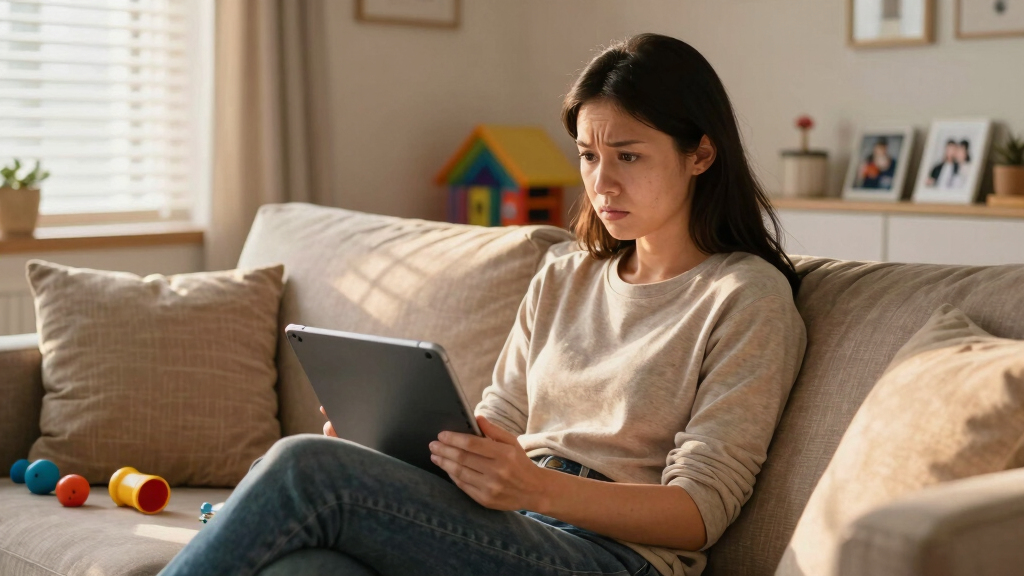
Parents are experiencing increasing confusion over what constitutes appropriate screen time limits for children, as guidance from health authorities and experts varies and evolves. This uncertainty impacts parental decisions and raises questions about children’s mental health and development.
Multiple health organizations, including the American Academy of Pediatrics and the World Health Organization, have issued differing recommendations on children’s screen time. The AAP suggests limits based on age, advocating for no screen time for children under 18 months and moderated use for older kids, while WHO emphasizes reducing sedentary screen time overall. However, recent surveys indicate that many parents find these guidelines confusing or conflicting, leading to inconsistent practices at home.
Experts acknowledge that the scientific evidence on the effects of screen time remains complex and sometimes contradictory. Some studies link excessive screen use to issues like sleep disruption and attention problems, while others suggest that quality content and co-viewing can mitigate risks. This nuanced research contributes to the mixed messages parents receive.
Impact of Conflicting Screen Time Advice on Parenting Decisions
This confusion affects how parents set boundaries for their children’s device use, potentially leading to either overly restrictive or permissive practices. Such inconsistency can influence children’s social skills, sleep patterns, and overall well-being. Clarifying guidelines is essential for supporting healthy development and reducing parental anxiety amid rapidly changing technology landscapes.
children's screen time monitoring device
As an affiliate, we earn on qualifying purchases.
As an affiliate, we earn on qualifying purchases.
Evolving Recommendations and Parental Challenges
Over the past few years, health authorities have updated their advice as new research emerges. The American Academy of Pediatrics revised its guidelines in 2016, emphasizing quality content and co-viewing, but recent surveys show many parents still struggle to interpret these recommendations amid the proliferation of devices and apps. The COVID-19 pandemic further increased screen time, intensifying debates about appropriate limits.
Despite efforts to provide clear guidance, the scientific community continues to debate the long-term effects of screen exposure, leading to ongoing uncertainty for parents trying to navigate their children’s digital lives.
“The research on screen time is still evolving, and parents are left with conflicting messages, which makes it hard to know what’s best for their children.”
— Dr. Jane Smith, Child Psychologist
kids' educational tablet with parental controls
As an affiliate, we earn on qualifying purchases.
As an affiliate, we earn on qualifying purchases.
Unclear Long-Term Effects and Evolving Guidelines
It remains unclear how exactly screen time influences long-term child development, as research findings are mixed and ongoing. Additionally, health authorities continue to update recommendations, which can further confuse parents about what is truly best.
As an affiliate, we earn on qualifying purchases.
Efforts to Clarify and Standardize Guidance for Parents
Experts and health organizations are working toward more consistent, evidence-based guidelines. Future research aims to better understand the effects of different types of screen content and usage patterns. Meanwhile, parents are advised to focus on quality content, co-viewing, and setting boundaries based on their child’s individual needs.
co-viewing educational app for kids
As an affiliate, we earn on qualifying purchases.
As an affiliate, we earn on qualifying purchases.
Key Questions
Why are there so many different recommendations on children’s screen time?
Guidelines vary because scientific research on the effects of screen time is complex and still evolving. Different organizations interpret the evidence differently, leading to inconsistent advice.
How can I decide what’s best for my child given conflicting advice?
Focus on quality content, set reasonable limits, and engage in co-viewing. Tailor screen use to your child’s age, needs, and family routines, and consult trusted health professionals for personalized guidance.
Does screen time affect my child’s mental health?
Research shows mixed results; excessive or inappropriate content can be linked to issues like sleep problems or attention difficulties, but context and content quality matter. Ongoing studies aim to clarify these effects.
Are there any upcoming changes to screen time guidelines?
Health authorities are reviewing new research and may update recommendations in the future. Parents should stay informed through reputable sources and adapt practices as new guidance emerges.
Source: rss
Fall Picks
fall essentials
As an affiliate, we earn on qualifying purchases.