
TL;DR
Listen free for 30 days with Audible
Thousands of audiobooks and originals — cancel anytime.
Start your free trialAs an affiliate, we earn on qualifying purchases.
A baby food maker offers convenience with built-in steaming and blending, ideal for quick, simple purees. High-powered blenders are more versatile but require extra steps. Your choice depends on your space, budget, and how much you want a dedicated device versus multi-use appliances.
Ever stood in your kitchen, staring at a pile of ripe fruits and vegetables, wondering how to turn them into a smooth, nourishing puree? Or felt overwhelmed by the idea of steaming, blending, and cleaning multiple gadgets? You’re not alone. Many parents wrestle with whether to buy a dedicated baby food maker or just use their trusty blender.
This decision can shape your feeding routine, save time, and even impact your budget. In this guide, we’ll break down the differences, recent innovations, and what real-world parents are choosing — so you can pick what truly works for your family’s busy life.
A dedicated baby food maker simplifies the process with one-touch steaming and blending, saving you time and effort.
High-powered blenders are versatile tools that can double as smoothie makers, soup processors, and baby purees, but they require more steps.
Recent innovations in baby food devices include smart features like reheating, defrosting, and app control, making meal prep more convenient.
Your choice should depend on your routine: prioritize simplicity or multi-functionality based on your lifestyle.
Safety and ease of cleaning are universal must-haves, regardless of which device you pick.
Baby Food Maker vs Blender
Do you need a dedicated machine? The answer comes down to one tradeoff: streamlined puree prep versus an appliance that serves the whole household.
Specialist or all-rounder?
Both can create age-appropriate textures. The meaningful difference is everything that happens before and after the blades turn.
Baby food maker
Built around small portions and a direct steam-to-blend sequence, often with presets for simple, repeatable purees.
High-powered blender
A kitchen workhorse for baby purees, smoothies, sauces and soups—but most ingredients must be cooked separately first.
Count the steps, not just the minutes.
The dedicated machine shortens the chain. A blender separates cooking and pureeing, which may mean another pot, transfer and wash cycle.
The practical comparison
Look beyond motor power. Storage, washing, portion size and future use often determine which appliance feels worthwhile six months later.
| Feature | Baby food maker | High-powered blender |
|---|---|---|
| Core functions | ✓Steam, blend and often reheat | ~Blend; heating on select models |
| Ease of use | ✓Presets and one-touch programs | ~Manual control and extra steps |
| Cleanup | ✓Fewer parts; often dishwasher-safe | ✗Pot, utensils and blender jar |
| Versatility | ✗Primarily baby meals and steaming | ✓Smoothies, soups, sauces and purees |
| Typical price | ✓$50–$150 | ~$150–$600+ |
| Storage profile | ✓Compact; designed for small meals | ~Often larger and heavier |
| Long-term use | ~Useful during a focused life stage | ✓Adapts as family meals evolve |
Where each option earns its counter space
Illustrative scores translate the qualitative tradeoffs into a quick visual. Ten represents the strongest fit for that criterion.
Baby food maker
Optimized for simplicity, small portions and short routines.
High-powered blender
Optimized for broad household use and recipe flexibility.
New features narrow the gap
Modern appliances increasingly overlap. That makes the supporting details—capacity, controls, materials and cleaning design—more important than the product label.
Reheat, defrost, store
Newer food makers combine more stages, reducing the need for separate containers and warming devices.
Texture guidance
Digital programs and app-connected models can guide texture and temperature choices for different feeding stages.
Power plus heat
Select premium blenders add automated programs or warming capability, expanding the middle ground between categories.
Integrated steaming and blending can reduce prep time compared with separate appliances, according to the supplied BabyUI research figure. Actual savings depend on recipe, batch size and cleanup routine.
Start with the life you already have.
A good purchase connects your available resources to your real feeding rhythm—not an idealized routine.
The decision rule
Pick a baby food maker for frequent purees, minimal cleanup and one-touch cooking. Pick a blender when you want one appliance for baby food, smoothies, soups, sauces and future family meals.
Five checks that matter either way
Safety and maintainability are universal. A clever feature is only useful if the machine is comfortable to operate and easy enough to wash regularly.
What is a baby food maker and why it can make your life easier
A baby food maker is a device built specifically to prepare baby meals. It combines steaming, blending, and sometimes reheating in one machine, making the process straightforward. Imagine pressing a button, and in 15 minutes, you have a fresh, warm puree ready to serve. Many models have pre-set programs designed to get the texture just right for your baby’s age.
Why does this matter? Because it streamlines a process that can otherwise be time-consuming and messy. The ability to steam and blend in one device reduces the number of steps, minimizes clean-up, and ensures you’re preserving nutrients through gentle cooking. This is especially important for busy parents who want to provide healthy, homemade food without spending hours in the kitchen. The tradeoff is that these devices might offer less flexibility outside of baby food prep, so if you prefer experimenting with adult recipes, a dedicated maker might feel limiting.
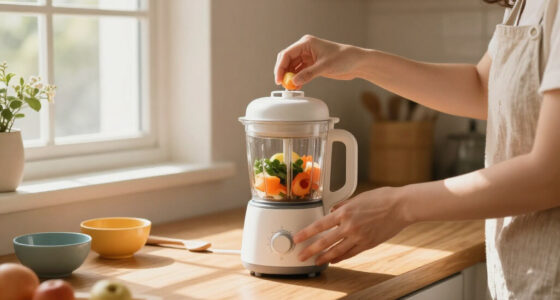
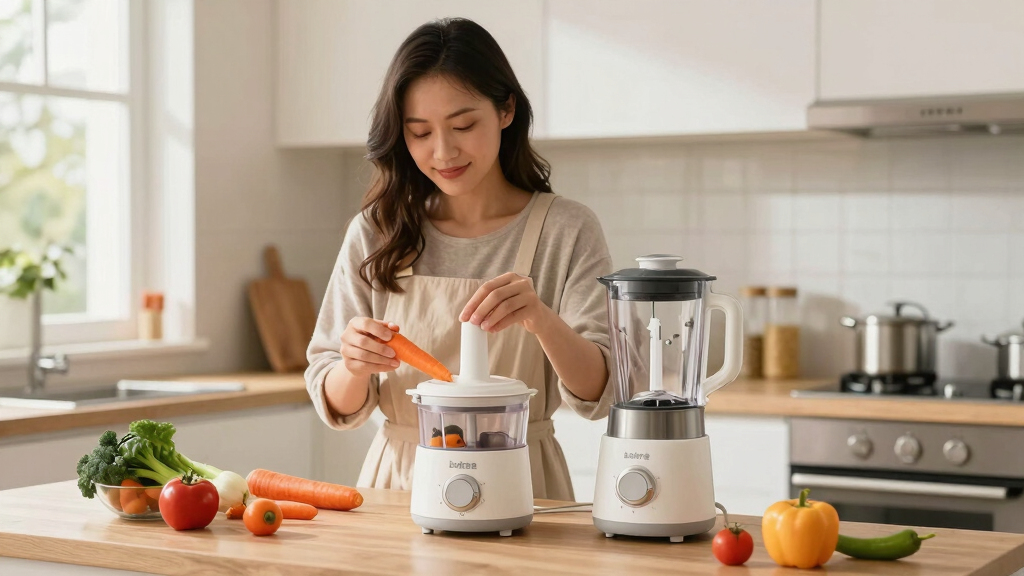
baby food maker with steaming and blending
As an affiliate, we earn on qualifying purchases.
As an affiliate, we earn on qualifying purchases.
How a blender stacks up for baby food prep — what you need to know
A high-quality blender is a versatile workhorse. You can make smoothies, soups, sauces, and yes, baby purees. But it doesn’t steam or reheat. You’ll need to separately boil or steam ingredients, then transfer them into the blender for pureeing. This extra step can be a significant consideration if you’re short on time or space, as it adds complexity and cleanup.
Why does this matter? Because while blenders excel at versatility, they require a more involved process for baby food. The need to cook ingredients separately means more pots, more utensils, and more dishes to clean. Additionally, some blenders have powerful blades that can handle cooked foods directly, but this often means more careful cleaning to prevent cross-contamination of flavors or residues. The tradeoff is that investing in a high-end blender can give you a multi-purpose appliance that adapts as your child’s tastes grow, but it might not be as convenient for quick, single-task baby purees.
high-powered blender for baby food
As an affiliate, we earn on qualifying purchases.
As an affiliate, we earn on qualifying purchases.
Baby food maker vs blender: The key features side-by-side
| Feature | Baby Food Maker | High-Powered Blender |
|---|---|---|
| Functionality | Steam + Blend + Reheat | Blend + optional heating (some models) |
| Ease of Use | Pre-set programs, one-touch operation | Manual control, multiple steps |
| Cleaning | Dishwasher safe parts, minimal effort | More parts to clean, sometimes tricky |
| Price | Typically $50–$150 | $150–$600+ |
| Versatility | Primarily baby food | Smoothies, soups, sauces, baby food |
| Size & Storage | Compact, designed for small meals | Can be bulky, depending on model |
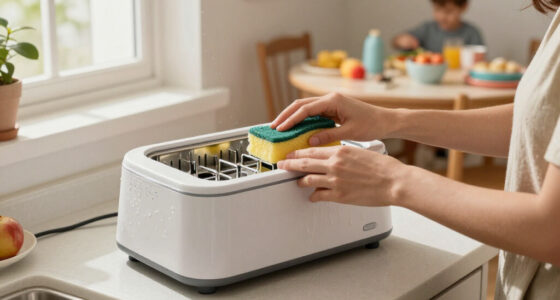
baby food prep machine with reheating
As an affiliate, we earn on qualifying purchases.
As an affiliate, we earn on qualifying purchases.
Recent innovations making baby food prep even simpler
Modern baby food makers are getting smarter and sleeker. Many now include features like reheating leftovers, defrosting frozen purees, and even built-in storage containers. These enhancements are designed to save time and reduce the number of separate devices needed, which is a huge plus for small kitchens. For example, some models connect with smartphone apps that guide you through the process, adjusting texture and temperature based on your child’s age and preferences. This integration improves consistency and helps parents feel more confident in meal preparation, especially if they’re new to homemade baby food.
On the blender side, advanced models like the Vitamix Ascent series are capable of blending everything from soft fruits to cooked vegetables with just a press of a button. Some even feature heated containers that can warm baby food directly, eliminating the need for a separate warming step. These innovations make it easier to prepare nutritious meals quickly and conveniently, and they expand what you can do in your kitchen — from purees to hot soups or smoothies for the whole family.
Understanding these features helps you weigh the tradeoffs: a dedicated device might save time for purees but limit recipe variety, while a high-tech blender offers more flexibility but requires more steps and cleaning.
multi-function baby food processor
As an affiliate, we earn on qualifying purchases.
As an affiliate, we earn on qualifying purchases.
Which device fits your lifestyle? Pros and cons at a glance
If you want quick, fuss-free baby food, a dedicated maker is likely your best bet. It minimizes steps, cleans easily, and fits into small kitchen spaces. This is especially valuable if your routine involves preparing purees daily and you want to minimize cleanup time. On the other hand, if you enjoy experimenting with a variety of recipes — from smoothies to soups — and have the space and budget, a good blender can serve multiple purposes, making it a more economical choice in the long run.
Considering your routine helps clarify which option is more suitable. For example, busy parents with limited time might prioritize the convenience of a dedicated device, while culinary enthusiasts or those wanting to prepare family meals might lean toward a versatile blender. The tradeoff is that dedicated baby food makers tend to be less adaptable outside purees, whereas blenders require more effort but offer broader culinary potential.
How to pick the right device for your baby’s needs
Think about your priorities before buying. Do you need a device just for purees, or do you want something that handles more than that? Consider your kitchen space, budget, and how often you’ll actually use it. If your main goal is to produce healthy purees quickly and with minimal fuss, a dedicated baby food maker is likely the best fit. However, if you want a device that can grow with your family’s needs — making smoothies, soups, and sauces as well — investing in a high-quality blender might be more beneficial.
Here’s a quick step-by-step to help:
- List your must-have features: steaming, reheating, blending.
- Set your budget range.
- Measure your available space.
- Check safety features: BPA-free, secure lids.
- Read reviews from other parents with similar routines.
Understanding the implications of each choice — such as time savings, versatility, and ease of cleaning — will help you make a decision that aligns with your lifestyle and your baby’s nutritional needs.
Frequently Asked Questions
Can I use a blender to make baby food instead of a dedicated device?
Yes, you can. Just steam or cook ingredients separately, then blend to the right texture. It’s more steps but works if you already own a good blender. Keep in mind, you’ll need to clean more parts and do a bit more prep.
Are baby food makers safe and easy to clean?
Most are designed with safety in mind, using BPA-free plastics and secure lids. Cleaning is straightforward, often dishwasher safe, which makes cleanup quick after busy feeding days.
Can a baby food maker do other kitchen tasks?
Many models can reheat, defrost, and sometimes even blend adult foods. They’re mainly for purees, but some can double as mini steamers or warmers, adding extra convenience.
Is investing in a high-end blender worth it for baby food?
It depends on your needs. High-end blenders are versatile, powerful, and can last for years. If you want a multi-purpose appliance that handles more than baby food, it could be a smart investment.
How do I decide between a baby food maker and a blender?
Think about your routine, space, and how much time you want to spend on prep. If simplicity is key, a dedicated baby food maker is best. For more flexibility and variety, a high-quality blender might serve you better.
Conclusion
The right choice hinges on your daily routine and what you value most: convenience or versatility. A dedicated baby food maker can streamline meal prep, while a good blender offers broader culinary options. Both can deliver healthy, homemade baby food — it’s just about what fits your life best.
Remember, your kitchen isn’t just a place for gadgets — it’s where you create nourishment and memories. Pick the tool that helps you enjoy those moments, even when fatigue hits at 3 a.m.
Labor Day sales Picks
labor day deals
As an affiliate, we earn on qualifying purchases.