TL;DR

Turn the school run and nap time into listening time
- Thousands of audiobooks, podcasts and originals
- Listen on your phone, tablet or Echo — also offline
- Cancel anytime
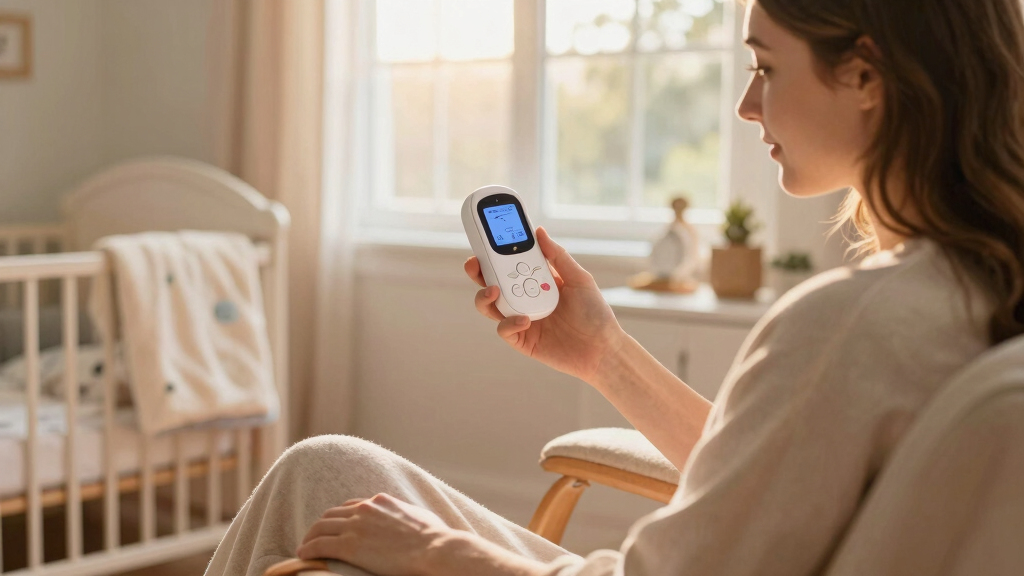
Night vision on a baby monitor helps you see your baby clearly in dark rooms without disturbing their sleep. Advances now offer clearer images and less disturbance, but it’s not always a must-have. Your choice depends on your needs and environment.
Imagine checking on your baby at 2 a.m., the room pitch dark. You want to see their face, movements, maybe even their breathing, without turning on a light that could wake them up. That’s where night vision in baby monitors steps in.
But do you really need it? Or is it just a fancy feature that adds cost? In this guide, you’ll learn how night vision works, its benefits, limitations, and how to decide if it’s right for your family — especially in a world full of new tech and smart features.
Night vision in baby monitors uses infrared LEDs to see your baby in darkness without disturbing sleep.
Advances now offer clearer images, less glow, and even color night vision options.
IR glow can sometimes wake sensitive babies; choosing a monitor with non-glow IR LEDs helps prevent this.
Whether you need night vision depends on your nursery setup and your comfort with ambient light.
Future tech promises smarter, clearer, and more efficient night vision features for parents.
What Is Night Vision on a Baby Monitor and How Does It Work?
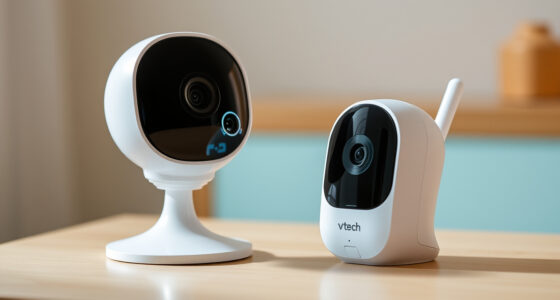
Night vision is a technology that lets you see your baby clearly in darkness. Most monitors use infrared (IR) LEDs—tiny lights invisible to the eye—that illuminate the room softly, allowing the camera to capture a clear image without waking your little one.
Think of it like the glow of streetlights in a fog—subtle but enough to see shapes and shadows. Some newer models offer color night vision, which can add detail like seeing if your baby is wearing a specific outfit, even in low light.
For example, a monitor with IR LEDs might emit a faint, almost imperceptible glow, showing you your sleeping baby’s face, while a regular camera in complete darkness would just be a black screen.
As an affiliate, we earn on qualifying purchases.
Why Night Vision Is a Game-Changer for Nighttime Baby Monitoring
Night vision allows you to keep an eye on your baby without flicking on lights or opening curtains. It provides peace of mind, especially during those early months when every movement or sound triggers a check.
Imagine waking up at 3 a.m., hearing a soft rustle, and being able to see your baby’s peaceful face—no disturbance, no disturbance. That’s the power of a good night vision feature.
Recent tech improvements mean sharper images, even in total darkness, and some monitors now reduce IR glow to prevent disturbing your sleeping baby. It’s like having a gentle, invisible flashlight guiding your eyes in the dark.
As an affiliate, we earn on qualifying purchases.
Limitations of Night Vision and Things to Watch For
Night vision isn’t perfect. IR LEDs can sometimes cause a faint glow—like a tiny, invisible flashlight—that might bother very light-sensitive babies or disrupt their sleep.
Image quality varies. Cheaper monitors might produce grainy or blurry images, especially in large rooms or with clutter. Power consumption can also be higher in models with bright IR LEDs, meaning shorter battery life.
For example, a parent might find that their monitor’s IR glow is just enough to wake their baby, making nighttime checks more stressful instead of calming.
Understanding these limitations is crucial because they directly impact the effectiveness of night vision. If the IR glow wakes your baby, it defeats the purpose of a discreet check. Similarly, poor image quality can lead to misinterpretations of your baby’s condition, causing unnecessary worry or missed cues. Considering power consumption is also vital, especially if you rely on portable monitors or experience frequent power outages, as shorter battery life could mean more frequent recharging or replacement, adding inconvenience and cost.
Moreover, the tradeoff between image clarity and IR glow reduction can be significant. Monitors with minimal IR glow tend to have slightly less effective night vision, which might mean you need to position the camera more strategically or accept a slightly less detailed image. This balance between visibility and sleep disturbance is a key consideration for discerning parents.
As an affiliate, we earn on qualifying purchases.
How to Pick the Best Baby Monitor with Night Vision — 5 Tips
- Check the IR LED range: Make sure it covers your room size. A range of 10-15 feet is typical, but bigger spaces need more.
- Look for non-glow IR LEDs: Some models reduce visible glow, so your baby isn’t disturbed.
- Evaluate image quality in darkness: Read reviews or test the monitor in a dark room before buying.
- Consider additional features: Two-way audio, temperature sensors, and remote pan/tilt can add value.
- Compare power consumption: Longer battery life is helpful if you prefer portable monitors or power outages are common.
Choosing the right monitor involves balancing these factors. For example, a parent might prioritize IR glow reduction and clear image quality over extra features, especially if they value a peaceful sleep environment for their baby. Understanding your space and your needs will guide you to a monitor that provides reliable, non-intrusive night vision without unnecessary compromises.
baby monitor with non-glow IR LEDs
As an affiliate, we earn on qualifying purchases.
As an affiliate, we earn on qualifying purchases.
Are Color Night Vision Monitors a Better Choice? Here’s What to Know
Color night vision is a newer feature that captures images in low light with more detail. Instead of a black-and-white view, you see your baby’s face with color, making it easier to identify outfits or skin tones.
However, these monitors tend to be more expensive and may require more light to work well. The practical benefit depends on whether you value seeing color details at night or if black-and-white IR images suffice.
For instance, if you want to quickly confirm whether your baby’s wearing a pink onesie or a blue one, a color night vision model might help. But if your main concern is just seeing their face clearly, standard IR might be enough.
It’s important to consider that color night vision can sometimes introduce noise or less clarity in very low light, which might affect how reliably you can identify subtle details. Additionally, the increased cost may not justify the marginal benefit for all parents, especially if they mainly need a clear view of their sleeping baby. Balancing these tradeoffs will help you decide whether investing in color night vision aligns with your monitoring needs and budget.
Do You Really Need Night Vision on Your Baby Monitor?
The answer depends on your sleep environment and your comfort level. If your baby sleeps in a dark, quiet room, night vision can help you see clearly without disturbing them.
But if your nursery has a dim nightlight or ambient glow, you might get by with a monitor that uses low-light sensors or just relies on existing light. Some parents manage without night vision, trusting their ears or a well-lit room.
It’s essential to consider your specific setup and how much you value visual confirmation versus auditory cues. For instance, in a city apartment with blackout curtains, night vision might be vital for peace of mind. Conversely, in a well-lit nursery, it could be an unnecessary feature that adds cost without significant benefit. Deciding whether you need night vision involves weighing these environmental factors against your comfort with relying on sound or light for monitoring.
Will Night Vision Disturb Your Baby? What You Need to Know
Most IR LEDs are invisible to the human eye, so they won’t flicker or glow visibly. But some cheaper monitors emit a faint glow that sensitive babies might detect, possibly waking them up.
For example, a parent noticed their baby stirring when the IR glow was just enough to be seen faintly in the dark. Upgrading to a model with non-glow IR LEDs solved the issue.
Choosing a monitor with minimal IR glow can help keep your baby peacefully asleep while giving you a clear view. Additionally, understanding the sensitivity of your baby to light and choosing monitors with non-glow IR LEDs or those that emit no visible light can significantly reduce the risk of sleep disruption, allowing for peaceful checks whenever needed.
The Future of Night Vision in Baby Monitors — What’s Coming Next?
Advances in sensor tech mean clearer images, less IR glow, and even smarter features. Some monitors now use AI to detect movement or breathing, alerting you only when needed.
Color night vision is becoming more common, providing richer images. Reduced power consumption and improved night modes promise longer battery life and less disturbance.
Imagine a monitor that uses tiny infrared sensors to give you a crystal-clear, color image, all while sipping power from a tiny solar panel—future tech is headed there.
Frequently Asked Questions
Is night vision necessary on a baby monitor?
Not always. If your baby sleeps in a dark room and you’re comfortable checking visually without disturbance, you might manage without it. But for many parents, night vision adds a layer of peace of mind and convenience.
Do night vision monitors disturb the baby?
Most IR LEDs are invisible, but some models emit a faint glow that sensitive babies may notice. Choosing a monitor with non-glow IR LEDs can prevent this issue.
Are color night vision monitors worth the extra cost?
They provide more detailed images at night, which can be helpful for quick identification. However, if black-and-white IR images suffice, standard monitors are usually enough and more affordable.
Can I use a security camera for baby monitoring with night vision?
Some security cameras work, but they often lack baby-specific features like two-way talk or temperature monitoring. Choose a device designed for infant care for best safety and convenience.
What features should I consider besides night vision?
Look for clear image quality, IR range, low IR glow, two-way audio, temperature sensors, and alerts. These features contribute to safer, more reliable monitoring.
Conclusion
Night vision isn’t just a gadget—it’s a tool that can make nighttime checks smoother and less intrusive. But it’s not always a must-have. Your choice should match your baby’s sleep environment, your peace of mind, and your budget.
Remember, technology evolves fast. A monitor with good night vision today might get smarter tomorrow. Keep your focus on what helps you sleep best—and trust your instincts.
Cold & flu season Picks
humidifiers
As an affiliate, we earn on qualifying purchases.