TL;DR

Turn the school run and nap time into listening time
- Thousands of audiobooks, podcasts and originals
- Listen on your phone, tablet or Echo — also offline
- Cancel anytime
WiFi baby monitors offer remote access, higher video quality, and smart features but pose security risks. Non-WiFi monitors are simpler, more private, and reliable in areas with poor internet. Your choice depends on your home setup and comfort with technology.
Imagine lying in bed, checking your phone, and seeing your baby sleeping soundly. That’s the promise of WiFi baby monitors. But is that convenience worth potential security concerns? Or does sticking to a non-WiFi model keep your home safer? Understanding the core differences helps you pick what truly fits your lifestyle. Whether your home is a cozy apartment or a sprawling house, the right monitor can make all the difference.
In this guide, you’ll discover the key features, recent tech developments, and practical tips to choose between WiFi and non-WiFi baby monitors. No fluff—just honest info to help you sleep better.
Non-WiFi monitors are inherently more secure because they don’t connect to the internet, reducing hacking risks.
WiFi monitors offer advanced features like remote viewing, high-definition video, and smart home integration, but require a stable internet connection.
Choose a non-WiFi monitor if you prioritize privacy, reliability, or have poor internet coverage.
WiFi monitors are better suited for large homes or when remote access from anywhere is essential.
Regularly update your device’s firmware and use strong passwords to keep WiFi monitors secure.
What’s the real difference between WiFi and non-WiFi baby monitors?
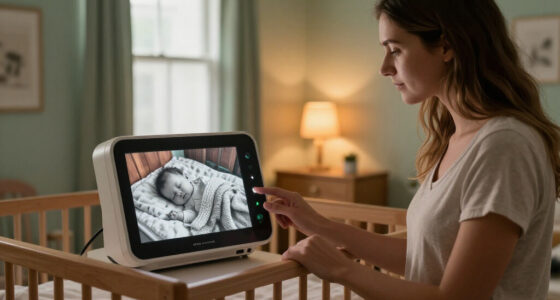
WiFi baby monitors use your home’s internet to transmit live audio and video to your smartphone or tablet. They often boast high-definition video, remote viewing, and smart features like temperature alerts. Non-WiFi models rely on dedicated radio signals, like DECT or analog, to send audio or video over a limited range—usually 600 to 1000 feet.
Understanding this difference is crucial because it influences how flexible and secure your monitoring setup will be. WiFi monitors offer the convenience of remote access, allowing you to check in from anywhere, which is invaluable if you travel or work outside the home. However, they depend on your internet connection’s stability and security. Non-WiFi models, on the other hand, prioritize privacy and reliability by avoiding internet reliance, but they limit your monitoring to within their specified range. This means you won’t be able to view your baby when you’re away from home or in different rooms far from the monitor.
Tradeoffs include convenience versus security and range versus accessibility. Choosing the right type depends on your lifestyle priorities—whether you value remote control and high-tech features or prefer simplicity and privacy.
WiFi baby monitor with remote viewing
As an affiliate, we earn on qualifying purchases.
As an affiliate, we earn on qualifying purchases.
Which monitor type keeps your home private and secure?
Non-WiFi baby monitors are less vulnerable to hacking because they don’t connect to the internet. Their radio signals are more difficult for outsiders to intercept, especially if they use encrypted protocols like DECT. This inherent security makes them a preferred choice for parents prioritizing privacy, as they eliminate the risk of unauthorized access to live feeds. Conversely, WiFi monitors, while offering advanced features, can be targets for cyberattacks if not properly secured. Hackers exploiting vulnerabilities could potentially access your video feed or even take control of the device, which raises serious privacy concerns.
Understanding this, it’s important to recognize that the security of WiFi monitors hinges on your practices—using strong, unique passwords, enabling encryption, and keeping firmware updated. These steps significantly reduce vulnerabilities. For example, a researcher might discover a flaw that allows unauthorized access, but manufacturers often release patches promptly once vulnerabilities are identified. Therefore, while WiFi monitors can be made secure, they require ongoing vigilance. Non-WiFi models, by design, offer a more straightforward privacy guarantee because they operate on closed radio signals, making hacking much more difficult and reducing the need for complex security measures.
Ultimately, the choice impacts your privacy. If you’re highly concerned about security breaches or live in an area with frequent cyber threats, opting for a non-WiFi monitor provides peace of mind with fewer variables to manage.
non-WiFi baby monitor with DECT technology
As an affiliate, we earn on qualifying purchases.
As an affiliate, we earn on qualifying purchases.
How do setup, range, and reliability compare?
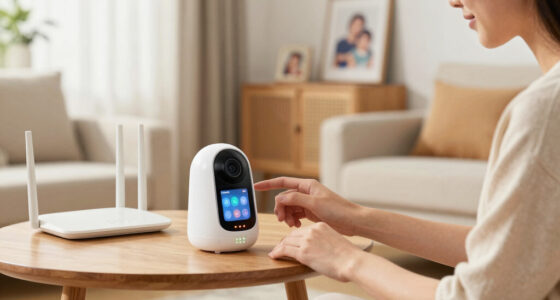
Setting up a WiFi monitor involves connecting to your home WiFi network and installing a dedicated app, which can be straightforward but sometimes frustrating if your network has issues. Troubleshooting connectivity problems may involve resetting the device, checking your internet speed, or adjusting your WiFi settings. This process can take some time, especially if you’re not tech-savvy. Non-WiFi models are generally plug-and-play—simply turn them on and sync them with your receiver or monitor unit. Since they don’t rely on your internet, they are less prone to connectivity hiccups, making them more dependable in environments with unstable WiFi or internet outages.
Range is another critical factor. WiFi monitors typically cover your entire home and can even extend outside if your WiFi signal is strong enough, providing flexibility for active households. Non-WiFi monitors have a fixed range, often specified by the manufacturer—commonly between 600 and 1000 feet—adequate for most homes. However, large or multi-story homes might require multiple units or more powerful systems. The key tradeoff is that WiFi offers broader coverage and remote access, but at the expense of potential connectivity issues. Non-WiFi models are simpler and more reliable but limited to their physical range. Your choice depends on your home’s size, layout, and your willingness to troubleshoot or rely on stable internet connections.
HD WiFi baby monitor with smart features
As an affiliate, we earn on qualifying purchases.
As an affiliate, we earn on qualifying purchases.
Frequently Asked Questions
Is a WiFi baby monitor more secure than a non-WiFi one?
Generally, non-WiFi monitors are more secure because they don’t connect to the internet, reducing hacking risks. WiFi models can be secure if you use strong passwords, keep firmware updated, and disable remote access if not needed.
Can I watch my baby remotely with both types?
Only WiFi baby monitors typically support remote viewing via smartphone apps. Non-WiFi models usually only work within their limited range, so remote access isn’t an option.
Are WiFi monitors worth the extra cost?
If you want features like remote viewing, video recording, and smart home integration, WiFi monitors can be a good investment. Otherwise, a reliable non-WiFi model offers simplicity and privacy at a lower price.
What should I consider if my internet isn’t reliable?
In areas with spotty internet, non-WiFi monitors are more dependable since they don’t rely on WiFi. They keep working even during internet outages, giving you peace of mind without interruption.
How can I keep my WiFi monitor secure?
Use strong, unique passwords; keep firmware updated regularly; disable remote access if unnecessary; and consider placing the device on a separate, secure network segment to prevent unauthorized access. These measures help mitigate the risks of hacking and ensure your device remains protected as technology evolves.
privacy-focused non-WiFi baby monitor
As an affiliate, we earn on qualifying purchases.
As an affiliate, we earn on qualifying purchases.
Conclusion
The choice between WiFi and non-WiFi baby monitors boils down to your home setup and what you value most—convenience or privacy. Think about your internet reliability, security concerns, and desired features. Remember, a monitor is more than just a camera; it’s peace of mind in your pocket.
Pick what fits your family’s rhythm, and sleep a little easier tonight.
Cold & flu season Picks
humidifiers
As an affiliate, we earn on qualifying purchases.