
TL;DR

Turn the school run and nap time into listening time
- Thousands of audiobooks, podcasts and originals
- Listen on your phone, tablet or Echo — also offline
- Cancel anytime
Hard water causes mineral deposits that clog and damage feeding gadgets. Using proper cleaning methods, water softening, and device design can keep your routine smooth and safe. Regular maintenance saves money and extends device life.
Imagine this: you’re prepping your baby’s bottle at 3 a.m., and suddenly the nipple feels gritty, or the sterilizer isn’t working quite right. That’s often mineral buildup from hard water silently sneaking into your routine. Hard water’s high mineral content—mainly calcium and magnesium—can cause stubborn scale deposits that clog, impair, and even damage your feeding gadgets.
Understanding how hard water affects your gear is the first step. This guide will show you how mineral deposits form, why they matter, and, most importantly, how you can keep your devices clean and functioning without resorting to harsh chemicals. Whether you’re dealing with a baby bottle, water dispenser, or pet feeder, scaling issues are a common challenge that’s easy to address with the right knowledge.
Hard water causes mineral deposits in feeding gadgets, reducing their lifespan and effectiveness.
Regular descaling with vinegar or citric acid is a safe, inexpensive way to prevent buildup.
Installing a water softener or using filtered water can drastically cut mineral deposits.
Choosing gadgets with anti-scale features reduces maintenance efforts.
Establishing a routine cleaning schedule based on your water hardness keeps devices safe and functional.
Hard Water and Feeding Gadgets: Scale-Proofing Your Routine
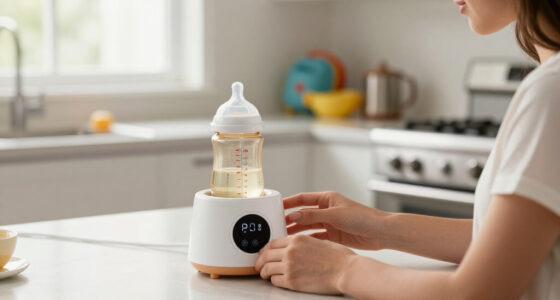
It’s 3 a.m., the bottle’s prepped — but the nipple feels gritty and the sterilizer isn’t quite right. That’s hard water’s calcium and magnesium quietly coating your gear in chalky scale. Here’s how to stop the slow, silent erosion of your feeding routine.
Mineral buildup from hard water can reduce the lifespan of feeding gadgets by up to 50% — regular descaling can win those years back.
Key InsightHow Hard Water Damages Your Feeding Gadgets
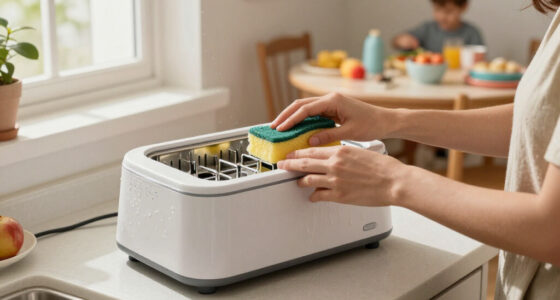
Hard water carries dissolved calcium and magnesium. As it passes through bottles, sterilizers, and dispensers, particles settle as white, chalky deposits — clogging channels, impairing sterilization, and sheltering bacteria.
Minerals Dissolve
Water picks up calcium and magnesium from rock and soil — over 120 mg/L calcium qualifies as hard.
Scale Deposits
Tiny particles settle on warm surfaces, forming crusty white patches inside channels and valves.
Function Fails
Sterilizer channels clog, valves stick, seals harden — hygiene and performance quietly degrade.
Costs Climb
Bacteria hide in mineral layers; parts wear out faster and replacements come sooner than needed.
Five Ways to Keep Mineral Deposits at Bay
Integrate these habits into your routine and you’ll extend device lifespan while protecting hygiene — no harsh chemicals required.
Use Softened or Filtered Water
A water softener or countertop filter cuts mineral content at the source, dramatically reducing scale formation.
Descale Weekly
Clean bottles and sterilizers weekly with vinegar or citric acid — safe, natural, and inexpensive.
Never Let Water Sit
Empty bottles and dispensers after each use so mineral residue can’t settle and harden.
Choose Anti-Scale Devices
Modern gadgets incorporate scale-resistant materials and self-cleaning mechanisms that cut maintenance.
The Vinegar Soak
One part vinegar to three parts water, 15–20 minutes — deposits wipe away and a light barrier remains.
Check for Warning Signs
White films or a gritty feel on nipples and dispensers signal it’s time to descale before clogs form.
The Best Tools for Scale-Proofing Your Routine
Choosing the right tools depends on your water quality and budget. Layer them for a multi-layered defense system.
| Method | Pros | Cons | Best For |
|---|---|---|---|
| Water Softener | Reduces mineral content at source; long-term solution | Installation cost; takes up space | Very hard water households |
| Filtered Water | Easy, portable, safe for baby | Requires regular filter changes | Renters & small kitchens |
| Vinegar / Citric Acid | Inexpensive, natural, safe for baby gear | Needs frequent use; weaker on heavy buildup | Weekly maintenance routine |
| Anti-Scale Devices | Built into gadgets; minimal maintenance | Limited availability; higher upfront cost | New purchases & upgrades |
How Often Should You Descale?
Frequency depends on your water hardness and how heavily you use each gadget. Use the scale below as your guide.
Simple test: check for white deposits or a gritty feel in bottles and dispensers. Buildup inside a sterilizer’s channels can prevent proper sterilization — regular cleaning removes deposits before they cause functional issues.
Could a Softener Save Your Gadgets?
A home softener exchanges calcium and magnesium for sodium or potassium, making water easier on your appliances — reducing both visible white deposits and internal scaling that clogs channels and damages seals.
Upside
- Dramatically cuts mineral content at the source
- Extends device lifespan — savings often outweigh cost
- Pairs perfectly with routine vinegar descales
Trade-offs
- Significant installation cost and space requirements
- Softened water may not suit all devices or food rinsing
- Always consult your device manufacturer’s recommendations
Scale-Proof Defense Scorecard
Relative effectiveness of each layer in your multi-layered defense system.
What is hard water and why does it matter for feeding gadgets?
Hard water is water with high levels of dissolved minerals—mostly calcium and magnesium. In many regions, over 120 mg/L of calcium defines hard water. When you run this water through your feeding gadgets—bottles, sterilizers, or water dispensers—tiny mineral particles settle on surfaces as white, chalky deposits.
These deposits aren’t just unsightly. They can clog small channels, reduce the effectiveness of sterilization, and even cause parts to wear out faster. Plus, mineral buildup can harbor bacteria, making your routine less hygienic than you think. Think of it as a slow, silent erosion that chips away at your gadgets’ lifespan and safety.
Why does this matter? Because these mineral deposits aren’t just a cosmetic issue—they can compromise the safety and efficiency of your devices. Clogged sterilizer channels may not fully eliminate germs, risking contamination. Worn-out parts can lead to leaks or malfunctions. In the long run, ignoring hard water buildup can mean more frequent replacements and higher costs, as well as potential health risks for your baby if bacteria find a hiding spot in mineral layers.
As an affiliate, we earn on qualifying purchases.
How hard water damages your feeding gadgets — the unseen threat
Mineral deposits look like crusty, white patches—like a layer of chalk—on the inside and outside of bottles, dispensers, and sterilizers. Over time, these deposits can cause real damage. For example, a baby bottle sterilizer might seem fine at first, but after six months of use with hard water, tiny channels can clog, reducing sterilization efficiency.
This buildup can also make parts brittle or cause valves to stick. Imagine trying to squeeze a bottle, only to find the nipple’s valve won’t open smoothly—frustrating and potentially unsafe. The damage isn’t always visible, but it quietly shortens the life of your gear and demands more frequent replacements.
Why is this a problem? Because mineral buildup doesn’t just affect appearance—it can silently impair the functioning of critical parts, leading to less effective sterilization and increased risk of bacterial growth. Over time, the cumulative damage can lead to costly repairs or replacements, and in some cases, compromised hygiene that could impact your baby’s health. Recognizing early signs of buildup and performing regular maintenance can prevent these issues from escalating.
As an affiliate, we earn on qualifying purchases.
Simple tricks to prevent scale buildup in feeding gadgets
Prevention beats cleaning. Here are five straightforward ways to keep the mineral deposits at bay:
- Use softened or filtered water: Installing a water softener or using a countertop filter can cut mineral content significantly.
- Regularly clean your gadgets: Descale bottles and sterilizers weekly with vinegar or citric acid.
- Avoid letting water sit idle: Empty bottles and dispensers after each use to prevent mineral residue from settling.
- Choose devices with anti-scale design: Some modern gadgets incorporate materials or features that resist mineral buildup.
- Use natural descaling agents: Vinegar is cheap, safe, and effective. For example, soaking bottles in a mixture of one part vinegar to three parts water for 15-20 minutes wipes away deposits.
By integrating these habits into your routine, you not only prevent stubborn buildup but also extend the lifespan of your devices. For example, regular vinegar soaks dissolve existing deposits and create a protective barrier against future accumulation, saving you time, money, and stress in the long run.
water softener for baby feeding gadgets
As an affiliate, we earn on qualifying purchases.
As an affiliate, we earn on qualifying purchases.
The best tools and tricks for scale-proofing your feeding routine
Some tools make scale-proofing easier. Here’s a quick comparison:
| Method | Pros | Cons |
|---|---|---|
| Water Softener | Reduces mineral content at source, long-term solution | Installation cost, takes up space |
| Filtered Water | Easy, portable, safe for baby | Requires regular filter changes |
| Vinegar or Citric Acid | Inexpensive, natural, safe for baby gear | Needs frequent use, less effective on heavy buildup |
| Anti-scale Devices | Built into gadgets, minimal maintenance | Limited availability, higher upfront cost |
Choosing the right tools depends on your water quality and budget. Installing a water softener or using filtered water can drastically reduce mineral content, minimizing scale formation. Combining these with regular descaling routines—like vinegar soaks—maximizes device longevity and minimizes hassle. Think of it as building a multi-layered defense system: reducing mineral entry, preventing buildup, and catching issues early.
As an affiliate, we earn on qualifying purchases.
How often should you clean and descale your feeding gadgets?
Frequency depends on your water hardness and gadget use. In regions with very hard water, plan to descale weekly. If your water is moderately hard, every 2-4 weeks works well. A simple test: check for white deposits or a gritty feel in bottles and dispensers.
Why does this matter? Because mineral deposits can insidiously impair device performance. For instance, a buildup inside a sterilizer’s channels can prevent proper sterilization, risking bacterial survival. Regular cleaning ensures these tiny deposits are removed before they cause functional issues. Establishing a routine—such as weekly vinegar soaks or biweekly inspections—can prevent unexpected breakdowns, saving you time and money while maintaining optimal hygiene standards.
Could installing a home water softener save your gadgets?
Yes, a home water softener can dramatically cut mineral content and prevent buildup. It exchanges calcium and magnesium for sodium or potassium, making water easier on your appliances. This process not only reduces the visible white deposits but also minimizes internal scaling that can clog tiny channels or damage seals.
However, consider the tradeoffs: installation costs can be significant, and softened water may not be suitable for all devices or for rinsing foods—consult your device manufacturer’s recommendations. Yet, for families in hard water areas, the long-term savings in device lifespan and maintenance often outweigh initial expenses. Combining softened water with routine vinegar descales creates a robust defense, ensuring your gadgets stay functional and safe over years of use.
Materials and device designs that resist scale buildup
Some gadgets are engineered with anti-scale features—think of it as a built-in shield against mineral deposits. Devices made with stainless steel, silicone, or specially treated plastics tend to resist buildup better than porous or textured materials. For example, bottles with smooth silicone nipples are less prone to trapping minerals compared to those with textured surfaces, making cleaning easier and reducing buildup risk.
Additionally, some sterilizers incorporate self-cleaning modes or are designed for easy disassembly, simplifying maintenance. When choosing new devices, prioritizing materials and designs that naturally resist scale can significantly cut down on cleaning time, reduce the frequency of replacements, and extend the overall lifespan of your equipment.
Can filtered or softened water extend your feeding gadgets’ lifespan?
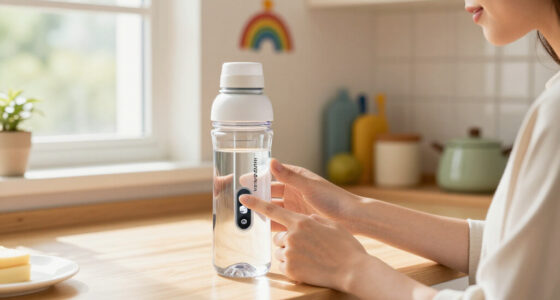
Absolutely. Using filtered or softened water reduces mineral content by up to 80%, according to BabyUI. This reduction means fewer mineral deposits forming inside bottles, sterilizers, and dispensers, which directly correlates with less frequent cleaning and longer device longevity.
For example, a sterilizer used with hard water might require descaling every two weeks, but switching to filtered or softened water can extend this interval to three months or more. This not only saves time and effort but also reduces the risk of damage caused by mineral buildup. Additionally, the improved water quality enhances safety and taste, giving you peace of mind that your baby’s routine remains as hygienic and safe as possible.
Are there health risks from mineral buildup in feeding gadgets?
Mineral buildup itself isn’t typically toxic, but it can create environments conducive to bacterial and mold growth if not cleaned regularly. These microorganisms can pose health risks, especially for infants with developing immune systems. Additionally, bacteria trapped within mineral layers can sometimes lead to infections or irritations if they contaminate bottles or sterilized water.
Furthermore, in rare cases, mineral deposits can harbor bacteria that are resistant to cleaning, making thorough descaling essential. Regularly using safe agents like vinegar to remove mineral layers not only maintains device efficiency but also minimizes the potential for microbial growth. Recognizing early signs of buildup and maintaining a strict cleaning routine are vital for ensuring your baby’s safety and health.
Frequently Asked Questions
How do I know if my water is hard?
You can test your water with a simple home test kit available at hardware stores, or check your local water quality report. If you notice white deposits on fixtures or mineral buildup inside bottles, your water is likely hard.What is the safest way to descale baby bottles and sterilizers?
Vinegar is the safest and most effective natural descaler. Soak bottles or sterilizer parts in a solution of one part vinegar to three parts water for 15-20 minutes, then rinse thoroughly with clean water.Can I use commercial descaling products on feeding gadgets?
Yes, but choose products labeled as safe for baby gear. Always follow the manufacturer’s instructions and rinse thoroughly afterward to remove any residues.How often should I descale my feeding gadgets?
If you’re in a region with very hard water, aim for weekly descaling. For moderate hardness, every 2-4 weeks is usually enough. Regularly inspecting for white deposits helps set your schedule.Does installing a water softener really help?
Yes. It can reduce mineral content by over 50%, significantly decreasing scale formation. This protects your gadgets and cuts cleaning time, though it requires upfront installation costs.Conclusion
Mineral buildup from hard water isn’t just a nuisance—it’s a silent threat to your feeding routine. The good news? With simple habits like regular vinegar soaks and smart device choices, you can keep your gear scale-free and working smoothly for years.
Think of it as giving your gadgets a protective armor—less clutter, less hassle, and safer water for your little one. A little prevention now saves hours of cleaning and money down the line. Keep your routine clean, your water softened, and your peace of mind intact.
Halloween Picks
halloween
As an affiliate, we earn on qualifying purchases.