
TL;DR

Turn the school run and nap time into listening time
- Thousands of audiobooks, podcasts and originals
- Listen on your phone, tablet or Echo — also offline
- Cancel anytime
Distilled water offers the purest mist and minimizes mineral buildup, but it costs more. Filtered water strikes a balance, while tap water can cause mineral dust and damage your humidifier. Regular cleaning is essential regardless of your choice.
Distilled water minimizes mineral deposits and airborne dust, extending your humidifier’s life.
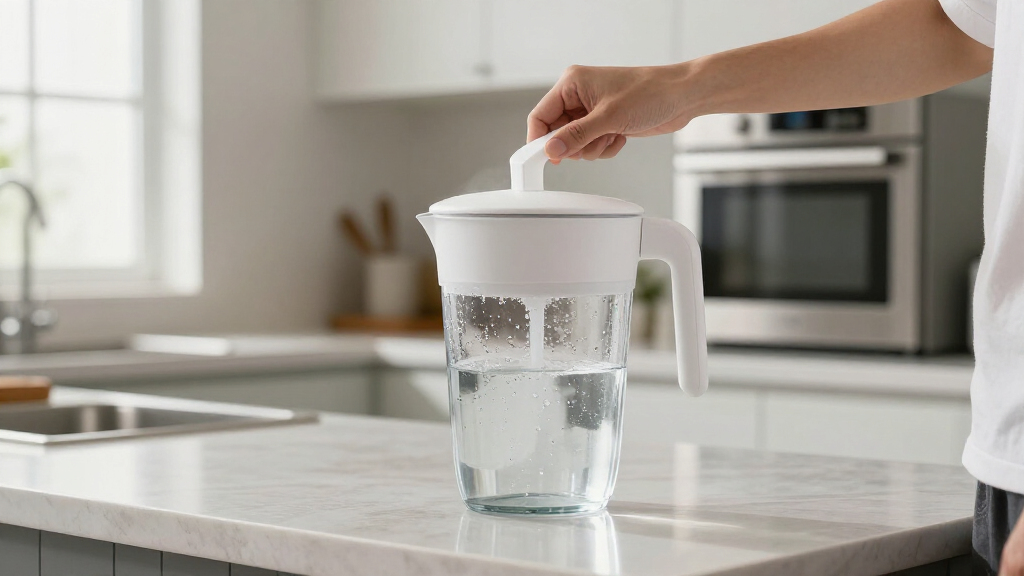
Filtered water offers a good compromise—less buildup than tap water but still more affordable than distilled.
Regular cleaning is essential, regardless of water type, to prevent mold and bacteria growth.
Check your local water report to understand mineral levels before choosing tap or filtered water.
For sensitive children or allergy sufferers, investing in distilled water can improve indoor air quality.
What is the difference between tap, filtered, and distilled water?
Tap water is what flows from your sink, loaded with minerals like calcium and magnesium. These minerals can cause deposits inside your humidifier, leading to clogs or mineral dust in the air. If not addressed, these mineral deposits can impair the humidifier’s efficiency, reduce its lifespan, and lead to frequent cleanings. Filtered water has been treated to remove some impurities, using systems like activated carbon or reverse osmosis, which significantly reduces mineral content but doesn’t eliminate it entirely. This means some mineral buildup can still occur over time, especially if your water is particularly hard. Distilled water is created by boiling water and capturing the pure vapor, removing nearly all minerals, bacteria, and impurities. This makes it the cleanest option, virtually eliminating mineral deposits and reducing maintenance needs. The tradeoff is that it’s more costly and less convenient to produce or purchase regularly.
For example, a parent using tap water might notice white, chalky residue inside the humidifier after a month. Conversely, a parent who switches to distilled water sees no buildup and cleaner mist, which can be especially important for sensitive or allergy-prone children.
As an affiliate, we earn on qualifying purchases.
How mineral content affects your humidifier and indoor air
High mineral content in tap water leads to mineral deposits, or ‘scale,’ inside the humidifier. These deposits can act like tiny abrasive particles that damage internal components, cause clogs, and require more frequent cleaning or repairs. Over time, this buildup can also impede airflow or the functioning of fans and vents, reducing the device’s efficiency. Additionally, when the humidifier releases mist, mineral dust can disperse into the air, settling on furniture or being inhaled. These tiny particles can irritate sensitive lungs, particularly in babies or children with asthma or allergies, exacerbating respiratory issues. Using distilled water almost eliminates this problem. Since it lacks minerals, the mist produced is free of mineral dust, making it safer for vulnerable respiratory systems and extending the device’s lifespan. This not only improves air quality but also decreases the frequency of maintenance and repairs needed, ultimately saving time and money. The tradeoff is that distilled water is more expensive and less accessible, so understanding the impact of mineral content helps you make informed choices based on your priorities and budget.
Practical step: If you’re noticing white residue or increased cleaning needs, consider switching to distilled or filtered water to reduce mineral buildup and prolong your humidifier’s life.
As an affiliate, we earn on qualifying purchases.
Which water type extends your humidifier’s life and reduces cleaning?
Distilled water is the clear winner for longevity because its purity prevents mineral deposits that can clog filters and vents. When the humidifier operates with distilled water, mineral buildup is nearly eliminated, meaning the device stays cleaner longer and requires less frequent maintenance. For instance, a study from BabyUI shows that humidifiers using distilled water need cleaning just once every four weeks, compared to weekly cleanings with tap water. This reduction in cleaning frequency not only saves time but also reduces the risk of mold and bacteria growth, which can compromise air quality. Filtered water also reduces mineral buildup but doesn’t eliminate it entirely; some minerals may still pass through filters, leading to gradual accumulation. Regular maintenance remains necessary, but the overall wear and tear on the device is less severe than with tap water. Practical takeaway: Investing in distilled water can be cost-effective in the long run by reducing repairs and extending the lifespan of your humidifier. Set a cleaning schedule based on your water type—less frequent with distilled, more frequent with tap or filtered water—to keep your device performing optimally.
In summary, while filtered water offers a good compromise, distilled water provides the best protection against mineral buildup, ensuring your humidifier functions optimally for longer periods with less hassle.
humidifier mineral deposit cleaner
As an affiliate, we earn on qualifying purchases.
As an affiliate, we earn on qualifying purchases.
What about health and air quality? Is mineral dust harmful?
Mineral dust from tap water can settle on furniture and surfaces, and more importantly, be inhaled into your child’s lungs. Tiny mineral particles can irritate sensitive respiratory tissues, trigger coughing, congestion, or exacerbate asthma symptoms. Over time, continuous dispersal of these particles can contribute to chronic respiratory issues or worsen existing allergies. According to an anonymous researcher at BabyUI, mineral dust emissions can be over 90% lower when using distilled water, greatly reducing these health risks. For babies and children with developing respiratory systems, minimizing exposure to mineral dust is crucial. Practical tip: To improve indoor air quality, switch to distilled water or use high-quality filters to minimize mineral dust, especially in rooms with poor ventilation. Regularly monitor your humidifier for signs of mineral buildup or dust dispersal, and clean it accordingly. Remember, the goal is to create a safer environment—using distilled water is a simple step toward that.
Practical action: If your humidifier produces visible mineral dust or your child’s respiratory issues worsen, prioritize switching to distilled water and enhance room ventilation to protect their developing lungs.
humidifier water purification system
As an affiliate, we earn on qualifying purchases.
As an affiliate, we earn on qualifying purchases.
Frequently Asked Questions
Is it safe to use tap water in my humidifier?
It depends. Tap water with high mineral content can cause buildup and disperse mineral dust into the air, which might irritate your child’s lungs or reduce your humidifier’s lifespan. If your water is very hard, consider using filtered or distilled water instead.Should I always use distilled water?
For the cleanest mist and least maintenance, yes. But if your tap water is soft and your humidifier is easy to clean, filtered water can be a practical compromise. Always follow your device’s manufacturer guidelines.Can filtered water be a good middle ground?
Absolutely. High-quality filters, like reverse osmosis, significantly reduce mineral content, making filtered water nearly as good as distilled for preventing buildup and dust. It’s a smart choice if you want to balance cost and cleanliness.How often should I clean my humidifier?
At least once a week, regardless of water type. Regular cleaning prevents mold, bacteria, and mineral buildup that can affect air quality and device longevity.What health risks come with using mineral-rich water?
Mineral dust can irritate respiratory systems, especially in children or allergy sufferers. Consistent dispersal of these particles could contribute to coughing, congestion, or asthma flare-ups over time.Conclusion
Your choice of water impacts your humidifier’s health and your child’s air quality more than you realize. When in doubt, opting for distilled water means fewer worries about buildup or mineral dust. After all, a cleaner mist isn’t just about maintenance—it’s about peace of mind during those quiet, sleep-deprived nights.Evergreen bestsellers Picks
bestsellers
As an affiliate, we earn on qualifying purchases.