
TL;DR

Turn the school run and nap time into listening time
- Thousands of audiobooks, podcasts and originals
- Listen on your phone, tablet or Echo — also offline
- Cancel anytime
In small nurseries, vertical storage, multi-purpose furniture, and regular decluttering transform chaos into calm. Focus on what maximizes space and safety. Less clutter, more peace.
Prioritize vertical storage—wall shelves, hooks, and hanging organizers dramatically increase space.
Choose multi-purpose furniture like cribs with drawers or convertible pieces to maximize every inch.
Declutter regularly—every few months—to prevent overwhelming chaos and keep only essentials.
Use light colors and simple decor to make a small nursery feel larger and calmer.
Always secure heavy furniture and keep hazards out of baby’s reach for safety.
Nursery Organization for Small Spaces: What Actually Helps
Less clutter, more peace. Vertical storage, multi-purpose furniture, clear zones, and a repeatable decluttering rhythm can turn even an 8-by-8-foot room into a calm, functional nursery.
Five moves that earn their space
In a small nursery, every object competes for the same limited floor area. Start with the changes that improve capacity, access, calm, and safety at once.
Use the walls
Add secured shelves, hooks, pegboards, and hanging organizers. Keep frequently used supplies visible and leave the floor open.
Make furniture work twice
Choose a crib with drawers, a storage bench, or a changing surface with shelves. One footprint should solve two needs.
Declutter by season
Sort clothing, toys, and gear every three to four months. Remove outgrown, unused, or duplicated items before they become background clutter.
Keep the palette light
Soft neutrals, restrained wall art, simple furniture, and one small rug reduce visual noise and help the room feel more spacious.
Give routines a home
Designate compact areas for sleep, changing, feeding, and play. A rug, wall tone, or storage unit can create a boundary without adding walls.
Organize for safety
Anchor heavy furniture, lock hazardous supplies, manage cords, and keep small objects out of reach. Storage is useful only when it is stable.
Choose by access, footprint, and risk
The strongest setup combines solutions rather than forcing one container type to handle everything.
| Storage type | Floor space | Best use | Access | Watch for |
|---|---|---|---|---|
| Wall-mounted shelves | ✓ Uses none | Diapers, wipes, books, display items | ✓ Highly visible | ~ Secure installation and weight limits |
| Under-crib drawers | ✓ Uses hidden space | Linens, spare clothes, toy rotation | ~ Low-level access | ~ Ventilation and crib clearance |
| Stackable bins | ~ Small footprint | Sorted toys, clothing sizes, supplies | ✓ Flexible and labeled | ✗ Can become unstable or cluttered |
| Hanging organizer | ✓ Uses none | Diapers, socks, soft accessories | ✓ Quick reach | ~ Keep cords and straps controlled |
| Convertible furniture | ~ One shared footprint | Sleep, changing, and long-term storage | ✓ Everyday use | ~ Confirm stability in every mode |
✓ Strong fit ~ Requires planning ✗ Higher clutter or safety risk
Spend space where it returns the most
These values are practical planning weights: they show where small-room organization usually gains the most usable capacity.
The floor-clear rule
Move storage upward before adding another cabinet. Keep daily essentials near the changing zone, store backups above or below, and preserve a clear movement path.
Crib, low visual stimulation, clear safe perimeter.
Daily supplies within adult reach, hazards locked away.
Comfortable seat, soft lighting, minimal side storage.
Small rug, limited toy selection, easy-reset bins.
The calm-room chain
Each improvement supports the next. Organization works best as a connected routine, not a one-time styling project.
Keep only what is useful, loved, or needed soon.
Sort items by routine, size, and frequency of use.
Move secured storage upward and clear the floor.
Place each category where its routine happens.
Return items daily and declutter every few months.
A repeatable decluttering rhythm
A short review every three to four months prevents unused clothing, toys, and equipment from consuming the room.
The four-way sort
Used now and assigned to a clear nursery zone.
Toys and books that can return later as a fresh selection.
Next-size clothing or near-future gear, labeled by date or size.
Outgrown, duplicated, unused, or unsuitable items to donate or recycle.
Safety is part of the storage system
Tight rooms magnify tipping, falling-object, cord, and choking risks. Review the room whenever storage or furniture changes.
Secure dressers, bookcases, and tall storage to the wall.
Use shelf lips and keep heavy items off high open shelves.
Store medicine and cleaning products high and behind a lock.
Keep cords, straps, small parts, and choking hazards controlled.
Check shelves, hooks, bins, and convertible furniture for stability.
Preserve easy movement between the crib, door, and changing area.
Small-nursery questions, answered
Use these practical rules when deciding what to add, remove, or reposition.
How do I organize a very small nursery?
Use vertical storage, select multi-purpose furniture, keep surfaces clear, and limit the room to current essentials.
What works best for toys and clothes?
Combine labeled stackable bins, hanging organizers, and ventilated under-crib drawers. Rotate toys instead of displaying everything.
Which furniture saves the most space?
Look for cribs with drawers, fold-away changing surfaces, storage benches, and modular pieces that adapt as the child grows.
How often should I declutter?
Review the room every three to four months, and do a faster reset whenever clothing sizes or developmental needs change.
Can storage be more sustainable?
Choose durable modular furniture, bamboo or recycled wood, non-toxic finishes, and containers that can serve new purposes later.
How do I make the room feel larger?
Use light colors, simple silhouettes, limited decor, a clear floor path, and visual zones that make the layout easy to understand.
A small nursery does not need more things—it needs better placement. Lift storage off the floor, combine functions, edit regularly, and secure everything. The result is a room that feels calmer, works harder, and adapts as your child grows.
How to Use Vertical Space and Keep Essentials Off the Floor
Vertical space is your best friend in a tiny nursery. Think wall-mounted shelves, hanging organizers, and pegboards. For example, a set of sturdy wall shelves above the changing area can hold diapers, wipes, and creams, freeing up the dresser.
Hooks and hanging baskets can store toys, hats, and small clothes, keeping the floor clear. When you add a hanging organizer for diapers or clothes, it’s like adding a closet without taking up extra square footage.
Imagine hearing the soft rustle of fabric as your baby kicks, while all the essentials are within arm’s reach on the wall. Using vertical space maximizes every inch, making your small nursery feel more open and less cluttered.
nursery wall shelves for small spaces
As an affiliate, we earn on qualifying purchases.
As an affiliate, we earn on qualifying purchases.
Smart Storage Solutions That Save Space and Reduce Clutter
In a small nursery, every piece of furniture should serve more than one purpose. Think cribs with built-in drawers or changing tables with shelves underneath.
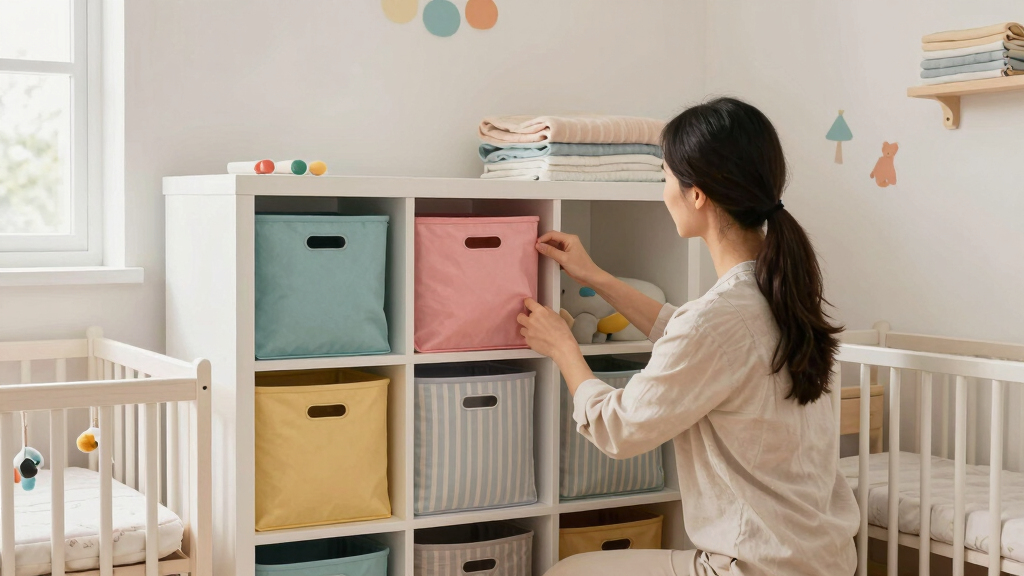
Use stackable bins, labeled baskets, and under-crib storage to keep toys, clothes, and accessories organized. For example, a set of three clear plastic bins can hold different categories of toys—stacked neatly in a corner or on a shelf.
Here’s a quick comparison:
| Storage Type | Pros | Cons |
|---|---|---|
| Wall-mounted shelves | Maximize vertical space, keep essentials visible | Requires secure installation, limited weight |
| Under-crib storage | Utilizes unused space, easy to access | Needs proper ventilation and safety checks |
| Stackable bins | Flexible, customizable, easy to label | Can become cluttered if not organized |
Combining these solutions helps you keep everything tidy without sacrificing space or safety.
multi-purpose nursery furniture with storage
As an affiliate, we earn on qualifying purchases.
As an affiliate, we earn on qualifying purchases.
How to Keep Clutter Away Without Losing What You Need
Clutter creeps in fast, especially when space is tight. Regularly declutter by sorting toys, clothes, and gear every few months. This routine isn’t just about tidiness; it’s about maintaining a functional space that adapts to your child’s changing needs. Rotating toys keeps your nursery fresh and manageable, preventing overstimulation and clutter accumulation. If you haven’t touched that stuffed bear in six months, it’s probably time to pack it away—less is more, and clutter can overwhelm both you and your baby.
Create a dedicated zone for sleeping, changing, playing, and feeding. Use rugs or different wall colors to visually separate these areas. For example, a soft, muted green for sleep and a bright, cheerful yellow for play can create a mental boundary, making the space feel larger and more organized. These visual cues help you and your baby understand the purpose of each zone, reducing chaos and making daily routines smoother.
Remember, less is more. Keep only what you need and love. Everything else can go into storage or be donated. This practice not only declutters physically but also creates a calmer mental space. An organized nursery supports your peace of mind and your baby’s sense of security—less chaos equals more calm and focus on what truly matters.
As an affiliate, we earn on qualifying purchases.
Designing a Nursery That Feels Spacious and Calm
Color and decor choices dramatically impact how small a space feels. Light, neutral tones like soft gray, beige, or pastel blue make a room seem larger and more serene. Heavy, dark furniture can absorb light and make the space feel cramped, so choosing airy, simple pieces is key. Minimal decor isn’t just about aesthetics; it reduces visual clutter, which can make the room feel more open and peaceful. Think carefully about each item—every piece should serve a purpose or add meaningful charm.
Keep decor minimal—think a few meaningful wall art pieces or a cozy mobile over the crib. Use a small, plush rug to define the sleeping zone without overwhelming the space. The goal is to create a visual flow that invites calmness and openness. Well-chosen colors and simple decor can trick the eye into perceiving more space, making your nursery feel larger than its actual dimensions.
Imagine a nursery with a pale blue wall, a white crib with sleek lines, and a simple storage bench. It looks airy, calm, and well-organized—even if it’s only 8 feet by 8 feet. That’s the power of thoughtful design combined with smart storage. The key is balancing style with function, so the room remains uncluttered and soothing.
As an affiliate, we earn on qualifying purchases.
Safety Comes First: How to Store Things Safely in a Small Nursery
Safety is non-negotiable, especially in a tiny space where hazards can be magnified. Securing heavy furniture like dressers and bookshelves to the wall prevents tipping accidents that could cause injury. Additionally, keeping cords, small toys, and choking hazards out of reach is essential to prevent accidents. In small nurseries, clutter can hide dangers, so regular safety checks are crucial to identify and mitigate risks.
Use safety latches on cabinets and drawers to prevent accidental spills or injuries. Store cleaning supplies and medicines in high, locked cabinets—never leave these accessible. Ensuring all storage units are stable and secure minimizes the risk of furniture tipping or items falling, which is especially important in confined spaces where space for escape or avoidance is limited. For example, a sturdy wall-mounted shelf with a lip keeps books and toys from falling, while a lockable cabinet stores cleaning supplies safely out of baby’s reach. Safety and organization go hand in hand to give you peace of mind, knowing your nursery is both functional and secure.
Frequently Asked Questions
How can I organize a nursery in a very small room?
Focus on vertical storage, choose multi-purpose furniture, and keep only the essentials. Clear surfaces and smart use of wall space make a tiny room feel more open.What are the best storage solutions for toys and clothes?
Stackable bins, hanging organizers, and under-crib storage drawers work well. Label everything to keep clutter under control and make cleanup easier.How do I keep the nursery safe while maximizing storage?
Secure heavy furniture to the wall, avoid sharp edges, and keep cords and small items out of reach. Regular safety checks are key to a secure space.What are space-saving furniture options?
Look for cribs with built-in drawers, fold-away changing tables, and wall-mounted shelves. These help free up floor space while keeping essentials close.How often should I declutter the nursery?
Aim for every three to four months. Regular decluttering keeps the space manageable, ensures safety, and makes room for new essentials.Conclusion
A small nursery doesn’t have to mean chaos. With clever use of vertical space, multi-purpose furniture, and regular decluttering, you create a peaceful haven that feels bigger than it is. Trust that less truly becomes more when every piece earns its place—your calm, organized space is just a few smart choices away. When you walk into that room, let it be a reminder: even tiny spaces can be big on love and calm.Cold & flu season Picks
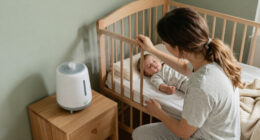
humidifiers
As an affiliate, we earn on qualifying purchases.