
TL;DR

Turn the school run and nap time into listening time
- Thousands of audiobooks, podcasts and originals
- Listen on your phone, tablet or Echo — also offline
- Cancel anytime
A computer enthusiast has reconstructed and executed a 1996 Windows-based operating system in machine code on a custom-built Am29000-based machine. This development showcases efforts to revive vintage software on modern DIY hardware, with technical and historical significance.
A hobbyist has successfully recovered and executed a Windows-based operating system from 1996 in machine code on a custom-built Am29000 architecture. This effort highlights a rare revival of vintage software on modern homebrew hardware, emphasizing technical skill and historical preservation.
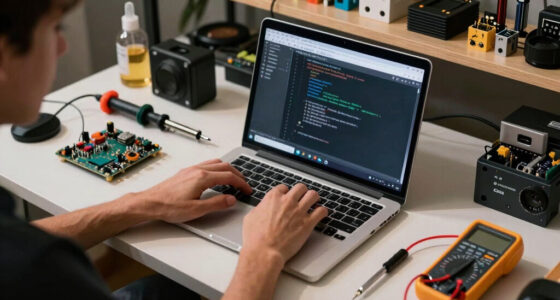
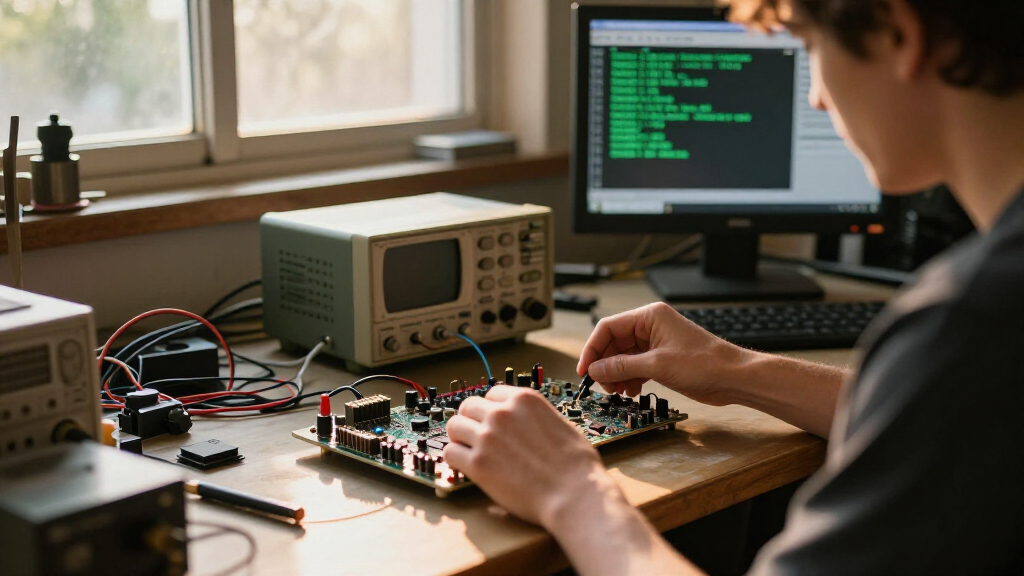
The developer, known online as ‘RetroCoder’, managed to disassemble and reconstruct the original machine code of a 1996 Windows OS, specifically designed for the Intel-based architecture, and adapted it to run on a homebuilt computer using the Am29000 RISC processor. This processor, typically used in embedded systems, was chosen for its compatibility with the developer’s custom hardware design.
According to RetroCoder, the process involved reverse-engineering the original binary, translating it into machine code compatible with the Am29000 architecture, and overcoming significant challenges related to hardware emulation and memory management. The successful boot-up of the OS was confirmed via visual output on the custom display setup, with further work underway to enable full functionality.
While the project remains in the experimental stage, the developer has posted videos and technical documentation detailing the process, including the challenges faced and solutions devised, offering a rare glimpse into vintage software revival efforts.
Implications for Vintage Computing and Software Preservation
This achievement underscores the potential for preserving and experiencing vintage operating systems through modern DIY hardware. It demonstrates that with sufficient technical skill, enthusiasts can revive and run legacy software, providing insights into early graphical interfaces and system architectures. Such efforts contribute to digital preservation, allowing future generations to study and appreciate the evolution of personal computing.
Moreover, this project highlights the versatility of the Am29000 processor in hobbyist applications beyond its typical embedded use, opening avenues for further experimentation with vintage software on custom hardware platforms.
Vintage Windows 95 computer hardware
As an affiliate, we earn on qualifying purchases.
As an affiliate, we earn on qualifying purchases.
Historical and Technical Background of the Revival Effort
The 1996 Windows OS, likely Windows 95 or 98, represented a significant milestone in graphical user interfaces and consumer computing. However, running such systems today generally requires emulators or vintage hardware, which are often scarce or fragile.
The developer’s project began as a personal challenge to understand and document the machine code of the OS and adapt it to a modern, self-made platform. The choice of the Am29000 processor, a RISC chip introduced in the late 1980s and used in specialized systems, was driven by its open architecture and availability in hobbyist circles. Prior efforts in vintage software revival have mostly focused on emulation or direct hardware preservation, making this approach notable for its direct machine code execution.
There is no evidence yet that this is the first such attempt, but it is among the most comprehensive efforts to run a full vintage Windows OS in native machine code on custom hardware.
“Reconstructing and running this OS on a custom Am29000 machine was a complex but rewarding challenge. It’s a step toward preserving the hardware and software history of early Windows systems.”
— RetroCoder (hobbyist developer)
As an affiliate, we earn on qualifying purchases.
Uncertainties About Full System Stability and Future Functionality
It is not yet clear whether the reconstructed OS can achieve full stability or run all intended applications. The project remains in early testing stages, with ongoing work to enable networking, device drivers, and user interface refinement. The long-term viability of this approach compared to emulation or hardware preservation is also uncertain.
As an affiliate, we earn on qualifying purchases.
Next Steps in Hardware Optimization and Software Functionality
The developer plans to refine the machine code translation, optimize hardware emulation, and enable additional features such as networking and multimedia support. Future milestones include achieving a fully operational Windows environment with user input, software compatibility, and peripheral support. Sharing detailed technical documentation and potential open-source tools is also anticipated to help other enthusiasts replicate or build upon this work.
As an affiliate, we earn on qualifying purchases.
Key Questions
Why is running a 1996 Windows OS on custom hardware significant?
It demonstrates the possibility of preserving and experiencing vintage software directly at the machine code level, beyond emulators or original hardware, enriching understanding of early graphical systems.
What hardware was used for this project?
The project used a custom-built computer based on the Am29000 RISC processor, typically used in embedded systems, adapted for this specific purpose by the developer.
Can this approach be applied to other vintage operating systems?
Potentially, yes. The success depends on the ability to reverse-engineer the OS’s machine code and adapt it to compatible hardware architectures, which varies by system.
Is this the first time a Windows OS has been run on such hardware?
There are few known efforts of this kind, but this project is among the most detailed attempts to run a full Windows OS in machine code on custom hardware, making it a notable development in vintage computing circles.
Source: hn
Fall Picks
fall essentials
As an affiliate, we earn on qualifying purchases.