
TL;DR
Prime for Young Adults — start your free trial
Fast free delivery, streaming and member deals for eligible 18–24 year olds.
Try it freeAs an affiliate, we earn on qualifying purchases.
Search interest is increasing in parents, especially religious mothers, disapproving of children saying ‘Oh my God.’ The trend highlights ongoing tensions around language and faith in families. The full reasons and scope remain unclear.
Online search interest has surged in recent weeks regarding parental disapproval of children saying ‘Oh my God,’ with many reports highlighting that religious mothers are particularly upset by this phrase. The trend underscores ongoing tensions between religious beliefs and contemporary language use, though specific causes and the scope of the concern remain unconfirmed.
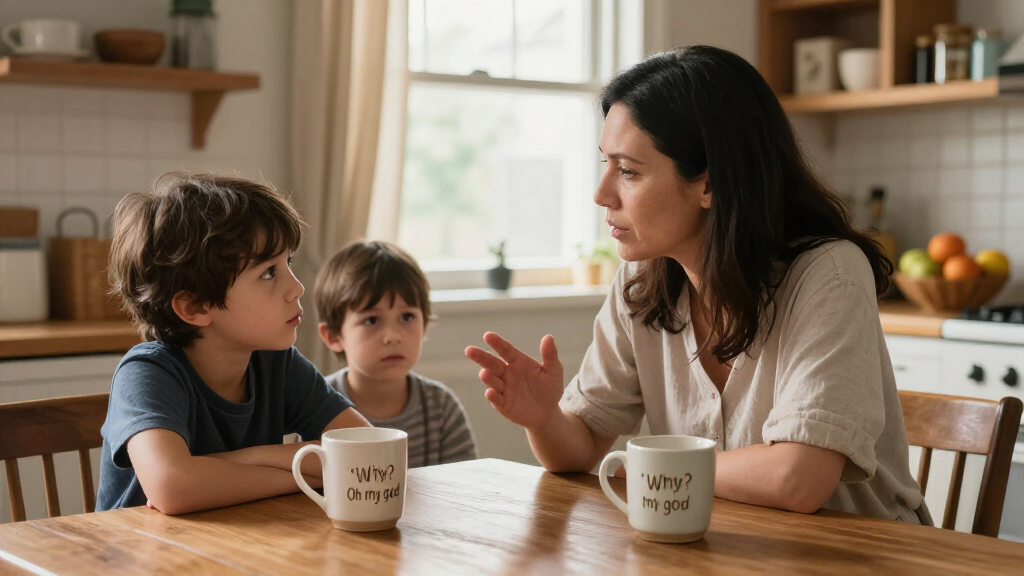
Multiple sources indicate that parents, especially those with strong religious backgrounds, express discomfort or anger when their children use the phrase ‘Oh my God.’ This phrase, common in everyday speech, has become a point of contention among some religious communities, who view it as disrespectful or inappropriate given their faith perspectives.
Recent online searches and social media discussions suggest that this concern is particularly prominent among Christian, Muslim, and Jewish parents, who see the phrase as a form of irreverence or blasphemy. However, there is no confirmed data on how widespread these reactions are or whether they are increasing overall, only that interest in the topic is currently spiking.
Experts note that this trend may reflect broader debates about language, respect, and religious sensitivities in multicultural and secular societies. Some parents report feeling conflicted between allowing natural speech development and adhering to their faith’s standards of speech and behavior.
Impact of Religious Values on Children’s Language
This trend highlights ongoing cultural and religious tensions around language use in family settings. For many religious parents, phrases like ‘Oh my God’ are seen as disrespectful, which can lead to conflicts about freedom of expression versus faith-based values. The rising online interest suggests that these concerns resonate with a broader demographic, potentially influencing parenting norms and social expectations.
Understanding this tension is important for grasping how faith influences everyday language and behavior in increasingly diverse societies. It also raises questions about how families navigate modern speech habits while respecting religious beliefs.
children's language development books
As an affiliate, we earn on qualifying purchases.
As an affiliate, we earn on qualifying purchases.
Religious Sensitivities and Language Norms in Families
The phrase ‘Oh my God’ has become a common exclamation in many cultures, often used to express surprise, shock, or emphasis. Despite its popularity, it has long been viewed as problematic within certain religious communities, which see it as taking God’s name in vain, a violation of religious commandments.
Historically, religious groups have emphasized the importance of respectful speech about the divine, leading some parents to discourage or reprimand children for using such language. Recent discussions on social media and parenting forums indicate that this issue remains contentious, especially as children increasingly use casual language in digital and face-to-face interactions.
The current spike in search interest appears to be driven by parents’ desire to instill religious values or to manage conflicts when children use the phrase in everyday situations. The trend may also reflect broader societal debates about free speech, respect, and religious expression.
As an affiliate, we earn on qualifying purchases.
Extent and Causes of the Rising Concern
It is not yet confirmed how widespread this concern truly is or whether the spike in searches reflects a genuine increase in parental disapproval or simply heightened online discussion. The scope of the issue across different communities and age groups remains unclear, and no official surveys or studies have been published to quantify the trend.
kids' respectful speech training tools
As an affiliate, we earn on qualifying purchases.
As an affiliate, we earn on qualifying purchases.
Monitoring Ongoing Discussions and Cultural Shifts
Experts and social researchers will likely observe whether this concern persists or diminishes over time. Future surveys may reveal whether more parents, especially within religious communities, are adopting stricter language standards for children. Additionally, discussions in parenting forums and religious organizations could influence how families address language and faith in daily life.
Meanwhile, educators and community leaders may consider how to navigate respect for religious sensitivities while promoting free expression among youth.
parenting books on faith and language
As an affiliate, we earn on qualifying purchases.
As an affiliate, we earn on qualifying purchases.
Key Questions
Why do some religious parents object to children saying ‘Oh my God’?
Many religious parents view the phrase as taking God’s name in vain, which they consider disrespectful and contrary to their faith’s teachings. They may see it as a form of irreverence that should be discouraged in children.
Is this concern common across all religious groups?
While reports suggest that Christian, Muslim, and Jewish parents are particularly concerned, there is no definitive data confirming how widespread the issue is across different faiths or secular families.
Does the trend indicate a generational shift in language use?
It is too early to determine if this is part of a broader generational change or specific to certain communities. The current spike in interest may reflect increased awareness or debate rather than a measurable shift in behavior.
Are there any official guidelines on this issue?
No official guidelines exist; reactions are primarily based on individual or community beliefs about respectful speech and religious teachings.
What should parents do if their children say ‘Oh my God’?
Parents may choose to discuss their beliefs and explain why they find the phrase problematic, encouraging children to use alternative expressions that align with their family values.
Source: rss
Fall Picks
fall essentials
As an affiliate, we earn on qualifying purchases.