
TL;DR

Turn the school run and nap time into listening time
- Thousands of audiobooks, podcasts and originals
- Listen on your phone, tablet or Echo — also offline
- Cancel anytime
Smart bassinets come with features like automated rocking, sleep tracking, and soothing sounds. They can help busy parents get more sleep, but their value depends on your budget and needs. For many, the tech’s convenience outweighs the extra expense.
Smart bassinets with automation and sleep tracking can extend sleep by up to 30%, according to BabyUI.
They are especially helpful for busy parents managing multiple children, offering peace of mind and convenience.
Cost is a major factor; these bassinets typically range from $150 to over $300, so weigh benefits against your budget.
Safety checks are essential — always verify certifications and proper setup before use.
Traditional bassinets remain a perfectly valid choice, especially if your first baby slept well without tech.
What Exactly Do Smart Bassinets Do That Regular Ones Don’t?
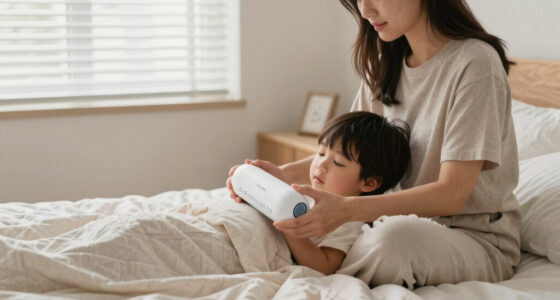
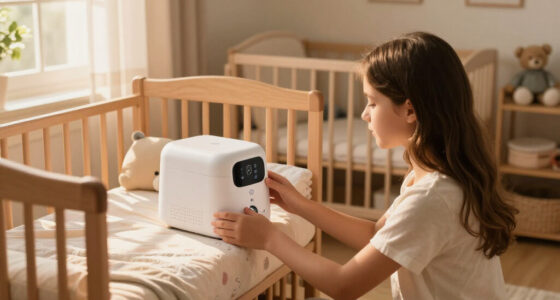
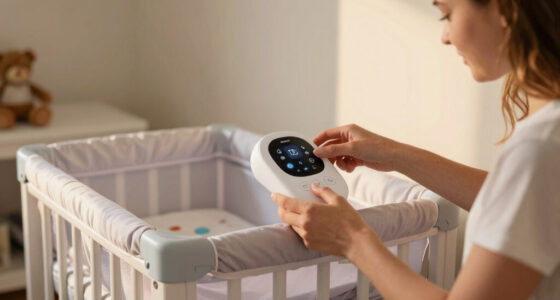
Smart bassinets are packed with tech that standard bassinets just can’t match. They automatically rock your baby to sleep, monitor their movements, and sometimes even track sleep patterns via an app. Imagine lying in bed, glancing at your phone, and seeing your little one’s sleep data — all while the bassinet gently sways.
For a second baby, these features can mean fewer midnight checks and longer stretches of rest for you. But it’s not just about convenience — it’s about creating a calming, consistent environment that promotes better sleep habits. The automation can help establish a routine that signals sleep time, which is crucial for developing healthy sleep patterns. Additionally, sleep tracking provides insights that can help you identify issues early, such as discomfort or irregular sleep, allowing for timely adjustments. However, reliance on technology also introduces potential points of failure—battery life, connectivity, or software glitches—which could disrupt sleep if not managed properly. Understanding these core functionalities helps parents weigh whether the benefits of automation and monitoring align with their parenting style and comfort with tech.
Popular right now

Ninja DualZone Smart Air Fryer, 10 Qt, 6-in-1, DZ950

De'Longhi Dinamica Plus Fully Automatic Espresso Machine

iRobot Roomba 105 Vac Robot Vacuum
As an affiliate, we earn on qualifying purchases.
Are Smart Bassinets Actually Useful for a Second Baby?
Yes, in many cases, they can make life easier. When you’re juggling a toddler and a newborn, anything that automates part of the routine feels like a lifeline. For example, a parent might set the bassinet to rock gently when the baby fusses, saving a trip down the hall. Sleep tracking can also alert you early if your second baby’s sleep patterns change or if they’re unwell. This early detection can be critical in catching illnesses or discomfort before they escalate, giving you peace of mind and more control over your child’s health.
Beyond convenience, these features can have profound implications for your overall well-being. For instance, if the tech helps you identify subtle changes in your baby’s sleep or fussiness patterns, it can alert you to potential health issues before they become more serious. This early warning system can reduce parental anxiety and allow for quicker interventions. However, it’s important to recognize that technology isn’t a cure-all. Some parents may find that the added features don’t significantly change their routine if their first child already slept well or if they prefer instinct-based caregiving. The tradeoff involves balancing the desire for reassurance and automation against the potential for over-reliance on devices that may or may not improve actual sleep quality or health outcomes.
How Do Smart Bassinets Compare to Traditional Ones?
| Feature | Traditional Bassinet | Smart Bassinet |
|---|---|---|
| Cost | $50–$150 | $150–$300+ |
| Automation | None | Yes, rocking & vibrations |
| Sleep Monitoring | Not availableBuilt-in sensors & app tracking | |
| Soothing Sounds & Lights | Usually noOften included | |
| Portability | VariesMany are lightweight & portable |
When comparing these options, it’s important to understand that the higher cost of smart bassinets isn’t just for the tech features—it’s also about the potential for better sleep routines and peace of mind. Automation can help establish consistent sleep cues, which might lead to quicker settling and longer sleep stretches. Sleep monitoring provides data that can inform your caregiving decisions, but it’s not a substitute for attentive observation. The portability of many smart models means you can take them on trips or move them easily within your home, adding flexibility that traditional bassinets may lack. Ultimately, the decision hinges on whether these added features justify the expense and how much value you place on technological intervention versus simple, traditional care.
What Are the Real Downsides of a Smart Bassinet?
Smart bassinets aren’t perfect. They cost significantly more, often double or triple the price of a basic model. This higher price can be a barrier for many families, and it’s important to consider whether the added features truly translate into better sleep or health outcomes. The increased expense means you need to evaluate whether the benefits justify the investment, especially if budget constraints are tight. Sometimes, the reliance on electricity and connectivity can limit where and how you use the bassinet—power outages or connectivity issues could interrupt its functions, potentially causing frustration or gaps in monitoring. Additionally, the complexity of these devices means they are more prone to technical glitches or software bugs, which can be stressful if they interfere with sleep routines or monitoring. Safety is another consideration; electronic devices must meet safety standards to prevent hazards like overheating or electrical faults. Weighing these downsides against the potential benefits is crucial, especially since some families may find traditional bassinets more reliable, less expensive, and easier to maintain. Recognizing these tradeoffs allows you to make a more informed decision that aligns with your family’s priorities and comfort level with technology.
Will a Smart Bassinet Help My Second Baby Sleep Better?
Many parents report that smart bassinets help extend sleep stretches and reduce fussiness. For example, a mom found her second baby slept 30% longer when using the gentle rocking and white noise features. But results vary — some babies simply prefer different routines or environments. The effectiveness often depends on how well the tech aligns with your baby’s individual preferences and needs. If your baby responds positively to rhythmic motion and soothing sounds, a smart bassinet can reinforce sleep cues and create a more predictable environment, leading to longer rest periods.
Beyond individual responses, the implications of these features can influence your overall sleep quality and mental health. For example, if the tech helps you identify patterns or early signs of discomfort, it can reduce nighttime anxiety and help you respond more promptly. However, it’s essential to understand that no device can guarantee better sleep for every baby. Factors like temperament, health, and environmental consistency play significant roles. The key is whether the added tech creates a calming, predictable, and safe sleep space that your baby can associate with rest. If it does, it’s worth trying, especially if you’re exhausted from frequent night wakings. But be prepared to adjust routines if your baby shows resistance or if the tech doesn’t seem to make a difference over time, recognizing that technology is a tool, not a guarantee.
Is a Smart Bassinet a Good Investment for Your Family?
That depends on your budget and priorities. If you’re already stretched thin, the convenience and sleep tracking might be worth the extra cost, especially if it helps reduce your stress and improves your sleep quality. It can provide a sense of security, knowing that your baby’s sleep and health are being monitored continuously. However, if your financial situation is tight and your first baby slept well without any tech, a traditional bassinet may serve just as well without additional expense. Think about whether the features will genuinely improve your routines or if they might lead to overdependence on technology, potentially overshadowing instinctual caregiving. The long-term value also matters—will the tech help you establish better routines, or is it a temporary convenience? Weighing these factors against your family’s unique circumstances will help determine if the investment aligns with your parenting goals and financial comfort, ensuring you’re making a choice that supports your overall well-being.
How to Decide if a Smart Bassinet Is Right for Your Second Baby
- Assess your budget: Are you willing to spend $200–$300 for added convenience? Consider whether this expense will impact other priorities or savings. Remember, the value of the features depends on how much they enhance your peace of mind and sleep quality, so weigh that against your financial comfort.
- Identify your biggest sleep pain points: Are you struggling with frequent night wakings, fussiness, or difficulty establishing routines? Understanding these challenges helps determine if tech features address your specific needs or if simpler solutions might suffice.
- Research safety standards: Does the model meet recognized certifications? Ensuring safety compliance minimizes risks associated with electronics and mechanical features. Prioritize reputable brands with transparent safety testing.
- Consider your existing nursery setup: Will the bassinet fit well within your space? Is it easy to operate and maintain? Compatibility with your environment influences usability and peace of mind, especially if you plan to use it for extended periods or travel.
- Read real parent reviews: Do others find the features genuinely helpful? Authentic feedback can reveal how the product performs in everyday life, highlighting strengths and potential issues. Look for reviews from parents with similar routines or priorities to yours.
Frequently Asked Questions
Are smart bassinets safe for newborns?
Yes, when used according to manufacturer instructions and safety guidelines, smart bassinets are generally safe. Always check for safety certifications and ensure proper setup before use.
Do smart bassinets really improve sleep?
They can help create a soothing environment and automate routines, which may extend sleep stretches for some babies. Results depend on individual preferences and routines.
Are smart bassinets worth the extra cost?
It depends on your priorities. If you value convenience, sleep data, and automated soothing, they might be a worthwhile investment for your family.
Can I use a smart bassinet with my second baby if I already have a traditional one?
Absolutely. Consider whether the added features will truly benefit your routine or if the traditional model suffices based on your previous experience.
What are the potential downsides?
The main downsides include higher cost, reliance on electronics, and possible technical issues. Regular safety checks and proper charging are essential to keep everything running smoothly.