
TL;DR

Turn the school run and nap time into listening time
- Thousands of audiobooks, podcasts and originals
- Listen on your phone, tablet or Echo — also offline
- Cancel anytime
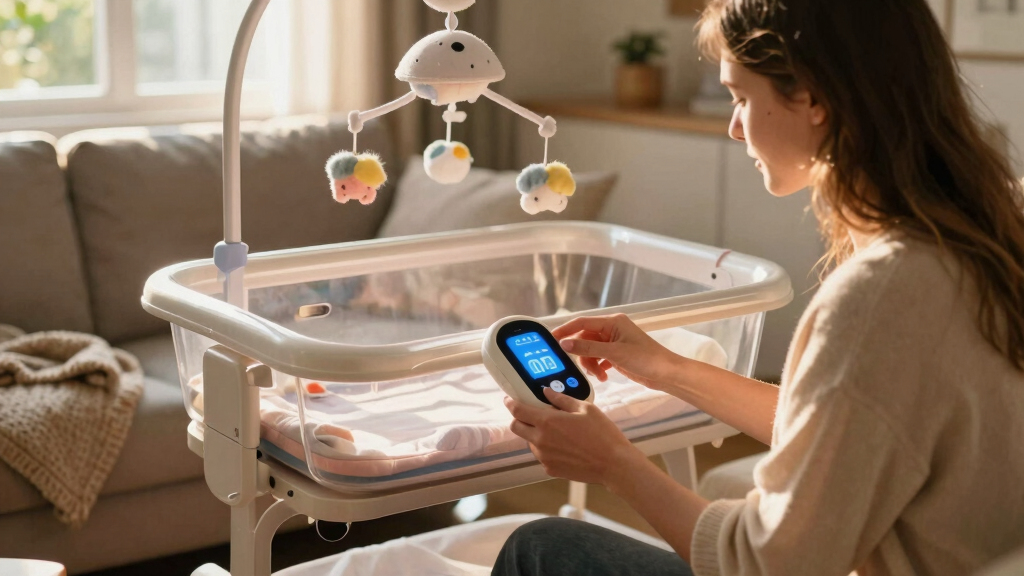
Deciding to rent or buy a smart bassinet depends on your budget, how long you’ll need it, and your interest in the latest tech. Renting is flexible and affordable short-term; buying offers ownership and long-term savings.
There’s a lot to consider when choosing a smart bassinet. You might feel overwhelmed by features, costs, and whether to rent or buy. But making the right choice isn’t about the latest gadget; it’s about what fits your family’s rhythm and budget.
In this guide, you’ll learn the real differences between renting and buying, including how costs stack up, what features matter, and when each option makes sense. By the end, you’ll have a clear picture of what’s best for your little one — and your wallet.
Rent if you need a short-term solution, want flexibility, or want to test different models before buying.
Buying a smart bassinet pays off long-term if you plan to use it for multiple children or over an extended period.
Prioritize safety certifications and maintenance routines, regardless of renting or owning.
Smart features can add convenience but also extra cost—decide which will genuinely benefit your family.
Follow a simple decision process: assess your timeline, budget, feature needs, and safety standards.
How to Decide What Fits Your Baby, Budget, and Nights
TL;DR: Renting is flexible and affordable for short-term needs. Buying can save more over time if you plan to use the bassinet longer, reuse it for another child, or want full ownership of your nursery setup.
Most parents compare the first payment, but the real decision lives in the timeline.
Start with the tradeoff: flexibility versus long-term value.
Renting means paying monthly to use a bassinet temporarily. Buying means owning it outright, maintaining it, and keeping it available for future use.
Your timeline is short or uncertain
Renting works well for the first few months, travel, temporary sleep setups, or testing a model before committing.
You expect repeat or extended use
Buying is stronger when you plan to use the bassinet for multiple children or want nursery gear available on demand.
Put safety ahead of smart features
Confirm certification, review cleaning instructions, inspect cords and sensors, and watch for recalls or safety notices.
The practical comparison parents actually need.
Use this table to compare cost, convenience, upgrades, maintenance, and control before choosing a smart bassinet path.
| Factor | Renting | Buying | Decision Signal |
|---|---|---|---|
| Upfront Cost | ✓ Lower monthly entry point | ~ Higher one-time payment | Rent if cash flow matters most right now. |
| Long-Term Value | ~ Adds up if used for many months | ✓ Stronger for reuse and multiple children | Buy when your expected use is long. |
| Flexibility | ✓ Switch, return, or upgrade more easily | ✗ You keep what you bought | Rent if you want to test models. |
| Maintenance | ✓ Often handled by rental provider | ~ Fully your responsibility | Ask rental companies about cleaning and inspection. |
| Latest Tech | ✓ Many programs allow upgrades | ~ Upgrade only when you replace it | Rent if newest features are important. |
A quick decision flow for calm, confident choosing.
Move through timeline, money, features, safety, and convenience. The right answer is the one that matches your family rhythm.
Assess Timeline
Will you need it for three months, one year, or multiple children?
Compare Budget
Choose monthly flexibility or a one-time ownership cost.
Evaluate Features
Pick only the sleep tracking, rocking, sound, or app tools you will use.
Check Safety
Confirm ASTM, JPMA, recalls, reviews, cords, sensors, and cleaning.
Decide Convenience
Choose upgrade flexibility or permanent access in your nursery.
Smart tech helps most when it simplifies your routine.
Sleep analytics, app controls, gentle rocking, white noise, temperature sensors, and breathing alerts can be useful, but each feature adds cost and upkeep.
Features tied to daily relief
- Gentle rocking if soothing is a nightly challenge.
- White noise if it reduces separate devices in the room.
- Sleep tracking if you will review patterns and adjust routines.
- Environmental sensors if temperature or room conditions concern you.
Features that may become clutter
- App dashboards if you rarely use phone-based baby tracking.
- Advanced analytics if they increase anxiety rather than clarity.
- Premium connectivity if your nursery Wi-Fi is unreliable.
- Automations that make cleaning or maintenance harder.
Cost break-even intuition
Every good choice connects safety, money, and daily use.
The best bassinet is not the most advanced one. It is the safest option that fits your timeline, budget, maintenance habits, and tolerance for tech.
Timeline
Short-term needs lean rental. Repeated use leans purchase.
Budget
Monthly payments reduce entry cost. Ownership can lower lifetime cost.
Safety
Certification, cleaning, inspection, and recalls matter either way.
Use
Pay for smart features only when they improve your actual nights.
Common questions before you commit.
Safety depends less on renting versus buying and more on standards, condition, correct use, and consistent maintenance.
Is it safer to rent or buy?
Either can be safe if the product meets standards, is properly maintained, and is used according to the manufacturer instructions.
Are smart bassinets worth it?
They can be worth it when monitoring, rocking, or environmental controls reduce stress and support better sleep routines.
Can I upgrade if I rent?
Many rental programs allow model switches or upgrades, which is useful if you want newer features without buying again.
What risks should I watch?
Watch for data privacy concerns, sensor reliability, cords, cleaning issues, wear, broken parts, and missing safety certifications.
What’s the real difference between renting and buying a smart bassinet?
Renting a smart bassinet means paying a monthly fee to use it temporarily. Buying means owning it outright and keeping it as long as you want. The big difference? Flexibility versus long-term value.
Imagine renting as borrowing your neighbor’s bike for a weekend — easy and cheap for short trips. Buying is like investing in your own bike, ready whenever you want to ride.
Here’s a quick comparison:
| Feature | Renting | Buying |
|---|---|---|
| Cost | Lower upfront, monthly payments | Higher initial, one-time payment |
| Flexibility | High — switch models or cancel anytime | Lower — once purchased, it’s yours |
| Usage Duration | Best for short-term or trial | Ideal for long-term or multiple children |
| Upgrades | Usually available during rental | You decide when to upgrade |
smart bassinet with safety certifications
As an affiliate, we earn on qualifying purchases.
As an affiliate, we earn on qualifying purchases.
How do smart features influence your choice?
Smart bassinets come with features like sleep tracking, gentle rocking, and app controls. These can make sleepless nights easier, but they also add cost and complexity.
For example, a model with sleep analytics might cost around $300, but it offers insights into your baby’s sleep patterns—helping you adjust routines. If you’re tech-savvy and want the latest, buying might be worth it. If you’re cautious about overloading your budget, renting a model with basic features could suffice.
Recent models also include environmental sensors for temperature and breathing, adding safety but sometimes complicating maintenance. Weigh how much you’ll actually use these features before committing.
Choosing features isn’t just about the initial cost; it’s about how those features impact your daily life. For instance, sleep tracking can help identify sleep disruptions, leading to better routines and more restful nights. However, if you rarely use your phone or aren’t comfortable with tech, these features might be more of a distraction than a benefit. Consider your comfort with technology, your budget, and how much value you place on these added functionalities.
As an affiliate, we earn on qualifying purchases.
When does renting make sense — and when does buying pay off?
Rent a smart bassinet if your needs are short-term — say, during the first six months after birth, or if you’re traveling. Renting also makes sense if you want to try different models without commitment.
For example, if you’re unsure about investing $400 in a bassinet because you only plan to use it for three months, renting at $50 per month might save money. It allows you to test features, brands, and functionalities without a long-term commitment, helping you determine what works best for your family.
Buying is better if you plan to use the bassinet for multiple children or over a longer period. Think about it like buying a quality stroller: the more kids you have, the more it pays off. Additionally, owning gives you the freedom to customize or upgrade your setup gradually, and to keep the bassinet as part of your nursery for future use, which can be more economical in the long run. The tradeoff is higher upfront cost and the responsibility of maintenance, but for long-term use, this often results in better value.
As an affiliate, we earn on qualifying purchases.
What safety and maintenance issues should you watch out for?
Safety is king with any baby product, especially smart bassinets. Whether renting or buying, confirm it meets safety standards like ASTM or JPMA. Regular maintenance and cleaning are essential to keep it safe and functioning.
For example, if you rent, ask about the company’s cleaning and inspection process. If you buy, set a routine to check sensors, cords, and fabric for wear and tear. This ongoing attention ensures the product remains safe and operational, minimizing risks associated with malfunctioning or outdated equipment.
Faulty sensors or broken parts can pose risks, from false alarms to safety hazards. Always follow manufacturer instructions for cleaning and maintenance, and stay alert for recalls or safety notices that might affect your product. Proper upkeep not only extends the lifespan of your bassinet but also provides peace of mind, knowing your baby sleeps in a safe environment. Remember, safety isn’t just about certification — it’s about consistent, diligent maintenance.
best smart bassinet for multiple children
As an affiliate, we earn on qualifying purchases.
As an affiliate, we earn on qualifying purchases.
How to decide? A quick step-by-step guide
- Assess your timeline: Will you need the bassinet for 3 months or 3 years?
- Compare your budget: Can you afford a one-time purchase or prefer manageable monthly payments?
- Evaluate features: Which smart features are must-haves for your family?
- Check safety and reviews: Is the product certified? Do other parents recommend it?
- Think about convenience: Do you want flexibility to upgrade or switch models?
Follow these steps, and you’ll clarify which option aligns with your family’s needs—and your peace of mind.
What’s the bottom line? A quick summary
Choosing between renting and buying a smart bassinet isn’t about one being better — it’s about what works for your situation. Renting offers flexibility, lower short-term costs, and easy upgrades. Buying gives long-term savings, ownership, and the ability to use it across multiple children.
Think about your budget, how long you’ll need the bassinet, and which features matter most. That’s the key to making a confident choice.
Frequently Asked Questions
Is it safer to rent or buy a smart bassinet?
Safety depends on the product’s compliance with safety standards and proper maintenance, whether you rent or own. Always verify certifications like ASTM or JPMA, and follow manufacturer instructions.Are smart bassinets worth the investment?
They can offer valuable features like sleep monitoring and environmental controls, but traditional bassinets also provide safe sleep environments. Consider your budget and whether the tech benefits will truly ease your nights.How do I know if I should rent or buy?
Assess your intended usage duration, budget, desire for flexibility, and interest in smart features. Short-term needs lean toward renting; long-term plans favor buying.Can I upgrade to newer models if I rent?
Many rental programs allow you to switch or upgrade models during your rental period, making it easy to stay current with the latest features.What are common safety concerns with smart bassinets?
Risks include data privacy issues, reliance on sensors that may malfunction, and ensuring the product meets safety certifications. Regular maintenance and verifying compliance mitigate these concerns.Conclusion
Choosing whether to rent or buy a smart bassinet isn’t about following the trend — it’s about your family’s unique rhythm. Think about your timeline, your budget, and what features will truly make sleepless nights easier.
In the end, the right choice gives you peace of mind and the best start for your little one. Trust your instincts, and remember: it’s not just a bassinet — it’s part of your family’s story.
Fall Picks
fall essentials
As an affiliate, we earn on qualifying purchases.