TL;DR

Turn the school run and nap time into listening time
- Thousands of audiobooks, podcasts and originals
- Listen on your phone, tablet or Echo — also offline
- Cancel anytime
Buying a secondhand smart bassinet can save money, but it’s vital to check safety certifications, physical condition, and tech functionality first. This guide covers the essential questions and steps to make a smart, safe choice.
Always verify safety certifications and check for recalls before buying.
Inspect thoroughly for physical damage and test all smart features in person.
Ask about device age, repair history, and firmware updates to gauge longevity.
Buy from reputable sellers with clear photos and buyer protections.
Be aware that older models may lack recent safety or privacy features, so weigh the risks.
How to Spot Safety Risks in a Secondhand Smart Bassinet
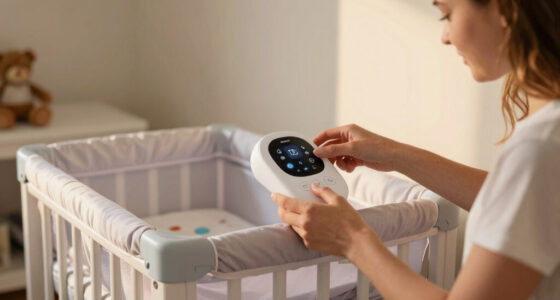
Safety is your top priority. Start by confirming the device meets current safety standards like ASTM or CPSC. Look for visible damage — cracks, broken parts, or loose wires. Ask about recalls or past issues. For example, a bassinet with a cracked frame or frayed wiring could pose serious risks. Test all sensors, alarms, and connectivity features to ensure they work as intended. A faulty sensor might not alert you if your baby stops breathing, defeating the purpose of a smart device. Remember, no tech replaces supervision, but safety checks can prevent accidents. Recognizing potential hazards early helps you avoid devices that could malfunction or cause injury, which is especially critical given the vulnerability of infants. While a device might appear intact, internal wiring or sensors could be compromised, increasing risks without obvious signs. Therefore, understanding the implications of these safety issues guides you to make more informed, cautious decisions, ultimately protecting your baby and your peace of mind.secondhand smart bassinet safety certification
As an affiliate, we earn on qualifying purchases.
As an affiliate, we earn on qualifying purchases.
What a Secondhand Smart Bassinet’s Condition Tells You
Physical wear and tear can hide bigger problems. Inspect thoroughly for cracks, rust, or mold on fabric and plastic parts. Check the mattress and fabric covers — are they clean and free from stains or pests? Ask the seller how old the device is and if it’s had repairs. A well-maintained unit shows signs of gentle use, indicating it was cared for properly, which often correlates with better internal condition and fewer hidden issues. Conversely, heavy wear suggests neglect or past damage, raising questions about potential internal electronic failures or compromised structural integrity. For instance, faded fabric and loose stitching might mean the device has endured rough handling, possibly affecting internal wiring or sensors. Remember, electronics inside these devices are delicate; external appearance can be deceiving. If the device looks good on the outside but has internal corrosion or damaged circuitry, it could malfunction unexpectedly. Carefully assessing the condition helps you avoid devices that look fine but are unsafe or unreliable, ensuring your investment is both safe and durable.As an affiliate, we earn on qualifying purchases.
How to Test All the Smart Features Before You Buy
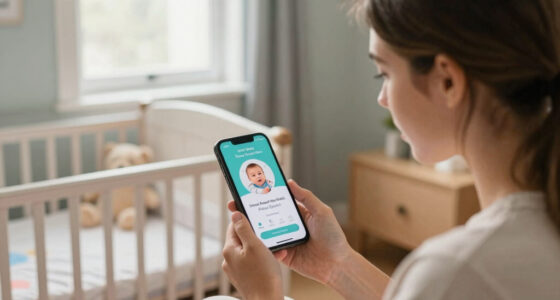
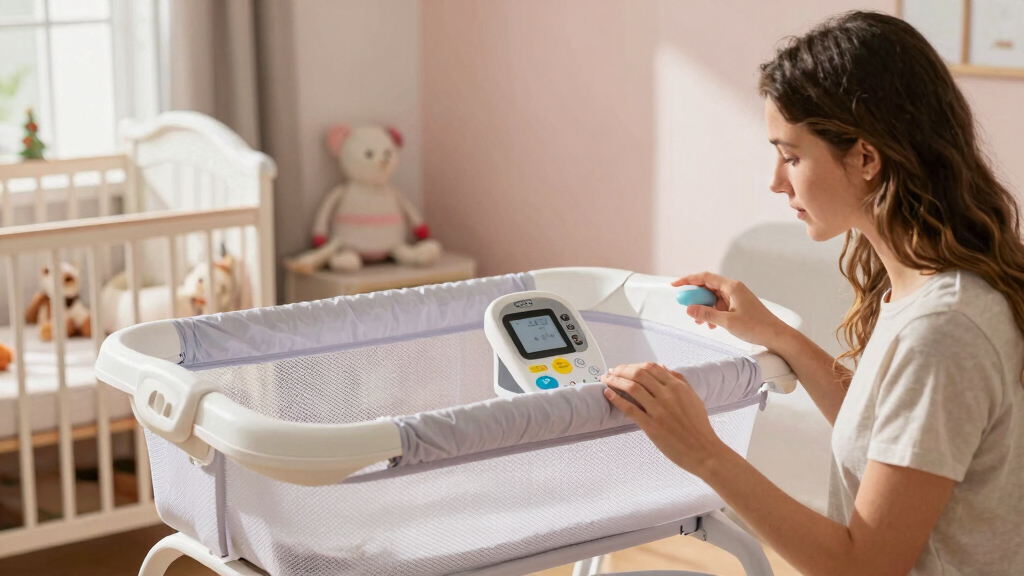
Secondhand smart bassinets rely on sensors, apps, and connectivity. Confirm everything works. Turn on the device and test the lights, vibrations, and white noise functions. Connect it to your smartphone and check if the app syncs smoothly. For example, if the app crashes or the Bluetooth connection is unstable, you might face frustration or missed alerts later. Ask for a demonstration if possible. Firmware updates are a plus — they fix bugs and add features. If updates aren’t available, the device might be outdated or vulnerable to security issues. Testing these features ensures the device functions as intended, which is vital because a malfunctioning sensor or app can compromise your baby’s safety or cause unnecessary stress. Understanding the importance of these features helps you weigh whether the device is worth purchasing. If key features are buggy or unsupported, it could mean ongoing technical problems or security vulnerabilities, so thorough testing is essential to avoid future headaches and ensure peace of mind.baby monitor bassinet with connectivity
As an affiliate, we earn on qualifying purchases.
As an affiliate, we earn on qualifying purchases.
Battery, Power, and Compatibility: Are You Covered?
Smart bassinets need reliable power. Check if the battery holds a charge, and how long it lasts. Some models have rechargeable batteries, others need constant power. Test the battery life to avoid surprises. Also, verify compatibility with your device’s operating system — iOS or Android. An app that’s incompatible or no longer supported could render the smart features useless. For example, a bassinet that only works with an outdated app might leave you with a high-tech device that’s just a fancy crib. Understanding the power options and compatibility ensures you won’t face unexpected failures or need costly replacements shortly after purchase. A device with a weak or unreliable battery could fail at critical moments, like during nighttime use, which diminishes its safety benefits. Compatibility issues might mean you can’t access vital features or updates, leaving you with a device that’s technically obsolete or insecure. Assessing these factors helps you choose a device that will reliably support your baby’s safety and your convenience over the long term.secondhand baby bassinet inspection tools
As an affiliate, we earn on qualifying purchases.
As an affiliate, we earn on qualifying purchases.
How to Ensure Hygiene and Cleanliness
Babies are tiny, vulnerable, and prone to germs. Check that the mattress and fabric covers are clean, free of mold, and pest-free. Ask if covers are removable and washable — a must for keeping things sanitary. For example, a bassinet with a removable, machine-washable mattress cover is much easier to keep fresh. Avoid devices that show signs of water damage or heavy staining, which can harbor bacteria or mold. Good hygiene isn’t just about cleanliness — it’s about your baby’s health. Proper cleaning prevents the buildup of bacteria and mold that can cause infections or respiratory issues. Additionally, a device that is difficult to clean or has non-removable covers may become a breeding ground for germs over time, especially if it’s been used extensively. Prioritizing hygiene ensures your baby sleeps in a safe, healthy environment, reducing the risk of illness and promoting overall well-being. Recognizing these factors helps you select a device that’s not only functional but also safe from health hazards, giving you peace of mind every night.Pricing and Value: Is It Worth the Risk?
Compare the secondhand price with new models. Sometimes, a heavily discounted used device may seem like a bargain — but factor in potential repair costs or missing parts. For example, a $200 used bassinet might need a new sensor or firmware update costing $50-$100. Consider whether the savings outweigh the risks. If the device is rare or discontinued, it might be worth the gamble, but always weigh the safety and functionality first. Evaluating the true value involves understanding that initial savings could be offset by future expenses or safety compromises. A lower price might mean the device is older, has outdated features, or needs repairs that could cost more than a new model. Weighing these tradeoffs helps you determine if the deal is genuinely advantageous or if it exposes your baby to unnecessary risks or your wallet to unexpected costs. Making an informed choice ensures you don’t sacrifice safety for savings, which is ultimately more valuable.How to Choose a Trustworthy Seller for Secondhand Smart Bassinets
Buy from reputable sources — certified resellers, trusted online marketplaces with buyer protections, or personal recommendations. Always ask for lots of photos, especially of serial numbers, labels, and the electronic components. For example, a seller who provides clear photos of the serial number and the wiring harness shows they’re transparent. Avoid deals that seem too good to be true or sellers who can’t provide detailed info. Meeting in person allows you to inspect the device closely. Buying smart tech secondhand is a risk, but reputable sellers reduce it. Ensuring the seller is trustworthy reduces the chances of receiving a device with hidden defects or tampered components. Transparency through detailed photos and honest descriptions helps you assess the device’s true condition before purchase. In-person inspections allow you to verify physical and electronic integrity, minimizing risks associated with online-only transactions. Choosing a reliable seller is a crucial step in ensuring your investment is safe and the device is in good condition, giving you confidence in your purchase.Latest Developments Making Secondhand Smart Bassinets Safer
Newer models feature better sensors for breathing and movement, with automatic alerts that can notify you instantly. Connectivity has improved, allowing integration with smart home systems or more intuitive apps. Battery technology is advancing with longer-lasting, safer power options. Eco-friendly fabrics and better data privacy controls are also becoming standard. For example, some bassinets now have built-in encryption for baby data, addressing privacy concerns. These advancements mean that buying a recent model could give you more peace of mind, but older devices might lack these features. Understanding these innovations helps you weigh whether a newer device provides significant safety benefits over older models. While recent models often incorporate the latest safety and privacy features, it’s essential to consider whether an older device still meets your needs or if the technological gaps pose risks. Staying informed about these developments allows you to make smarter purchasing decisions, prioritizing your baby’s safety and your peace of mind.Key Facts You Need to Know About Secondhand Smart Bassinets
- Market growth: The smart bassinet market is expanding rapidly, with a growth rate of around 20% annually.
- Safety standards: Despite added tech, safety standards remain vital; no smart feature replaces vigilant supervision.
- Risks of secondhand: Nearly 40% of used baby gear, including smart bassinets, have undisclosed issues or recalls.
- Cost savings: Buying secondhand can cut costs by 30-50%, but requires careful inspection to avoid hidden problems.
Questions Parents Actually Ask About Secondhand Smart Bassinets
- Are secondhand smart bassinets safe for my baby? Safety depends on their condition and whether they meet current standards. Inspect thoroughly and verify certifications.
- What should I look for when buying used? Physical damage, electronic functionality, safety compliance, and device compatibility are key. Always ask for detailed photos.
- Can I update or repair an older device? Firmware updates are often possible on newer models, but repairs can be costly or limited for older ones.
- Are there risks with buying used? Hidden damage, outdated features, or privacy issues. Buy from trusted sources, and ask questions.
- How do I protect my baby’s data privacy? Reset to factory settings, update firmware, and change passwords. Review privacy policies carefully.
Frequently Asked Questions
Are secondhand smart bassinets safe for my baby?
Safety depends on the device’s condition, compliance with current safety standards, and proper functioning. Always inspect thoroughly and verify certifications before buying.What should I look for when buying a used smart bassinet?
Check for physical damage, test all smart features, verify safety certifications, and ensure compatibility with your devices. Detailed photos and seller transparency matter.Can I update or repair a secondhand smart bassinet?
It depends on the model. Firmware updates are often available for newer devices, but repairs can be costly or limited for older models. Always ask the seller about support.Are there any risks associated with buying secondhand smart bassinets?
Risks include hidden damage, outdated safety features, or privacy concerns. Buying from reputable sources and inspecting thoroughly reduces these risks.How do I ensure data privacy with a secondhand smart bassinet?
Reset the device to factory settings, update firmware, and change passwords. Review the manufacturer’s privacy policies to protect your baby’s data.Conclusion
A secondhand smart bassinet can be a smart buy if you do your homework. Think of it like a high-tech treasure hunt — the better your inspection, the safer your baby sleeps. Ultimately, safety and peace of mind should come first, no matter how tempting the deal.Cold & flu season Picks
humidifiers
As an affiliate, we earn on qualifying purchases.