TL;DR

Turn the school run and nap time into listening time
- Thousands of audiobooks, podcasts and originals
- Listen on your phone, tablet or Echo — also offline
- Cancel anytime
Red night lights emit light that minimally disrupts melatonin, making them ideal for sleep. Amber lights are softer and also sleep-friendly but may have a slightly higher impact. Both are better than blue or white lights for nighttime use.
Ever walk into a nursery at 3 a.m. and wonder if that soft glow is messing with your child’s sleep? The color of night lights really matters. It’s not just about how cozy they look—red and amber lights influence melatonin production and circadian rhythms more than you might think.
In this guide, you’ll learn what makes these hues different, how they impact sleep quality, and which features to look for. Because when it’s late, clarity and safety matter more than style.
Red light minimally suppresses melatonin—by up to 60% less than white light—making it ideal for sleep.
Amber lights are softer and cozy, but may slightly impact melatonin more than red.
Choose night lights with adjustable brightness to suit different sleep stages.
Avoid blue or white LEDs—they’re more likely to disrupt circadian rhythms.
Smart night lights offer convenience but check safety features and certifications first.
Red vs Amber Night Lights: What to Know Before Choosing
TL;DR: Red light is generally the least disruptive choice for nighttime sleep support. Amber offers a softer, more natural-looking glow with slightly greater potential impact on melatonin. Both are preferable to bright blue or white light after dark.
Two warm hues, one subtle difference
Color matters because the eye and brain respond differently across the visible spectrum. Intensity, distance and exposure time still matter alongside wavelength.
Deep crimson, minimal signal
Best suited to late-night feeds, diaper changes and brief check-ins when protecting the sleep environment is the priority.
Sunset warmth, easier detail
A balanced option for bedtime routines and comfort lighting when a warmer, more natural appearance is preferred.
| Feature | Red night light | Amber night light |
|---|---|---|
| Wavelength | 620–750 nm | 590–620 nm |
| Melatonin impact | ✓Minimal | ~Low, but potentially higher |
| Color tone | Deep crimson or dark red | Warm orange-yellow |
| Best use | Deep sleep, feeding, changing | Wind-down routines, comfort |
| Visibility | Lower; preserves darkness | Higher; easier visual detail |
| Ideal control | ✓Adjustable and dimmable | ✓Adjustable and dimmable |
Brightness can matter as much as color
Think of these bars as a relative disruption guide rather than a universal clinical measurement. Dimmer, shorter and indirect exposure remains the safer nighttime strategy.
Use the lowest practical setting. Point the light toward the floor or wall rather than the crib, bed or child’s eyes. A well-placed dim light supports caregiver safety without flooding the room.
Choose for the job, then check the details
Start with purpose before comparing apps, colors or decorative designs. The sleep environment should remain calm, predictable and safely navigable.
Define the purpose
Sleep support, comfort, feeding or safe movement?
Select the hue
Red for minimum disruption; amber for softer visibility.
Test the dimmer
Confirm the lowest setting is genuinely low and stable.
Verify safety
Look for secure switches, safe materials and certification.
Place indirectly
Keep light near the task, never aimed into sleeping eyes.
Favor red
A very dim red light offers enough orientation while helping the room retain its nighttime character.
Amber works well
The cozy, sunset-like tone can support reading, settling and the transition from activity to sleep.
Balance both
Choose adjustable output or red-to-amber control when tasks require different levels of visual detail.
Features worth paying attention to
Smart functions can be useful, but reliable dimming, safe construction and simple controls have greater everyday value.
Adjustable brightness
Fine-grained dimming lets one light support settling, feeding and quick safety checks without unnecessary glare.
True red or amber mode
Check that the nighttime setting does not mix in visible blue or bright white LEDs.
Child-aware construction
Prioritize shatterproof covers, non-toxic materials, secure controls and appropriate product certifications.
Compact, indirect design
A small footprint and shielded output make it easier to illuminate the floor or changing area without eye-level light.
Long-life LED power
Efficient LEDs reduce replacements. Plug-in, rechargeable and battery options each suit different placements.
Timers and motion sensing
Automatic shutoff and gentle activation can reduce total exposure when configured without sudden brightness changes.
Convenience is useful only when the basics are right
App control, voice commands and schedules can prevent disruptive trips across the room. Confirm that the light remembers a dim red or amber setting after power loss and cannot jump to bright white during reconnection.
From wavelength to a calmer night
Why Red and Amber Lights Are Better for Sleep Than White or Blue
Red and amber lights are less likely to interfere with your child’s melatonin levels—making them sleep-friendly choices. Red light, in particular, emits in the 620-750 nm range, which the body perceives as less disruptive. This range is associated with the body’s natural light-dark cycle, meaning exposure to it during night hours is less likely to send signals to stay awake. Imagine a candle’s flickering glow versus a fluorescent bulb—one feels calming, the other jarring.
Studies show that exposure to red light at night can suppress melatonin by up to 60% less than white or blue light. This difference is significant because melatonin is essential for signaling to the body that it’s time to sleep. Less suppression means your child’s sleep cycle remains more aligned with natural rhythms, leading to longer, more restful sleep, which is crucial for growth and development. The tradeoff, however, is that red lighting may reduce visibility slightly, so caregivers need to balance sleep support with practicality.
As an affiliate, we earn on qualifying purchases.
How Red and Amber Night Lights Affect Your Child’s Sleep
Both red and amber lights are considered sleep-friendly because they produce wavelengths that the brain interprets as less alerting. Red light, often the gold standard, minimizes melatonin suppression, which helps maintain the body’s natural sleep-wake cycle. Amber lights, with their warmer hues, also have a calming effect but may slightly increase melatonin suppression compared to pure red. This is because amber contains a broader spectrum of wavelengths that can sometimes include small amounts of higher-energy light, which could be marginally more disruptive.
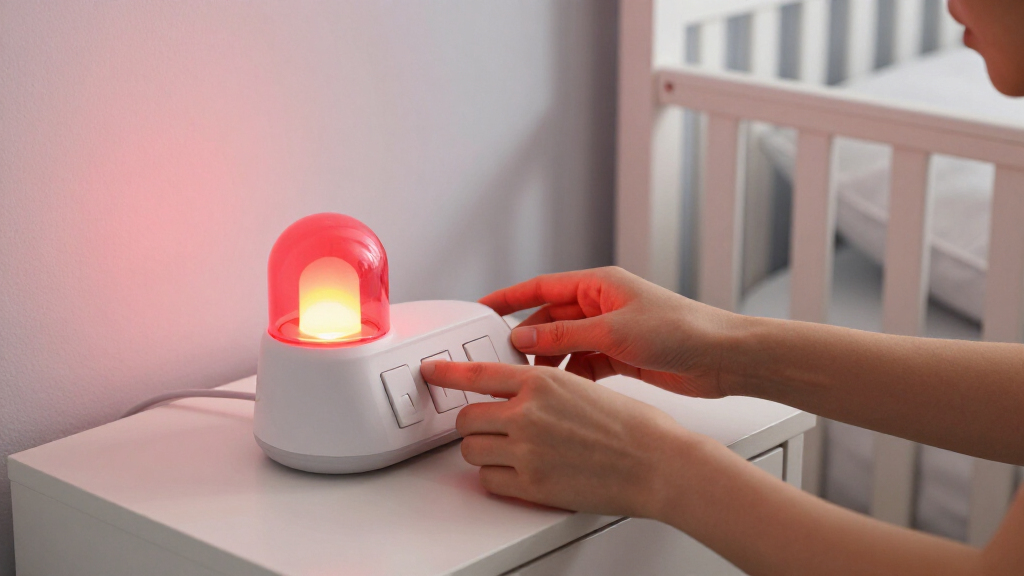
Picture a bedtime scene: a dim red night light casts a deep, calming crimson hue, filling the room with gentle warmth that signals to your child’s brain that it’s time to wind down. An amber light, with its orange-yellow tone, creates a cozy, sunlit feel—offering a softer, more natural glow reminiscent of sunset. Both options help your child feel secure without waking them up or confusing their internal clock, but understanding their subtle differences can help you choose based on your specific needs, such as the level of visibility or the ambiance you prefer.
As an affiliate, we earn on qualifying purchases.
Comparing Red and Amber Night Lights Side-by-Side
| Feature | Red Night Light | Amber Night Light |
|---|---|---|
| Wavelength | 620-750 nm | 590-620 nm |
| Impact on Melatonin | Minimal, up to 60% less suppression, supporting deeper sleep | |
| Color Tone | Deep crimson or dark red | Warm orange-yellow |
| Best for | Deep sleep, night feedings, late-night diaper changes | Early bedtime, calming bedtime routines |
| Brightness Options | Adjustable, dimmable | Adjustable, dimmable |
adjustable brightness baby night light
As an affiliate, we earn on qualifying purchases.
As an affiliate, we earn on qualifying purchases.
Choosing the Right Night Light for Your Baby or Toddler
- Decide on the main purpose: sleep support or comfort. Understanding whether you need the light primarily for visibility or for creating a calming environment can influence your choice. For example, a light used during nighttime feedings should be dim and red to avoid waking your child unnecessarily.
- Check if it’s adjustable—brightness matters. The ability to dim or brighten the light allows you to tailor the environment to different times of night or sleep stages, minimizing disruption.
- Ensure it emits red or amber light—avoid blue/white LEDs. Blue and white lights are more likely to interfere with melatonin production, so prioritizing red or amber helps protect your child’s circadian rhythm.
- Verify safety features: shatterproof, child-proof switches. These features reduce risk and ensure the light remains safe even if accidentally knocked over or handled roughly.
- Think about placement: near crib, but not shining directly into eyes. Proper placement ensures the light provides enough illumination for safety without causing discomfort or waking your child unnecessarily.
For example, if your baby wakes up hungry at dawn, a red light that’s dim but visible helps you tend to them without fully waking them up or disrupting their sleep cycle.
As an affiliate, we earn on qualifying purchases.
Recent Tech Trends in Night Lights and What They Mean for You
Smart night lights now connect with your home system—think voice control or remote adjustments via an app. Some offer color-changing modes, letting you switch from red to amber or even white, depending on your mood or needs. These features allow you to customize lighting to match your child’s sleep stage or your own preferences, providing a versatile environment that adapts over time.
Eco-friendly materials and longer-lasting LEDs mean fewer replacements and safer nursery environments. Plus, enhanced safety features like shatterproof covers and child-proof controls keep your little ones safe while sleeping soundly. These innovations reflect a trend toward combining functionality with safety, ensuring your nursery is both modern and secure.
What You Need to Know Before Picking a Night Light
- Look for lights that emit in the red or amber spectrum—avoid blue or white LEDs. These colors are less disruptive to melatonin and support natural sleep cycles, which is crucial for your child’s health and development.
- Choose adjustable brightness to control light levels at different times. Dimming capabilities help you create a soothing environment for sleep and are especially useful during late-night feedings or diaper changes.
- Check safety certifications—CPSC recalls are a good start. Ensuring your night light meets safety standards reduces risks of electrical faults or material hazards.
- Consider smart features if you want remote control or automation. These enable you to modify lighting without disturbing your child’s sleep, adding convenience and flexibility.
- Pick a size and design that fits your nursery or bedroom decor. A compact, unobtrusive design helps maintain a calm, clutter-free environment conducive to restful sleep.
For example, a small, dim red night light with a flexible cord is perfect for late-night feedings without waking the whole house.
Frequently Asked Questions
Is red night light better than amber for sleep?
Red night lights are generally considered better for sleep because they suppress melatonin less than amber or other colors. They create a calming environment that supports deeper, longer rest.Are red night lights safe for children?
Yes, when they are made with non-toxic, child-safe materials and certified safe by safety standards like CPSC. Always check for safety features like shatterproof covers and secure switches.Can night lights disrupt my child’s circadian rhythm?
Yes, especially blue or white lights. Red and amber lights are much less disruptive because they don’t send strong signals to suppress melatonin, helping your child maintain a natural sleep cycle.What brightness level should I choose?
Opt for dim, adjustable lights—around 10-20 lumens—to provide enough visibility without disturbing sleep. Dimmer settings help tailor brightness to different nighttime needs.Are smart night lights worth it?
They can be very convenient, offering remote control, automation, and color options. Just ensure they meet safety standards and have child-proof features before investing.Conclusion
Choosing the right night light isn’t just about color—it’s about supporting your child’s natural sleep rhythm. Red lights are the safest bet for nighttime, but amber can also work well if you prefer a warmer, gentler glow.
When in doubt, prioritize adjustable, safety-certified models that emit in the red or amber spectrum. Because at the end of the day, a good night’s sleep depends on good light choices—and a calm, cozy room makes all the difference.
Fall Picks
fall essentials
As an affiliate, we earn on qualifying purchases.