TL;DR

Turn the school run and nap time into listening time
- Thousands of audiobooks, podcasts and originals
- Listen on your phone, tablet or Echo — also offline
- Cancel anytime
Toddler sleep trainer clocks use simple visual cues like colored lights or images to signal sleep and wake times. They help children learn routines, reduce resistance, and promote independence. Recent models incorporate app connectivity and eco-friendly materials, making them smarter and safer for young kids.
Imagine a device that whispers to your child, ‘It’s okay to get up now,’ without words. That’s essentially what toddler sleep trainer clocks do. These little gadgets are changing how parents approach bedtime battles, turning bedtime into a calm, predictable part of the day.
If you’ve ever wrestled with a child who refuses to stay in bed or wakes too early, you know how exhausting it can be. Sleep trainer clocks offer a simple, visual way to teach your kid when it’s okay to wake up and when to stay in bed. They’re not magic, but with consistent use, they can make a real difference.
Visual cues like colors and images help children understand when to sleep and wake up.
Smart features allow remote adjustments and sleep pattern monitoring, making routines more flexible.
Choose clocks made from safe, non-toxic materials with simple, intuitive controls.
Introduce the clock gradually, using clear explanations and positive reinforcement.
Use the clock as part of a broader sleep routine for best results, not as a standalone solution.
Tiny Signals for Calmer Bedtimes
Toddler sleep trainer clocks turn abstract time into something a young child can see: a red light, a sleepy moon, a green sunrise. Used consistently, they help children learn when to stay in bed, when it is okay to wake up, and how to take a first step toward independent sleep routines.
“It’s okay to get up now,” without saying a word.
That is the core promise: visual cues replace repeated reminders, helping bedtime feel predictable instead of negotiable.Bedtime resistance may drop by up to half with consistent visual cue use.
Some children respond quickly; others need a few steady weeks.
A simple “go” color gives toddlers a concrete morning rule.
A “stay in bed” color supports patience before wake time.
Why pictures beat clock hands
Young children often cannot reason with abstract time. Sleep trainer clocks translate “wait until morning” into clear sensory language: colors, icons, and scheduled changes that repeat night after night.
Color Signals
Green means it is okay to get up. Red or dim amber means sleep time continues. The rule is concrete and easy to repeat.
Sun & Moon Images
A sleepy moon at bedtime and a bright sun at wake time create a story toddlers can understand before they understand numbers.
Fewer Reminders
The clock becomes a neutral reference point, reducing repeated corrections and lowering the chance of bedtime power struggles.
From external cue to inner routine
The device is not magic. Its value comes from repetition: the child sees the same signal, hears the same explanation, receives the same positive reinforcement, and slowly learns the rhythm.
Set the schedule
Parents choose bedtime, nap, and wake windows that match the household routine.
Explain the cue
Simple language connects the visual signal to the expected behavior.
Repeat calmly
Consistent use builds trust in the cue and lowers negotiation.
Grow independence
Children practice waiting, self-regulation, and predictable morning starts.
What separates helpful from frustrating
The best toddler sleep clocks balance simplicity for the child with enough control for the parent. Overly complicated settings can undermine the routine before it has a chance to work.
| Feature | Why It Matters | Best Choice | Watch-Out |
|---|---|---|---|
| Clear visual cue | Children need a signal they can recognize instantly. | ✓ Distinct colors or simple sun/moon images | ✗ Ambiguous icons or dim displays |
| Easy schedule controls | Parents are more likely to stay consistent when setup is simple. | ✓ Bedtime, nap, and wake presets | ~ Menus that require constant reprogramming |
| Safe materials | Devices live in a child’s room and may be handled often. | ✓ Non-toxic materials and safety certifications | ✗ Small loose parts or questionable plastics |
| Sound options | Lullabies or white noise can support transitions. | ~ Gentle, adjustable, optional sounds | ✗ Loud alarms that startle toddlers awake |
| Smart features | Apps can help parents adjust routines and track patterns. | ✓ Remote schedules with privacy-conscious design | ~ Connectivity that adds complexity without value |
The routine effect
The strongest results come when the clock is part of a broader bedtime routine: predictable steps, calm explanations, and positive reinforcement when the child follows the cue.
What consistency can improve
Visual cue clocks are most useful when they reduce repeated parent intervention and make the boundary visible.
Readiness spectrum
Most families introduce a sleep trainer around age two, then adjust expectations as the child matures.
How smart clocks are changing the category
Recent models add app connectivity, personalized visuals, multiple sleep zones, eco-friendly materials, and multifunctional features like nightlights or white noise.
Remote Adjustments
Parents can shift wake times from a phone, useful when naps run long, travel disrupts the day, or routines change unexpectedly.
Sleep Pattern Monitoring
Some clocks track trends such as early waking or night wakings, helping parents adjust routines with evidence instead of guesswork.
Personalized Signals
Custom colors, images, sounds, and nap schedules make the clock easier to tailor to a child’s temperament and family rhythm.
Better Materials
More brands now emphasize non-toxic, durable, and eco-conscious materials for devices used nightly in children’s bedrooms.
How the bedtime loop connects
The clock works best as one visible part of a larger routine. Each step reinforces the next, creating a repeatable pattern the child can trust.
Use it as a routine tool, not a miracle fix
A sleep trainer clock sets the visual boundary. Parents still provide the structure: clear expectations, steady timing, and calm follow-through.
Introduce gradually
Explain the clock during the day first. Practice what each color or image means, then praise the child when they follow the signal at night or in the morning.
Phase out reliance
As children mature, reduce dependence on the device so they build internal sleep cues. The goal is independence, not permanent clock fixation.
How Do Visual Cues Teach Kids When to Wake Up?
Visual cues are the heart of toddler sleep trainer clocks. Think of them as a secret code your child learns to interpret. Most use colors—green means ‘go ahead,’ red means ‘stay put.’ Others display images like a smiling sun or a sleepy moon.
For example, a clock might show a dark moon at bedtime, turning into a bright sun when it’s okay to wake. When your child sees the sun, they learn that it’s morning. This simple visual language helps kids understand what they can do without constant reminders or parental intervention.
Understanding these visual signals is crucial because young children often struggle with abstract concepts like time. Colors and images are concrete cues that match their developmental stage, making routines easier to grasp. This method also reduces the cognitive load on parents, who no longer need to repeatedly remind or discipline, fostering a more peaceful bedtime environment.
Why this matters is because children, especially at a young age, think very concretely. Abstract notions like ‘wait until morning’ are hard for them to understand without visual aids. Using visual cues simplifies their understanding of time, making it more accessible and less frustrating for both child and parent. It helps avoid power struggles that often arise from miscommunication or impatience, creating a more cooperative bedtime experience. However, there’s a tradeoff: children may become overly reliant on these cues, so it’s important to gradually phase out the clock signals as they mature and develop internal cues for waking.
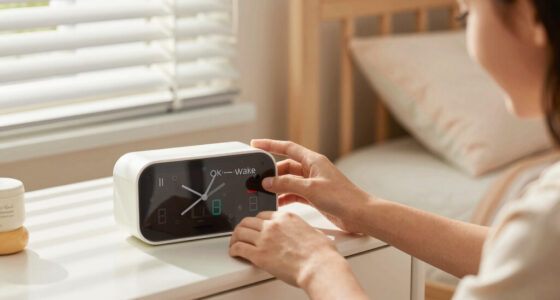
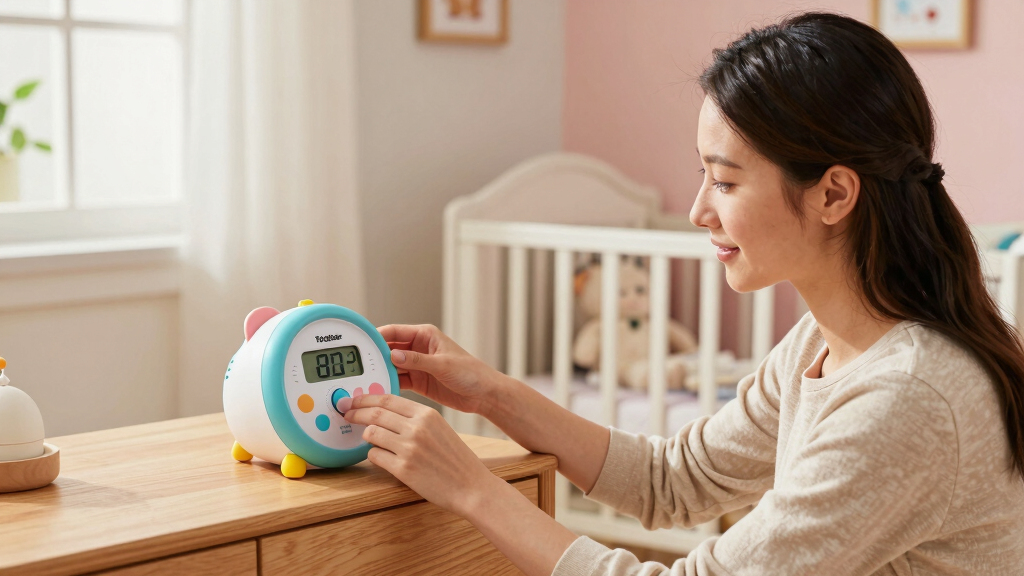
toddler sleep trainer clock with visual cues
As an affiliate, we earn on qualifying purchases.
As an affiliate, we earn on qualifying purchases.
How Do These Clocks Actually Help Your Child Develop Sleep Skills?
Toddler sleep trainer clocks are designed not just to signal when to wake or sleep but to foster essential developmental skills like patience, independence, and self-regulation. When children learn to interpret and trust these visual cues, they start to develop an internal sense of timing—understanding that certain signals mean it’s time to rest and others indicate it’s okay to get up. This internalization encourages them to manage their own sleep routines over time.
This process is significant because it helps children gain control over their impulses—waiting patiently until the clock signals it’s appropriate to wake—an important milestone for emotional regulation and independence. It reduces reliance on external prompts like parental reminders or physical intervention, which can sometimes cause power struggles or frustration, especially if the child is resistant or anxious.
By recognizing the implications, we see that these clocks promote a gradual shift from external control to internal understanding. For instance, a child might wake and see a red moon, indicating sleep is still on, and stay in bed. When the clock switches to a green sun, they understand it’s time to start their day. This repeated pattern helps embed routines into their subconscious, leading to more consistent wake-up times and calmer mornings. The tradeoff here is that children might initially become fixated on the clock signals, so parents should reinforce the routine with verbal explanations and positive reinforcement, ensuring the child learns to trust the cues rather than obsess over the device. Over time, this builds self-confidence and autonomy in managing sleep, which benefits their long-term sleep health and emotional development.
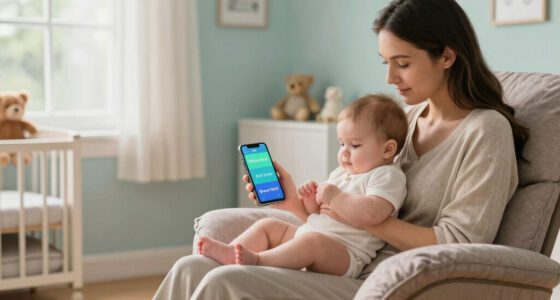
kids sleep training clock app connectivity
As an affiliate, we earn on qualifying purchases.
As an affiliate, we earn on qualifying purchases.
What Features Make the Best Toddler Sleep Clocks?
Not all sleep clocks are created equal, and selecting the right one can significantly influence how effectively it supports your child’s sleep development. The best models strike a balance between simplicity and versatility, ensuring they are user-friendly for parents while offering enough customization to adapt to your child’s evolving needs.
Features that matter include clear visual signals—bright, distinct colors or engaging images that are easily recognizable and distinguishable. These visual cues should be intuitive so that children can quickly interpret them without confusion, which reinforces routine consistency. The ease of setting and adjusting schedules is also crucial; complicated controls can discourage regular use and diminish effectiveness. Durability is another key factor, since these devices will be used nightly and may be handled roughly by curious little hands, so selecting sturdy, well-made products ensures longevity and safety.
Additional features such as customizable schedules allow you to set different wake times for naps and bedtime, which is vital for flexible routines and adapting to your child’s changing sleep needs. Sound options like gentle lullabies or white noise can ease transitions, especially for children sensitive to environmental stimuli, making the routine smoother. Safety certifications and non-toxic materials are non-negotiable; they ensure the device is safe for young children and environmentally friendly. These features, when combined thoughtfully, create a tool that not only promotes understanding and independence but also fits seamlessly into your family’s lifestyle, reducing stress and enhancing sleep quality.
As an affiliate, we earn on qualifying purchases.
How Smart Technology Is Changing Sleep Clocks for Kids
Smart sleep trainer clocks are revolutionizing how parents manage their child’s sleep routines by integrating advanced technology with everyday routines. Connecting to smartphones through dedicated apps, these devices enable remote schedule adjustments, detailed sleep tracking, and personalized visual customization from anywhere. This connectivity provides parents with greater flexibility and control, especially for busy families juggling multiple responsibilities or irregular schedules.
Understanding why this matters is because it allows for more responsive and tailored routines. For example, if a child is experiencing difficulty waking up, parents can adjust the schedule remotely based on sleep data, helping to optimize sleep quality. Over time, analyzing sleep patterns can reveal trends—such as consistent early waking or night wakings—that inform more effective routines. The implication is that these insights can lead to better sleep health for children and less stress for parents, as adjustments are data-driven rather than guesswork.
Some models even sync with smart home systems or sleep monitoring devices, providing a holistic view of the child’s sleep environment. Recognizing these benefits highlights how technology enhances traditional routines but should be used as a supplement rather than a replacement. Overdependence on digital features might cause children to become overly fixated on the clock or technology, potentially undermining their ability to develop internal cues. Therefore, the best approach is to integrate smart features thoughtfully, using them to support, not substitute, consistent routines and gentle guidance.
As an affiliate, we earn on qualifying purchases.
Are These Clocks Safe and Eco-Friendly?
Safety is a top concern when selecting any device for young children. The best toddler sleep clocks are made from non-toxic, BPA-free plastics and materials that meet rigorous safety standards. This reduces the risk of harmful chemical exposure, especially as children often put objects in their mouths or handle devices frequently.
Eco-conscious parents should look for models that use sustainable materials, such as recycled plastics or wood, and energy-efficient LEDs that consume less power. These features not only lessen environmental impact but also promote healthier living spaces by reducing chemical and energy consumption. Choosing devices with safety certifications from reputable organizations ensures that the product has undergone rigorous testing for electrical safety, choking hazards, and other risks. Additionally, considering the longevity of the device is important—durable, well-made clocks that last several years reduce waste and decrease the need for frequent replacements, aligning with eco-friendly values.
For example, a parent shared that their eco-friendly clock, made from sustainably sourced materials, lasted through years of nightly use without degradation or safety concerns. This longevity not only supports environmental sustainability but also ensures ongoing safety, giving peace of mind to parents concerned about potential hazards. Remember, even the safest devices should be placed out of reach and used under supervision until your child is old enough to handle them responsibly. Prioritizing safety and eco-friendliness creates a sleep environment that is both secure and environmentally conscious, which benefits the child’s overall health and well-being.
Frequently Asked Questions
Will my child learn to wake up on time with a sleep trainer clock?
Most children do learn to associate visual cues with wake-up times within a few weeks. Consistency and patience are essential. Remember, every child is different—some catch on quickly, others need more time and encouragement.
Can I use a sleep trainer clock for naps too?
Absolutely. Many clocks allow you to set multiple sleep zones, making them perfect for nap times during the day. This helps reinforce the routine and ensures your child understands when it’s okay to rest versus play.
Are smart sleep clocks safe for young children?
Yes, when you buy from reputable brands that meet safety standards. Look for non-toxic, BPA-free materials and certifications. Always supervise initial use to ensure your child interacts safely with the device.
How long should I keep using a sleep trainer clock?
Use it for as long as your child needs to establish a routine—typically a few weeks to a couple of months. Once your child consistently follows the signals, you can gradually reduce reliance or phase out the clock.
Conclusion
Think of toddler sleep trainer clocks as gentle guides that teach your child to read their own sleep signals. When used consistently, they turn bedtime battles into peaceful routines.
In the end, these devices aren’t just about quiet mornings—they’re about helping your child build confidence in managing their sleep. A calm, well-rested child makes for happier mornings—and more sleep for everyone.
Halloween Picks
halloween
As an affiliate, we earn on qualifying purchases.