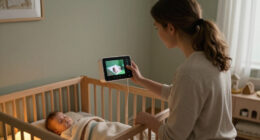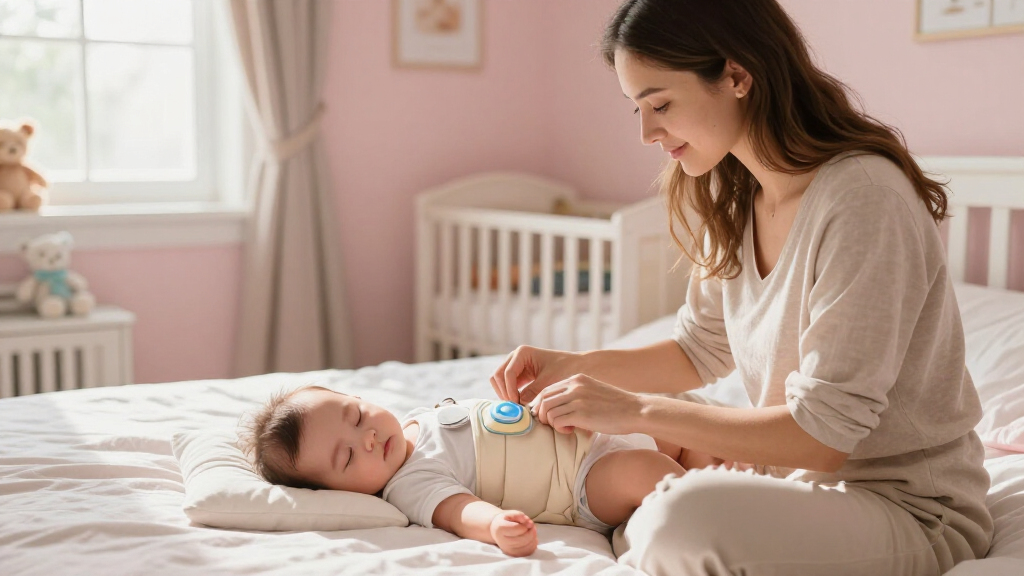
Finding the best baby wearables for sleep tracking can be overwhelming with so many options on the market. The Owlet Dream Sock stands out as the overall best choice, offering reliable sleep data and a comfortable fit. The Sense-U Pro monitor is a strong contender for parents prioritizing breathing and sleep position alerts, while the Owlet Dream Sight combines high-definition video with sleep tracking for a comprehensive view. Buyers should weigh factors like comfort, data accuracy, and ease of use, as tradeoffs often involve price versus features or simplicity versus detailed insights. Continue reading for a detailed breakdown of each option and how they compare.

Turn the school run and nap time into listening time
- Thousands of audiobooks, podcasts and originals
- Listen on your phone, tablet or Echo — also offline
- Cancel anytime
Complete the kit


Key Takeaways
- The top picks excel in combining sleep tracking with vital sign monitoring, but tradeoffs exist between device complexity and affordability.
- Comfort and wearability are crucial, especially for prolonged use; some devices prioritize snug fit while others emphasize ease of use.
- High-resolution video features are valuable for visual monitoring but often come with higher costs and data privacy considerations.
- Range and connectivity vary significantly, impacting how parents can monitor from different locations or while on the go.
- Battery life and ease of charging influence daily usability, with longer-lasting devices reducing maintenance hassle.
| Owlet Dream Sock Smart Baby Monitor |  | Best Overall for Sleep and Health Monitoring | Material: Nylon and Spandex | Battery Life: 16 hours | Connectivity: Bluetooth, 2.4 GHz Wi-Fi | VIEW LATEST PRICE | See Our Full Breakdown |
| Sense-U Pro Baby Breathing and Sleep Position Monitor with Vibration Alerts |  | Best for Breathing and Sleep Position Monitoring with Gentle Alerts | Monitoring Features: Breathing, sleep position, temperature | Alerts: Vibration, audible, app notifications | Battery Life: 7+ days | VIEW LATEST PRICE | See Our Full Breakdown |
| Sense-U Smart Sock Shoe 2 Baby Monitor with Long Range and Access from Anywhere |  | Best for Remote Monitoring and Twin Support | Technology: Transmissive PPG sensing | Connectivity: 2.4G Wi-Fi | Age Range: 1-12 months | VIEW LATEST PRICE | See Our Full Breakdown |
| Sense-U Smart Sock Shoe 2 Baby Monitor – Tracks Heart Rate & Sleep Patterns for 1–12 Months |  | Best for On-Device Alerts and Sleep Insights | Technology: Transmissive PPG sensing | Age Range: 1–12 months | Material: Breathable, baby-friendly fabric | VIEW LATEST PRICE | See Our Full Breakdown |
| Owlet Dream Sight Smart Baby Monitor, 2K HD WiFi Camera, Cry Alerts, Night Vision, Two-Way Talk, Secure Encryption, Compatible with Dream Sock |  | Best for Visual Monitoring and Cry Alerts | Video Resolution: 2K HD | Night Vision: Yes | Two-Way Talk: Yes | VIEW LATEST PRICE | See Our Full Breakdown |
| Owlet Dream Duo (Gen 3) Smart Baby Monitor All-in-One Bundle |  | Best All-in-One Sleep & Health Monitoring System | Video Quality: 2K HD | Camera Lens: 130-degree wide-angle with 4x zoom | Connectivity: Dual-band Wi-Fi (2.4 GHz and 5 GHz) | VIEW LATEST PRICE | See Our Full Breakdown |
| baby wearables for sleep tracking | Connectivity |
|---|---|
| Owlet Dream Sock Smart Baby Mo | Bluetooth, 2.4 GHz Wi-Fi |
| Sense-U Pro Baby Breathing and | Bluetooth Low Energy 4.0+ |
| Sense-U Smart Sock Shoe 2 Baby | 2.4G Wi-Fi |
| Sense-U Smart Sock Shoe 2 Baby | — |
| Owlet Dream Sight Smart Baby M | — |
| Owlet Dream Duo | Dual-band Wi-Fi (2.4 GHz and 5 GHz) |
More Details on Our Top Picks
Owlet Dream Sock Smart Baby Monitor
The Owlet Dream Sock stands out for combining sleep tracking with vital health metrics like pulse and oxygen levels, making it ideal for parents who want comprehensive oversight. Its real-time alerts and secure data encryption provide peace of mind, especially compared to simpler sleep-only monitors like the Sense-U Pro. However, its reliance on Bluetooth and Wi-Fi, along with limited compatibility to US markets, can be hurdles for some users. The fabric sock is designed to be comfortable and non-intrusive, and the device integrates seamlessly with mobile devices, which makes daily monitoring straightforward. Still, the need for a Wi-Fi connection and the absence of compatibility with 5 GHz networks are notable tradeoffs. Overall, this pick is best suited for parents prioritizing both sleep quality and health safety, willing to handle its setup requirements.
Pros:- Real-time pulse and oxygen monitoring with alerts
- Comfortable, infant-friendly fabric sock
- Secure 256-bit encryption and data privacy
- Easy Bluetooth and Wi-Fi setup
Cons:- Not compatible with 5 GHz Wi-Fi networks
- Limited to US market; may not support international use
Best for: Parents who want detailed sleep and health data, including oxygen and pulse monitoring, with a focus on infant safety.
Not ideal for: Families outside the US or those seeking a simple, Wi-Fi-only sleep tracker without health metrics.
- Material:Nylon and Spandex
- Battery Life:16 hours
- Connectivity:Bluetooth, 2.4 GHz Wi-Fi
- Compatibility:iOS and Android devices, not compatible with 5 GHz Wi-Fi
- Intended Age:1–18 months
- Weight Range:6–30 lbs
Our verdict“This monitor is best for parents seeking comprehensive sleep and health data for infants with secure connectivity, despite setup limitations.”
Sense-U Pro Baby Breathing and Sleep Position Monitor with Vibration Alerts
The Sense-U Pro excels in providing detailed breathing, sleep position, and temperature data, making it a strong choice for parents interested in safety features. Its combination of app notifications, audible signals, and gentle vibrations offers multiple alert options, which can be an advantage over the more basic Sense-U Sock Shoe 2. However, its dependence on a smartphone for full function and Bluetooth connectivity can be limiting, especially if the phone is out of range or if the alerts are perceived as overly sensitive. The clip-on design is portable and easy to attach, perfect for parents on the go. Compared with the Owlet Dream Sock, it emphasizes breathing and position safety, making it suitable for parents particularly concerned about sleep safety. This device makes the most sense for tech-savvy parents who want comprehensive, real-time alerts for breathing and sleep position.
Pros:- Comprehensive monitoring of breathing, sleep position, and temperature
- Gentle vibration alerts help wake the baby softly
- Long battery life of over a week
- Portable clip-on design
Cons:- Requires a smartphone for full functionality
- Dependent on Bluetooth connection; alerts can be overly sensitive
Best for: Parents seeking detailed breathing and sleep position monitoring with customizable alert options.
Not ideal for: Families who prefer a standalone device without reliance on a smartphone app or who want Wi-Fi-based remote access.
- Monitoring Features:Breathing, sleep position, temperature
- Alerts:Vibration, audible, app notifications
- Battery Life:7+ days
- Connectivity:Bluetooth Low Energy 4.0+
- Design:Clip-on, portable
- FSA/HSA Eligible:Yes
Our verdict“Ideal for parents wanting detailed safety alerts with a portable design, though it depends heavily on smartphone connectivity.”
Sense-U Smart Sock Shoe 2 Baby Monitor with Long Range and Access from Anywhere
The Sense-U Smart Sock Shoe 2 offers advanced heart rate and sleep tracking using transmissive PPG technology, with the added benefit of remote access via a base station. Its support for twins and real-time notifications make it suitable for multi-child households. Compared to the Owlet Dream Sock, it provides more flexible remote monitoring with a base station, which can be advantageous for parents who want to check in from multiple locations. The need for a 2.4G Wi-Fi network and potential setup complexity might be drawbacks for less tech-savvy users. Its focus on accurate heart rate monitoring and sleep insights makes it a good choice for parents wanting detailed data and remote access, especially for twins or multiple infants. This device suits those comfortable with technology and seeking long-range monitoring capabilities.
Pros:- Accurate heart rate and sleep pattern tracking
- Supports remote access and monitoring for multiple babies
- Real-time notifications and customizable alerts
- Advanced transmissive PPG technology
Cons:- Requires a 2.4G Wi-Fi network for base station
- Setup may be complex for some users
Best for: Parents with twins or multiple infants needing remote monitoring and detailed sleep data.
Not ideal for: Families without a stable 2.4G Wi-Fi network or those preferring simple, plug-and-play solutions.
- Technology:Transmissive PPG sensing
- Connectivity:2.4G Wi-Fi
- Age Range:1-12 months
- Features:Heart rate, sleep tracking, on-device alerts
- Supports:Twins
- Additional:Remote access
Our verdict“Best suited for tech-savvy parents managing multiple infants with remote monitoring needs, despite setup hurdles.”
Sense-U Smart Sock Shoe 2 Baby Monitor – Tracks Heart Rate & Sleep Patterns for 1–12 Months
The Sense-U Smart Sock Shoe 2 for infants emphasizes accurate heart rate and sleep analysis, with features like on-device lights and optional app notifications. Its breathable fabric and on-device indicators make it comfortable for babies and easy for parents to quickly assess sleep status. Compared to the Owlet Dream Sock, it offers similar advanced technology but focuses more on sleep insights and simple alerts rather than health metrics like oxygen levels. The need for pairing with a smartphone and limited info on battery life might be disadvantages for busy parents. This device makes sense for those who want in-the-moment alerts and sleep analytics without necessarily needing health metrics or remote monitoring. It fits parents wanting reliable sleep data in a user-friendly package.
Pros:- Accurate heart rate and sleep tracking with advanced sensors
- Comfortable, breathable fabric for infants
- On-device lights and audible alerts for quick status checks
- Provides detailed sleep insights
Cons:- Requires smartphone pairing for full features
- Limited to infants 1–12 months; not suitable for older children
Best for: Parents seeking accurate sleep and heart rate data with on-device alerts and simple notifications.
Not ideal for: Families wanting remote viewing or detailed health metrics like oxygen saturation.
- Technology:Transmissive PPG sensing
- Age Range:1–12 months
- Material:Breathable, baby-friendly fabric
- Features:On-device lights, audible alerts, sleep analytics
- Additional:App notifications
Our verdict“Ideal for parents wanting reliable sleep and heart rate data with simple, on-device alerts, though it lacks remote viewing features.”
Owlet Dream Sight Smart Baby Monitor, 2K HD WiFi Camera, Cry Alerts, Night Vision, Two-Way Talk, Secure Encryption, Compatible with Dream Sock
The Owlet Dream Sight combines high-definition 2K video, night vision, and cry alerts, making it ideal for parents who want visual reassurance alongside sleep tracking. Its seamless integration with the Dream Sock offers a comprehensive view of both sleep and health metrics. The inclusion of secure encryption and customizable alerts enhances privacy and usability, unlike less feature-rich video monitors. However, it requires a stable WiFi connection and can be more costly due to its premium features. Compared with the Sense-U models, it offers superior visual monitoring, which is valuable for parents who want to see their baby in real-time. This monitor is best for those prioritizing high-quality visuals and cry detection, especially in larger or less accessible rooms.
Pros:- High-definition 2K video quality with night vision
- Secure, encrypted streaming for privacy
- Real-time cry and motion alerts
- Supports temperature and humidity tracking
Cons:- Dependent on WiFi stability for proper functioning
- Higher price point due to advanced features
Best for: Parents desiring clear visual monitoring, night vision, and cry alerts, integrated with sleep tracking.
Not ideal for: Families with weak WiFi signals or those seeking purely audio-based or simple sleep monitors.
- Video Resolution:2K HD
- Night Vision:Yes
- Two-Way Talk:Yes
- Encryption:256-bit encryption
- Compatibility:Dream Sock
- Additional Features:Temperature and humidity tracking, video clip storage
Our verdict“Best for parents who want reliable HD visuals and cry alerts combined with sleep monitoring, despite higher costs and WiFi dependence.”
Owlet Dream Duo (Gen 3) Smart Baby Monitor All-in-One Bundle
The Owlet Dream Duo (Gen 3) stands out for combining high-resolution video with medical-grade health tracking, offering a comprehensive view of your baby’s sleep and well-being. Unlike the Owlet Dream Sock, which focuses solely on health metrics, the Dream Duo adds a 2K HD camera with a wide-angle lens and zoom, making it easier to visually monitor your child’s environment. This system excels for parents who want both detailed video footage and precise health data in one device, but it does require a reliable Wi-Fi connection, and setup may challenge less tech-savvy users. The secure encryption and cybersecurity certifications provide peace of mind, especially compared to less protected options. However, international families should note its limited compatibility, and those wanting a simpler setup might prefer standalone monitors. Overall, it’s best suited for parents seeking a seamless blend of health and sleep monitoring in a single, high-quality package.
Pros:- High-quality 2K HD video with wide-angle lens and zoom capabilities
- Medical-grade pulse oximetry offers accurate oxygen and heart rate monitoring
- Secure data encryption with SGS Cybersecurity certification
- Customizable alerts for sound, movement, and crying
Cons:- Requires a stable Wi-Fi connection for full functionality
- Limited international compatibility, restricting use outside the U.S.
- Setup process can be technical and potentially confusing for some users
Best for: Parents who want an all-in-one solution to monitor both sleep and health metrics with high-quality video and secure data management.
Not ideal for: Families with limited Wi-Fi or those seeking a straightforward video monitor without health tracking features.
- Video Quality:2K HD
- Camera Lens:130-degree wide-angle with 4x zoom
- Connectivity:Dual-band Wi-Fi (2.4 GHz and 5 GHz)
- Monitoring Range:Up to 18 months with Dream Sock
- Security:256-bit encryption, SGS Cybersecurity Mark
- App Features:Custom notifications, room temperature and humidity tracking
Our verdict“This pick makes the most sense for tech-savvy parents seeking a comprehensive, secure system that combines sleep visuals with detailed health insights.”
How We Picked
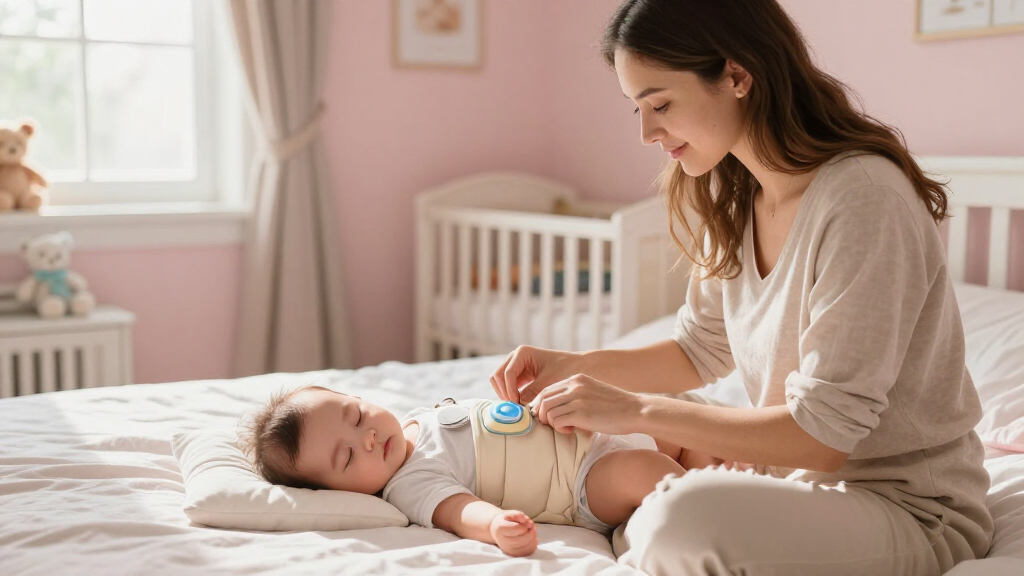
These products were selected based on their performance in accurately tracking sleep and vital signs, usability and comfort for infants, build quality, and value for money. We prioritized devices that integrate sleep data with additional safety features like breathing or position alerts. Ease of setup and app usability also played a key role, as these factors impact daily peace of mind. Devices with robust connectivity options and positive user reviews were favored, while those with significant drawbacks or limited functionality were excluded from the top rankings.Factors to Consider When Choosing Best Baby Wearables For Sleep Tracking
When choosing a baby wearable for sleep tracking, consider several key factors that impact daily use and long-term value. Comfort is essential, as uncomfortable devices may lead to poor compliance. Data accuracy and reliability ensure you can trust the insights provided, especially for vital signs like heart rate and breathing. Ease of use, including setup and app interface, influences how seamlessly these devices integrate into your routine. Cost versus features is a common tradeoff—more advanced options tend to come at higher prices but offer greater peace of mind. Connectivity and range also matter, especially if you want remote monitoring. Finally, consider privacy and data security, particularly with WiFi-enabled devices, to protect your family’s information.Comfort and Fit
Wearability is fundamental since babies need to wear these devices for extended periods, often overnight. Look for options with soft, breathable materials and adjustable sizing that won’t cause discomfort or skin irritation. Devices that are bulky or poorly designed may lead to fussiness or removal, negating their benefits. Remember, a snug but gentle fit helps ensure accurate readings and minimizes movement artifacts. Balancing comfort with secure placement is key to reliable monitoring and consistent use.
Data Accuracy and Reliability
The primary purpose of these wearables is to provide trustworthy sleep and vital sign data. Devices that have been validated in clinical or real-world testing tend to offer more dependable insights. Inaccurate readings can cause unnecessary worry or false reassurance, so prioritize models with good reviews on accuracy. Keep in mind that some cheaper options may sacrifice precision for affordability, which could impact your decision if safety or health monitoring is a priority.
Ease of Use and App Integration
Intuitive setup and user-friendly apps greatly enhance the experience. Look for products with straightforward installation procedures and clear instructions. The app should provide accessible data visualization, easy notifications, and simple controls for settings. Complex interfaces or unreliable connectivity can frustrate parents and reduce the device’s effectiveness. Consider whether the app syncs seamlessly across devices and offers helpful features like alerts or historical data review.
Cost and Feature Tradeoffs
Higher-priced models often include additional features such as HD video, remote access, or multiple monitoring capabilities. However, these come with increased costs and sometimes more complicated setups. Cheaper options may focus solely on sleep and breathing monitoring, which can be sufficient for many parents. Weigh your specific needs against the price to avoid paying for extras you might not use, but also recognize that investing in more comprehensive devices can provide extra peace of mind.
Connectivity and Privacy
Reliable wireless connectivity ensures continuous monitoring, especially if you want remote access from different locations. WiFi-enabled devices typically offer more features but can raise privacy concerns if not properly secured. Look for products with strong encryption standards and transparent privacy policies. Also, assess whether the device’s range suffices for your home size and whether it requires stable internet for full functionality.
Battery Life and Maintenance
Long-lasting batteries reduce the frequency of charges and interruptions. Check how long each device can operate on a single charge and how easy it is to recharge or replace batteries. Devices requiring daily charging may be less convenient, especially during busy nights. Consider whether the device’s maintenance demands fit into your daily routine and whether charging ports are easily accessible.
Frequently Asked Questions
Can these sleep wearables really detect breathing and heart rate accurately?
Many of these devices employ validated sensors and algorithms to monitor vital signs like breathing and heart rate, but no wearable is perfect. Factors such as movement, fit, and placement can influence accuracy. While these monitors provide valuable insights and early warning signs, they should complement, not replace, traditional health checks and professional advice. Always review the manufacturer’s validation claims and user reviews to gauge reliability for your specific needs.
Are these devices safe for prolonged use during sleep?
Most baby sleep wearables are designed with safety in mind, using non-invasive, soft materials and low-energy sensors. However, some models may be bulky or require frequent adjustments, which could cause discomfort or pose safety concerns if not properly fitted. Always follow the manufacturer’s guidelines for use and regularly check the device’s fit and condition. If your baby shows signs of irritation or fussiness, discontinue use and consult your pediatrician.
Will I need WiFi or internet connection for these devices to work?
Many sleep wearables rely on WiFi or Bluetooth for real-time data streaming and remote access. Devices with WiFi capabilities offer more features, such as video monitoring and alerts, but depend on a stable internet connection. Bluetooth-based models may have limited range and often require proximity to a smartphone or tablet. Consider your home’s connectivity setup and whether you prefer a device that works offline or needs internet for full functionality.
How do I choose between a wearable sock and a camera-based monitor?
Wearable socks focus on tracking vital signs like heart rate and breathing, providing data that can alert you to potential issues. Camera-based monitors add a visual element, enabling you to see and hear your baby, which can be comforting but also raises privacy considerations. Socks are generally more portable and less intrusive, while cameras offer a broader view of the sleep environment. Your choice depends on whether you prioritize health data, visual reassurance, or a combination of both.
Are there any privacy concerns with these WiFi-enabled devices?
Yes, any device connected to the internet carries potential privacy risks. Manufacturers may collect data for analysis or service improvement, which raises concerns about data security and misuse. Look for products that use strong encryption, have transparent privacy policies, and allow you to control data sharing. Regular firmware updates and secure network practices help mitigate risks, so choose brands with a good reputation for protecting user privacy.
Conclusion
For parents seeking a comprehensive, reliable solution, the Owlet Dream Duo offers an all-in-one bundle combining sleep tracking with video monitoring—ideal for those wanting peace of mind with minimal setup. Budget-conscious families will appreciate the Sense-U Pro for its core vital sign alerts without extra bells and whistles. First-time parents or those new to baby wearables may find the Owlet Dream Sight easiest to use, thanks to its intuitive app and high-quality video. For families prioritizing detailed health data, investing in the higher-end options makes sense, while those seeking simplicity should consider more straightforward models. Ultimately, selecting the right device depends on your specific safety concerns, budget, and comfort preferences.
Fall Picks
fall essentials
As an affiliate, we earn on qualifying purchases.