
TL;DR

Turn the school run and nap time into listening time
- Thousands of audiobooks, podcasts and originals
- Listen on your phone, tablet or Echo — also offline
- Cancel anytime
Baby sock monitors track vital signs like heart rate and sleep patterns but aren’t diagnostic tools. They offer trend data and early alerts but don’t replace medical advice. Use them as part of a broader safety plan.
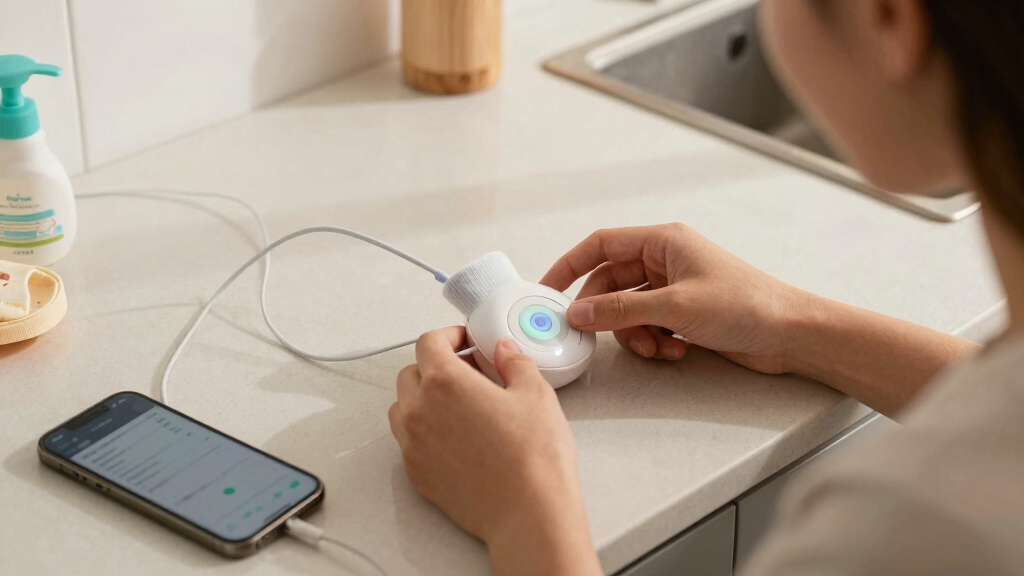
Imagine a tiny sock wrapped around your baby’s foot, glowing softly as it whispers vital signs into your phone. It sounds like something out of sci-fi, but these wearable devices are becoming common in nurseries. Yet, many parents wonder: what exactly do they track, and what are they missing?
If you’re considering a baby sock monitor, understanding their real capabilities matters. They can catch early signs of irregular breathing or heart rate changes, but they’re no substitute for medical care. This guide cuts through the marketing hype to give you a clear picture of what these devices do — and what they don’t.
Baby Sock Monitors: What They Track and What They Don’t
A tiny sensor-woven sock can stream heart rate, breathing-related trends and sleep data to a phone. The useful part is awareness over time. The crucial caveat: a wellness monitor cannot diagnose illness, prevent SIDS or replace direct observation and medical care.
What the sock can observe
Features vary by model, but most products focus on a small group of measurable signals. These readings create a snapshot—not a complete picture of an infant’s health.
Heart rate
Optical or contact sensors estimate pulse and can flag changes outside configured ranges.
Breathing
Movement and sensor data may estimate respiratory rhythm or reveal irregular patterns.
Sleep
Duration, movement, wake periods and recurring disturbances can support routine tracking.
Temperature
Some models estimate skin temperature; this is not equivalent to a clinical core reading.
Signal, estimate or blind spot?
Never assume a feature is present because another brand offers it. Confirm the exact model, its regulatory status and the manufacturer’s stated intended use.
| Health or safety factor | Typical consumer sock | What the result means | Main limitation |
|---|---|---|---|
| Heart rate | ✓Common | Useful for changes and recurring patterns | Motion and poor contact can distort readings |
| Respiratory pattern | ✓Common | May indicate rhythm or movement changes | Does not directly prove that an airway is clear |
| Sleep duration and movement | ✓Common | Supports routine and disturbance tracking | Sleep stages are algorithmic estimates |
| Skin temperature | ~Some models | Can show relative temperature trends | Not the same as clinical core temperature |
| Oxygen saturation | ~Model dependent | Only available where explicitly specified | Consumer and medical-grade claims differ |
| Blood pressure | ✗Typically absent | No dependable reading should be assumed | Requires different measurement technology |
| Choking or airway blockage | ✗Not detected directly | Never wait for a sock alert to assess danger | A sudden obstruction may not create a timely signal |
| Diagnosis or SIDS prevention | ✗Not provided | Requires professional assessment and safe-sleep practice | No consumer sock can guarantee prevention |
Legend: ✓ commonly tracked · ~ varies by product · ✗ outside typical capability
Why an alert is not a diagnosis
Wearable readings are shaped by the baby, the environment, sensor placement and the device’s algorithm. Reliability improves when the sock fits correctly and patterns are reviewed over time.
Relative usefulness by task
Helpful prompt or false alarm?
The same alert can be valuable or misleading. Its usefulness depends on what you observe next and whether the reading fits a broader pattern.
A prompt to look closer
An overnight breathing or heart-rate alert prompts a parent to check the baby, inspect the environment and confirm normal responsiveness. The device adds awareness and documents a pattern worth discussing.
Noise mistaken for danger
A damp or loose sock triggers a dramatic notification even though the baby appears well. Repeated false alarms can create anxiety, disturb sleep and encourage overreliance on imperfect data.
Build a broader safety plan
The monitor works best as one layer of awareness alongside safe sleep, routine care, direct observation and a clear response plan.
Correct size, placement and skin contact help reduce unreliable readings.
Review trends instead of drawing conclusions from one unusual value.
Keep the sock dry, correctly positioned and connected as intended.
Bring recurring alerts or exported trends to the child’s pediatrician.
A connected sock does not make an unsafe sleep environment safe.
Act on visible distress even when the monitor reports a normal value.
Awareness is useful. Certainty is not included.
Baby sock monitors can add continuous trend data and early prompts, but they cannot see every hazard, guarantee an accurate alert or replace professional care. Use the sock to support attention—not outsource it.
What Baby Sock Monitors Actually Track — The Real Deal
Baby sock monitors primarily measure a few key vital signs to keep tabs on your infant. The most common features include heart rate, respiratory rate, sleep patterns, and sometimes skin temperature. These metrics can give you a quick snapshot of your baby’s well-being — at least in theory.
For example, a monitor might glow green when everything’s normal, but turn red if it detects irregular breathing or a sudden heartbeat drop. They use sensors embedded in the sock—like optical sensors that shine tiny lights on the skin or accelerometers that monitor movement—to gather data.
While helpful, these sensors have limitations. External factors like moisture from sweat or a loose sock can skew readings. Also, remember: they only track specific signals, not every aspect of health.
Understanding what these signals represent and their potential inaccuracies is crucial. For instance, a spike in heart rate detected by the monitor could be due to a sudden movement or temperature change, not necessarily a health issue. Recognizing these nuances helps parents interpret alerts more accurately and avoid unnecessary panic.
As an affiliate, we earn on qualifying purchases.
How Accurate Are Baby Sock Monitors? The Truth About Reliability
Accuracy varies widely depending on the device and its technology. Most are designed to alert you to trends, not provide perfect medical measurements. For example, a recent study found that some monitors can detect heart rate fluctuations within a margin of 5 beats per minute, but may miss irregularities or give false alarms.
Imagine your baby’s sock reports a slightly elevated heart rate overnight. It might be a false alarm caused by movement or moisture. Conversely, true issues can sometimes slip through if sensors aren’t positioned just right.
It’s important to understand that these devices are better suited for noticing patterns over time rather than diagnosing specific health problems. For example, a consistently elevated heart rate during sleep might prompt you to consult your pediatrician, but it isn’t a definitive sign of illness. Conversely, a sudden abnormal reading could be a false positive caused by environmental factors. Recognizing these limitations helps set realistic expectations and prevents overreliance on the device’s alerts. The tradeoff here is between early trend detection and the risk of false alarms; understanding this balance is key to using these monitors wisely.
As an affiliate, we earn on qualifying purchases.
These gadgets don’t monitor everything your baby’s health depends on. They don’t measure oxygen saturation, blood pressure, or detect choking hazards. If your baby experiences a sudden airway obstruction, a sock monitor won’t necessarily pick it up, which underscores the importance of other safety measures.
For example, a parent might rely on a sock monitor that tracks breathing rate. But if the device isn’t calibrated properly, or the baby’s sleep position changes, it might miss a critical event like airway blockage or choking. This gap can have serious implications since some risks are sudden and require immediate intervention.
Additionally, they aren’t designed to replace emergency response or professional medical assessment. They function best as supplementary tools that can provide trend data but should never be solely relied upon for safety. The tradeoff here is that while these devices can increase awareness, they cannot cover all potential hazards, emphasizing the need for comprehensive safety practices like proper sleep environments and supervision.
As an affiliate, we earn on qualifying purchases.
Recent Tech Trends: Are Baby Sock Monitors Improving?
Yes, recent developments aim to make these devices more reliable and user-friendly. Advances include better sensors that reduce false alarms and increased comfort with washable, adjustable socks. Some incorporate AI algorithms to analyze long-term trends and flag potential issues more accurately.
For instance, newer models now sync seamlessly with smart home systems, alerting you instantly if something’s off. According to BabyUI, these innovations are promising, though they still fall short of medical-grade precision.
Design improvements also mean softer fabrics and more adjustable fits, reducing false readings caused by poor contact. Nonetheless, it’s important to recognize that technological improvements do not eliminate all inaccuracies. The core limitation remains: these are wellness devices, not diagnostic tools, and their reliability depends on proper use and understanding of their scope.
As an affiliate, we earn on qualifying purchases.
Real-World Scenarios: When Baby Sock Monitors Help or Fall Short
Picture this: a parent notices the monitor’s alert at 2 a.m., showing irregular breathing. Heart pounding, they check the baby — fine, just a quick jersey change and repositioning. The monitor was right to flag a potential issue, prompting quick action. It gave peace of mind and demonstrated its usefulness in alerting you to subtle changes that might otherwise go unnoticed.
Now imagine another scenario: the monitor buzzes because of moisture or a loose sock, triggering a false alarm. The parent wakes with anxiety, only to find everything’s perfectly normal. That false positive can cause unnecessary stress, but it also highlights the importance of understanding the device’s limitations and not overreacting to every alert.
These real stories show that while sock monitors can be lifesavers, they also require careful interpretation and context. They’re tools to support alertness, not replacements for your judgment or medical advice. Recognizing when an alert warrants action versus when it’s a false alarm is key to using these devices effectively.
How to Use Baby Sock Monitors Wisely — Practical Tips
- Follow the manufacturer’s instructions carefully to ensure proper fit and sensor contact.
- Use the device as a trend tracker, not a sole health authority — always confirm concerns with your pediatrician.
- Keep a close eye on environmental factors: moisture, temperature, and sock positioning matter.
- Set realistic expectations — don’t rely on it to catch every issue or replace medical checkups.
- Review data regularly and note patterns, especially if you notice frequent alerts or anomalies.
For example, if your monitor shows a consistent pattern of slightly elevated heart rates at night, discuss it with your doctor rather than jumping to conclusions. Remember, these devices are most effective when used as part of a comprehensive safety plan, including regular pediatric visits and safe sleep environments. Understanding the limitations and maintaining a balanced perspective prevents unnecessary anxiety and ensures you use the device as intended.
Key Takeaways: What You Must Remember About Baby Sock Monitors
- They track vital signs like heart rate and breathing patterns, but aren’t diagnostic tools.
- Accuracy varies: they’re best for trend monitoring, not definitive diagnoses.
- False alarms happen — don’t panic, but use them as cues to check on your baby.
- They don’t monitor oxygen saturation or blood pressure, so stay vigilant for other risks.
- Technology keeps improving, but regular pediatric checkups remain essential for your baby’s health.
Frequently Asked Questions
Are baby sock monitors safe to wear all night?
Yes, most are designed to be safe and non-intrusive, but ensure they fit properly and follow the manufacturer’s safety guidelines. Never leave a loose sock that could become a choking hazard or cause discomfort.
Can a baby sock monitor prevent SIDS?
No. These devices do not prevent SIDS. They can alert you to abnormal patterns, but they are not medical devices and should not replace safe sleep practices or medical advice.
How reliable are the alerts from these monitors?
Alerts are useful for spotting trends but can sometimes be false positives or negatives. Always verify any concerns with a healthcare professional rather than relying solely on device alarms.
Do I need Wi-Fi for my baby sock monitor?
Most models use Bluetooth to transmit data, but some also connect via Wi-Fi. Check your device’s specs and ensure your home network is secure.
Will insurance cover a baby sock monitor?
Typically, no. These are considered wellness gadgets, purchased out-of-pocket. Some flexible spending accounts might cover them, but check with your provider.
Conclusion
Baby sock monitors can give you a helpful glimpse into your infant’s vital signs, especially when used thoughtfully. They’re a useful part of your safety toolkit, but no device replaces good judgment and regular medical care.
Remember: trust the trends, not the alarms. In the quiet moments, the best reassurance comes from your presence and instincts — not just a glowing screen.
Fall Picks
fall essentials
As an affiliate, we earn on qualifying purchases.