
TL;DR

Turn the school run and nap time into listening time
- Thousands of audiobooks, podcasts and originals
- Listen on your phone, tablet or Echo — also offline
- Cancel anytime
Smart thermometer apps go beyond simple readings. They log temperature data, provide trend insights, alert you to abnormalities, and sync with other health tools—making tracking easier and more reliable than ever before.
If you’ve ever wrestled with a sick kid at 3 a.m., you know how chaotic temperature tracking can be. The good news? Modern smart thermometer apps turn a simple reading into a comprehensive health story.
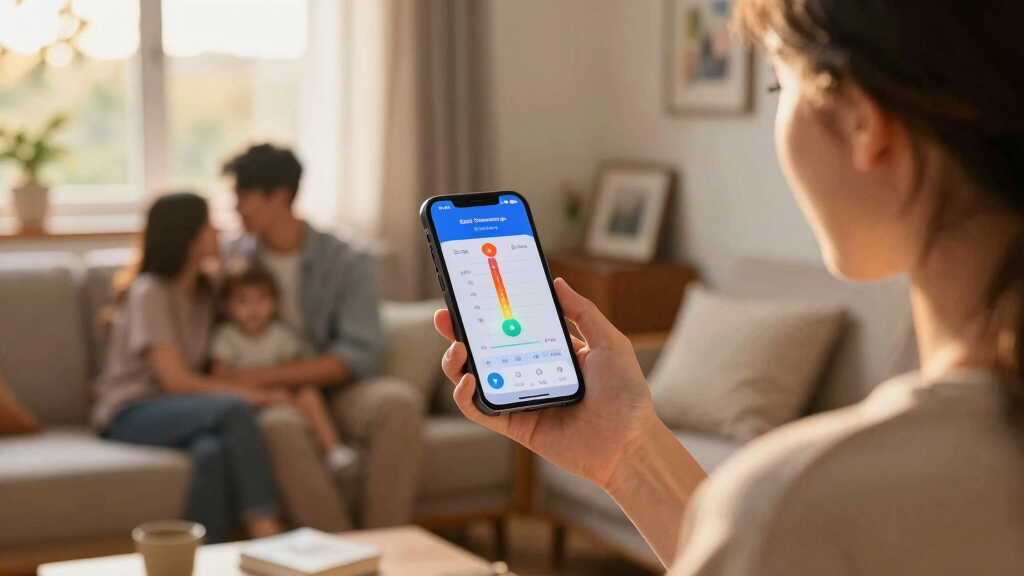
They do more than just tell you if your child has a fever. These apps log data, spot trends, and even alert you when something’s off. It’s like having a tiny health detective in your pocket—helping you make better decisions, faster.
Reliable accuracy depends on proper calibration and good device pairing; don’t rely solely on unverified apps.
Automatic data logs and trend charts turn scattered readings into meaningful health stories, aiding quick decisions.
Adding symptom details alongside temperature logs creates a clearer picture for medical consultations.
Custom alerts for abnormal temperatures help you respond swiftly, reducing anxiety during illness episodes.
Sharing exported logs with healthcare providers streamlines diagnosis and treatment planning.
Smart Thermometer Apps: What the Tracking Features Offer
Modern thermometer apps turn isolated readings into a timestamped health story—logging changes, connecting symptoms, flagging abnormal patterns, and preparing clearer information for healthcare conversations.
Accuracy, history, symptoms, alerts, sharing, and accessibility.
A customizable threshold—not universal medical advice.
Claimed predictive accuracy cited by BabyUI for some AI-driven analysis.
Portable formats for records and clinical conversations.
Six layers of smarter tracking
The app’s real value is not the number on screen. It is the connected system around that number: reliable capture, context, pattern recognition, timely prompts, and usable records.
Accuracy & calibration
Pair with a validated Bluetooth thermometer or compatible wearable. Placement guidance and calibration checks help reduce skewed readings.
Automatic data logs
Timestamped readings replace scattered notes. Charts reveal whether temperature is climbing, spiking, stabilizing, or subsiding.
Symptoms & medication
Add coughing, rash, fatigue, hydration, and dose times so clinicians can see more than temperature alone.
Custom notifications
Set abnormal-reading alerts and reminders for medication, fluids, or follow-up checks. Appropriate thresholds limit false alarms.
Export & health sync
PDF, CSV, email, and health-platform connections create a clearer, more accurate handoff to healthcare professionals.
Low-friction design
Large controls, clear labels, simple navigation, and multi-device compatibility support tired caregivers and users of all ages.
How a reading becomes a decision
A trustworthy workflow keeps the original measurement connected to its surrounding context—and makes the resulting record easy to interpret and share.
Measure correctly
Use the paired device and follow its placement guidance.
Log automatically
Save the reading with an accurate date and time.
Add context
Record symptoms, medication, hydration, and behavior.
Watch the trend
Review charts and respond to meaningful changes.
Share the story
Export a concise timeline for professional review.
Context makes the data stronger
These visual scales show the practical difference between a lone number and a continuous, well-annotated health record.
What enriches a temperature record?
Conceptual comparison based on the tracking functions described.
AI-assisted trend analysis
Some apps analyze repeated measurements to estimate illness progression or recovery phases.
Basic logging vs. connected care
Feature availability varies. Free tiers often cover essentials, while advanced analytics, continuous wearable data, or detailed exports may require compatible hardware or a premium plan.
| Tracking capability | Manual notes | Smart app + paired device | Wearable + AI platform | Why it matters |
|---|---|---|---|---|
| Timestamped history | ~ | ✓ | ✓ | Reduces recall errors. |
| Automatic device capture | ✗ | ✓ | ✓ | Limits manual entry mistakes. |
| Symptom correlation | ~ | ✓ | ✓ | Adds clinical context. |
| Threshold alerts | ✗ | ✓ | ✓ | Prompts timely attention. |
| Continuous monitoring | ✗ | ~ | ✓ | Shows more frequent changes. |
| Multi-parameter insights | ✗ | ~ | ✓ | Combines temperature with heart rate, oxygen saturation, or sleep. |
| Exportable report | ✗ | ✓ | ✓ | Improves clinician handoff. |
Five takeaways before you rely on an app
The strongest setup combines sound measurement technique, consistent logging, careful alert configuration, privacy awareness, and professional judgment.
Validate the measurement chain
Check device pairing, placement, calibration guidance, and regulatory markings such as FDA authorization or CE marking where relevant.
Build a consistent timeline
Automatic logs and trend charts turn scattered readings into a clearer progression story.
Record the surrounding symptoms
Note behavior, cough, rash, fatigue, medication, hydration, and other relevant changes.
Configure alerts thoughtfully
Use thresholds recommended for your situation and avoid treating every notification as a diagnosis.
Prepare a clean handoff
Export timestamped logs so healthcare professionals can review changes without relying on memory.
How Accurate Are Smart Thermometer Apps? What You Need to Know
Accuracy is the cornerstone of reliable temperature tracking. Many apps rely on Bluetooth-enabled digital thermometers or integrate with wearables to deliver precise readings.
Some apps offer calibration tools or guidance on placing the thermometer correctly, which can make a huge difference. For example, a parent might use a digital thermometer paired with an app that guides proper ear placement, ensuring the reading isn’t skewed by incorrect positioning.
Remember: no app can replace a clinical thermometer for critical decisions, but many deliver dependable data for day-to-day monitoring.
smart digital thermometer with app compatibility
As an affiliate, we earn on qualifying purchases.
As an affiliate, we earn on qualifying purchases.
Tracking Your Child’s Fever: Why Data Logging Matters
Data logging turns a single temperature check into a health story. When you log each reading—say, every 30 minutes—the app creates a visual timeline, like a gentle wave graph showing rises and falls.
This pattern recognition helps you see if the fever is worsening or improving. For instance, a parent might notice a slow but steady temperature climb over a few hours, prompting a call to the doctor.
More than just recording numbers, these logs can reveal critical insights about the fever’s progression—such as whether it’s spiking rapidly or gradually subsiding—which influences decisions like when to seek emergency care or adjust medications. Automatic logging reduces manual effort but also minimizes human error in recording, ensuring the data’s reliability. Recognizing these trends early can be life-saving, especially when parents are sleep-deprived and overwhelmed.
Bluetooth fever thermometer for children
As an affiliate, we earn on qualifying purchases.
As an affiliate, we earn on qualifying purchases.
Using Symptom and Health Logs to Connect the Dots
Smart thermometer apps often let you add symptoms—like coughing, rash, or fatigue—to each temperature entry. This creates a richer health picture. For example, if your child’s fever spikes along with complaints of sore throat, you can share this info with the pediatrician.
Some apps even include built-in symptom checkers or allow you to record medication doses and times. That way, you track what’s helping or worsening the fever, giving you a clearer picture of the illness.
Adding symptom data helps identify patterns that may not be obvious from temperature alone. For example, a rising fever combined with cough and lethargy might suggest a respiratory infection, prompting quicker medical intervention. Over time, these logs can help differentiate between common colds and more serious illnesses, guiding parents to seek professional advice at the right moment. Essentially, symptom tracking transforms raw data into meaningful context, making your health insights more actionable and precise.
smart temperature log app for health tracking
As an affiliate, we earn on qualifying purchases.
As an affiliate, we earn on qualifying purchases.
Staying Alert: How Custom Notifications Keep You Ahead
One of the strongest features of smart thermometer apps is the ability to set alerts for specific temperature thresholds. For example, you might program the app to notify you if the temperature crosses 102°F, a common fever marker.
These alerts act like a second set of eyes, waking you up or prompting action when needed. Some apps even remind you to give medication or hydrate your child based on the temperature trend.
Custom notifications are vital because they provide timely cues in moments when parents might be too exhausted or distracted to notice subtle changes. They help prevent delayed responses that could worsen your child’s condition. However, over-reliance on alerts can sometimes lead to false alarms if not calibrated properly, so setting appropriate thresholds is key. When used wisely, these alerts empower you to act swiftly, reducing anxiety and ensuring your child receives prompt care when necessary.
medical-grade infrared thermometer with app
As an affiliate, we earn on qualifying purchases.
As an affiliate, we earn on qualifying purchases.
Sharing Data with Doctors: Why Export and Sync Features Are Game-Changers
Many smart thermometer apps let you export logs as PDFs or CSV files, which you can email or upload during doctor visits. This means no more scribbled notes or memory guessing.
Some apps sync with health platforms or electronic medical records, making it easier for your child’s healthcare team to see the full picture. For instance, a parent might share a detailed fever timeline with the pediatrician ahead of an appointment, saving time and clarifying concerns.
This seamless sharing not only streamlines communication but also ensures accuracy. When doctors have access to detailed, timestamped data, they can better assess the severity and progression of an illness, leading to more tailored treatment plans. Moreover, having a comprehensive record reduces the risk of miscommunication or forgotten details, especially during urgent situations. Ultimately, these features turn your smartphone into a powerful medical assistant—enhancing collaboration with healthcare providers and improving your child’s care outcome.
Design Matters: Making Tracking User-Friendly for All Ages
Apps with simple, intuitive interfaces make tracking less of a chore. Clear buttons, big fonts, and straightforward navigation help even sleep-deprived parents find what they need quickly.
Some apps are designed specifically for children or elderly users, with colorful visuals or large touch targets. For example, a parent might appreciate a bright, cheerful interface for their toddler’s thermometer app, reducing confusion during a stressful night.
Compatibility with smartphones, tablets, and wearables broadens accessibility, ensuring everyone can rely on these tools when needed most.
Design choices that prioritize ease of use are crucial because they directly impact the accuracy and consistency of data entry. When users find the app straightforward, they’re more likely to record data correctly and frequently, which improves overall health monitoring. Accessibility features like larger buttons and clear labels help reduce errors, especially in high-stress moments. Ultimately, user-friendly design ensures that even the most overwhelmed caregivers can effectively utilize these tools for their child’s health.
Latest Tech: How Wearables and AI Are Making Tracking Smarter
Smart thermometer apps now connect with wearables like smartwatches or fitness trackers, allowing continuous or more frequent temperature checks. Some even use AI algorithms to analyze patterns and predict illness trajectories.
For example, a parent might wear a smartwatch that tracks skin temperature throughout the day, alerting them to subtle changes before a fever spikes. AI helps identify early signs of infection, sometimes predicting recovery times with surprising accuracy.
These advancements mean that health monitoring is becoming more proactive rather than reactive. Wearables can provide real-time data, reducing the need for manual measurements, which are often sporadic and less reliable. AI-driven insights enable early intervention—potentially catching issues before symptoms fully develop—thus improving outcomes. However, they also raise considerations about data privacy and the need for clear user consent. When balanced well, these innovations significantly enhance the precision and convenience of health tracking, giving parents peace of mind and better control over their child’s health journey.
The Future of Fever Tracking: What’s Coming Next?
Expect smarter, more personalized health insights from future apps. Advances in AI will tailor predictions based on your child’s unique health history, making early warning systems more precise.
Multi-parameter monitoring—combining temperature, heart rate, oxygen levels, and sleep—is already on the horizon. Imagine an app that paints a full health picture, helping you spot issues before symptoms even appear.
As privacy standards tighten, expect more secure ways to store and share sensitive data—giving parents confidence in these digital tools.
These innovations will likely lead to more integrated health ecosystems, where data from various devices and apps converge to provide a comprehensive view of your child’s health. The tradeoff involves managing increased data complexity and ensuring privacy protections keep pace with technological advances. Ultimately, these developments aim to empower parents with early, accurate, and actionable insights, transforming fever management from reactive to proactive.
Frequently Asked Questions
Are smart thermometer apps accurate enough for medical diagnosis?
Many apps paired with validated digital thermometers provide reliable readings. However, they are meant for monitoring, not replacing professional medical advice. Always consult a healthcare provider if you’re concerned about your child’s health.
How should I choose a good thermometer app?
Look for apps with good reviews, clear privacy policies, and compatibility with devices you already own. Features like trend analysis, symptom logging, and easy sharing options are especially helpful.
Can these apps help manage chronic conditions?
Yes, consistent temperature tracking can help monitor conditions like autoimmune diseases or hormonal imbalances, providing valuable data for your child’s health management.
Are my health data secure with these apps?
Reputable apps use encryption and privacy protections. Still, review the privacy policies and permissions, and choose those with strong security standards.
What devices work with these apps?
Most apps connect with Bluetooth-enabled digital thermometers, some sync with smartwatches or fitness trackers, and a few are compatible with wearable health devices. Check device requirements before downloading.
Conclusion
Smart thermometer apps transform a simple temperature check into a comprehensive health snapshot. They give parents a clearer view of what’s happening, even in the middle of a sleepless night.
Choose apps that prioritize accuracy, ease of use, and secure data sharing. In a world where health tracking is becoming smarter every day, these tools can be your best allies in managing your child’s health—quietly, reliably, and with confidence.
Cold & flu season Picks
humidifiers
As an affiliate, we earn on qualifying purchases.