TL;DR

Turn the school run and nap time into listening time
- Thousands of audiobooks, podcasts and originals
- Listen on your phone, tablet or Echo — also offline
- Cancel anytime
False alarms in baby wearables often result from sensor misplacement, movement, or overly sensitive settings. Advances in technology and better use habits can reduce these false triggers, making monitoring more trustworthy.
Proper placement and fit of sensors are crucial for accurate readings.
Overly sensitive settings increase false alarms; tuning thresholds helps.
Advances in sensor tech and machine learning are making devices smarter and more reliable.
Environmental factors can trigger false alarms—control the surroundings when possible.
Regular firmware updates and device calibration are simple yet effective ways to reduce false triggers.
Baby Wearables and False Alarms: Why They Happen
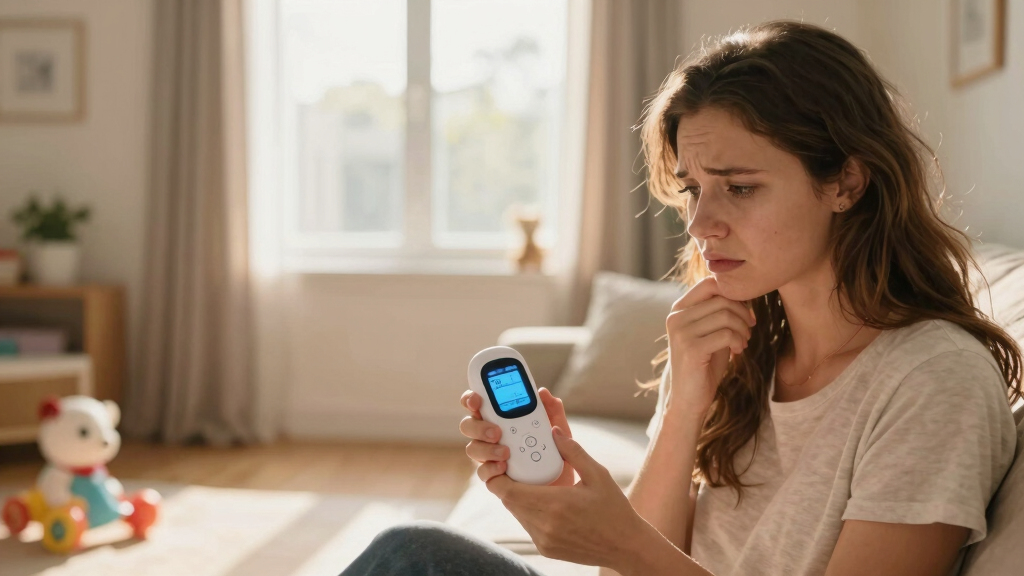
A sudden alert can turn promised peace of mind into instant anxiety. Most false triggers begin with ordinary problems—poor sensor contact, movement, environmental noise, or settings that react too aggressively. Understanding the signal chain makes monitoring calmer and more trustworthy.
Smarter monitoring is not simply more sensitive—it is better at separating noise from genuine concern.
What trips the alarm?
Think like a signal detective. The wearable measures a physical signal, converts it into data, and compares that data with an alert threshold. A disruption anywhere along that chain can make normal activity look abnormal.
Poor fit or displacement
A slipping sock, shifted chest patch, or loose garment weakens sensor contact and can produce erratic heart-rate, oxygen, or movement readings.
Movement artifacts
Kicking, rolling, wriggling, and caregiver handling can distort the signal long enough for an algorithm to interpret motion as danger.
External interference
Temperature changes, drafts, poor connectivity, nearby electronics, or electromagnetic interference may destabilize readings.
Excess sensitivity
A device tuned to flag very small variations can capture more potential problems—but also more harmless, everyday fluctuations.
Limited interpretation
Basic algorithms may evaluate a single number without enough context to distinguish a temporary artifact from a persistent event.
Calibration drift
Outdated firmware, changing fit as a baby grows, worn components, or missed calibration steps can gradually reduce reliability.
How technology is improving
Newer systems combine steadier sensors with richer context. The goal is to recognize patterns over time instead of reacting to every isolated fluctuation.
Improved sensors
More stable hardware and better contact detection help reduce glitches caused by weak signals or minor displacement.
Machine learning
Pattern-aware models can learn to separate ordinary kicking and shifting from sustained, unusual physiological changes.
App context
Companion apps can display trends, movement, connectivity, and room conditions so an alert is not viewed in isolation.
Validation and oversight
Clinical testing, clearer standards, and stronger quality controls can improve consistency between claimed and real-world performance.
Where reliability gains come from
Not every wearable handles noise the same way
Device design, sensor placement, algorithm quality, and the baby’s activity level all shape performance. The ranges below are comparative guide figures, not guarantees for a specific product.
| Device type | Sensor accuracy | Algorithm sophistication | False-alarm range | Often suited to |
|---|---|---|---|---|
| Chest patch | High | Basic to advanced | 15–30% | Active infants |
| Sock monitor | Moderate | Basic | 20–40% | Sleep tracking |
| Non-contact camera | Variable | Advanced AI | 10–25% | Breathing and movement |
| Smart clothing | High | Moderate | 10–20% | Long-term tracking |
The wider reported picture
Across varying devices and real-world conditions, studies and reports place false-alarm rates from roughly 20% to more than 50%. Product quality, fit, movement, validation method, and usage conditions explain much of that spread.
Reduce false alarms at the source
A reliable alert begins before the device sounds. Work through the entire signal chain, from physical fit to the action you take after receiving a notification.
Refit the sensor
Make it snug but comfortable. Confirm placement against the manufacturer’s current instructions.
Review sensitivity
Use approved settings. Change thresholds only when the product permits it and guidance is clear.
Control movement
Secure loose components and note whether alerts cluster around kicking, feeding, or handling.
Check the room
Move electronics, routers, heat sources, and drafts away when they may affect readings.
Update and inspect
Install firmware updates, clean sensors as directed, inspect wear, and reassess fit as the baby grows.
Small changes can matter: in the example provided, refitting a sock monitor and adjusting its permitted sensitivity setting reduced repeated false alarms by more than half. Treat this as an illustration, not a guaranteed result.
Fast answers for calmer monitoring
Are baby wearables reliable?
Reliability varies widely. Look for independent or clinical validation, reputable certifications, transparent limitations, and clear fitting instructions.
Why do alarms happen so often?
Misplacement, movement, interference, sensitive settings, and limited algorithms can all transform ordinary variation into an alert.
Can false alarms be harmful?
They are usually not physically harmful, but they can create distress, unnecessary medical visits, reduced trust, and alarm fatigue.
Are standards improving?
Regulatory oversight and testing expectations are developing, but consumer products still vary. Verify the status and intended use of each device.
What causes false alarms in baby wearables? Think like a tech detective.
Baby wearables are designed to keep an eye on your little one’s vital signs, but they can be tripped up by simple things. Sensor misplacement is a common culprit—if a chest patch shifts or a sock slips, the readings go haywire. Movement artifacts are another big factor; a kicking baby or wriggling toddler can cause the device to interpret normal activity as an emergency. External influences like electromagnetic interference or temperature swings also play a role. And sometimes, the device’s sensitivity settings are just too high, reacting to everyday noise and movement. These issues matter because they can lead to unnecessary distress—parents may react to false alarms thinking the worst, which can cause stress for both parent and child. The tradeoff is that setting the device to be less sensitive might miss real emergencies, so finding the right balance is crucial. Proper placement and regular checks are essential to ensure the device accurately reflects your baby’s condition, avoiding both false alarms and missed signals.
baby wearable monitor sensor replacement
As an affiliate, we earn on qualifying purchases.
As an affiliate, we earn on qualifying purchases.
How modern tech tries to cut down false alarms—what’s changing?
Recent advances are tackling the false alarm problem head-on. Sensor technology has improved, becoming more accurate and stable, which means fewer random glitches caused by environmental factors or device movement. Machine learning algorithms are being integrated to help devices better distinguish between normal movements—like a baby kicking or shifting—and actual emergencies such as abnormal heart rates or breathing pauses. This means the device can adapt over time to the specific patterns of your baby, reducing unnecessary alerts. Some monitors now connect to smartphone apps that provide context—showing movement patterns or environmental data—so parents aren’t just blindly trusting signals but can interpret them in real-time. Additionally, regulators and manufacturers are working on stricter standards to push for more reliable devices, which can mean fewer false alarms and more consistent performance. These innovations are making baby wearables smarter, not just more sensitive, and less prone to false alarms, which helps parents feel more confident and reduces alarm fatigue.
baby monitor with adjustable sensitivity
As an affiliate, we earn on qualifying purchases.
As an affiliate, we earn on qualifying purchases.
Compare: How different baby wearables handle false alarms
| Device Type | Sensor Accuracy | Algorithm Sophistication | False Alarm Rate | Best For |
|---|---|---|---|---|
| Chest Patch Monitors | High | Basic to Advanced | 15-30% | Active infants |
| Sock Monitors | Moderate | Basic | 20-40% | Sleep tracking |
| Non-contact Cameras | Variable | Advanced AI | 10-25% | Monitoring breathing & movement |
| Smart Clothing | High | Moderate | 10-20% | Long-term tracking |
Choosing the right device depends on your needs and the environment. For active babies, high-accuracy sensors matter more because they can better differentiate between normal activity and genuine concerns. For light sleepers, lower false alarm rates can prevent unnecessary wake-ups and stress. Testing different types and reading reviews help you understand how each performs in real-world settings, giving you confidence in your choice. Remember, no device is perfect, but understanding their strengths and limitations allows you to select and use them more effectively, ensuring safer and less stressful monitoring for your family.
baby wearable with machine learning technology
As an affiliate, we earn on qualifying purchases.
As an affiliate, we earn on qualifying purchases.
Simple steps to reduce false alarms—your quick-start guide
- Ensure proper fit and placement: Check that sensors are snug but comfortable, and positioned correctly—this can drastically improve accuracy by reducing movement artifacts and misreads.
- Calibrate sensitivity settings: Adjust thresholds to find a balance—too high, and you risk missing real issues; too low, and false alarms become frequent. Experiment and monitor the impact.
- Limit movement artifacts: Keep the device secure during active periods or when your baby kicks a lot. Using straps or choosing monitors with better stabilization features can help.
- Understand environment influences: Minimize electromagnetic interference by keeping devices away from Wi-Fi routers or other electronics. Also, avoid placing monitors near heat sources or drafts that can skew readings.
- Regularly update device firmware: Manufacturers often release updates that improve algorithms and fix bugs. Keeping your device current ensures you benefit from these improvements, reducing false alarms over time.
For example, a parent noticed frequent false alarms from a sock monitor. After re-fitting it snugly and lowering the sensitivity threshold, alarms dropped by over 50%. Small, deliberate tweaks like this are often the most effective way to improve reliability and peace of mind.
baby monitor environmental noise reduction
As an affiliate, we earn on qualifying purchases.
As an affiliate, we earn on qualifying purchases.
Frequently Asked Questions
Are baby wearables safe and reliable?
Most devices are designed with safety in mind, but reliability varies. Look for products with clinical validation and follow the manufacturer’s instructions carefully to ensure safe, accurate monitoring.
Why do false alarms happen so often?
False alarms often come from sensor misplacement, movement artifacts, environmental interference, or overly sensitive settings. Proper setup and calibration can significantly reduce these triggers.
How can I reduce false alarms?
Ensure sensors are properly fitted, calibrate sensitivity thresholds, minimize external interference, and keep firmware updated. These steps help your device distinguish real emergencies from normal activity.
Can false alarms be dangerous?
While they’re mostly harmless physically, false alarms can cause emotional stress and unnecessary trips to the doctor. Managing them reduces anxiety and keeps you calmer.
Are there standards for these devices?
Regulatory bodies are working on clearer standards, but many devices lack rigorous testing. Choose products with reputable certifications and clinical validation for better reliability.
Conclusion
False alarms can feel like a punch to the stomach, but understanding their roots helps you regain trust in your baby monitor. Think of these devices as tools that get better with proper use and ongoing tweaks. When you approach them as partners—not perfect oracles—you’ll find they serve you better, not more anxious moments. Keep adjusting, keep questioning, and trust your instincts—your peace of mind depends on it.Fall Picks
fall essentials
As an affiliate, we earn on qualifying purchases.