
TL;DR

Turn the school run and nap time into listening time
- Thousands of audiobooks, podcasts and originals
- Listen on your phone, tablet or Echo — also offline
- Cancel anytime
Sleep trainer clocks can teach kids when it’s okay to get up, especially early risers. Proper settings like visual cues and gradual wake-up features make mornings easier for everyone. Consistency and routine are key to success.
Early risers can turn mornings into a wild race if they don’t have clear signals for when to get up. A well-set sleep trainer clock acts like a gentle traffic light, guiding your child to stay in bed until the right time. It’s not just about waking up early; it’s about waking up happy, rested, and ready to start the day with less fuss.
In this guide, you’ll learn practical ways to tweak your child’s sleep clock settings. We’ll explore visual cues, gradual wake-up options, and how to combine these with routines that stick. Get ready to transform those early mornings into smoother, more peaceful moments for everyone.
Use clear visual cues like colored lights or icons to signal when it’s okay to wake.
Adjust wake times gradually by 10-15 minutes every few days to shift early risers later.
Pair clock signals with a consistent bedtime routine to reinforce healthy sleep habits.
Keep settings simple—avoid overloading the clock with too many features or frequent changes.
Smart features like remote control and sleep tracking can boost effectiveness but aren’t essential.
How to Use Visual Cues to Signal When It’s Okay to Wake
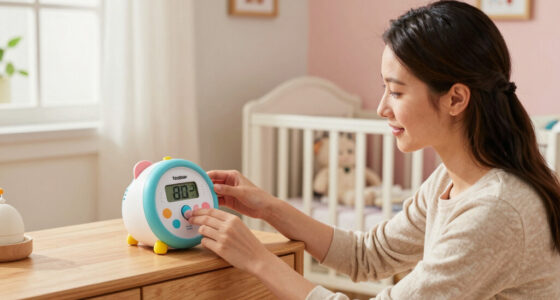
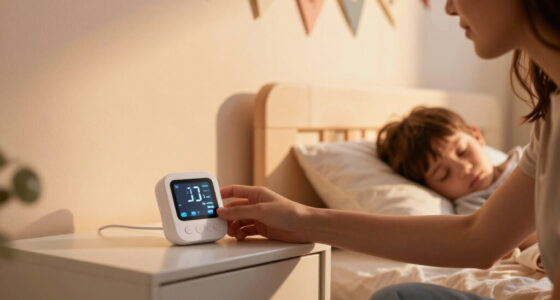
Children respond best to clear, simple signals. Sleep trainer clocks use visual cues like colored lights or icons to show when they can get up. For instance, a red light might mean “stay in bed,” while a green light or smiling sun indicates “it’s okay to get up.”
Imagine your 4-year-old waking up and noticing the light turn from red to green. They learn that staying in bed a little longer means a reward—a peaceful, independent start to the day. The visual cue acts as a non-verbal communication, which is especially important for young children who haven’t yet developed strong language skills. Consistent use of these cues helps your child associate specific signals with permissible wake-up times, fostering independence and reducing anxiety about mornings. However, over-reliance on visual cues without understanding can sometimes lead to confusion if the signals aren’t consistent or if the child is distracted. Therefore, it’s crucial to pair visual cues with routine reinforcement and ensure the visuals are simple and recognizable. The choice of visuals—like a friendly sun or a smiling face—should be engaging but unambiguous to avoid misinterpretation, which could lead to early waking or prolonged stay in bed beyond the desired time.
As an affiliate, we earn on qualifying purchases.
Step-by-Step: Setting Wake and Sleep Times to Match Your Child’s Routine
- Determine your child’s ideal wake-up time. For early risers, this might be around 6:30 am, but it’s important to consider your family’s schedule and your child’s natural sleep patterns. Setting an appropriate wake time helps establish a predictable routine, which is essential for developing healthy sleep habits. If the wake-up time is too early, your child may become frustrated or overly dependent on external cues, leading to resistance or difficulty falling asleep. Conversely, setting it too late might reinforce undesirable sleeping habits or cause daytime fatigue.
- Set the sleep time accordingly, aiming for enough sleep—usually 10-12 hours for preschoolers. Adequate sleep is vital for growth, mood regulation, and cognitive development. An insufficient sleep window might cause your child to wake early due to tiredness or to resist waking because they haven’t completed enough restful sleep.
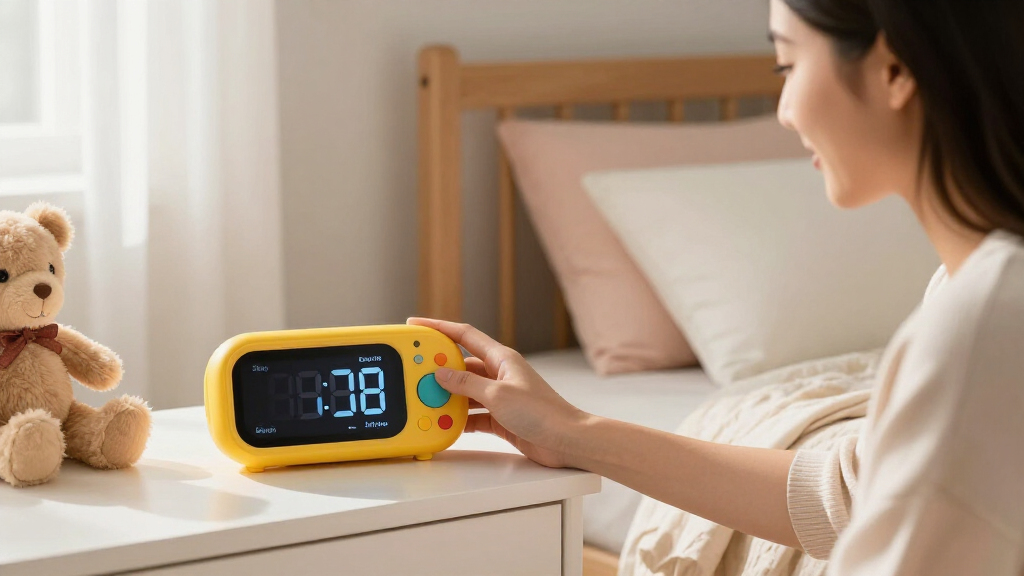
- Adjust the clock’s “wake” indicator to match this wake-up time. For example, program the green light to turn on at 6:30 am. The key here is not just setting the time but understanding why this specific timing matters. It influences your child’s internal clock and helps them associate the visual cue with their natural wake cycle. If the timing is misaligned, it can cause early waking or delayed waking, which disrupts routines and can lead to behavioral issues.
- Test the setup for a few days, observing how your child responds. Tweak the times if needed, gradually shifting earlier or later. This process allows you to find the most natural and sustainable routine for your child, avoiding sudden changes that can cause confusion or resistance. Small, incremental adjustments help your child’s internal clock adapt smoothly, reducing frustration and fostering trust in the signals.
- Pair the clock with a calming bedtime routine—reading, dimming lights, avoiding screens—to reinforce the schedule. Consistency between bedtime routines and wake signals creates a cohesive environment that supports healthy sleep patterns. This consistency helps your child internalize the routine, making waking up at the right time feel natural rather than forced. It also minimizes the chances of early waking due to overtiredness or overstimulation, ensuring a more restful sleep cycle overall.
For example, if your child tends to wake at 5:30 am but you want them to wake at 6:30 am, set the clock to signal only after 6:30 am. This teaches patience and helps reset their internal clock over time, fostering a sense of trust in the routine and reducing early morning protests.
As an affiliate, we earn on qualifying purchases.
Comparison Table: Features That Make a Difference for Early Risers
| Feature | Why it Matters | Best For |
|---|---|---|
| Adjustable Wake Time | Allows you to set the exact wake-up time, shifting earlier or later as needed. This flexibility is crucial because children’s sleep needs and habits can change over time, and a fixed schedule may no longer fit their natural rhythms. Being able to fine-tune wake times helps prevent early waking or oversleeping, both of which can disrupt routines and mood. However, frequent adjustments without a clear reason can confuse the child and undermine trust in the clock. Therefore, it’s important to make changes gradually and intentionally, considering your child’s behavior and sleep cues. | Early risers who wake too soon |
| Visual Cues (Lights/Icons) | Provides clear, non-verbal signals that kids can understand easily. Effective visual cues serve as a universal language for young children, helping them grasp when it’s permissible to get up without relying solely on verbal instructions, which they might not fully understand yet. However, inconsistent or overly complicated visuals can diminish their effectiveness. Choosing simple, engaging visuals like a smiling sun or a green light ensures quick recognition, which reduces confusion and promotes trust. These cues also reinforce routines, especially when paired with consistent bedtime and wake-up signals, deepening the child’s understanding of the sleep-wake cycle. | Younger children or visual learners |
| Gradual Wake Lights | Simulates sunrise, easing children into waking, reducing abruptness. This feature is particularly beneficial because sudden alarms can startle children, leading to resistance or even fear of waking. Gradual wake lights mimic the natural transition from darkness to light, which aligns with the body’s circadian rhythms, fostering a more peaceful awakening. However, if the light intensity is too dim or the transition too slow, it might not effectively wake the child or could cause confusion about whether it’s time to get up. Finding the right balance ensures the child wakes gently and feels more comfortable starting their day. | Light sleepers or children who resist waking |
| Sound Options | Gentle alarms or nature sounds to wake softly. Sound options provide an additional layer of comfort and can be customized to your child’s preferences, making waking less stressful. However, overly loud or jarring sounds can cause anxiety or disrupt sleep cycles, especially for sensitive children. The tradeoff is choosing sounds that are soothing yet effective—like gentle chimes or nature sounds—that wake the child gradually without startling them. Properly calibrated sound settings can help children associate waking with a calm experience, which encourages positive morning routines and reduces resistance. | Children sensitive to loud sounds |
| Remote App Control | Enables parents to adjust settings without waking the child. This feature is especially useful for busy parents who need to make quick adjustments or monitor sleep patterns remotely. It offers convenience, but overuse can lead to inconsistent routines if changes are made impulsively. The key is to use remote control thoughtfully, ensuring that adjustments are deliberate and based on observed needs rather than convenience alone. This balance helps maintain routine stability and promotes trust in the clock’s signals, which is essential for long-term success. | Busy parents or tech-savvy families |
As an affiliate, we earn on qualifying purchases.
How to Gradually Shift Wake-Up Times to Push Early Risers Slightly Later
If your child wakes too early, don’t just change the clock all at once. Instead, shift the wake-up time by 10-15 minutes every few days. This slow adjustment helps their internal clock adapt without frustration, reducing resistance and making the transition smoother. Rapid changes can cause confusion or sleep disruptions, especially if the child is accustomed to a certain routine. Gradual shifts give the body time to recalibrate, which minimizes protest and helps the child develop patience and trust in the new schedule. It also reduces the risk of sleep deprivation if the change is too abrupt, ensuring the child’s overall sleep quality remains high.
For example, if they’re waking at 5:30 am but you want them to wake at 6:30 am, move the signal from 5:30 to 5:45, then 6:00, over the course of a week. It’s like nudging their internal alarm clock gently into a new routine. This method respects the child’s natural rhythm while guiding them toward a more acceptable wake time, which is crucial for sustainable sleep habits and emotional well-being.
During this process, keep routines consistent—dim the lights earlier, keep bedtime steady, and offer comfort if they protest. Patience here makes the shift smoother and more sustainable. Recognizing that sleep is a complex balance of biological and environmental factors, this gradual approach minimizes stress and promotes a positive attitude toward waking at the desired time.
As an affiliate, we earn on qualifying purchases.
Frequently Asked Questions
Can I set my sleep trainer clock to wake my child earlier or later?
Yes. Most clocks allow you to customize wake-up times precisely. Adjust gradually, in 10-15 minute steps, to help your child adapt comfortably.What if my child still wakes up too early despite the clock?
Try shifting the wake signal later gradually. Also, ensure bedtime routines are calming, and the sleep environment is dark and quiet to promote longer sleep.Are visual cues enough, or should I add sound alarms?
Visual cues are usually best for young children—they’re less startling. If your child resists waking, gentle sounds can be added, but keep them soft and natural to avoid overstimulation.How long does it take for a child to learn to follow these signals?
It varies, but most children start understanding within a week of consistent use. Patience and routine are key to helping them trust the signals.Conclusion
Smartly setting your child’s sleep trainer clock isn’t just about the tech—it’s about clarity, routine, and patience. When these pieces fit together, early mornings turn into peaceful starts instead of frantic rushes. Your child learns to wake up happily, and you regain some morning calm.
Remember, every child is different. The best approach is gentle, consistent, and tuned to their needs. That way, those early risings become a part of a healthy, restful routine instead of a daily battle.
Fall Picks
fall essentials
As an affiliate, we earn on qualifying purchases.