
TL;DR

Turn the school run and nap time into listening time
- Thousands of audiobooks, podcasts and originals
- Listen on your phone, tablet or Echo — also offline
- Cancel anytime
Baby sleep trackers monitor sleep using movement, sound, and physiological sensors, often syncing wirelessly with apps. They provide useful insights but aren’t perfect and should complement traditional caregiving.
Ever peeked at a device and wondered how it can tell if your baby is sleeping or awake? It might seem like magic, but these trackers rely on simple, clever tech that translates tiny signals into sleep data.
In this article, you’ll learn how baby sleep trackers work—what they measure, how they interpret signals, and what you should keep in mind when using them. No jargon, just plain English for real parents trying to get a handle on their little one’s sleep.
Baby sleep trackers mainly use movement and sound sensors to estimate sleep, but aren’t perfectly accurate.
Advanced models incorporate AI and multiple sensors for more detailed insights, yet they remain tools—not medical devices.
Choose reputable brands to protect your child’s privacy and ensure safety, especially with video or audio data.
Use sleep trackers to spot overall trends and patterns, not as the sole measure of your baby’s health or sleep quality.
Remember, traditional routines and pediatric advice remain the foundation of healthy sleep habits.
What Exactly Do Baby Sleep Trackers Do?
Baby sleep trackers are devices designed to give parents a clearer picture of their child’s sleep patterns. They measure things like how long your baby sleeps, how often they wake, and how restless they get.
Imagine a tiny sensor that can tell if your baby is tossing and turning or peacefully snoozing. These gadgets gather data that helps you understand if your little one is getting enough rest or if something’s off.
For example, a wearable sock with embedded sensors can detect movement and tiny heartbeats, while a bedside device might listen for breathing sounds or monitor sleep positions.
As an affiliate, we earn on qualifying purchases.
How Do These Devices Actually Detect Sleep? The Tech Made Simple
Baby sleep trackers mainly use two key methods: movement detection and sound analysis. Think of them as high-tech ‘listening’ and ‘watching’ tools.
Most trackers have accelerometers—tiny sensors that detect even the smallest movements. When your baby sleeps, they usually move less. When they wake or fuss, the device picks up that activity.
Some devices analyze sounds like crying, breathing, or even snoring. They use microphones and smart algorithms to interpret these sounds and guess whether your baby is sleeping or awake.
For example, a popular tracker might record that your baby was still for 2 hours, then had a brief wake-up, and then settled back down. It’s not perfect, but it gives a helpful snapshot.
As an affiliate, we earn on qualifying purchases.
What Sensors Are Inside Baby Sleep Trackers? Here’s What They Measure
Baby sleep trackers pack a few common sensors, each with a specific job. These include accelerometers, microphones, and sometimes physiological sensors.
- Accelerometers: Detect movement, helping to distinguish between sleep and wake states. This is crucial because less movement generally correlates with sleep, but it’s not a guarantee—some babies can be very still while awake, which can lead to misinterpretation.
- Microphones: Capture sounds like crying or breathing patterns. These sounds can help differentiate between a baby simply fussing and actually waking up, but background noise or similar sounds can sometimes cause false alarms.
- Heart Rate Sensors: Found in some wearables, they measure heartbeats and oxygen levels. These physiological signals can give a more nuanced picture of sleep stages, but they are often less reliable in non-medical devices and can be affected by movement or improper placement.
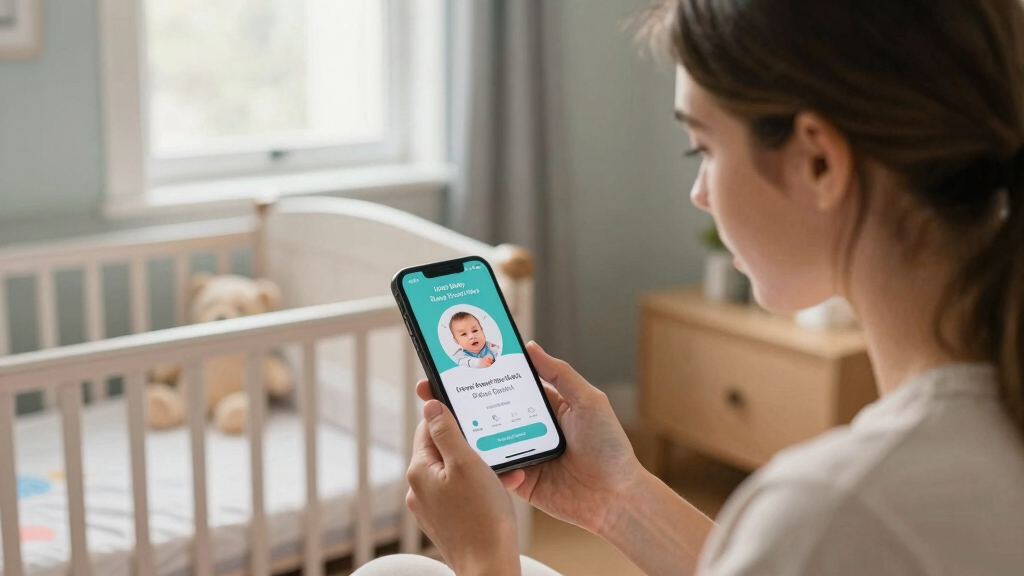
Imagine a sock that wraps around your baby’s foot, sensing tiny movements and heartbeat rhythms—these signals get sent to your phone for analysis. The better the sensors, the clearer the picture of your child’s sleep, but even the best sensors have limitations, especially when interpreting complex sleep behaviors.
As an affiliate, we earn on qualifying purchases.
How Do They Turn Raw Data Into Sleep Reports? It’s Actually Quite Simple
Once sensors collect signals, the device’s software processes the data to generate sleep summaries. Think of it as turning noise and movement into a bedtime report.
It looks for patterns: periods of stillness suggest sleep, while activity indicates wakefulness. The data is then summarized in graphs or charts that show sleep duration, number of awakenings, and sleep cycles.
For example, you might see a chart showing your baby slept 10 hours last night, with three brief wake-ups. This information helps you identify overall sleep trends and potential issues, such as frequent night wakings or shortened naps, which could signal discomfort, illness, or developmental stages. Understanding these patterns allows you to make informed decisions about routines or when to consult a pediatrician.
As an affiliate, we earn on qualifying purchases.
How Smart Are These Devices? What’s New in Baby Sleep Tech?
Modern baby sleep trackers are much smarter than early models. They incorporate AI and machine learning to analyze patterns more accurately and offer personalized advice.
Latest sensors are smaller, more comfortable, and better at picking up subtle signals like breathing irregularities or changes in sleep quality. This means they can sometimes alert you to issues that might require medical attention, such as irregular breathing or oxygen drops.
Some systems even combine video, sound, and movement data for a more complete picture—think of it as a multi-angle view of your baby’s sleep environment. This comprehensive data can help parents detect subtle changes that might otherwise go unnoticed, providing an early warning system for potential health concerns.
For example, an app might alert you if your baby’s oxygen levels drop or if they’re unusually restless, providing early warnings for potential issues. However, it’s important to remember that these insights are only as good as the data collected and should complement, not replace, medical advice.
How Accurate Are Baby Sleep Trackers? What Do You Need to Know?
Baby sleep trackers are helpful but not foolproof. They estimate sleep based on activity and sounds, which can lead to false alarms or missed wake-ups.
For instance, if your baby is very still while awake, the device might think they’re sleeping, leading to overestimations of sleep duration. Conversely, noisy environments or a baby who fusses but isn’t truly awake can cause false wake detection.
Understanding their limitations is crucial: these devices provide a general overview rather than precise measurements. They are best used to observe patterns over time, such as whether your baby is sleeping more or less than usual, or if sleep disruptions are increasing. This trend-based approach helps you identify issues early but should not replace clinical assessments or pediatric advice.
What Should You Be Careful About When Using Baby Sleep Trackers?
Privacy is a big concern. Some devices record audio or video and send data to cloud servers. Always choose reputable brands with strong security policies.
Over-relying on the data can cause unnecessary worry. Remember, a tracker is a tool, not a judge of your parenting or your baby’s health.
Make sure the device is safe—avoid those with invasive sensors or anything that might pose a choking hazard. Check that it’s approved for your baby’s age and follow the manufacturer’s safety instructions.
Should You Use a Baby Sleep Tracker? Weigh the Pros and Cons
Sleep trackers can give peace of mind and help you spot sleep issues early. But they’re not magic—they won’t replace your intuition or pediatric advice.
Consider your comfort with technology, privacy concerns, and whether your baby’s sleep is already generally good. If you’re anxious about sleep or want detailed insights, a tracker might help.
On the flip side, over-analyzing every wake-up can increase stress. Use them as a helpful addition, not the only answer.
Frequently Asked Questions
Are baby sleep trackers safe for my baby?
Most are safe when used properly and follow safety guidelines. Opt for reputable brands, avoid invasive sensors, and always supervise your baby, especially with wearable devices.
Can sleep trackers really tell when my baby is sleeping or awake?
They give helpful estimates based on movement and sound, but aren’t perfectly precise. Use them as a trend indicator rather than an exact clock.
Is it worth getting a sleep tracker for my baby?
If you’re anxious about sleep patterns or want extra peace of mind, a tracker can help. But trust your instincts and pediatric advice first—these are tools, not solutions.
How do I interpret the data from these devices?
Likely, your app will show sleep duration, number of awakenings, and sleep quality trends. Use this info to inform routines, but don’t obsess over every detail.
Are there risks or downsides to using baby sleep trackers?
Yes, privacy concerns and over-reliance can cause unnecessary stress. They can also produce false alarms. Use them wisely, not obsessively.
Conclusion
Baby sleep trackers can be a helpful peek behind the curtain of your child’s sleep—like a gentle, high-tech lullaby for your worries. But they aren’t perfect, and they shouldn’t replace your instincts or pediatric guidance.
Think of them as a helpful map, not the destination. Keep your focus on loving, attentive care, and use technology to support that journey.
Evergreen bestsellers Picks
bestsellers
As an affiliate, we earn on qualifying purchases.