TL;DR
Open a free Amazon Business account
Business pricing, bulk buying and tax-exempt orders.
Create a free accountAs an affiliate, we earn on qualifying purchases.
Car seat reminder alerts are often based on door activity or sensors, not actual occupant detection. Knowing their limits helps prevent dangerous mistakes and builds safer habits.
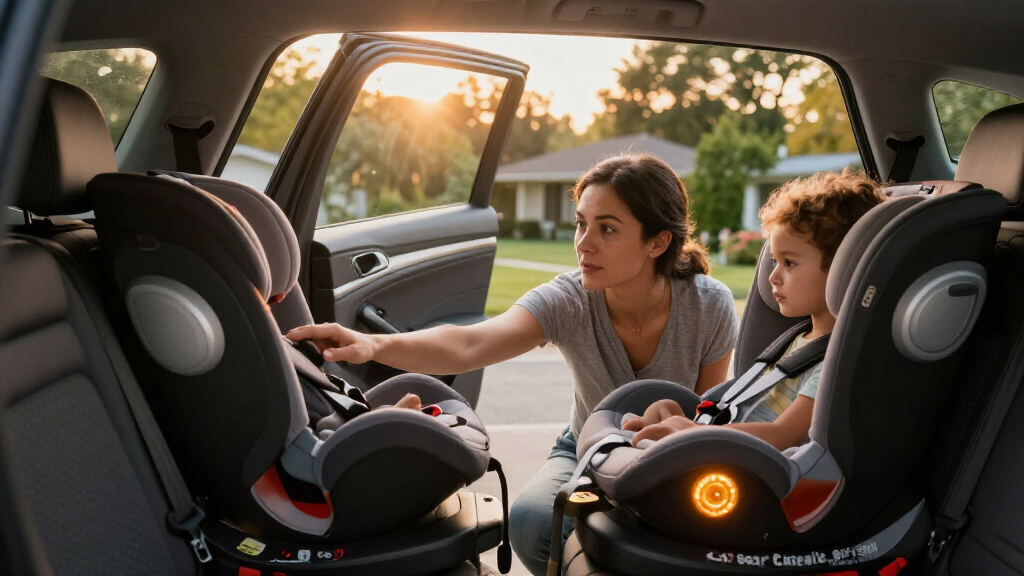
Imagine this: you’re rushing out the door, your mind cluttered, and you hear that familiar chime. Your car flashes a message: “Check Rear Seat.” But what does that really mean? Are you safe to leave, or could your child still be back there? Car seat reminder systems promise to prevent tragic mistakes, but they don’t all work the same way. Understanding how they function can mean the difference between peace of mind and a dangerous oversight.
In this guide, you’ll learn exactly how these alerts are triggered, what their limitations are, and how to develop smart habits that keep your little one safe. Because, let’s face it, no tech beats a quick double-check. But knowing what your system can and cannot do? That’s where real safety begins.
Most factory rear-seat reminders rely on door activity, not actual occupant detection.
False alarms are common; always physically check the back seat, don’t rely solely on alerts.
Radar and camera tech can detect tiny movements, but aren’t foolproof—use them as helpers, not guarantees.
Aftermarket sensors can add safety, but must be installed carefully and used consistently.
Develop a habit of opening the rear door and visually confirming the seat before leaving the vehicle.
Car Seat Reminder Systems: How the Alerts Actually Work
A dashboard message can sound reassuring—but it may know only that a door opened. Understanding the difference between inference, occupancy sensing, and direct observation turns an automated prompt into a safer habit.
Many factory systems track rear-door activity without confirming that a child is present.
Physically check the rear seat every time you leave the vehicle—even when no alert sounds.
Door, pressure, radar, camera, and connected-device approaches
Input, software decision, initial warning, and possible escalation
Rear-door history is often used as a proxy for rear-seat activity
A direct visual check remains the most dependable last step
Five ways a system decides to alert
The more directly a system observes the cabin, the more context it may provide. Yet every method has blind spots. The bars indicate how closely each input relates to actual occupant presence—not a guaranteed safety rating.
Door activity
Tracks whether a rear door opened before or during a trip. It infers that something may have been placed behind the driver.
Weight or pressure
A pad, seat sensor, buckle, or smart clip reacts to weight or harness engagement. Bags and uneven weight distribution can confuse it.
Radar or ultrasonic
Analyzes reflected signals and may detect extremely small movements associated with breathing, even when a child is sleeping.
Interior camera
Computer vision examines occupied seating positions and may use infrared in darkness. Glare, coverings, and unusual positions can obscure the view.
Connected car seat or accessory
Monitors a clip, buckle, pressure pad, phone distance, or temperature. Reliability depends on setup, batteries, permissions, and consistent use.
What happens before the car sounds off
An alert is the final output of a rule chain. If the input is missing, blocked, misread, or outside the monitoring window, the warning may never begin.
Input
A door switch, buckle, pressure pad, radar unit, camera, ignition state, or phone connection produces data.
Decision
Software applies a rule such as: rear door opened + ignition switched off.
Initial warning
The dashboard displays “Check Rear Seat,” usually paired with a chime or instrument-panel prompt.
Escalation
Advanced systems may respond again if the condition persists or the first warning is ignored.
What each technology really knows
No single checkmark means “foolproof.” It means only that the technology can observe that particular signal under suitable operating conditions.
| System type | Tracks door use | Detects a presence signal | Can alert after locking | Typical weak point |
|---|---|---|---|---|
| Door sequence | ✓ Yes | ✗ No | ✗ Usually no | Silent if the required rear-door event never occurs |
| Weight or pressure | ✗ No | ✓ Weight or buckle | ~ Product-dependent | Objects, small occupants, calibration, or restraint fit |
| Radar or ultrasonic | ✗ Not required | ✓ Movement | ✓ Possible | Sensor placement, obstruction, cabin geometry, or software |
| Interior camera | ✗ Not required | ✓ Visual context | ~ System-dependent | Glare, coverings, darkness, viewing angle, or privacy settings |
| Connected accessory | ~ Sometimes | ~ Device-dependent | ✓ Often | Battery, Bluetooth, app permissions, installation, or user routine |
Technology helps. Confirmation protects.
False alerts can encourage dismissal, while missed inputs can create dangerous silence. Treat every warning as a prompt to check—and every quiet shutdown as a reason to check anyway.
Why the alert can be wrong
- Door history is not occupancy. Groceries can trigger a reminder; a child already inside may not.
- Objects can imitate weight. Bags and cargo may activate pressure-based warnings.
- Sensors need a clear signal. Cargo, coverings, glare, cabin shape, and unusual positions can reduce detection.
- Connected devices need upkeep. Dead batteries, disabled permissions, closed apps, or lost Bluetooth can break the alert chain.
- Accessories must preserve restraint safety. Use only products permitted by the car-seat manufacturer and install them exactly as directed.
Make the check automatic
Use the same physical sequence at every stop. The goal is to make verification independent of memory, distraction, or technology.
The rule: Let the system remind you, but never let it replace you.
Door-Sequence Reminders: The Most Common but Least Accurate
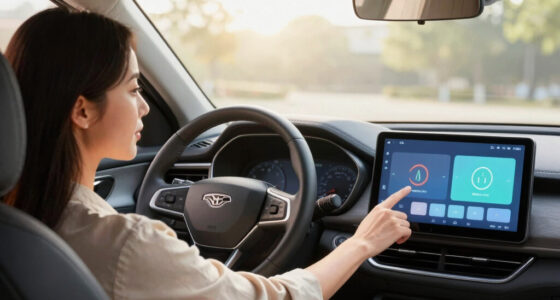
Door-sequence reminders are the most common factory-installed alerts. They work by tracking whether a rear door was opened before or during your trip. When you turn off the engine, the dashboard lights up with a message like “Check Rear Seat,” often accompanied by a chime.
For example, if you open the rear door to load groceries or a kid, the system registers that activity. But here’s the catch: it doesn’t know if a child is actually in the seat. It simply infers that the door activity might mean something was placed in the back. So, it can chirp even when the rear seat is empty, or fail to alert if the door wasn’t opened during the monitored window.
Think of it as a helpful nudge, not a definitive detector. Its simplicity makes it affordable and reliable, but you must remember—this is a reminder, not a sensor that confirms an occupant’s presence.
As an affiliate, we earn on qualifying purchases.
Why Door Activity Doesn’t Guarantee a Child Is in the Seat
Many parents assume that if they see a “Check Rear Seat” alert, their child must be back there. Not necessarily. These systems trigger based on whether a rear door was opened and closed within a certain window. If you load your child through the front door or forget to open the rear door, the alert might never activate.
For instance, if you place your sleeping baby in the car seat early in the morning, and don’t open the rear door during your trip, the system might never know your kid is there. It’s like a game of hide-and-seek—unless the door activity matches its monitoring window, it stays silent.
This disconnect highlights that these reminders are more about your routine than actual occupant detection. They’re helpful cues, but not foolproof.
As an affiliate, we earn on qualifying purchases.
How Weight and Pressure Sensors Try to Detect Who’s in the Seat
Some systems go a step further by using weight sensors or pressure pads—like a smart buckle or seat sensor—to detect if someone is sitting in the seat. These are designed to sense the presence of a child or adult based on weight or harness engagement.
For example, a car with a pressure-sensitive seat pad might chirp when you turn off the engine if it detects weight. But here’s where it gets tricky: objects like bags or groceries can trigger false alarms. Small children might not always activate the sensor reliably, especially if they’re sleeping or curled up. Car seats distribute weight differently than adults, so the sensor must be calibrated carefully.
And remember—aftermarket pads need to be approved by the car seat manufacturer. Installing unapproved sensors can compromise safety or interfere with proper restraint fit.
As an affiliate, we earn on qualifying purchases.
Radar and Ultrasonic Detection: The High-Tech Way to Spot Movement
For a more advanced approach, some vehicles use radar or ultrasonic sensors to detect movement inside the cabin. These systems send out signals, analyze reflections, and can identify even tiny motions—like a child breathing or a blanket shifting.
Imagine sitting in a car with a radar sensor that picks up your sleeping baby’s chest rising and falling. This technology can notify you if it detects unusual inactivity or if a child is left behind after you’ve exited the vehicle.
Performance varies based on sensor placement, cabin shape, and software calibration. If a blanket covers the child, or if the sensor is blocked by cargo, detection might fail. Some systems escalate alerts—like sounding the horn or sending a phone notification—if movement isn’t detected after the vehicle is locked.
This is the cutting edge, but it’s not perfect. It’s best understood as a sophisticated helper, not a guaranteed solution.
As an affiliate, we earn on qualifying purchases.
Camera-Based Systems: Seeing Is Believing?
Camera-based occupant detection uses interior cameras combined with computer vision. These systems analyze images to determine if someone is seated and whether a seatbelt is fastened. They can tell if a child or pet is in the seat, even in darkness, thanks to infrared technology.
For example, some newer vehicles scan the rear seats and display a visual alert if they detect an occupant. But glare, coverings, or curtains can obscure the camera’s view, leading to missed detections. Privacy concerns also come into play, making some parents hesitant to rely solely on cameras.
While promising, camera systems still face challenges—like poor lighting or unusual seating positions—that can impact reliability. They’re more about providing context rather than a foolproof occupant detector.
Aftermarket Devices and Connected Car Seats: Extra Layers of Safety
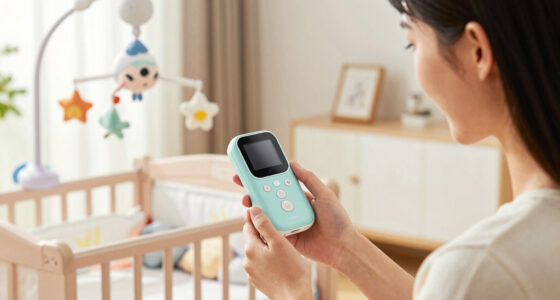
Some parents add aftermarket gadgets—like pressure-sensitive clips, Bluetooth-connected sensors, or smart buckles—that alert you if your child’s seat is occupied or if you leave the vehicle with them buckled in.
For example, a Bluetooth device on the child’s harness can send a signal to your phone if the child remains buckled when you exit. Or, a pressure pad under the seat can trigger an alert if it detects weight after the engine turns off.
These devices depend heavily on correct setup, battery life, and consistent use. If the app isn’t running or the sensor’s battery dies, the safety net falls apart. Plus, some aftermarket products aren’t approved by car-seat manufacturers, so they might interfere with proper restraint performance.
From Detection to Alert: How Your Car Decides to Sound Off
Once a system detects activity or occupancy, it follows a simple decision process. First, it collects data—door switches, pressure sensors, radar signals, or camera feeds. Then, software applies rules: “Did the rear door open before or during the trip?” or “Is movement detected after locking?”.
If the rules are met, it issues an initial warning—like a dashboard message or chime. If ignored or if the situation persists, some systems escalate by sounding the horn, sending a notification to your phone, or activating emergency responses.
Think of it as a digital alarm system—designed to catch your attention, but only as good as the data it receives. Misinterpretations or missed signals can lead to false alarms or missed detections.
Limitations You Need to Know Before Relying on These Systems
No reminder system is perfect. Many failures happen because a rear door wasn’t opened within the system’s monitoring window, or because a caregiver dismissed an alert without a quick check.
Other issues include disconnected Bluetooth devices, dead batteries, blankets covering the child, or the child remaining too still for sensors to detect movement. Plus, some systems can be turned off or disabled, making them useless in emergencies.
It’s easy to develop a false sense of security. Remember, these alerts are aids, not replacements for a thorough, physical check of your vehicle’s back seats.
What’s New? The Future of Car Seat Detection Technology
The industry is shifting toward more direct occupant detection methods. Radar and camera systems, integrated with smartphone apps and connected vehicle features, are becoming more common. Some vehicles now offer alerts that persist after you’ve exited, or escalate if no movement is detected.
European safety programs, for example, reward vehicles that detect children directly, pushing manufacturers to innovate. In the U.S., legislations are encouraging similar developments, aiming to reduce tragic incidents of children left behind.
Expect future systems to be smarter—distinguishing kids from luggage, and even recognizing when a child is asleep or covered by a blanket. But they’ll still need your help: tech can’t replace your routine check.
Frequently Asked Questions
Does my car actually know that a child is in the back?
Most cars don’t. Many only remember that a rear door was opened, not whether a child is actually in the seat. Check your owner’s manual to see if your system uses door activity or occupant detection.
What triggers the “Check Rear Seat” warning?
Usually, opening and closing a rear door before or during your trip. The specific window varies by manufacturer, but it’s often within a few minutes of door activity.
Why did the warning appear when nobody was in the back?
Because many systems only track door activity, not occupancy. It can’t tell if a child or groceries are back there—just when a door was opened or closed.
Can the system detect a sleeping baby?
Door-based systems can’t. Radar sensors might detect breathing movements, but their reliability varies. Always check manually—don’t rely solely on tech for peace of mind.
Will it work if the child was placed in the car earlier?
If the rear door wasn’t opened during the monitoring window, the system might not alert you. It’s best to develop a habit of opening the rear door or visually checking every trip.
Conclusion
Your car’s reminder system is a helpful tool, but it’s not a substitute for a quick physical check. Think of it as a helpful alarm that can fail or false alarm. The safest move? Always look inside your vehicle, even if the alert isn’t ringing.
By understanding how these systems work—and where they fall short—you can build smarter routines that truly protect your child. After all, in safety, a simple habit beats a high-tech gadget every time.
Fall Picks
fall essentials
As an affiliate, we earn on qualifying purchases.