TL;DR
Prime for Young Adults — start your free trial
Fast free delivery, streaming and member deals for eligible 18–24 year olds.
Try it freeAs an affiliate, we earn on qualifying purchases.
A popular advice column discusses an aging mother who appears disinterested in her daughters, prompting questions about aging, family dynamics, and mental health. The development has attracted increased public attention, though details remain limited.
A widely read parenting column has highlighted a case where an aging mother appears disinterested in her daughters, prompting public concern and discussion about family dynamics in later life. The column, which has garnered increased attention recently, does not specify the identities involved but reflects a broader trend of rising concerns about aging and emotional well-being among older adults.
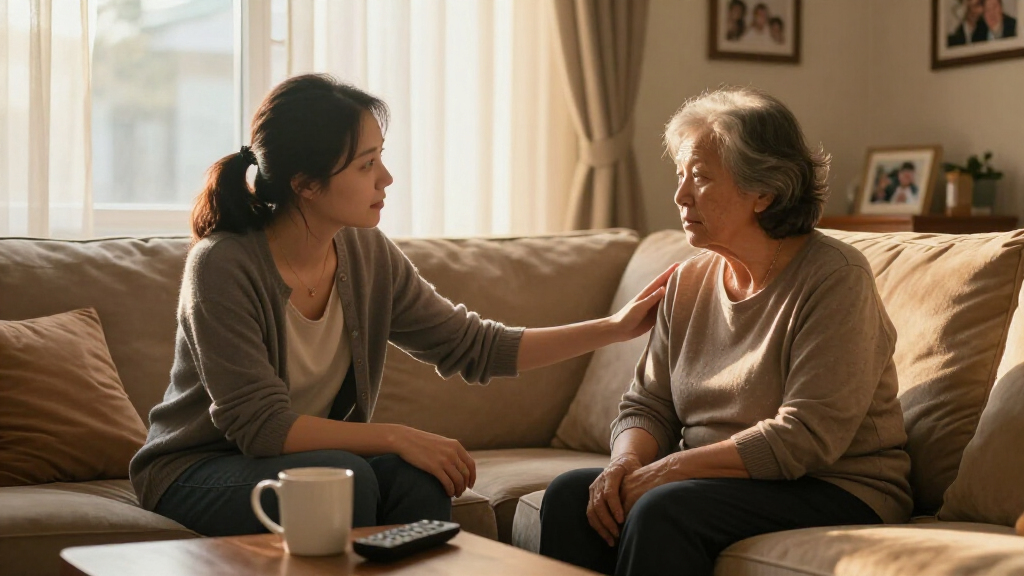
The column, titled ‘Asking Eric,’ describes a scenario where an elderly mother shows little interest in her daughters’ lives, conversations, or emotional needs. The author suggests that such disinterest may be linked to age-related cognitive or emotional changes, but emphasizes that no formal diagnosis has been made. The story has resonated widely, leading to increased online searches and social media discussions about similar experiences among families, as discussed in family dynamics and emotional challenges.
Experts note that disinterest or withdrawal in older adults can stem from various causes, including depression, dementia, or other health issues, but stress that each case is unique. For more insights, see family relationship challenges. The column’s popularity has spiked in recent days, reflecting a growing concern about how families navigate the emotional challenges of aging parents, especially when their behavior appears to change unexpectedly.
Why Family Disconnection in Aging Parents Matters
This trend underscores the importance of recognizing mental health and cognitive issues in older adults, which can significantly impact family relationships. As the population ages, more families may encounter similar situations, making awareness and early intervention critical. The discussion also highlights the emotional toll on adult children who may feel confused, hurt, or helpless in these circumstances.
Understanding the reasons behind an aging parent’s disinterest can inform better caregiving strategies and mental health support, potentially improving quality of life for both parents and children. The widespread attention to this issue suggests that it is a growing concern with societal implications, including the need for increased resources and support systems for aging families.
elderly cognitive health supplements
As an affiliate, we earn on qualifying purchases.
As an affiliate, we earn on qualifying purchases.
Rising Public Interest in Aging and Family Relationships
The concern over aging parents’ changing behaviors is part of a broader societal trend, with increased media coverage and public discourse about elder mental health, caregiving, and family dynamics. While specific cases vary, the phenomenon of older adults becoming withdrawn or disengaged is well-documented in research related to dementia, depression, and social isolation.
The recent spike in search interest and media attention appears to be triggered by the popularity of the column, though the underlying causes of such behavior remain complex and multifaceted. Historically, family estrangements and emotional withdrawal in later life have been topics of concern in gerontology and mental health fields, but public awareness is rising as more stories gain visibility.
dementia communication tools for seniors
As an affiliate, we earn on qualifying purchases.
As an affiliate, we earn on qualifying purchases.
Unconfirmed Causes Behind the Disinterest
It is not yet clear what specific factors are causing the aging mother’s apparent disinterest. Possible explanations include health issues like depression or dementia, but no diagnosis has been publicly confirmed. The details of the case remain limited, and it is unknown whether this behavior is temporary or indicative of a longer-term change.
mental health support for aging parents
As an affiliate, we earn on qualifying purchases.
As an affiliate, we earn on qualifying purchases.
Monitoring Family Dynamics and Mental Health Resources
Experts suggest that families should seek professional assessments if they notice similar behaviors in aging relatives. Mental health and geriatric specialists may provide guidance on intervention strategies. Public awareness campaigns and support groups are also likely to increase as discussions about aging and emotional well-being continue to grow.
Further research and case studies are expected to shed light on the underlying causes and effective responses to such situations, helping families navigate these challenging dynamics more effectively.
As an affiliate, we earn on qualifying purchases.
Key Questions
Could this disinterest be a sign of a serious health issue?
Yes, disinterest or withdrawal can be symptoms of conditions like depression or dementia, but a professional assessment is necessary to determine the cause.
Is this behavior common among aging parents?
Behavioral changes are common in aging due to health issues, cognitive decline, or emotional factors, but each case is unique.
What should adult children do if they notice this in their parent?
They should consult healthcare professionals for evaluation and consider mental health support, caregiving resources, and open communication.
Why has this issue gained recent public attention?
The popularity of the ‘Asking Eric’ column and increased social media discussion have amplified awareness of emotional challenges in aging families.
Are there societal resources to help families dealing with aging disinterest?
Yes, many communities offer mental health services, caregiver support programs, and educational resources for families facing similar issues.
Source: rss
Fall yard work Picks
leaf blowers
As an affiliate, we earn on qualifying purchases.