TL;DR
Sound machines help block out noise and improve sleep during flights. Use headphones, keep volume low, and choose the right device to be considerate of fellow passengers and follow airline policies.
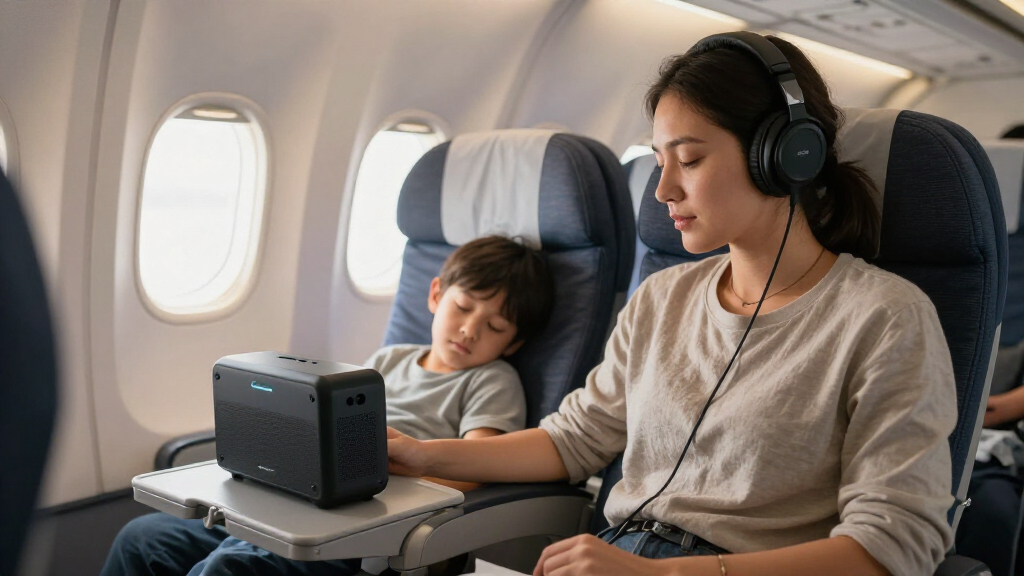
Imagine settling into a cramped airplane seat, surrounded by the drone of engines, crying babies, and chattering passengers. A good sound machine can drown out that chaos, turning your seat into a cozy cocoon of calm. But just because it helps you rest doesn’t mean you can blast your favorite sounds without considering others.
This guide is about how to use sound machines on a plane without disturbing your neighbors—covering etiquette, practical tips, and recent tech advances. Whether you prefer a tiny device, an app on your phone, or high-end noise-canceling headphones, knowing the best way to use them makes your trip smoother—and more restful.
Always use headphones when playing sound to prevent disturbing others.
Keep the volume low enough that your sound isn’t audible outside your headphones.
Choose compact, rechargeable devices or reliable apps tailored for travel.
Be mindful of airline policies and follow crew instructions during critical flight phases.
Test your device’s volume and battery life before the flight to avoid surprises.
Why using a sound machine on a plane can make or break your trip
A sound machine can be a game-changer for sleep and stress relief on flights. It creates a consistent, soothing background that masks the loud hum of engines, chatter, and crying babies. This consistency can help your brain relax, making it easier to fall asleep and stay asleep amid the unpredictable noises of a plane. However, if used thoughtlessly—such as playing sounds at full volume or without headphones—it can disturb fellow passengers, creating tension and discomfort. The tradeoff here is between your comfort and considerate behavior. When used properly, a sound machine can enhance your travel experience without negatively impacting others. Conversely, neglecting etiquette can lead to complaints, a ruined mood, or even intervention from flight staff. The key is understanding that your comfort shouldn’t come at the expense of others’ peace, and that mindful use fosters a more harmonious environment onboard.
portable white noise machine for travel
As an affiliate, we earn on qualifying purchases.
As an affiliate, we earn on qualifying purchases.
How to choose the right sound machine for airplane use
Selecting the ideal sound device for air travel involves considering not just portability but also how well it integrates into the confined space of an airplane. A device that is too bulky or heavy defeats the purpose of convenience; therefore, compact, lightweight models become preferable. Battery life is critical—long-lasting batteries or rechargeable options ensure your device won’t die mid-flight, which can be frustrating and disrupt your sleep. When choosing sounds, opt for those that are soothing and natural, like rain or ocean waves, which tend to promote relaxation without being overly stimulating or harsh. The tradeoff to consider is between physical devices versus smartphone apps. Apps are convenient but can drain your phone’s battery and may be less effective if your device isn’t well-isolated acoustically. Noise-canceling earbuds or headphones are an alternative, offering the dual benefit of blocking ambient noise and delivering your preferred sounds directly to your ears. Whichever option you choose, ensure it’s safe for airplane environments—check for any recalls or safety warnings related to batteries or design features—and test it beforehand to ensure it meets your needs without causing unintended disturbance.
noise-canceling headphones for airplane sleep
As an affiliate, we earn on qualifying purchases.
As an affiliate, we earn on qualifying purchases.
Mastering airplane etiquette: volume, headphones, and timing
The significance of considerate use when operating sound machines on a plane cannot be overstated. Volume control is essential because even a slightly loud sound can leak from earbuds or speakers, disturbing nearby passengers. Using high-quality, noise-canceling headphones not only enhances your listening experience but also minimizes sound leakage, creating a personal sanctuary of calm. Setting the volume at a level where only you can hear it—often described as ‘inside your head’—is crucial because it prevents accidental disturbance. Timing also plays a vital role. For example, turning on your sound machine before takeoff or during designated sleep periods helps establish a routine that signals rest, but during critical moments like announcements or turbulence, turning it off or lowering the volume ensures safety and attentiveness. Additionally, being mindful during social interactions—such as conversations or in-flight entertainment—means turning down or pausing your device to avoid disrupting others. The key is to recognize that your comfort should not infringe on others’ peace, which requires ongoing awareness and courtesy. When in doubt, politely checking with neighboring passengers about their comfort level fosters goodwill and enhances everyone’s flying experience.
compact rechargeable sound machine
As an affiliate, we earn on qualifying purchases.
As an affiliate, we earn on qualifying purchases.
The latest tech and tips for better airplane sound masking
Technology advancements are transforming how travelers create personal soundscapes onboard. Active noise-canceling earbuds like AirPods Pro or Sony WF-1000XM5 are now capable of reducing ambient noise more effectively than traditional passive earplugs, allowing you to enjoy your preferred sounds at lower volumes—this not only improves sleep quality but also reduces the risk of disturbing others. These devices work by analyzing incoming noise and generating anti-noise signals, which cancel out background sounds. Meanwhile, apps such as myNoise, Noisli, and Relax Melodies offer a vast array of customizable soundscapes—from gentle rain to forest sounds—allowing you to tailor your environment precisely. Some apps even incorporate adaptive sound features that adjust to the ambient noise levels or your sleep stages, optimizing relaxation. Battery life has also improved, with portable power banks enabling extended use without worry. Automatic volume adjustment features in newer devices help prevent sudden loud noises, maintaining a peaceful environment. Combining high-quality headphones with adaptive apps can effectively create a private oasis of calm, even amidst the loudest cabins, providing a personalized retreat that enhances rest and reduces stress during flights.
As an affiliate, we earn on qualifying purchases.
What airline policies say about using sound devices and headphones
Most airlines recognize the importance of personal electronic devices for comfort and entertainment, but policies can vary based on airline and flight phase. Typically, you are allowed to use sound machines and smartphones in airplane mode, which ensures no interference with aircraft systems. During takeoff and landing, safety protocols often require devices to be turned off or set to silent mode, emphasizing the importance of following crew instructions. Some airlines explicitly permit the use of noise-canceling headphones and sound machines, understanding their role in passenger well-being, while others recommend keeping volumes low to prevent disturbances. The implications of these policies are significant; adherence ensures a smooth flight and avoids potential safety issues or delays. For instance, during turbulence or critical phases, crew might request all electronic devices to be turned off or minimized. It’s advisable to review your airline’s specific policies before flying—this proactive approach prevents misunderstandings and ensures compliance, contributing to a more pleasant experience for everyone onboard.
Avoiding common pitfalls: noise leakage, battery issues, and etiquette slip-ups
Even with the best intentions, improper use of sound devices can cause issues that disrupt the flight experience for everyone. One of the most common pitfalls is playing sounds at too high a volume, which not only risks disturbing nearby passengers but also can lead to hearing damage over time. To prevent this, always test your device’s volume before boarding—if you can hear your sounds outside your headphones, it’s too loud. Battery problems are another concern; a device that dies unexpectedly can interrupt your rest and cause frustration. Always fully charge your device beforehand and consider carrying portable chargers or spare batteries to ensure continuous operation. Etiquette-wise, respecting others’ space and comfort is paramount. Avoid pressing your device or volume to the maximum, and be attentive to cues from fellow passengers or crew. If someone requests you to lower your volume, respond graciously and comply promptly. Remember, the goal is a peaceful, enjoyable flight for everyone, which depends on your awareness, preparation, and respectful behavior. Small adjustments and mindfulness can prevent discomfort and foster a courteous atmosphere onboard.
Conclusion
Using a sound machine on a plane can turn a noisy, stressful experience into a peaceful retreat—if done considerately. The secret lies in respecting your neighbors and choosing the right equipment.
Next time you board, picture your personal cocoon of calm. A little courtesy and smart tech can make all the difference—transforming your flight from chaos to comfort, one sound at a time.