
TL;DR

Turn the school run and nap time into listening time
- Thousands of audiobooks, podcasts and originals
- Listen on your phone, tablet or Echo — also offline
- Cancel anytime
Car seat reminder apps and built-in vehicle alerts both aim to prevent hot car tragedies, but built-in alerts are generally more reliable due to automation. Combining both, plus vigilant supervision, offers the best safety net.
Imagine the heat rising inside your car, the silence broken only by the distant hum of traffic. Now, think about how easy it is to forget a sleeping child in the back seat. It’s a mistake no parent wants to make, yet it happens far too often. That’s where safety tech steps in, offering a lifeline in busy, distracted moments.
But not all systems are created equal. Some rely on your smartphone, while others are built into the vehicle itself. Understanding how each works, and their pros and cons, can help you choose the right safety layer for your family. Let’s compare these two approaches—car seat reminder apps versus built-in vehicle alerts—and see which one offers the most peace of mind.
Built-in vehicle alerts are generally more reliable due to automation and direct integration.
Car seat reminder apps are flexible, inexpensive, and useful for older vehicles or as a backup.
Combining both systems provides the strongest safety layer—never rely solely on one.
Regularly check and maintain sensors, whether in your car or the app, to keep safety features working.
Remember: tech helps, but vigilant supervision remains your best defense.
Car Seat Reminder Apps vs Built-In Vehicle Alerts
Both systems aim to interrupt a dangerous moment of distraction. Apps offer an affordable safety layer for almost any vehicle; integrated alerts gain an edge by operating automatically. The strongest protection combines technology with a deliberate back-seat check every time.
Two routes to the same critical reminder
A reminder app begins with a phone connection. A built-in alert begins with the vehicle itself. That distinction shapes setup, coverage, and the number of conditions that must go right before an alert reaches the caregiver.
Car seat reminder apps
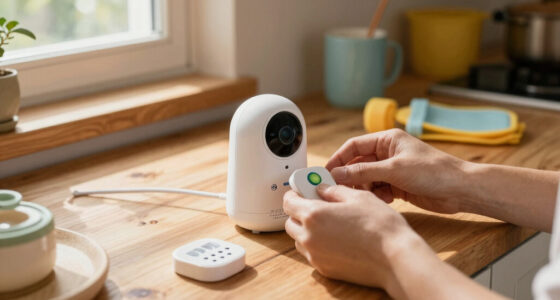
An app may pair with a Bluetooth accessory, car-seat sensor, motion sensor, smartwatch, or vehicle connection. When the trip ends, it prompts the caregiver to check the rear seat.
Built-in vehicle alerts
Integrated systems may track rear-door activity or use occupancy, weight, motion, or camera-based sensing. After the engine is turned off, the vehicle can issue a chime, dashboard message, light, or connected notification.
Which system fits your life?
Built-in alerts reduce setup friction and phone-related failure points. Apps trade some reliability for broader compatibility, lower cost, and the ability to add protection without buying a newer vehicle.
| Feature | Car seat reminder apps | Built-in vehicle alerts |
|---|---|---|
| Detection method | ~Bluetooth accessories, manual input, motion sensing, or trip detection | ✓Rear-door logic, occupancy sensors, weight sensors, motion sensors, or cameras |
| Ease of use | ~Requires installation, pairing, permissions, and periodic interaction | ✓Usually operates automatically once equipped and configured |
| Compatibility | ✓Works across many smartphones, car seats, and vehicle ages | ~Limited to equipped vehicles and varies by model or trim |
| Cost | ✓Often free or low-cost; accessories may be purchased separately | ~Usually bundled into the vehicle or a safety package |
| Reliability | ~Can be affected by battery, Bluetooth, permissions, or missed setup | ✓Fewer user steps and no separate phone connection for core alerts |
| Coverage | ~Varies with the app, accessory, phone state, and sensor quality | ✓Consistent within the vehicle’s supported seats and detection design |
| Best use | ✓Older vehicles, multiple vehicles, shared caregivers, and backup alerts | ✓Everyday automatic protection in a properly equipped newer vehicle |
✓ indicates a relative advantage; ~ indicates a capability with meaningful conditions or variation. Features differ by product and vehicle, so always check the manual and manufacturer specifications.
Automation removes fragile steps
Reliability is not only about sensor quality. It also depends on how many devices, connections, permissions, and remembered actions stand between the occupied seat and the final alert.
Match the safety layer to the vehicle
The choice is rarely either-or. Start with the system already in the vehicle, identify its limits, then add an independent reminder where it improves coverage without adding confusing routines.
Choose an app or aftermarket sensor
A well-maintained reminder accessory can add useful protection where factory technology is unavailable. Test it regularly and confirm phone settings after updates.
Use the built-in system
Keep the feature enabled, learn what activates it, and understand whether it detects actual presence or simply remembers that a rear door was opened.
Combine independent layers
Use the vehicle alert as the automatic foundation and a phone or routine-based reminder as backup—then physically check the rear seat every time.
The safety hierarchy
A good system is enabled, understood, tested, and backed by a consistent caregiver routine. Redundancy helps most when each layer works independently.
Built-in vehicle alerts generally reduce user-dependent failure points.
They are flexible, inexpensive, and especially useful in older vehicles.
Combining systems can cover more failure modes than either one alone.
Check sensors, permissions, pairing, calibration, and alert settings.
Your deliberate physical check remains the strongest final defense.
Frequently asked questions
Features and terminology vary widely. Confirm exactly what your system detects, when it activates, where it sends alerts, and what conditions may prevent it from working.
Are reminder apps reliable enough on their own?
No reminder technology should be used as the only safeguard. Apps can add a valuable prompt, but a dead battery, disabled permission, lost connection, or missed setup can interrupt the alert.
Do all new cars have child-presence alerts?
No. Availability varies by manufacturer, model, trim, market, and model year. Many recent vehicles offer some form of rear-seat reminder, but not every system directly detects a child.
Can an older vehicle be retrofitted?
Factory-style integration is often impractical, but aftermarket car-seat sensors, reminder devices, and Bluetooth-enabled accessories can add similar functionality.
What if the built-in alert stops working?
Review the vehicle manual, confirm the feature is enabled, inspect accessible sensors for obstruction, and have the system professionally checked if the problem continues.
Should privacy be a concern?
Vehicle sensors may operate locally, while apps can collect device, location, or usage information. Review permissions, privacy policies, data-sharing settings, and account security before use.
Choose automation where available, add a sensible backup, maintain every layer—and make “look before you lock” an unbreakable habit.
How Do Car Seat Reminder Apps Keep Your Kid Safe?
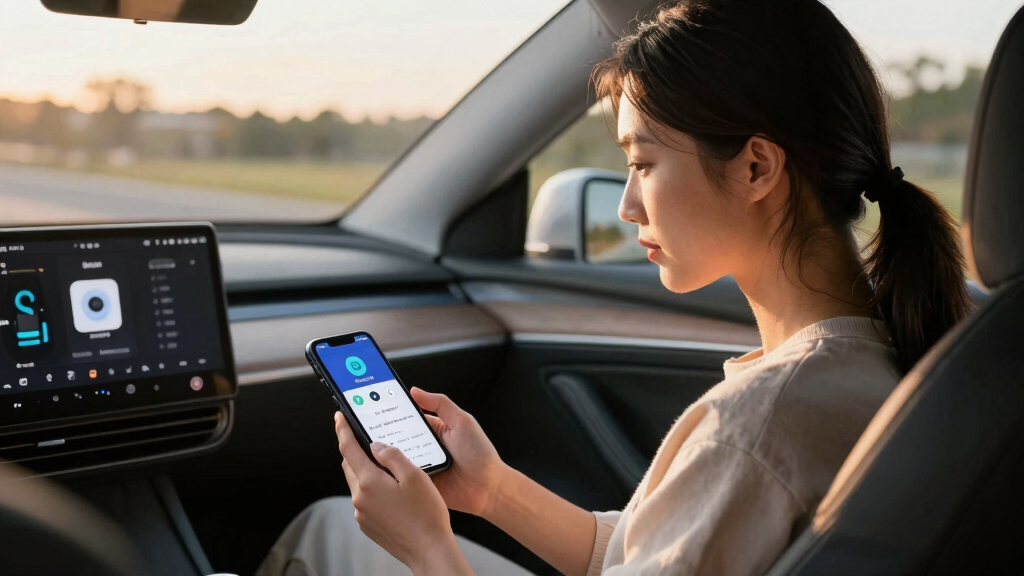
Car seat reminder apps are like a digital safety net that sits in your pocket—your smartphone. They typically use Bluetooth or Wi-Fi to connect with sensors or accessories placed in the car seat. When the sensor detects a child is in the seat, the app activates.
Once you turn off the engine and walk away, the app sends a reminder to check the back seat. Some apps even send alerts to your watch or other devices, making it harder to ignore. For example, an app might beep loudly if you forget to look back before locking the doors.
These apps are convenient because they work across various vehicles and are often inexpensive. But they depend on your phone being charged, Bluetooth connection working, and you remembering to open the app. They’re helpful, but not foolproof—think of them as an extra set of eyes, not the main guard.
As an affiliate, we earn on qualifying purchases.
What Makes Built-In Vehicle Alerts More Reliable?
Built-in vehicle alerts are like having a dedicated safety guard installed inside your car. These systems use sensors—weight sensors, seat occupancy detectors, or cameras—to automatically recognize when a child is in the seat. Once the engine turns off, they monitor for any remaining presence.
If the system detects a child still in the car, it triggers visual or auditory alerts—like a chime, a flashing light, or a message on your dashboard. Some newer vehicles even send notifications to your smartphone via the infotainment system.
Because these alerts operate automatically, they don’t rely on your memory or Bluetooth connections. An example? A 2022 Honda Odyssey features an automatic child presence detection system that activates whenever the engine is off—no manual setup required. This reliability makes built-in alerts a crucial safety feature in many newer models.
built-in vehicle child safety alert
As an affiliate, we earn on qualifying purchases.
As an affiliate, we earn on qualifying purchases.
Comparison Table: Apps vs Built-In Alerts — Which Fits Your Life?
| Feature | Car Seat Reminder Apps | Built-In Vehicle Alerts |
|---|---|---|
| Detection Method | Bluetooth sensors, manual input, motion sensors | Seat sensors, weight sensors, cameras |
| Ease of Use | Requires setup, pairing, and user interaction | Automatic once installed/configured |
| Compatibility | Works with most smartphones and Bluetooth-enabled devices | Limited to vehicles with built-in systems, newer models mostly |
| Cost | Low; free apps or inexpensive accessories | Included in vehicle price, no extra cost |
| Reliability | Dependent on phone, Bluetooth connection, user action | High; operates automatically, fewer human errors |
| Coverage | Varies depending on app and sensor quality | Consistent in vehicles equipped with sensors |
As an affiliate, we earn on qualifying purchases.
When Should You Rely on Each System?
If you own an older vehicle, a good car seat reminder app can be a lifesaver. It adds a layer of security where built-in tech isn’t available. For busy parents constantly on the move, an app can serve as a backup reminder, especially if you’re juggling multiple kids or car seats.
But if you drive a newer car—say, a 2023 Subaru Outback with built-in child detection—trust the system. It’s designed to work silently in the background, reducing the chance of human error or forgetfulness. Combining both, using an app as a backup to your vehicle’s alert, provides the strongest safety net.
In scenarios like school runs, long road trips, or quick errands, understanding when each system works best helps you stay vigilant. Remember, no tech can replace your eyes and instincts, but they can definitely help prevent a tragedy.
As an affiliate, we earn on qualifying purchases.
Frequently Asked Questions
Are car seat reminder apps reliable enough to prevent accidents?
While helpful, apps are supplementary tools that shouldn’t replace your vigilance. They add an extra reminder, but you must still check your back seat manually, especially if the app malfunctions or Bluetooth disconnects.
Do all new cars have built-in child detection alerts?
No, not yet. But many newer models from 2020 onward include these features as standard or optional, especially in higher trims or safety packages. Check your vehicle’s manual or manufacturer specs to confirm.
Can I retrofit my older vehicle with built-in alerts?
Typically, no. Older cars lack the sensors needed. However, aftermarket sensor systems and Bluetooth-enabled devices can add similar detection capabilities, though they might not integrate as seamlessly.
What should I do if my vehicle’s alert system isn’t working?
Consult your vehicle’s manual, ensure sensors are clean and properly calibrated, and consider having a professional inspect the system. Regular maintenance keeps these safety features functioning properly.
Are there privacy concerns with these systems?
Built-in sensors usually don’t record personal data. App-based systems might collect usage data, so review privacy policies and settings to stay informed about what’s shared and stored.
Conclusion
Ultimately, the safest approach combines automation with awareness. Built-in alerts act like a dedicated guardian, while apps serve as a handy safety net. Trust in technology, but never forget that your eyes and instincts are your strongest tools in protecting your child.
Next time you start your car, picture your little one peacefully asleep in the back. Let that be your reminder: safety tech is there to support, but your vigilance keeps them safe.
Cold & flu season Picks
humidifiers
As an affiliate, we earn on qualifying purchases.