TL;DR
Smart sleep tech tailored for twins offers dual sensors, environmental adjustments, and real-time alerts. It helps parents track each child’s sleep individually and respond quickly to issues, improving sleep quality and peace of mind.
Managing sleep for twins is a whole different ballgame—imagine trying to keep tabs on two tiny humans with different needs, all while sleep-deprived yourself. That’s where smart sleep tech comes in. These devices aren’t just about tracking sleep—they’re about giving you peace of mind, real-time insights, and the ability to fine-tune your little one’s sleep environment.
If you’re juggling twin sleep schedules, you know how tricky it can be. But new tech advances are making it easier to monitor each twin separately, respond quickly to issues, and create a calmer, more restful space for everyone. This guide dives into what changes when you add a second baby to your sleep tech setup, and how to choose the right tools for your family.
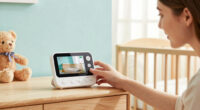
Dual sensors and split-screen displays allow personalized monitoring for each twin, preventing missed issues.
Environmental controls integrated into smart tech can tailor room conditions for better sleep quality.
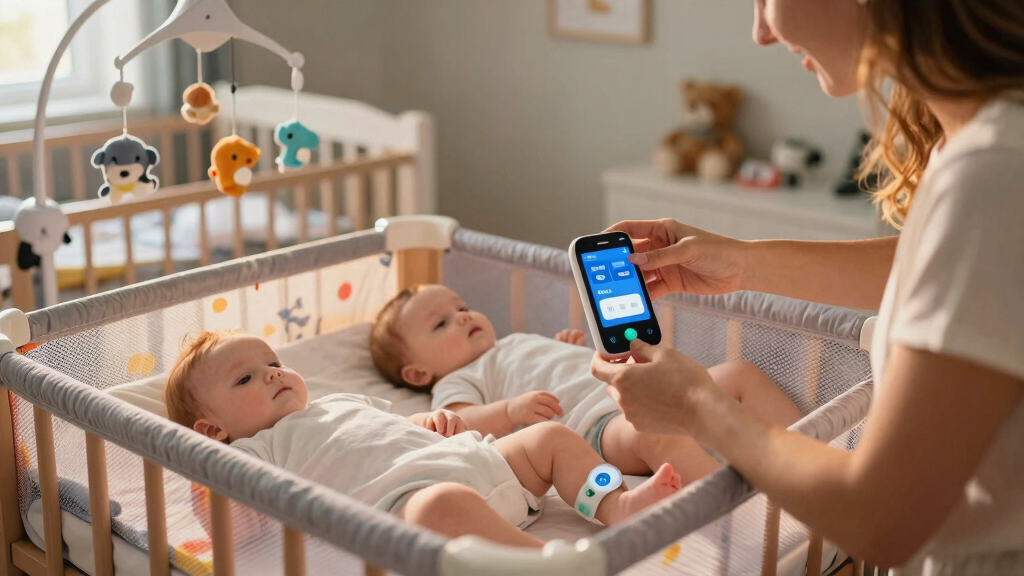
Real-time alerts give parents immediate updates on breathing or temperature issues, enabling quick responses.
Tracking sleep patterns for each twin helps optimize routines and supports healthy development.
Prioritize safety certifications and data privacy when choosing smart sleep devices for twins.
Why Twin Sleep Tech Needs to Do Double Duty
Smart sleep devices for twins must go beyond basic monitoring. Each baby has unique sleep patterns, breathing rhythms, and comfort needs. For instance, one twin might be a light sleeper, waking easily, while the other sleeps deeply through the night. Understanding these differences is crucial because it influences how you respond to their needs. If your device only shows combined data, you might miss subtle signs of discomfort or irregular breathing, which could escalate into health issues if unnoticed.
Recent innovations with dual sensors allow you to see detailed, separate data for each twin, making it easier to identify and address specific problems promptly. This separation is vital because it prevents you from making assumptions based on aggregate data, which could lead to overlooking a distressed twin. The ability to respond individually reduces stress for both parent and child, creating a safer, more tailored sleep environment. The tradeoff, however, might be the need for more complex setup and potential increased cost, but the benefit of tailored care often outweighs these considerations.

HelloBaby Baby Monitor with 2 Cameras, World First 6" IPS Split Screen, Double Cameras No WiFi, 30H Battery, 2-Way Audio, Pan-Tilt-Zoom, VOX Mode, Night Vision, 8 Lullabies, 1000ft Range
World's First 6-inch Split Screen Baby Monitor with 2 Cameras and Audio HB6560-2: View two rooms side-by-side on…
As an affiliate, we earn on qualifying purchases.
As an affiliate, we earn on qualifying purchases.
How Dual Monitoring Makes a Difference for Twins
Dual monitoring capabilities are the backbone of effective twin sleep tech because they enable a level of specificity that single-monitor setups cannot offer. Here’s why this matters:
| Feature | Single-Child Devices | Dual Monitoring for Twins |
|---|---|---|
| Number of sensors | One sensor per device, often used for one crib at a time | Two sensors, each dedicated to a specific twin, allowing simultaneous, individualized tracking |
| Data display | Shows one sleep profile, which can obscure individual issues | Split screen or side-by-side views that clearly distinguish each twin’s sleep data, making it easier to identify problems |
| Alerts | Usually only for one monitored area or child | Separate, customizable alerts for each twin—such as irregular breathing or temperature drops—allowing targeted responses |
This differentiation is significant because it allows parents to prioritize responses based on each child’s specific needs. For example, if Twin A’s breathing pattern deviates, you’ll be notified immediately without confusion or delay. This precision reduces the risk of missing critical signs and helps in making quick, informed decisions that can prevent minor issues from escalating into emergencies. While dual monitoring may require more investment and setup effort, it ultimately offers peace of mind by providing detailed, actionable insights tailored to each child’s unique sleep profile.

Sense-U Smart Sock Shoe 2 (Long Range) Baby Monitor with Access from Anywhere: Track Heart Rate, Sleep Patterns, with Transmissive PPG Foot Sensor
TRANSMISSIVE HEART RATE WITH IMPROVED ACCURACY FROM ANYWHERE: The all-new Sense-U Smart Sock Shoe 2 uses advanced transmissive…
As an affiliate, we earn on qualifying purchases.
As an affiliate, we earn on qualifying purchases.
Creating the Perfect Sleep Environment for Two
Smart tech can automatically adjust room conditions, but for twins, setting up the environment is key. Think of it as creating a cozy cocoon for each baby—sometimes different, sometimes shared, but always tailored.
Many systems now include features like:
- Temperature control
- Humidity regulation
- White noise or sound machine integration
- Light dimming
Proper environmental settings are more than comfort; they can directly influence sleep quality and duration. For example, a cooler room might help a restless twin settle faster, while a warmer space might be better for the other. Smart tech that can customize these conditions for each side of the nursery allows you to address individual preferences without manual adjustments, which can be disruptive. This tailored approach means you’re not stuck with a one-size-fits-all setting that might compromise one twin’s sleep. The tradeoff involves ensuring your devices can handle complex configurations, but the payoff is a more restful night for both babies and less stress for you.

Baby Vibrating Sleep Soother, Baby Sleep Aid, Newborn Soothers for Help Sleeping, 3 Adjustable Vibration Modes, 90 Min Timer, Newborn Vibrations Mattress Pad for Home & Travel, Use for Crib & Stroller
♦【Perfect Gift for Newborn Baby】:Looking for a unique Baby Essential? This Baby Vibrating Soother is gentle, portable, and…
As an affiliate, we earn on qualifying purchases.
As an affiliate, we earn on qualifying purchases.
Real-Time Alerts: Your Twin Sleep Superpowers
When you’re managing two tiny sleepers, real-time alerts are like having a superpower. They notify you instantly if one twin shows signs of distress, irregular breathing, or fussiness.
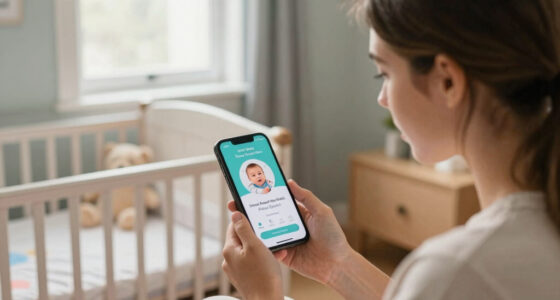
Imagine you’re in the kitchen, cooking dinner, and your phone buzzes. It’s an alert from your sleep monitor that Twin B’s breathing pattern has changed. You drop the spatula and rush to their crib. That quick response can be the difference between a minor disturbance and a serious health concern. The immediacy of these alerts allows you to intervene early, often before the situation escalates. Some systems differentiate alert types—gentle vibrations for subtle issues like irregular breathing, and louder alarms for more urgent situations like a significant temperature drop—so you can prioritize your response accordingly. This layered alert system ensures you stay informed without being overwhelmed, ultimately giving you the confidence to handle twin sleep challenges with greater ease.

Owlet Dream Sock Smart Wearable Baby Monitor Tracks Heart Rate & Oxygen in Real Time Parents Receive Alerts, Sleep Insights & More via App – Mint
What is Owlet Dream Sock? Dream Sock is the #1 best selling smart baby monitor (Source: Circana, Jan–Dec…
As an affiliate, we earn on qualifying purchases.
As an affiliate, we earn on qualifying purchases.
Tracking Sleep Patterns: Making Sense of Twins’ Nightly Rhythms
Every twin has a different sleep rhythm, even if they’re born just minutes apart. Accurate data tracking helps you spot patterns—like one waking at 2 am, the other asleep until dawn. Recognizing these differences is vital because it allows you to tailor routines that accommodate each child’s natural sleep tendencies, leading to more restful nights. For example, if you notice Twin A consistently wakes early, you might adjust bedtime or lighting to encourage longer sleep. Conversely, if Twin B struggles with falling asleep, adding white noise or dimming the lights earlier might help. Using detailed sleep logs and trend data, you can identify subtle patterns and make informed adjustments that support healthier sleep habits. The implication is that understanding each twin’s individual sleep needs can reduce bedtime battles, improve overall sleep quality, and promote better development outcomes—making your sleep environment more responsive and effective.
Choosing the Best Smart Sleep Tech for Your Twin Household
Picking the right device means weighing safety, functionality, and privacy. Here’s a quick checklist:
- Supports dual monitoring—no compromises.
- Has safety certifications like CPSC recalls and standards.
- Offers easy setup and intuitive controls.
- Includes privacy policies protecting your data.
- Integrates with your existing smart home or phone apps.
Imagine a system that syncs with your phone, alerts you via gentle push notifications, and keeps your data secure. This integration makes managing twin sleep easier, especially during those long nights. The right device should fit seamlessly into your routines, providing reliable, understandable data without adding complexity. Remember to read reviews, ask questions, and consult your pediatrician if needed—since the best choice varies depending on your specific family needs. Investing in a thoughtfully selected device means better sleep for your twins and peace of mind for you.
Safety First: What You Need to Know About Smart Sleep Devices
Smart sleep devices are generally safe when used correctly, but safety certifications matter. Always look for products approved by organizations like the CPSC, and follow manufacturer instructions carefully.
For example, avoid devices that involve contact with the baby’s skin unless certified safe. Also, steer clear of gadgets that could pose a choking hazard or interfere with sleep routines. Ensuring your devices meet safety standards isn’t just about compliance; it’s about safeguarding your children’s health and well-being. Regularly checking for recalls or safety notices from the manufacturer helps you stay proactive. Remember, no matter how advanced the technology, proper usage and adherence to safety guidelines are essential to prevent accidents and ensure your twins sleep safely and soundly.
Frequently Asked Questions
Are smart sleep devices safe for twins?
Yes, as long as you choose devices with proper safety certifications and follow the manufacturer’s instructions. Always check for recalls and ensure the device is suitable for infants.Can these devices help identify health issues early?
They can detect irregular breathing, temperature drops, or fussiness, which might indicate health concerns. However, always consult your pediatrician for any suspicions or issues.How do I pick the right smart sleep tech for twins?
Look for dual monitoring support, safety standards, privacy policies, and easy integration with your devices. Reading reviews and consulting with your pediatrician can also guide your choice.Will using smart sleep tech interfere with bonding or routines?
Most devices are designed to be non-intrusive. Use them as part of a calming bedtime routine, not as a replacement for direct contact or cuddling.What features are most useful for twins?
Dual sensors, environmental control capabilities, real-time alerts, and data sharing options help manage two children’s sleep efficiently.Conclusion
Managing sleep for twins isn’t easy, but smart tech makes it less overwhelming. Focus on devices that provide individualized data, environmental adjustments, and quick alerts. These tools help you step back from constant worry and step into better sleep for everyone.
Remember, no gadget replaces good routines and attentive care. But with the right tools, you get a little extra peace of mind—and that’s priceless during those sleepless nights.