
TL;DR

Turn the school run and nap time into listening time
- Thousands of audiobooks, podcasts and originals
- Listen on your phone, tablet or Echo — also offline
- Cancel anytime
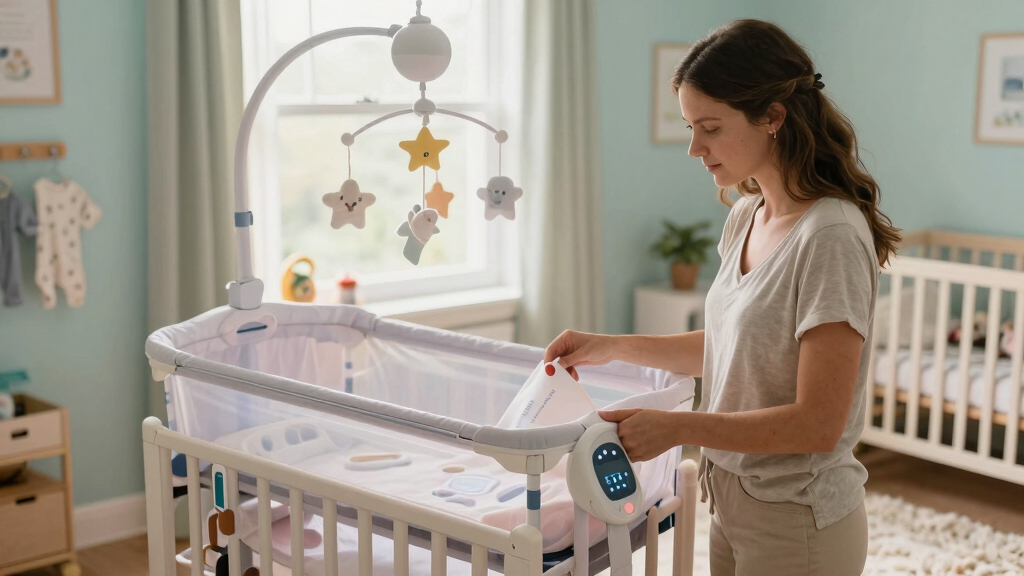
Most babies outgrow smart bassinets between 4-6 months, based on milestones like rolling over or sitting up. Transitioning should prioritize safety and developmental cues, with gradual steps to ease the change.
That tiny bundle of joy is finally sleeping longer, thanks to your smart bassinet. But as they grow, so do the questions: When is it safe to move them out? When should you stop relying on the tech and trust their development?
Understanding the right timing isn’t just about device guidelines. It’s about safety, milestones, and easing your little one into a new sleep space without tears or fuss. This guide walks through how to spot the perfect moment and make the transition smooth for everyone involved.
Most babies are ready to move to a crib between 4-6 months, based on milestones like rolling or sitting up.
Always follow your manufacturer’s weight and age limits to ensure safety.
Watch for signs like pushing against sides or climbing, which indicate it’s time to transition.
Gradually shifting routines and environment eases the move, reducing fuss and fear.
Prioritize safety over age—don’t rush the switch just because the bassinet is outgrown.
How Do You Know Your Baby’s Ready to Leave the Smart Bassinet?
Smart bassinets are designed for infants up to about 15-20 pounds or until they can roll over or sit unsupported. The first clear sign your baby is ready to transition? They start pushing up, rolling over, or sitting independently, usually around 4-6 months.
If your little one begins to attempt to stand or climb, it’s time to switch. For example, I remember my own baby trying to push against the sides, which made me realize they’d outgrown the bassinet’s safety boundaries.
Safety experts recommend watching for these milestones rather than sticking to a set age. Every baby is different; some show signs earlier, others later. The key is watching their physical abilities, not just their age.
Understanding why these signs matter helps you prioritize safety. When babies push, roll, or sit up, they’re gaining strength and mobility that can make the bassinet unsafe — risking falls or injuries if they’re still confined. Recognizing these cues allows you to intervene early, preventing accidents and ensuring a secure sleep environment as they become more active.
baby crib for transition from bassinet
As an affiliate, we earn on qualifying purchases.
As an affiliate, we earn on qualifying purchases.
What Are the Clear Safety Signs It’s Time to Transition?
Safety is the biggest concern as your baby grows more mobile. If they start pushing against the sides, attempting to climb, or sit up unaided, it’s a red flag. These are signs they’re ready for a more secure sleep environment.
For example, I noticed my baby trying to pull themselves up at 5 months. That was the moment I knew the bassinet wasn’t safe anymore. Remember, most bassinets aren’t made for babies who can sit or roll over—risk of falls increases.
Check the manufacturer’s guidelines too. Many bassinets specify maximum weight or age limits. Exceeding those means it’s definitely time to switch to a crib.
Understanding these safety signs is crucial because they directly impact your baby’s well-being. Ignoring early mobility signs can lead to dangerous situations like falls or entrapment. Transitioning at the right moment ensures your baby remains safe as they explore new levels of mobility, reducing the risk of injury and giving you peace of mind.
baby safety monitor for mobile infants
As an affiliate, we earn on qualifying purchases.
As an affiliate, we earn on qualifying purchases.
Compare Smart Bassinet Features vs. When to Move to a Crib
| Feature | Smart Bassinet | Crib |
|---|---|---|
| Age/Weight Limit | Up to 6 months, 15-20 lbs | Up to 2-3 years, or as advised |
| Mobility | Limited, safe for infants | Suitable for active babies once they outgrow bassinet |
| Safety Concerns | Risk of climbing, rolling over | Safer for mobile babies |
| Features | Sleep tracking, soothing features | Basic sleep environment, no tech |
While smart bassinets offer tech-savvy features, once your baby hits milestones, a crib provides a safer, more spacious environment. The transition is about safety and comfort, not just tech benefits. Choosing a crib is about accommodating your baby’s growing need for mobility and independence, which directly impacts their safety and sleep quality. The extra space also encourages better sleep patterns and allows for easier supervision, giving both you and your child room to grow and explore securely.
As an affiliate, we earn on qualifying purchases.
How to Ease the Transition from Bassinet to Crib in 3 Simple Steps
- Introduce the crib during daytime naps first. Let your baby explore the new space in a relaxed setting.
- Gradually move bedtime routines to the crib. Keep familiar sleep cues like a favorite blanket or lullabies.
- Make the crib inviting—use a firm mattress, cozy sheets, and keep the room dark and quiet. Expect some fuss, but stay consistent.
For example, I started placing my baby in the crib for naps, then slowly moved overnight sleep as they got comfortable. Patience and routine make the difference.
Understanding why gradual transition steps matter helps you recognize the importance of consistency. Rushing this process can lead to increased fussiness, disrupted sleep, or resistance, which might set back their sleep development. Taking small, deliberate steps allows your baby to adapt comfortably, building trust in their new sleep environment and reducing stress for both of you.
As an affiliate, we earn on qualifying purchases.
What Are the Benefits of Transitioning at the Right Time?
Transitioning at the right moment not only boosts safety but also encourages healthy sleep habits. Babies who move to a crib after they’re ready tend to sleep longer and more securely.
Research shows that waiting until a baby can roll over reduces fall risks and sleep disruptions. This timing allows your child to develop the physical strength and coordination necessary for safe mobility, which in turn minimizes hazards like falls or entrapment. It also means they’re more likely to settle themselves independently, fostering better sleep routines.
On a practical level, it also means fewer middle-of-the-night worries. You’ll sleep better knowing they’re safe and sound. Additionally, an appropriately timed transition supports their developmental progress by fostering independence and confidence in their ability to sleep safely in a larger space, which can positively influence future sleep habits and overall growth.
Frequently Asked Questions
At what age is it safest to move my baby from a smart bassinet to a crib?
Most experts recommend transitioning between 4-6 months, or when your baby begins to roll over, push up, or sit unsupported. Always check your bassinet’s guidelines and your baby’s developmental cues.Are smart bassinets safe for long-term use?
Smart bassinets are designed for infants up to a certain age and weight. Following manufacturer instructions and safety guidelines is essential. Once your baby shows signs of mobility, it’s safer to switch to a crib.What signs indicate my baby is ready to move to a crib?
Indicators include attempting to roll over, pushing up on hands, sitting unsupported, or exceeding the bassinet’s weight/height limits. These milestones suggest they’re ready for a more secure sleep environment.How can I make the transition easier for my baby?
Start with daytime naps in the crib, keep familiar sleep routines, and create a cozy, inviting space. Patience and consistency help your baby feel secure during the change.Do smart features influence when I should transition?
Sleep tracking and remote monitoring are helpful but shouldn’t override developmental milestones. Safety and mobility cues are the primary guides.Conclusion
Knowing when to transition out of a smart bassinet isn’t about a strict timeline but reading your baby’s signals. A safe, comfortable crib, introduced gradually, helps them sleep soundly and grow confidently.
Picture your little one drifting into peaceful sleep in a space big enough for their adventures. That moment, when they settle happily in their new bed, makes all the careful planning worth it.
Halloween Picks
halloween
As an affiliate, we earn on qualifying purchases.