
TL;DR
Smart swaddle sizing isn’t about age — it’s about fit. Moving up a size at the right time prevents discomfort and safety risks. Watch for signs like tightness, escape attempts, or loose fabric to know when to transition.
If your baby’s sleep routine feels like a wrestling match, chances are the swaddle isn’t quite right. You might find tiny arms slipping free or fabric pulling tight across their hips. It’s tempting to keep them in the same size longer, but knowing when to move up a size makes all the difference between a safe, cozy sleep and a potential hazard.
Smart swaddles add a tech twist—responsive, adjustable, and often designed for easy transitions. Still, sizing remains a key piece of the puzzle. Get it right, and you’ll boost safety, comfort, and even sleep quality. Get it wrong, and you risk discomfort or safety issues. Here’s what you need to watch for and how to decide when it’s time to size up.
Always check your baby’s weight, length, and signs of discomfort before sizing up.
A properly fitting swaddle should be snug at the chest but allow free leg movement and hip positioning.
Overly tight or loose swaddles pose safety risks—know the signs of each.
Smart swaddles with adjustable features make transitioning easier and safer.
Transition out of the swaddle as soon as your baby begins to roll, regardless of size.
How to Spot a Too-Small Swaddle: Signs Your Baby Is Outgrowing It
When your baby starts fighting their swaddle or shows red marks on the skin, it’s a clear sign it’s too small. But beyond these superficial signs, understanding why these indicators matter is crucial. Tight fabric across the shoulders or chest doesn’t just cause discomfort; it can restrict airflow, leading to breathing difficulties, especially if the fabric presses against the face or neck during sleep. Moreover, constricted hips can hinder proper development, increasing the risk of hip dysplasia, which can cause long-term mobility issues. Arms escaping more frequently isn’t just a matter of preference—it’s an indication that the swaddle no longer allows natural movement, which is vital for muscle development and self-soothing skills. If the fabric strains or Velcro pops open, it signals that the swaddle is too tight or poorly fitted, possibly exposing your baby to safety hazards like suffocation or unintentional rolling. Additionally, if your baby’s legs cannot bend into the ‘frog’ position, it can cause hip misalignment, affecting their musculoskeletal health. Recognizing these signs early allows you to prevent discomfort and developmental issues, ensuring your baby sleeps safely and comfortably while supporting healthy growth.

KeaBabies 3-Pack Organic Baby Swaddles for Newborns, Infant (Nordic, 0-3M)
Ergonomic for Newborn Growth – Certified as a hip-healthy product by the International Hip Dysplasia Institute (IHDI), the…
As an affiliate, we earn on qualifying purchases.
As an affiliate, we earn on qualifying purchases.
How to Recognize a Too-Large Swaddle: When Fabric Becomes a Safety Risk
Conversely, an overly large swaddle might seem harmless at first, but it introduces significant safety concerns. Excess fabric near the face or neck can bunch up during sleep, creating a risk of suffocation or airway obstruction, especially if the fabric slips over the nose or mouth. When the fabric is loose, your baby may slide down inside the swaddle, ending up in an unsafe position where their face could be covered or they could slip into a less secure posture, increasing the risk of accidental suffocation or positional asphyxiation. Arms slipping out of a loose swaddle might seem benign, but it actually signals that the swaddle isn’t providing the snugness needed for safe sleep, potentially causing the baby to wake more often or attempt to break free, which can lead to injury or unsafe sleep positions. Additionally, a loose fit hampers natural movement, which is essential for developing motor skills, muscle tone, and coordination—key milestones in early development. An oversized swaddle can also cause discomfort, as the baby may feel insecure or find it difficult to settle into a comfortable position. Ensuring a snug but not tight fit maintains safety by supporting proper posture, reducing the risk of suffocation, and fostering healthy motor development. Recognizing these risks helps parents make informed decisions about when to resize or transition away from swaddling altogether.

Love to Dream Swaddle UP, Baby Sleep Sack, Self-Soothing Swaddles for Newborns, Improves Sleep, Secure Fit Helps Calm Startle Reflex, New Born Essentials for Baby, Small 8-13lbs, Gray
𝐑𝐈𝐆𝐇𝐓 𝐒𝐈𝐙𝐄 = 𝐁𝐄𝐓𝐓𝐄𝐑 𝐒𝐋𝐄𝐄𝐏: Choose the SIZE S (SMALL) Swaddle UP baby sleep sack made for 8…
As an affiliate, we earn on qualifying purchases.
As an affiliate, we earn on qualifying purchases.
When to Size Up: The Clear Milestones That Signal It’s Time
Deciding when to size up isn’t solely based on reaching a specific weight or length; it’s fundamentally about how the swaddle fits and how your baby responds to it. When your baby reaches the upper limit of their current size range, it might seem logical to keep them in that size, but a tight fit can restrict movement, interfere with comfortable sleep, and hinder natural development. If the fabric begins to pull taut or the edges become visibly stretched, it indicates that the swaddle is no longer providing enough room for your baby’s growing body, which can lead to discomfort and increased fussiness. More critically, if your baby starts fighting the swaddle more than usual, wriggling vigorously, or managing to wiggle arms free, these are strong signals that the current size is inadequate for their ongoing growth. As babies approach developmental milestones like rolling—typically around 2 to 4 months—it’s essential to transition out of swaddling altogether to prevent risks of suffocation or injury. Recognizing these cues early allows you to respond promptly, reducing safety hazards and supporting a smoother transition. Proper sizing at the right time not only ensures comfort but also promotes healthy motor development, confidence in movement, and safe sleep practices as your baby grows.

Cute Castle 3-Pack Baby Swaddle Sleep Sacks – Newborn Swaddle Sack – Ergonomic Baby Swaddles Blanket Warp for Boys and Girls – Baby Essentials (0-6 Months – Pink)
Ergonomic Support for Newborns' Growth – The Cute Castle Baby Swaddle Sack offers ergonomic hip support for infants…
As an affiliate, we earn on qualifying purchases.
As an affiliate, we earn on qualifying purchases.
How Smart Swaddle Designs Help You Know When to Move Up
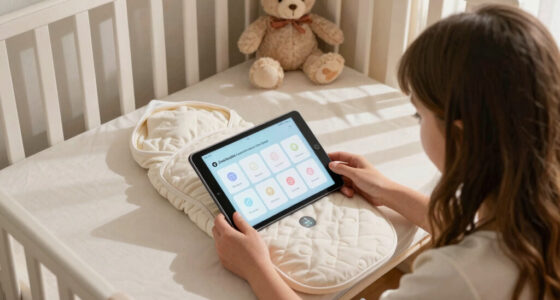
Many smart swaddles incorporate innovative adjustable features that assist you in assessing fit more accurately. For example, some have zippers that can be expanded or wings that can be folded to provide extra room as your baby grows, which helps prevent the risks associated with tightness or looseness. These design elements serve as practical visual cues and safety tools, alerting you when the current size no longer fits properly. Some models include indicators or alerts—such as color changes, sounds, or app notifications—that notify you when the swaddle’s fit becomes unsafe, prompting timely adjustments. These technological innovations reduce guesswork and help parents respond swiftly and confidently, preventing potential safety hazards. For instance, the Halo SleepSack Swaddle’s ‘stage 2’ offers more room, signaling that your baby is ready for a larger size, while the SNOO’s responsive design actively monitors weight and movement, providing real-time feedback. Such features not only enhance safety by ensuring a proper fit but also facilitate a smoother transition process, making it easier for parents to adapt as their baby’s needs evolve during growth. By integrating these smart design elements, parents can better balance safety, comfort, and developmental needs, ensuring their baby’s sleep environment remains optimal and secure.

KeaBabies 3-Pack Organic Baby Swaddles for Newborns, Infant (Nordic, 3-6M)
Ergonomic for Newborn Growth – Certified as a hip-healthy product by the International Hip Dysplasia Institute (IHDI), the…
As an affiliate, we earn on qualifying purchases.
As an affiliate, we earn on qualifying purchases.
Frequently Asked Questions
How do I know when my baby has outgrown their swaddle?
Signs include fabric pulling tight across the shoulders or chest, red marks on the skin, difficulty bending legs into the ‘frog’ position, or your baby fighting the wrap. Also, if they manage to escape or start rolling, it’s time to move up or transition out.
Should I size up by weight, height, or age?
Always follow the manufacturer’s weight and height guidelines. Use those as your first cue, but also watch for tightness or escape attempts. Age is only a rough estimate since babies grow at different rates.
My baby keeps breaking out of the swaddle — is it too small or do they just dislike it?
If fabric is tight and red marks appear, it’s too small. If it’s loose and your baby is slipping arms out, it might be too big. Dislike can also be a factor—try a different style or transition gradually.
Can a swaddle be too big? Is it okay to size up early to grow into it?
No, a swaddle that’s too large can be dangerous. Loose fabric near the face or slipping arms can cause safety risks. Always aim for a snug but comfortable fit, adjusting as your baby grows.
How do I transition out of the swaddle safely?
Begin by unwrapping one arm at bedtime, then both arms after a few nights. Switch to a sleep sack without swaddle wings, and keep a consistent bedtime routine to help your baby adjust smoothly.
Conclusion
Getting the right size isn’t just about comfort — it’s a safety issue. Watch your baby’s cues closely, and don’t hesitate to move up a size when needed. A well-fitted swaddle keeps your little one safe, cozy, and sleeping soundly.
Think of sizing as a gentle hug that adapts as your baby grows. When in doubt, prioritize safety over saving a few dollars on a smaller size. Your baby’s best sleep starts with a perfect fit.