TL;DR

Turn the school run and nap time into listening time
- Thousands of audiobooks, podcasts and originals
- Listen on your phone, tablet or Echo — also offline
- Cancel anytime
Smart sleep tech like white noise machines, monitors, and smart bassinets can improve sleep quality in shared rooms. However, safety, privacy, and alarm fatigue require careful management. Proper placement, volume control, and understanding each device’s limits are key to balancing tech benefits with safe sleep practices.
Keep white noise volume at or below 50 dB and place it across the room, not next to the crib.
Position monitors carefully, avoiding privacy breaches and false alarms caused by movement or pets.
Use smart bassinets as a temporary sleep aid, transitioning your baby to a regular crib by 5–6 months.
Choose low-light, dimmable night lights and sound options to keep the room calm without waking yourself.
Customize alerts on monitors to prevent waking from false alarms and protect your sleep quality.
How to Use White Noise Machines Safely in a Shared Room
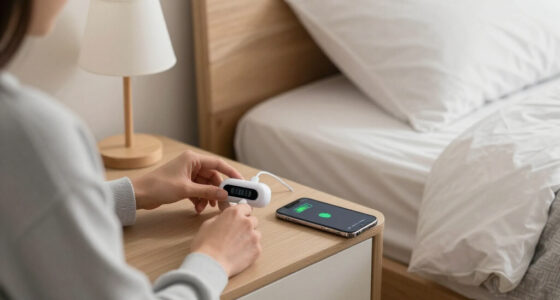
White noise machines are the most common sleep tech for shared rooms. They mask household sounds and soothe babies into sleep. But volume and placement matter. Keep the device across the room, about 2 meters from the crib, and set volume around 50 dB—roughly the sound of a shower. Studies warn that some machines can reach over 85 dB at maximum, which risks infant hearing damage.
Why this matters: excessive volume not only risks hearing loss but can also cause sleep disruptions or overstimulation, which may lead to more frequent night awakenings. Proper placement ensures the sound evenly cushions disruptive noises while minimizing direct exposure. Using a free dB-meter app allows you to measure the sound level accurately, giving you peace of mind that your baby’s hearing and sleep environment remain safe.
white noise machine for baby sleep
As an affiliate, we earn on qualifying purchases.
As an affiliate, we earn on qualifying purchases.
Choosing and Positioning Monitors Without Waking the Whole Room
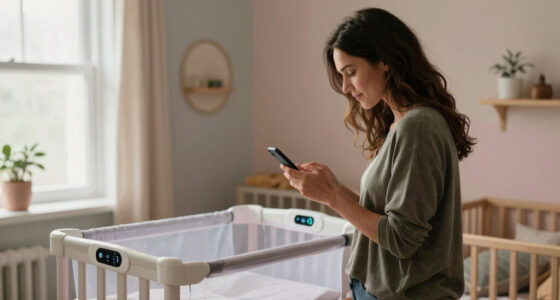
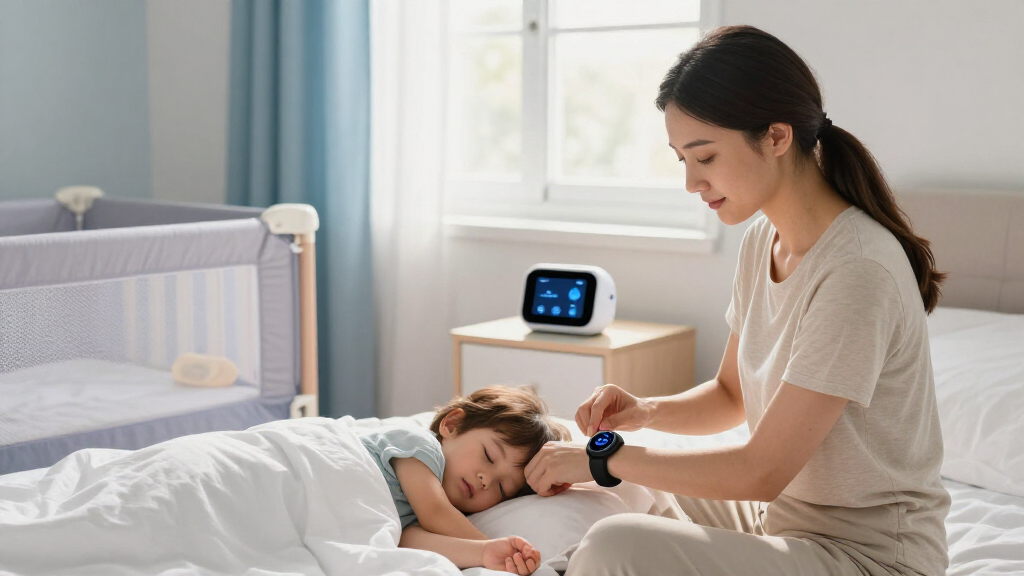
Smart monitors like cameras, breathing sensors, or sock-based devices offer peace of mind but can also trigger false alarms or invade privacy. Positioning these devices thoughtfully is crucial for both safety and peace. Cameras should be placed so they do not capture your bed or personal space, respecting privacy and reducing hacking risks. Keep sensors on the baby, away from drafts, pets, or objects that could cause false readings—like loose bedding or toys.
Understanding their limitations is key: a monitor is a tool to supplement safe sleep habits, not replace them. For example, a family used a bedroom camera with local storage instead of cloud streaming to safeguard privacy while still being able to check in. The tradeoff is that no monitor can guarantee SIDS prevention; they’re useful for early detection but should always be paired with safe sleep practices like placing the baby on a firm, flat surface and removing soft bedding.
baby monitor with camera and sound
As an affiliate, we earn on qualifying purchases.
As an affiliate, we earn on qualifying purchases.
How Smart Bassinets Support Shared Sleep and When to Wean Off
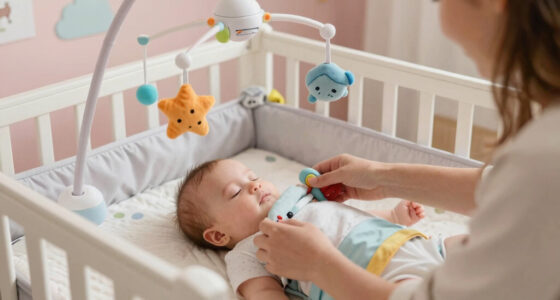
Smart bassinets like SNOO or Cradlewise are designed to sit beside your bed, gently rocking or responding to fussing. They can help keep your baby calm and sleep longer, especially in the early months. But they come with a hefty price tag—often over $1,000—and many parents wonder when to transition away. The benefits include reducing night wakings and providing consistent soothing, which can be especially helpful for exhausted parents trying to establish routines.
However, over-reliance on these devices may delay the transition to independent sleep and can create a dependency that’s hard to break. Experts suggest gradually introducing a regular crib around 5-6 months, reducing motion and sound over time. For example, you might start by turning off the bassinet’s motion after a few months, then move the baby to their own room when they’re developmentally ready. The key: use the tech as a stepping stone, not a forever solution, understanding that transitioning promotes safer sleep environments and independence.
As an affiliate, we earn on qualifying purchases.
Managing Light and Sound: Keep the Room Calm Without Waking Yourself
Night lights and sound machines are essential tools, but excessive light or noise can disturb your sleep. Choosing dim, warm-spectrum lights—red or amber—reduces blue light exposure, which interferes with melatonin production. Using motion-activated lights prevents unnecessary brightness when you check on your baby, helping you maintain a dark, sleep-friendly environment. Similarly, keeping sound levels at a gentle hum minimizes sleep disturbances for both you and your baby.
For example, a parent installed a motion-activated night light that only turns on when moving, so the room stays dark during feeds. This prevents the disruption caused by bright lights. Balancing convenience with your own sleep needs requires selecting the right tech: dimmable lights and sound options that support a calm environment without over-stimulation. This careful management ensures that your sleep cycles aren’t interrupted, which is essential for your health and your ability to care effectively.
As an affiliate, we earn on qualifying purchases.
Avoid Alarm Fatigue and Protect Your Sleep Quality
Notifications from monitors, cry alerts, and app pings can wake you more than the baby does, leading to frustration and sleep deprivation. Alarm fatigue occurs when you become desensitized to alerts, risking missed warnings or unnecessary awakenings. To combat this, customize alert settings—turn off non-essential notifications and utilize quiet or ‘do not disturb’ modes during deep sleep periods. This helps preserve your sleep cycles and prevents over-alerting, which can increase stress and reduce sleep quality.
Using a dedicated monitor with adjustable sensitivity allows you to fine-tune alerts, reducing false alarms caused by movement or pets. Prioritizing your sleep is vital: a well-rested parent is more attentive and responsive, creating a safer and calmer environment for your baby. Remember, tech should support your rest, not compromise it through constant interruptions.
Controlling Room Climate with Smart Tech Without Overheating
Shared rooms require balancing your baby’s comfort with your own. Smart thermostats, fans, and air quality monitors help maintain a steady, safe environment. Keeping the room at around 68–72°F (20–22°C) is recommended because overheating significantly increases the risk of SIDS. Proper use of these devices is essential: a thermostat set too high or a fan left on continuously can create uneven temperatures or drafts, which may disturb your baby’s sleep or cause discomfort.
For example, one parent set her smart thermostat to a gentle 70°F and used a sensor-based air purifier that activates if CO2 levels rise, ensuring proper airflow and air quality. This approach maintains a safe, consistent environment without constant manual adjustments. Understanding the implications of temperature fluctuations and drafts helps you create a sleep space that is both comfortable and safe, reducing risks associated with overheating or poor air quality.
Frequently Asked Questions
Is white noise safe for my baby’s hearing — how loud and how close is okay?
White noise is safe if kept below 50 dB and placed at least 2 meters from the crib. Use a dB-meter app to measure and avoid exceeding safe levels. Why it matters: prolonged exposure to higher volumes can cause hearing damage or overstimulation, which might lead to irregular sleep patterns or increased fussiness. Proper placement and volume control are essential to prevent these risks, ensuring the sound environment promotes restful sleep without unintended harm.Should I use white noise all night or on a timer?
Many parents find that continuous white noise helps establish a stable sleep environment, but some prefer timers to prevent dependence. Using a timer of 30–60 minutes can help your baby learn to fall asleep independently, but abrupt silence after prolonged noise can cause awakenings. The tradeoff involves balancing the benefits of consistent sound with encouraging natural sleep cycles, so choose what best supports your routine and your child’s development.Do smart monitors prevent SIDS?
No. Smart monitors are tools for peace of mind and early detection, not safety devices that prevent SIDS. The American Academy of Pediatrics emphasizes safe sleep practices—placing the baby on their back, on a firm surface, and avoiding soft bedding—regardless of monitor use. Relying solely on devices can create a false sense of security and distract from fundamental safety measures. Always prioritize proven safe sleep environments over technology reliance.Will a breathing monitor false alarm because I’m sleeping next to the bassinet?
Yes, some sensors can be triggered by your movement, pets, or environmental factors, leading to false alarms. Proper placement—such as ensuring sensors are not directly under or over the baby—can help reduce these occurrences. Understanding each device’s limitations is crucial; they should complement safe sleep practices, not replace them. False alarms can cause unnecessary anxiety, so always verify device functionality and maintain safe sleep guidelines.Is the SNOO or similar smart bassinet worth the money?
It depends on your circumstances. These devices can extend sleep and soothe babies effectively, which is valuable for exhausted parents. However, their high cost means they may not be practical for everyone. Use them as a temporary step in establishing sleep routines, and plan to transition your baby to a regular crib by 5–6 months. This approach balances the immediate benefits with safety considerations and financial investment, promoting a safer sleep environment in the long run.Conclusion
Smart sleep tech offers real benefits in a shared room, but only if you balance safety, privacy, and your own rest. Think of it as a helpful tool, not a magic fix. The real key: stay mindful of volume, placement, and transition timing. Your best sleep happens when tech supports safe, peaceful nights—so choose wisely tonight and every night.Cold & flu season Picks
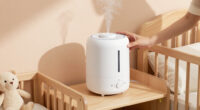
humidifiers
As an affiliate, we earn on qualifying purchases.