
TL;DR

Turn the school run and nap time into listening time
- Thousands of audiobooks, podcasts and originals
- Listen on your phone, tablet or Echo — also offline
- Cancel anytime
Non-WiFi monitor static and dropouts often stem from loose cables, outdated drivers, or electrical interference. Simple checks and updates can restore stable, clear video. Knowing these causes helps you fix issues quickly, especially at 3 a.m.
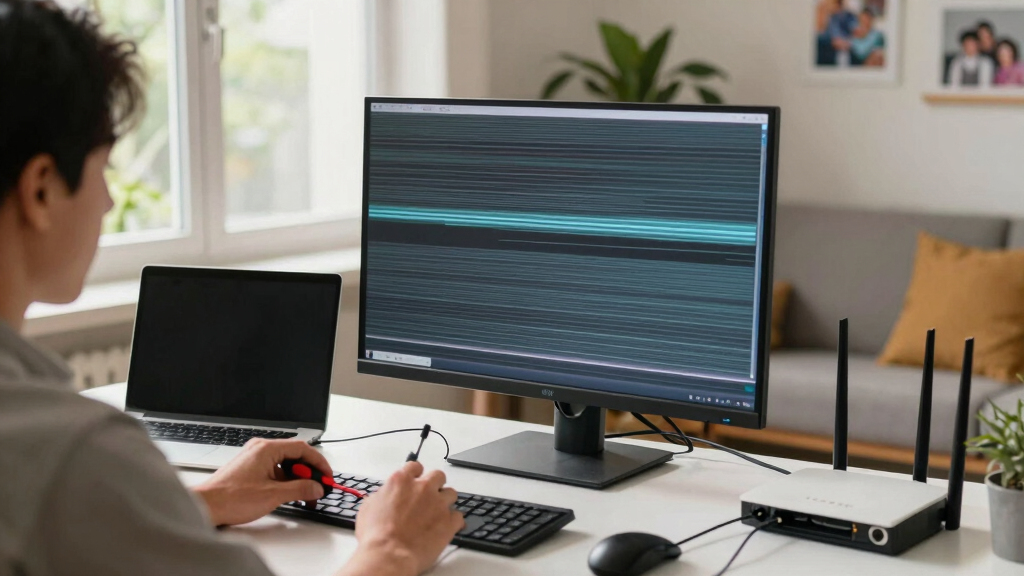
If your baby monitor flickers, has static, or drops out unexpectedly, you’re not imagining things. These issues can make you feel like you’re watching a grainy, flickering black-and-white TV in a world of HD. But most causes are surprisingly simple to fix—no need to replace your entire setup.
Understanding what causes these glitches helps you troubleshoot faster. Whether it’s a loose cable, outdated firmware, or environmental noise, knowing the real culprits gets your monitor back to a clear, steady view—especially during those midnight check-ins.
Loose or damaged cables are the most common cause of static and are easy to fix with better cables or re-connections.
Firmware and driver updates often resolve bugs that cause flickering or dropouts.
Electrical interference from nearby devices can disrupt video signals—relocate or shield your monitor.
Adjusting display settings to match your monitor’s capabilities prevents flickering caused by incompatible resolutions or refresh rates.
Testing your monitor on another device helps identify if the issue is with the monitor itself or your computer.
Why Your Baby Monitor Flickers or Static Isn’t WiFi Interference
Many parents assume WiFi issues cause monitor static. But for non-WiFi monitors, the culprit is usually hardware, cables, or environment. Think of it like a camera with a shaky lens—fixing the lens or stabilizing the surroundings clears up the view.
Common causes include loose cables, outdated firmware, or electrical noise. These are quick to check and often resolve the problem without needing new gear.
Example: A parent notices their monitor flickers whenever a hairdryer runs nearby. It’s not WiFi, but electromagnetic interference from the dryer’s motor—easily fixed by relocating the monitor or turning off the dryer during checks.
As an affiliate, we earn on qualifying purchases.
Top 5 Causes of Static and Dropouts in Non-WiFi Baby Monitors
| Cause | How It Causes Static | Real-World Example |
|---|---|---|
| Loose or Damaged Cables | Intermittent connections can cause the video feed to cut in and out, leading to flickers or black screens. Over time, small loosening or damage can worsen, resulting in complete loss of signal. Ensuring cables are secure and undamaged maintains a consistent image, which is crucial during night-time checks where clarity can be a matter of safety. | A parent notices their monitor goes dark whenever they move the USB power cable slightly. This indicates a loose connection that, if left unchecked, might lead to total dropout, risking missed moments or safety concerns. |
| Outdated Firmware | Firmware bugs or incompatibilities can cause the monitor to behave unpredictably—such as flickering or losing connection. Firmware acts as the brain of the device; outdated software may not handle environmental changes or hardware variations well, leading to instability. Keeping firmware updated is like giving your device a mental refresh, helping it adapt to evolving conditions and preventing glitches that could compromise your ability to see your baby clearly—especially in critical moments. | Updating the monitor firmware eliminated persistent flickering in a recent model, highlighting how software improvements can fix underlying instability issues and improve long-term reliability. |
| Electrical Interference | Electromagnetic noise from nearby electronics can disrupt the monitor’s signal, causing flickering, static, or complete dropouts. This interference can be especially problematic if the monitor’s shielding isn’t sufficient to block out noise. Recognizing and minimizing sources of electromagnetic interference—like radios, fluorescent lights, or cordless phones—helps maintain a steady video feed. This is vital for safety, as consistent visibility allows you to respond quickly if something is wrong. | Radio signals, fluorescent lights, or cordless phones cause static when too close. Moving these devices away or turning them off can dramatically improve signal stability, ensuring consistent visibility of your baby and reducing unnecessary worry. |
| Improper Settings | Incorrect display settings such as resolution or refresh rate that exceed what the monitor can handle can cause flickering or tearing. Setting the display parameters to match the monitor’s native resolution and capabilities ensures the image remains stable. This prevents unnecessary strain on internal components, which can cause visual artifacts or instability. Proper configuration is a tradeoff—sometimes lowering resolution slightly can improve stability, but it might reduce image clarity. Balancing these settings based on your specific monitor and environment is key to optimal performance. | Lowering the resolution fixed flickering on an older monitor, illustrating how matching display settings to hardware capabilities directly impacts stability and clarity, and why understanding these tradeoffs matters for long-term reliability. |
| Hardware Failure | Damaged internal components like graphics cards or ports can produce visual artifacts, distortions, or complete failure in the video output. Recognizing hardware issues early—such as overheating, physical damage, or component malfunction—can prevent prolonged periods of poor visibility. This is especially critical during night-time checks, where quick detection can be lifesaving. Hardware failures often require professional repair or replacement, but early identification minimizes risks and ensures continuous monitoring. | Replacing a faulty HDMI port restored stable video, demonstrating how hardware repairs or replacements are sometimes necessary for maintaining reliable operation and avoiding safety hazards caused by prolonged hardware issues. |
As an affiliate, we earn on qualifying purchases.
How to Quickly Fix Common Hardware and Software Problems
- Check and Replace Cables: Use high-quality, certified cables. Ensure they’re plugged in tightly. Swap cables to see if the static stops. Recognizing that poor-quality or damaged cables can introduce subtle interference helps you prioritize reliable accessories, preventing ongoing frustration and potential safety issues. Using good cables reduces the risk of intermittent signals, which can be difficult to diagnose but have serious implications for safety and peace of mind.
- Update Firmware and Drivers: Visit the manufacturer’s website for the latest updates. Outdated firmware is a common culprit that can cause compatibility issues or bugs. Regular updates ensure your monitor can handle environmental changes and hardware updates, maintaining consistent performance. Keeping firmware current also patches known vulnerabilities or bugs that might cause flickering or drops, ensuring your device remains reliable over time.
- Adjust Display Settings: Set your monitor to its native resolution and refresh rate. Use the monitor menu to reset to factory defaults if needed. Correct settings reduce strain on internal components, preventing flickering caused by incompatible configurations. Matching settings to the hardware’s capabilities is essential—overly high resolutions or refresh rates can overload the monitor and cause instability, especially in older models.
- Inspect Hardware: Test the monitor on another device. Check for dust, overheating, or damaged components like graphics cards or ports. Identifying hardware issues early—such as signs of overheating or physical damage—can save money and prevent safety hazards. For example, dust buildup can cause overheating, leading to intermittent failures, while damaged ports can cause persistent connection issues. Early detection allows for timely repairs or replacements that preserve safety and functionality.
- Minimize Electrical Noise: Use a surge protector or move electronic devices away from the monitor. Turn off nearby radios or cordless phones. Recognizing that electrical noise can be subtle but impactful helps you create a stable environment, ensuring your monitor remains reliable during critical moments. Proper grounding and shielding can significantly reduce static caused by electromagnetic interference, maintaining a clear video feed when you need it most.
These quick steps often fix most static or dropout issues—saving you a trip to tech support or replacing equipment. Addressing these areas proactively minimizes the risk of safety hazards, prolonged frustration, and ensures continuous, reliable monitoring when it matters most.
electromagnetic interference shield for baby monitors
As an affiliate, we earn on qualifying purchases.
As an affiliate, we earn on qualifying purchases.
Environmental Tips to Prevent Static and Dropouts
Sometimes, the environment is the sneaky culprit. High electromagnetic interference or unstable power can cause flickering. Think of it as trying to watch your favorite show in a room filled with static from old radios or fluorescent lights.
To prevent this:
- Use a high-quality surge protector or UPS.
- Keep electronic devices like radios, speakers, or wireless chargers away from the monitor.
- Place the monitor on a stable, flat surface away from windows and fluorescent lighting.
- Ensure your power outlet provides consistent voltage—consider consulting an electrician if unsure.
These small changes can significantly reduce interference, especially in older or crowded homes, leading to a more reliable and consistent video feed. A stable environment minimizes the risk of static and dropouts, which can be especially dangerous if they occur unexpectedly during night-time monitoring. Creating a low-interference zone isn’t just about clarity—it’s about safety and peace of mind, ensuring your monitor functions reliably when it matters most.
As an affiliate, we earn on qualifying purchases.
Frequently Asked Questions
Why does my baby monitor flicker even when I’m not using WiFi?
Flickering on a non-WiFi monitor is usually caused by hardware issues, loose cables, or electrical interference—not WiFi. Check your cables, update firmware, and minimize nearby electronic noise.How can I tell if the problem is with my monitor or my device?
Test the monitor on another device or connect a different monitor to your baby monitor setup. If issues persist across devices, it’s likely hardware-related.Are cheap cables a risk for static or dropouts?
Yes. Cheap or uncertified cables often have poor shielding or connectors, leading to unstable signals. Investing in high-quality, certified cables usually prevents static and flickering.Can environmental interference really cause my monitor to drop out?
Absolutely. Devices like radios, fluorescent lights, or cordless phones can emit electromagnetic noise that disrupts video signals, especially in older homes.What should I do if firmware updates don’t fix the issue?
If updates don’t help, try resetting your monitor to factory settings, check cables, or test on another device. If problems persist, consider replacing the monitor or consulting a professional.Conclusion
Most static and dropout issues with non-WiFi baby monitors boil down to simple fixes: check cables, update firmware, and reduce interference. These steps can turn a flickering, unreliable monitor into a clear, steady eye on your little one.
Remember, a little troubleshooting goes a long way—especially during those middle-of-the-night checks. Keeping your monitor stable means more peace of mind for you and better moments with your baby.
Halloween Picks
halloween
As an affiliate, we earn on qualifying purchases.