TL;DR

Turn the school run and nap time into listening time
- Thousands of audiobooks, podcasts and originals
- Listen on your phone, tablet or Echo — also offline
- Cancel anytime
You can typically stop using a baby monitor when your child is around 2-3 years old and sleeps through the night independently. The decision depends on your child’s development, safety environment, and your comfort level. Trusting your child’s growing independence and ensuring a safe sleep space are key.
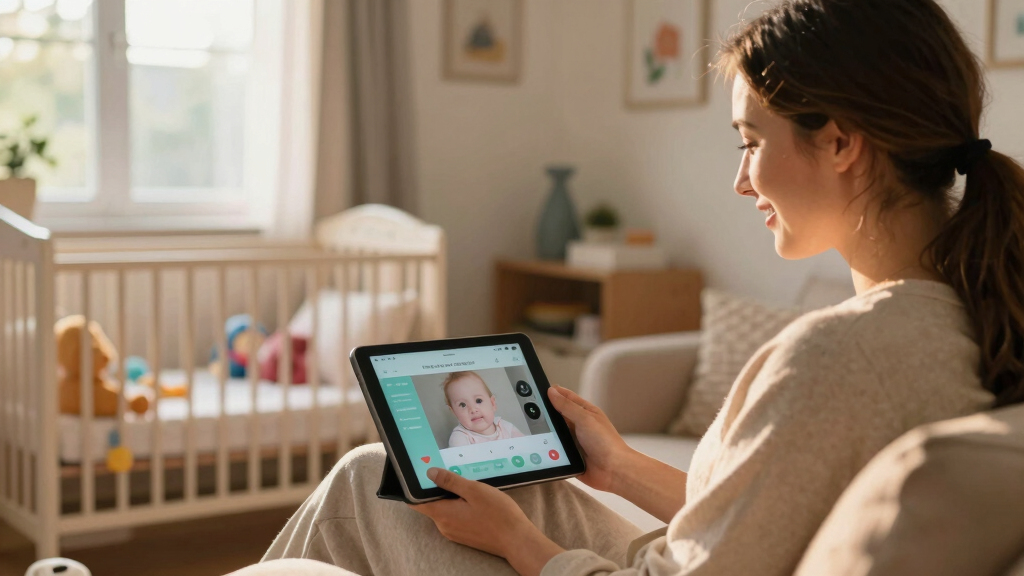
Imagine hearing your baby cry in the middle of the night, and instinctively reaching for the monitor. It’s a familiar scene for many parents. But at some point, that device becomes less of a necessity and more of a comfort.
Knowing when to stop using a baby monitor isn’t about a strict rule—it’s about your child’s development, your peace of mind, and their safety. This guide will walk you through the signs, age benchmarks, and practical tips to help you decide the right moment to turn off that little camera or receiver.
Children typically can sleep safely without a monitor by age 2-3, but individual development matters.
Ensure your child’s room is safe—no hazards, secure furniture, and a consistent sleep routine—before turning off the monitor.
Gradually phase out the monitor by reducing its use over time, observing your child’s response, and replacing it with other safety measures.
Monitor use should be based on your peace of mind and your child’s needs, not just age alone.
Trust your instincts and prioritize creating a safe, independent sleep environment for your child.
How to Recognize When Your Toddler Is Ready to Sleep Without a Monitor
When your child consistently sleeps through the night without waking or fussing, it’s a good sign they’re ready to go without a monitor. For example, if your two-year-old sleeps from 7:30 pm to 6:30 am without disturbance, you’re likely safe to consider turning off the device.
Look for other signs of independence: they can stay in bed, follow simple routines, and respond to their name or call. If you notice your child feeling secure enough to stay in bed alone, it’s time to evaluate whether your monitor still offers value or if it’s just a comfort for you.
It’s important to understand that sleep patterns and independence develop at different rates. Some children may sleep through the night early but still need reassurance, while others may be independent but wake occasionally. Recognizing these nuances helps prevent premature discontinuation, which could lead to disrupted sleep for both child and parent. The goal is a balance—knowing when your child’s independence genuinely reduces the need for monitoring without compromising safety.
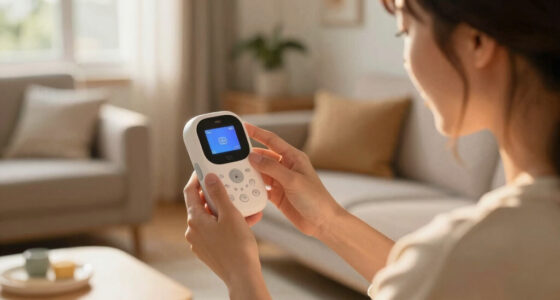
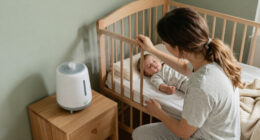
baby monitor for transition to independence
As an affiliate, we earn on qualifying purchases.
As an affiliate, we earn on qualifying purchases.
The Age Benchmarks: When Most Kids Are Ready to Say Goodbye to Monitors
Most experts suggest that around age 2 to 3, children are capable of sleeping safely without a monitor. By this age, many have developed the routine and independence needed to stay in bed and alert you if necessary.
For example, a parent might notice their two-year-old no longer requires constant reassurance and can fall asleep on their own in a dark room. However, some children, especially those with health concerns or sleep issues, may need monitoring longer. It’s also worth noting that prematurely stopping monitoring can sometimes lead to anxiety or sleep disruptions if a child isn’t truly ready. Therefore, age is a guideline, not a strict cutoff—your child’s individual development and your comfort level are critical factors.
Understanding these age benchmarks helps set realistic expectations and avoid unnecessary worry. It’s about observing your child’s cues and ensuring they’re truly ready for more independence, rather than rushing the process based solely on age.
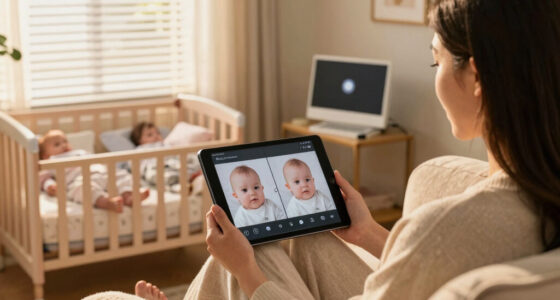
baby monitor replacement safety devices
As an affiliate, we earn on qualifying purchases.
As an affiliate, we earn on qualifying purchases.
How Your Child’s Development and Safety Environment Matter
The decision to stop monitoring hinges on your child’s growth and your home’s safety setup. If your toddler can move around safely—no loose cords, choking hazards, or unsafe furniture—you’re better positioned to turn off the monitor.
For instance, if your child sleeps in a crib with a firm mattress, no pillows or blankets, and the room is childproofed, the risk diminishes. But it’s also crucial to consider your child’s overall development—can they wake up and call out if needed, or respond to their environment? If they can do so reliably, the safety risks associated with not monitoring decrease significantly.
However, safety isn’t only about environment; it’s also about your child’s ability to alert you in an emergency. If they can wake up, move, and call for help or respond to alarms, the environment and their development align to make monitoring less necessary. Conversely, if your child is still developing these skills or if the environment isn’t fully childproofed, continued monitoring can be a vital safety net.
Deeply understanding your child’s developmental milestones and ensuring a secure environment are critical because they directly influence your confidence in stopping monitoring. Overlooking these factors might lead to safety gaps or anxiety, so assess both the physical safety of the space and your child’s ability to seek help if needed.
As an affiliate, we earn on qualifying purchases.
The Pros and Cons of Keeping a Monitor Longer
| Pros of Keeping It | Cons of Keeping It |
|---|---|
| Peace of mind for anxious parents | Can create dependency, making independence harder |
| Early detection of health or sleep issues | Potential for false alarms or anxiety from technical glitches |
| Monitoring for special needs or health concerns | Increased exposure to Wi-Fi signals and privacy worries |
Think of it like a safety net. If it helps you sleep better and your child is developing normally, keeping the monitor can be beneficial. But if it causes anxiety or hampers their independence, it might be time to consider stopping. It’s essential to weigh these factors because relying too much on monitoring can hinder a child’s development of self-regulation and sleep independence. Conversely, removing it too early might increase parental anxiety or risk, especially if the environment isn’t fully safe or the child isn’t yet ready. The decision involves balancing peace of mind with fostering independence and safety.
As an affiliate, we earn on qualifying purchases.
How to Gradually Phase Out Your Baby Monitor
- Start by turning off the monitor during one nap or part of the night.
- Observe how your child sleeps and how you feel mentally.
- Increase the off-time gradually—maybe a night or two without it, then a full night.
- Replace it with other safety routines: checking in, door alarms, or baby gates.
For example, you might turn off the monitor at 10 pm for a week. If your child sleeps well and you’re comfortable, turn it off entirely. If not, keep it handy for a little longer. This gradual approach helps both your child and you adjust to the change, reducing anxiety and ensuring safety isn’t compromised. It also allows you to observe any subtle signs of distress or sleep difficulties that might not be immediately obvious. Over time, this method fosters trust in your child’s ability to sleep independently and reinforces a sense of security in their environment.
What to Do When You’re Unsure or Anxious
Trust your instincts. If you’re feeling uneasy, keeping the monitor a little longer doesn’t hurt. Remember, your peace of mind is part of your child’s safety too. It’s normal to feel apprehensive, especially if your child has health issues or sleep regressions. In such cases, it’s better to err on the side of caution until you’re confident that your child can sleep safely without constant oversight.
Creating a safe sleep environment—using a firm mattress, removing loose bedding, and establishing consistent routines—can provide reassurance that your child is safe even without a monitor. Sometimes, the best form of reassurance isn’t technological but rooted in solid habits and a safe space. Recognize that your feelings of uncertainty are valid and that taking extra time to transition can prevent future anxiety or sleep disturbances. Prioritizing both your peace of mind and your child’s safety ensures that you make a decision rooted in confidence and care, rather than haste.
Frequently Asked Questions
At what age can I stop using a baby monitor?
Most children are ready around age 2-3, when they sleep through the night and can stay in bed. However, it depends on individual development and your comfort level.
Should I keep using a monitor if my child has health issues?
Yes, in cases of health concerns or special needs, continued monitoring can provide valuable reassurance and early detection of issues. Always consult your pediatrician for personalized advice.
Is it safe to stop using a monitor suddenly?
Generally, yes. When you feel confident your child sleeps safely and independently, you can stop gradually. If uncertainty persists, keep it a little longer or phase out slowly.
Are smart monitors worth the investment?
They offer extra features like sleep tracking and movement alerts but also raise privacy concerns. Evaluate whether the benefits outweigh the risks based on your needs and comfort level.
How can I ensure my child’s safety without a monitor?
Focus on creating a safe sleep environment: a firm mattress, no loose bedding, and a consistent bedtime routine. Check in periodically and use safety devices like door alarms or baby gates.
Conclusion
When your child shows consistent independence—sleeping through the night, staying in bed, and responding to routines—it’s usually safe to turn off the monitor. Trust your judgment and focus on a safe, cozy sleep space.
Remember, the goal isn’t just freedom from technology, but fostering your child’s confidence and independence. A good night’s sleep for everyone starts with confidence—and a safe environment.
Halloween Picks
halloween
As an affiliate, we earn on qualifying purchases.