
TL;DR

Turn the school run and nap time into listening time
- Thousands of audiobooks, podcasts and originals
- Listen on your phone, tablet or Echo — also offline
- Cancel anytime
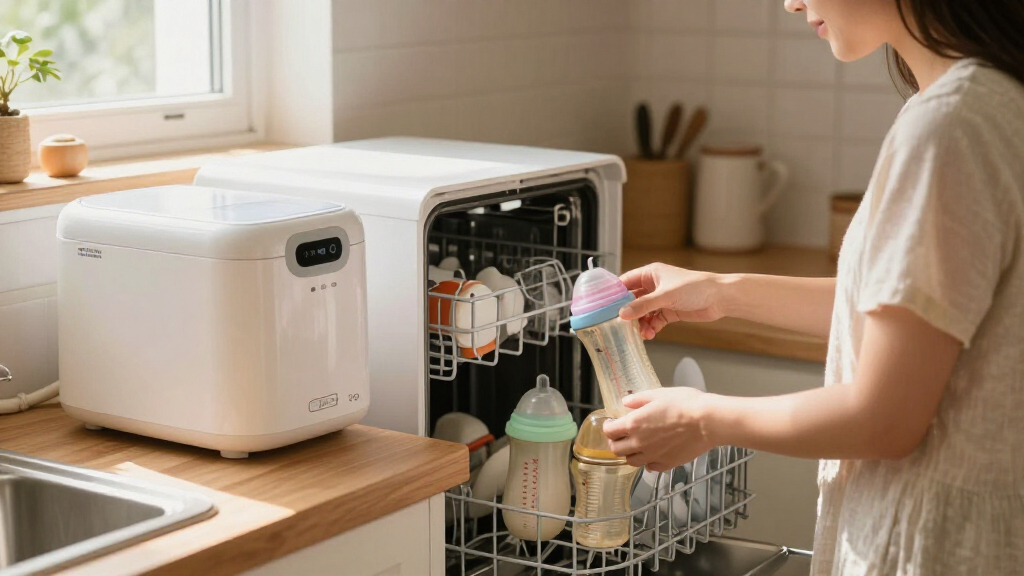
A dishwasher with a sanitizing cycle can handle daily cleaning for older babies, but sterilizers provide a higher level of germ-killing—especially critical for newborns or immunocompromised infants. Understanding where each fits helps you keep bottles safe and your routine efficient.
Every parent knows the frantic rush of feeding a newborn—clean bottles matter more than ever. But how do you keep those bottles truly safe? Many parents wonder if their dishwasher does the job or if they need a dedicated sterilizer instead.
Understanding the difference between cleaning and sterilizing isn’t just technical fluff; it’s about protecting your baby from harmful germs during those critical early months. This guide breaks down where each tool fits, what they do best, and how to choose what’s right for your family’s needs.
A dishwasher with a sanitizing cycle suffices for most older babies, but it doesn’t fully sterilize.
Sterilizers are the best choice for newborns and immunocompromised infants needing the highest germ protection.
Modern sterilizers incorporate UV-C or ozone, making them more effective than steam alone.
Always check your bottles’ material and manufacturer instructions before choosing your cleaning method.
A combination of daily dishwasher cleaning and regular sterilization can keep bottles both clean and safe.
What Does a Dishwasher Actually Do for Your Baby Bottles?
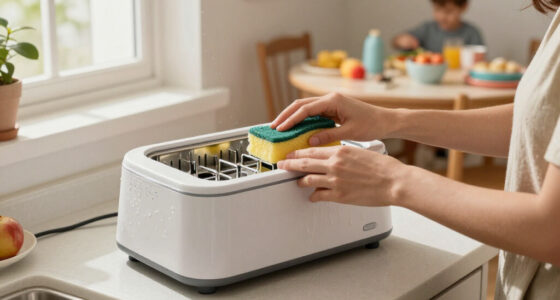
A dishwasher with a sanitizing cycle is your quick, everyday hero. It uses high-temperature water—often above 70°C (158°F)—to wash away food residue and some bacteria. Think of it as a good rinse that also kills a fair chunk of germs, making bottles safe enough for most older babies.
But here’s the catch: a dishwasher’s main job isn’t sterilization. It’s cleaning—removing visible stuff and some germs. This means it’s effective at reducing bacteria but doesn’t guarantee the complete eradication of all microbes. The temperature and duration of the cycle influence how many germs are eliminated, so a longer, hotter cycle is better, but it still might not reach the sterilization level for sensitive infants.
If your baby is past the newborn stage and healthy, a dishwasher with a sanitizing feature might be enough. However, for vulnerable infants, relying solely on this method might leave some germs behind, especially if the cycle isn’t optimized or if bottles have intricate parts that trap residues.
Materials matter too. Plastic bottles can warp if exposed to very high heat, and some silicone or rubber parts might degrade, affecting their longevity and safety. Always check your bottles’ manufacturer instructions to see if they’re dishwasher-safe, and consider whether the cleaning cycle reaches temperatures that could compromise their integrity over time.
As an affiliate, we earn on qualifying purchases.
Why Sterilizers Are the Gold Standard for Newborn Bottle Safety
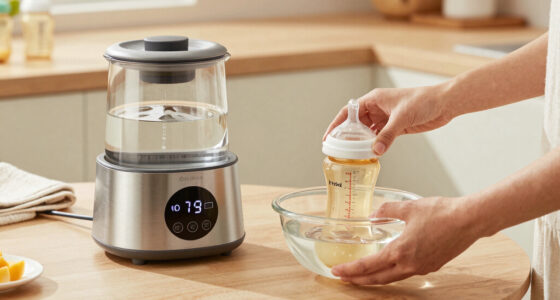
Sterilizers go beyond cleaning—they aim to kill 99.9% of germs, which is critical when dealing with newborns whose immune systems are still developing. They use methods like steam, chemicals, or UV light to eliminate bacteria, viruses, and fungi. This thorough approach reduces the risk of infections that can be particularly severe in fragile infants.
For example, a sterilizer that heats bottles to at least 75°C (167°F) ensures microbial destruction. This temperature is not just about killing visible germs; it’s about reaching a threshold proven to eradicate even the most resistant microbes. The rapid cycles offered by modern sterilizers—often under 10 minutes—allow busy parents to integrate sterilization into their routine without significant delay.
Choosing sterilization for newborns isn’t just about peace of mind; it’s an evidence-based practice to minimize infection risks during those critical early months. The tradeoff is the extra step and cost involved, but for many, the safety benefits outweigh the inconvenience, especially when the baby’s immune system is at its weakest.
Additionally, sterilizers often eliminate biofilm buildup in bottles and accessories, which can harbor bacteria if not properly sterilized. This deep clean can prevent long-term microbial contamination that might not be removed by a standard wash cycle.
dishwasher bottle sanitizing cycle
As an affiliate, we earn on qualifying purchases.
As an affiliate, we earn on qualifying purchases.
How to Decide Between a Dishwasher and a Sterilizer — 4 Key Factors
- Baby’s Age and Health Status: For newborns and immunocompromised infants, daily sterilization offers an added layer of protection, reducing infection risks during their most vulnerable period. As they grow and their immune defenses strengthen, the need for sterilization diminishes, making regular dishwashing sufficient.
- Routine and Convenience: If your priority is quick, daily cleaning, a dishwasher with a sanitizing cycle is convenient and efficient. However, for complete sterilization—especially during the first few months or if your baby has health concerns—a dedicated sterilizer ensures thorough germ elimination, even if it adds a step to your routine.
- Materials and Compatibility: Not all bottles are created equal. Plastic, silicone, and glass bottles have different tolerances. For example, some plastics may warp or degrade if exposed to high heat repeatedly, compromising safety. Knowing your bottles’ material and manufacturer instructions helps you choose the safest cleaning method, balancing efficacy and longevity.
- Budget and Space: Dishwashers are often built into your kitchen and may already be part of your household setup, making them a cost-effective choice for daily use. Sterilizers, especially countertop models or travel versions, might require an upfront investment but offer targeted sterilization, which could be worth it for peace of mind. Space constraints also matter—compact sterilizers are ideal for small kitchens or travel.
Ultimately, many parents find a combination approach works best: daily dishwasher cleaning for convenience and regular sterilization during the early months or when health concerns arise. This layered strategy balances safety, practicality, and cost, ensuring your baby’s bottles are both clean and safe.
As an affiliate, we earn on qualifying purchases.
Conclusion
Choosing between a dishwasher and a sterilizer isn’t about one being better—it’s about what’s right at each stage of your baby’s life. For most families, a dishwasher with a sanitizing cycle handles daily cleaning with ease. But during those early months or if health concerns arise, a sterilizer offers peace of mind.
Remember, safe feeding begins with proper cleaning, which means understanding what each tool does best. When in doubt, prioritize sterilization during those critical first months. Your baby’s health depends on it—and that simple choice can make all the difference.
baby bottle cleaning and sterilizing kit
As an affiliate, we earn on qualifying purchases.
As an affiliate, we earn on qualifying purchases.
Halloween Picks
halloween
As an affiliate, we earn on qualifying purchases.