TL;DR

Turn the school run and nap time into listening time
- Thousands of audiobooks, podcasts and originals
- Listen on your phone, tablet or Echo — also offline
- Cancel anytime
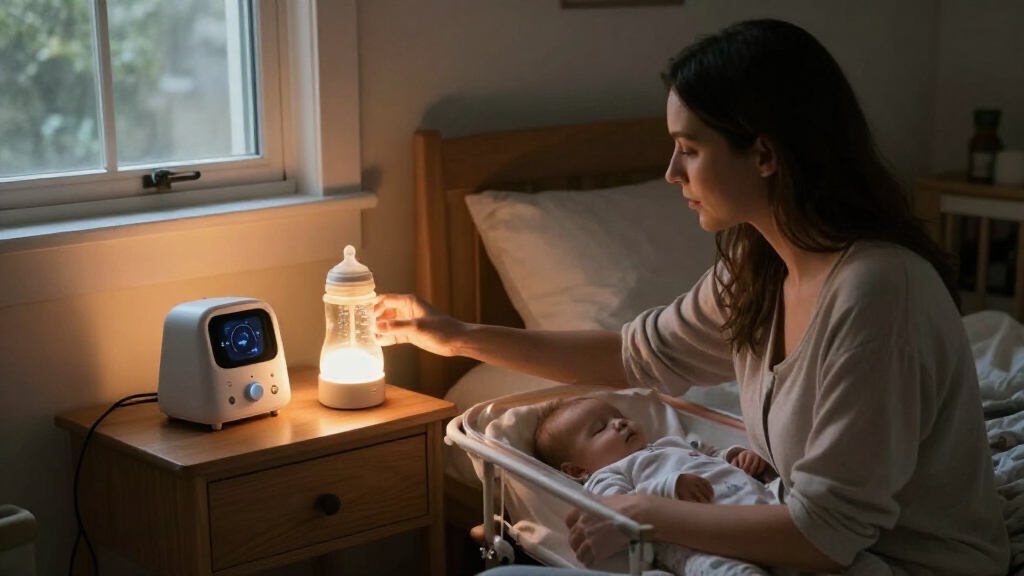
A night feed station is a small, prepared area that keeps the supplies you use overnight within reach while leaving your baby’s sleep space clear. Set it up around your feeding method, use warming and preparation devices only as directed, and return your baby to their own firm, flat sleep surface after the feed.
Keep the night feed station within easy reach of your usual feeding spot, on a stable surface, with cords and small items away from the baby’s sleep space.
Place your baby on their back in their own separate, firm, flat sleep space with no loose bedding or soft objects; return them there promptly after feeds.
Warming is optional for many babies. Never microwave milk, and check the temperature if you warm it.
Use bottle warmers, formula dispensers, and pumps according to their instructions; they do not replace careful preparation, cleaning, or storage.
Follow current local guidance for the specific feed because formula, expressed milk, and warmed feeds have different handling rules.
The 3 A.M. Field Guide · Bedroom Feeding
The Night Feed Station
A calmer overnight feed starts with a small landing pad: essentials within reach, a clear path, and your baby’s sleep space kept clear. Build around your routine, then let feeding tech earn its place through safe, simple use.
Warming is optional for many babies. Microwaving milk is never the answer.
Uneven heating can create hot spots. If you warm a feed, follow instructions and check its temperature.At a glance · A safe bedroom setup
01 / Place & prepare
Make the setup work in the dark
The station is a compact landing pad beside your usual chair or bed—not a second changing table. Try the layout while you are alert.
Close, stable, reachable
Use a sturdy side table, basket, or shelf within easy reach. Sit in your usual place and test whether you can grab a cloth, water, and lamp without stretching.
Contain the small things
Keep chargers, cords, and small items away from the baby’s sleep space and walking path. Route power cords along a wall; keep electrical devices on a dry, stable surface.
Use a soft, low light
A dimmable lamp can help you see without fully waking the room. Red or amber light is a comfort preference; claims about preserving infant sleep should be treated cautiously.
Pick your regular feeding spot.
Place a stable caddy within reach.
Add only regularly used supplies.
Check the path with lights dimmed.
02 / The priority
Feed, then return to safe sleep
A prepared station supports the feed. It does not change where or how your baby should sleep.
Back · separate · firm · flat
Place your baby on their back in their own separate, firm, flat sleep space, with no loose bedding or soft objects. The safest place is the baby’s own sleep space in the caregiver’s room, rather than an adult bed.
Let the reset wait
If you feel your eyes closing, put your baby back in their sleep space before tidying a bottle or refilling water. Avoid feeding on a sofa or armchair if you might fall asleep; these surfaces can be especially hazardous.
03 / Match your routine
Keep supplies simple and specific
Start with a cloth, caregiver water, a dim light, and the supplies you actually use. A washable basket can keep the station contained.
| Feeding routine | Useful items nearby | Practical setup |
|---|---|---|
| Nursing | Water, breast pads, burp cloth; pump or milk storage supplies if needed. | Put water and cloth on top. Keep pump parts clean and stored as directed. |
| Bottle-feeding | Clean bottle, preparation supplies, cloth; warmer only if you use one. | Follow the applicable preparation and storage guidance for that feed. |
| Combination-feeding | The small set of supplies used for each method. | Keep nursing items in one pouch and bottle supplies in another. |
Milk and formula do not share one universal timing rule. Prepared formula, expressed milk, and warmed feeds have different storage and discard guidance. Follow current local health advice and product instructions for the specific feed.
Separate used items from clean supplies, wipe the surface as needed, and restock only what you use regularly. Clean hands and equipment remain part of safe preparation.
04 / Convenience, with checks
Let feeding tech save effort
A device can make a familiar task easier. Its features do not replace accurate preparation, cleaning, safe storage, or good judgment.
Bottle warmers
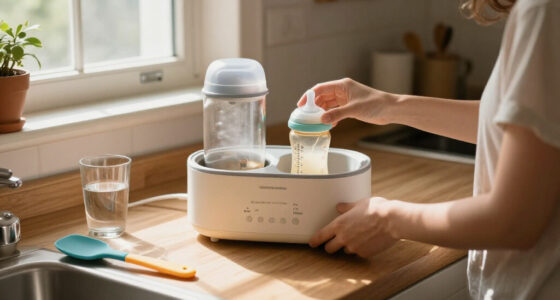
Warming is optional for many babies; milk may be offered cool or at room temperature. Never microwave. If warming, follow the device directions and check temperature.
Formula preparation devices
Confirm the device suits your formula type. Measure water and powder accurately, verify settings, and follow both device and formula instructions.
Pumps and app tracking
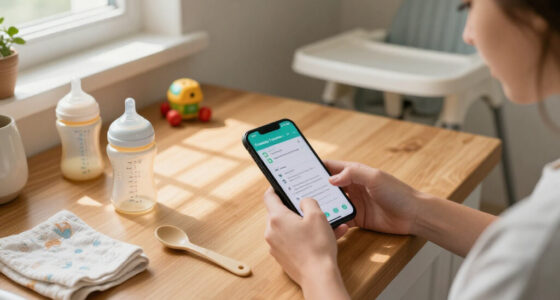
Tracking can log sessions, but it cannot assess comfort, fit, milk handling, or whether a feeding concern needs professional advice.
Sterilizers and accessories
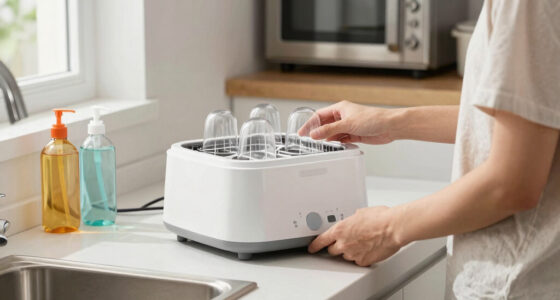
Use products as intended and follow cleaning instructions. Keep cords out of walkways and avoid overloaded outlets.
Keep the station within reach. Keep the sleep space clear. Return your baby there promptly after every feed.
The overnight flow
From prepared spot to safe reset
Choose a spot you can reach without stretching
A night feed station works best when it sits within easy reach of your usual feeding chair or bed, on a stable surface that leaves the baby’s sleep space clear. Think of it as a small landing pad for the few things you use every night, not a second changing table. A basket on a sturdy side table may be enough. Try the setup once in daylight. Sit where you normally feed and reach for a burp cloth, water bottle, and lamp without leaning across the baby or standing up. If you have to twist around a floor lamp or stretch past a charging cable, move the station before nighttime turns that small nuisance into a hazard. For example, one parent might keep a caddy beside a glider, with diapers and wipes in the lower compartment and a cloth on top. The nearby outlet can power a lamp, but the cord runs along the wall, away from the crib and walking path. Store small items, chargers, and cords beyond the baby’s reach, and keep the sleep surface free of station supplies. A quick setup sequence helps you spot awkward choices before the first overnight feed:- Pick the chair or feeding spot you use most often.
- Place a stable table or caddy beside it, where your hand naturally falls.
- Add only the supplies you use regularly and leave a clear path to the baby’s sleep space.
- Check the arrangement from a seated position, with the room lights dim.
Popular right now

Shark PowerDetect Corded Stick Vacuum, Self-Cleaning (Eggplant, HZ4002)

Dyson Airwrap i.d. Multi-Styler for Straight and Wavy Hair

TCL T7 Series 85-Inch 4K 144Hz QLED Smart Google TV
As an affiliate, we earn on qualifying purchases.
Keep safe sleep at the center of every feed
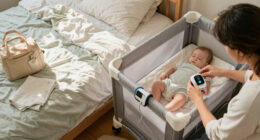
A feeding station supports the feed, but it does not change where your baby should sleep: on their back, on a separate, firm, flat sleep surface, with no loose bedding or soft objects. The safest place for an infant to sleep is their own sleep space in the caregiver’s room, rather than an adult bed. Keep that surface clear, even if a basket beside it would be convenient. Overnight drowsiness is real. If you feed in bed, plan ahead for the chance you could nod off, and return your baby to their own sleep space as soon as the feed ends. Avoid feeding on a sofa or armchair if you might fall asleep; those surfaces can be especially hazardous. If you have another adult at home, agree on a simple handoff for moments when you feel too sleepy to stay alert. For instance, imagine you pick up your baby after a feed and notice your eyes closing. Put the baby back in their sleep space before you tidy the bottle or refill your water. The burp cloth can wait. That small order of operations matters more than a perfectly reset station.Use your pediatric clinician’s guidance for questions about your baby’s sleep and feeding. Check child products for age-appropriateness and look for current CPSC recall notices before relying on a product in the nursery.Keep the baby’s sleep space for sleep: a clear, firm, flat surface, with your baby placed on their back.
Set up supplies for the way you feed
The most useful night feed station is the one built around your feeding method and your actual routine. A nursing parent may want water and breast pads within reach, while a bottle-feeding parent may need clean bottles and a safe preparation plan. Many families combine methods, so it’s fine to make a flexible setup instead of choosing one fixed kit. Start with a small core: a burp cloth, a dimmable lamp, a caregiver water bottle, and the feeding supplies you use on most nights. Add diapers or wipes only if you regularly need them during feeds. Keep all of it contained in a washable basket, away from the baby’s sleep surface. A bulky pile can look organized at noon and become a cluttered obstacle when you’re carrying a baby at night. | Feeding routine | Useful items nearby | Practical example | |—|—|—| | Nursing | Water, breast pads, burp cloth; pump or milk storage supplies if needed | Put the water and cloth on top; keep pump parts clean and stored as directed | | Bottle-feeding | Clean bottle, preparation supplies, cloth; warmer only if you use one | Set out a clean bottle and follow the applicable preparation and storage guidance | | Combination-feeding | The small set of supplies used for each method | Keep nursing items in one pouch and bottle supplies in another | For example, if you pump before bed, you might place a clean storage container in the refrigerator and keep only the pump accessories you need for the next session at the station. Avoid leaving prepared feeds out based on guesswork: expressed milk, prepared formula, and warmed feeds have different storage and discard rules. Follow current local health guidance and product instructions for the specific feed.Use feeding tech for convenience, not as a safety shortcut
A bottle warmer, sterilizer, formula dispenser, or app-connected pump can make a familiar task more convenient, but the device cannot take over safe preparation, cleaning, storage, or good judgment. Use each product as intended, with the instructions for both the device and the milk or formula. Tech in the bedroom should reduce a hassle without adding a new guessing game. If you use a formula preparation device, check that it is designed for your formula type and follow the stated steps for measuring water and powder. A dispenser’s convenient button does not prove that the ratio is right for every product. Similarly, a pump app can record sessions, but it cannot tell you whether the pump fits comfortably, whether milk has been handled safely, or whether a feeding concern needs professional advice. Here’s a real-world check: if the dispenser’s settings are unclear after you change formula, pause and verify them against the product and device instructions before using it. If the pump app says a session lasted 18 minutes but pumping hurts, the timer does not settle the comfort or fit question. Ask a pediatric clinician or qualified feeding professional when you have concerns about intake, feeding difficulty, or milk handling. Keep electrical devices on a dry, stable surface. Follow cleaning instructions, avoid overloaded outlets, and route cords so no one can trip. A compact warmer may save a trip to the kitchen, but if it crowds the bedside table or leaves a hot device near the baby, it is not helping your routine.Decide whether warming milk is worth the extra step
Warming a bottle is optional for many babies; some will take milk cool or at room temperature, while others prefer it warm. If you do warm a feed, use a safe method, follow the equipment instructions, and check the temperature before feeding. Never use a microwave: uneven heating can create hot spots that may burn a baby’s mouth. A warmer can save a walk downstairs when your baby wakes hungry and the bottle genuinely needs warming for your family’s routine. The tradeoff is another device to clean, plug in, and keep away from water and clutter. Before buying or setting one up, ask whether your baby accepts milk without warming and whether a safe warming method already fits your routine. For example, a parent whose baby accepts room-temperature expressed milk may find that a clean bottle and a dim lamp are all the station needs. Another parent may use a warmer because their baby consistently prefers warmed milk. In either case, the goal is a calm feed, not a gadget for its own sake. Check temperature before feeding rather than trusting a timer alone. If your baby will only take warm milk, you can warm it safely according to current guidance and the product directions. Prepared formula, expressed milk, and warmed feeds do not share one universal storage rule, so use the instructions for that specific feed. If feeding remains difficult or you are concerned about intake, contact your pediatric clinician or a qualified feeding professional.Make night lighting gentle and useful
A good night-feed light lets you see the bottle, your baby’s face, and the path back to the sleep space without flooding the room with bright overhead light. Choose a low, adjustable lamp that you can operate from your feeding position. Red or amber light is often chosen for comfort, but claims that one color preserves infant sleep should be treated cautiously. Try the lamp before bedtime. Set it low, then check whether you can still read the bottle label, see a spill, and move safely around the room. If the light is too dim to notice a wet patch on the floor, it is not doing its job. If it lights up the whole bedroom like morning, lower the setting or angle it toward a wall. Picture a feed where the small amber glow catches the white edge of a burp cloth and leaves the rest of the room quiet. You can see enough to wipe a drip without waking everyone with the ceiling light. A dimmer or motion-sensor night light may suit your room, but test its placement so it does not shine directly into the baby’s sleep space or make a cord part of the walking route. Keep the station’s controls easy to reach. At 3 a.m., fumbling for a tiny touch panel can be more irritating than helpful. A simple switch you can find by feel often beats a smart feature you need to troubleshoot while holding a sleepy baby.Build a two-minute reset that keeps the station clean
A quick reset after a feed keeps the station ready and helps separate clean supplies from used ones. Wash your hands when needed, handle feeding equipment as directed, and store or discard milk according to current local guidance for that specific feed. A device does not remove the need for clean hands, clean equipment, and correct preparation. Try this short sequence after the baby is safely back in their sleep space:- Put used bottles, pump parts, or other feeding equipment in the place you use for cleaning; follow their care instructions.
- Return clean supplies to the basket and remove any used cloth or waste.
- Wipe spills from the dry, stable surface and check the device for cleaning needs.
- Make sure cords, chargers, and small items remain away from the sleep space and walking path.