
TL;DR

Turn the school run and nap time into listening time
- Thousands of audiobooks, podcasts and originals
- Listen on your phone, tablet or Echo — also offline
- Cancel anytime
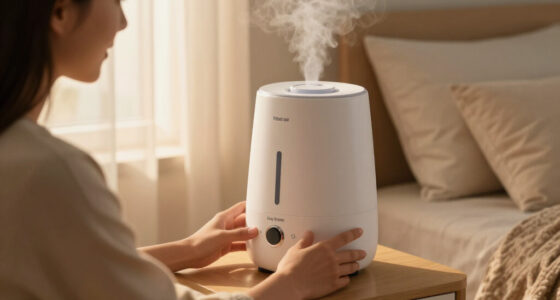
Both cool mist and warm mist humidifiers can effectively increase humidity, but cool mist models are generally safer due to no hot water or steam. Recent models include antimicrobial features and smart controls, making them easier and safer to maintain.
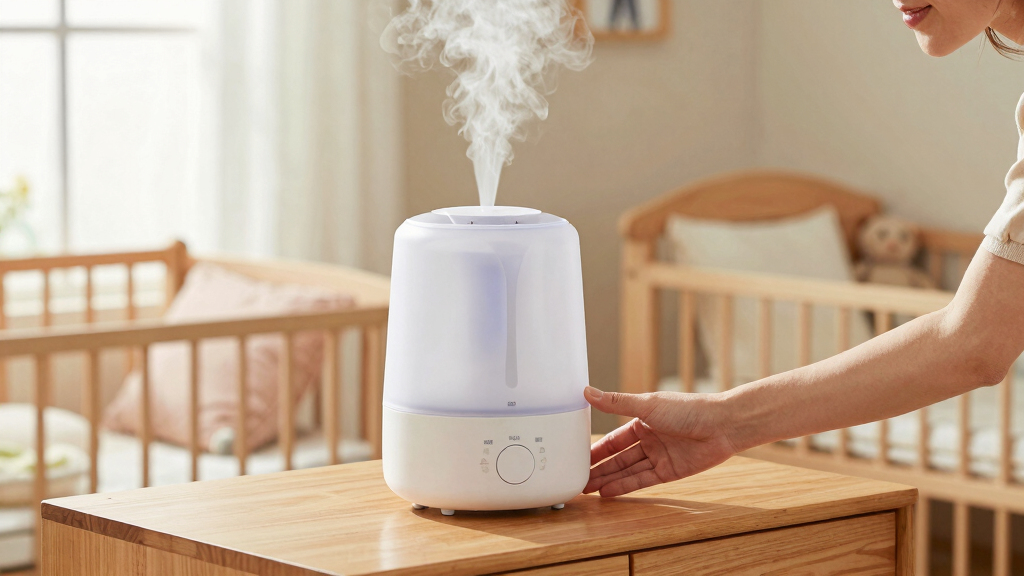
Cool mist humidifiers are safer for nurseries because they lack hot water or steam, reducing burn risks.
Ultrasonic cool mist units are quieter, faster, and more energy-efficient, making them ideal for nighttime use.
Regular cleaning with vinegar and distilled water prevents mold and bacteria buildup, ensuring safe operation.
Recent models with antimicrobial and smart features offer safer, easier maintenance and better control.
Monitor humidity levels with a hygrometer to avoid over-humidifying, which can promote mold growth.
Cool Mist vs Warm Mist Humidifiers
Both types can ease dry air and congestion. For a nursery, however, cool mist is generally the safer choice because it creates humidity without hot water or burn-causing steam.
Same destination. Different route.
Both devices add moisture to nursery air. The way they create that moisture changes their safety profile, sound, energy use and cleaning needs.
Cool Mist
Ultrasonic vibration or a fan turns water into a fine, room-temperature vapor—often a quiet fog that spreads quickly.
- No hot water or steam
- Quiet ultrasonic operation
- Lower energy consumption
- Needs diligent cleaning
Warm Mist
A heating element boils water and releases warm vapor—comforting in a cold room, but accompanied by hot surfaces and water.
- Boiling can reduce microbes in water
- Hot water creates a burn hazard
- More power needed to heat water
- Mineral scale can affect the element
The nursery comparison
Cool mist wins the practical nursery match-up, especially when quiet sleep, lower running costs and reduced burn risk matter most.
| Criterion | Cool mist | Warm mist | Nursery read |
|---|---|---|---|
| Burn safety | ✓ Strong — no steam | ✗ Caution — hot water | Cool mist advantage |
| Nighttime noise | ✓ Very quiet — ultrasonic | ~ Audible — boiling sounds | Better for light sleepers |
| Energy use | ✓ Lower | ✗ Higher — 300–400W | Cool mist costs less to run |
| Humidifying ability | ✓ Fast — up to 5–8%/hr* | ✓ Effective | Both work well |
| Hygiene | ~ Clean frequently | ~ Boils water; still clean | Maintenance is essential |
| Long-term value | ✓ Cost-effective | ~ Heating-element wear | Cool mist advantage |
Healthy humidity has boundaries.
Moist air may soothe dry nasal passages and congestion, but excess humidity supports mold and dust mites. Measure the room instead of guessing.
Keep heat out of reach—or out of the room.
A toddler can pull, tip or touch a warm mist humidifier. Cool mist removes the hot-water hazard entirely, making it the more forgiving nursery option.
Relative nursery fit
Directional comparison based on the stated safety, noise and energy characteristics.
Clean water makes clean mist.
A poorly maintained humidifier can spread mold, bacteria or mineral particles. Simple habits make the difference.
Choose distilled
Use distilled or filtered water to limit mineral deposits, residue and “white dust.”
Wash weekly
Clean the tank and water-contact surfaces with vinegar and water, following the maker’s directions.
Measure the room
Use a hygrometer and reduce output if condensation or musty smells appear.
The humidity comfort zone
Target range: 40–60%Add fresh distilled water.
Use a stable, elevated surface.
Aim for the 40–60% zone.
Read the hygrometer daily.
Empty, dry and wash regularly.
Features worth looking for now
Newer humidifiers combine safer operation with sensors and antimicrobial tools that can simplify—but never replace—routine cleaning.
Auto shut-off
Stops operation when the tank empties or the target humidity is reached.
UV treatment
Designed to reduce microbial growth within the device’s water pathway.
Antimicrobial parts
Coatings and filters can help limit bacteria and mold on treated surfaces.
Smart sensors
Humidity sensing, timers and app controls allow remote monitoring and adjustment.
For most nurseries, an ultrasonic cool mist humidifier with automatic shut-off, easy-clean parts and humidity control offers the best balance of safety, comfort and value.
What Is the Main Difference Between Cool Mist and Warm Mist Humidifiers?
Cool mist humidifiers use ultrasonic vibrations or fans to produce a cool vapor, while warm mist humidifiers boil water to create warm, soothing vapor. This fundamental difference impacts safety, maintenance, and effectiveness.
Imagine a quiet, misty breeze filling the nursery—cool mist units often produce a gentle, whisper-quiet fog that feels refreshing. Warm mist, on the other hand, releases a cozy, steamy glow, like a warm cup of tea in a chilly room.
According to BabyUI, ultrasonic cool mist units are especially favored for nurseries because they operate quietly and use less energy, making them a practical choice for nighttime use.
As an affiliate, we earn on qualifying purchases.
Safety First: Which Humidifier Is Safer for Your Baby?
Safety is the top concern when choosing a nursery humidifier. Cool mist models are generally safer because they don’t involve hot water or steam that could cause burns if tipped over or mishandled.
Warm mist units boil water, which creates a burn risk if the device is knocked over or if hot water is exposed. For example, a toddler in the nursery might accidentally grab a warm mist device and get burned.
Always opt for models with safety features like automatic shut-off, tip-over protection, and cool-touch surfaces. BabyUI recommends checking that your chosen device meets current safety standards and CPSC recall lists.
warm mist humidifier for baby room
As an affiliate, we earn on qualifying purchases.
As an affiliate, we earn on qualifying purchases.
Which Type Clears the Air Faster and More Effectively?
Both cool mist and warm mist humidifiers can effectively increase humidity, but ultrasonic cool mist units tend to work faster and more quietly. Imagine a quick, gentle fog spreading through the nursery—within minutes, the air feels softer and less dry.
Warm mist units are good at quickly raising humidity as well, especially in very dry environments, but they often produce a slightly more noticeable noise due to boiling water.
Research from BabyUI shows that ultrasonic cool mist models can add humidity at a rate of up to 5-8% per hour, making them a favorite among parents seeking rapid relief.
ultrasonic humidifier with antimicrobial features
As an affiliate, we earn on qualifying purchases.
As an affiliate, we earn on qualifying purchases.
Maintenance and Hygiene: Which Needs More Care?
Keeping a humidifier clean is key to preventing mold and bacteria. Cool mist units often require more frequent cleaning because tap water can leave mineral deposits and promote mold growth.
Warm mist devices boil water, which helps kill bacteria, but they still need regular cleaning to prevent mineral buildup. For example, mineral deposits can clog the heating element or nozzle, reducing efficiency.
BabyUI suggests cleaning your unit weekly with vinegar and water, and always using distilled or filtered water to reduce mineral deposits.
baby safe humidifier with smart controls
As an affiliate, we earn on qualifying purchases.
As an affiliate, we earn on qualifying purchases.
Noise Levels and Energy Use: What Should You Expect?
Ultrasonic cool mist humidifiers are notably quieter—some operate at whisper levels, ideal for nighttime. Warm mist units tend to produce more noise from boiling water, which might disturb a light sleeper.
Energy-wise, warm mist models consume more power due to the heating element—about 300-400 watts during operation—while cool mist devices use less, making them more budget-friendly for long-term use.
If your nursery is small or your baby sleeps with white noise, a quiet ultrasonic cool mist model might be your best bet.
Cost and Long-Term Value: Which Is More Budget-Friendly?
Initial costs for warm mist humidifiers are often higher, priced around $50-$100, with maintenance slightly more expensive due to heating element wear. Cool mist ultrasonic units typically cost $30-$70 and are cheaper to run.
For example, a high-quality cool mist model might last years with minimal repairs, while warm mist units might need more frequent replacements of parts like the heating coil.
BabyUI notes that over time, cool mist units tend to be more cost-effective, especially as newer models include antimicrobial and smart features that extend lifespan.
What Do Recent Tech Developments Mean for Your Nursery?
Latest models now include antimicrobial coatings, UV sterilization, and smart controls. Imagine a humidifier that can automatically turn off when humidity reaches the right level—more convenience and safety.
BabyUI highlights that these innovations reduce bacterial growth and make maintenance easier, giving parents peace of mind.
Additionally, some units connect to smartphone apps, allowing you to monitor and adjust humidity remotely, perfect for busy parents who want control at their fingertips.
What Are Parents Actually Asking About These Humidifiers?
- Are cool mist or warm mist humidifiers safer for babies? Cool mist is safer due to no hot water or steam.
- Which humidifier works faster? Ultrasonic cool mist models typically work quicker and quieter.
- Can humidifiers cause health problems? They can if not cleaned properly; mold and bacteria buildup are concerns.
- How do I pick the right one? Focus on safety features, ease of cleaning, noise, and your budget.
- Do humidifiers really help with colds? Yes, maintaining proper humidity soothes nasal passages and eases congestion.
Frequently Asked Questions
Are cool mist or warm mist humidifiers safer for babies?
Cool mist humidifiers are generally safer because they don’t involve hot water or steam, reducing burn risk. Always choose models with safety features like auto shut-off and tip-over protection.Which humidifier works faster for increasing humidity?
Ultrasonic cool mist units tend to work faster and more quietly than warm mist models, making them perfect for quick relief and nighttime use.Can humidifiers cause health issues?
Yes, if not cleaned properly, they can harbor mold and bacteria, which may cause respiratory issues. Regular cleaning and using distilled water help prevent this.How do I choose the best humidifier for my nursery?
Look for safety features, ease of cleaning, quiet operation, and budget. Consider your space size and whether you prefer warm or cool mist based on your climate.Do humidifiers help with colds and congestion?
Yes, maintaining proper humidity levels soothes nasal passages, reduces congestion, and helps your baby breathe easier during colds.Conclusion
Choosing the right humidifier boils down to safety, convenience, and your home’s needs. A cool mist ultrasonic model with antimicrobial features can give your nursery the perfect balance of safety and effectiveness. Remember, a healthy, well-humidified nursery is a happy, breathing one — so pick wisely and keep it clean.Halloween Picks
halloween
As an affiliate, we earn on qualifying purchases.