TL;DR

Turn the school run and nap time into listening time
- Thousands of audiobooks, podcasts and originals
- Listen on your phone, tablet or Echo — also offline
- Cancel anytime
Clean your humidifier at least once a week and descale every 1-2 months, especially if using hard water. Using vinegar and distilled water helps prevent bacteria and mineral deposits, prolonging device life and maintaining healthy air quality.
Ever opened your humidifier and been hit with a musty smell or seen white dust around it? That’s a sign your device needs some attention. Many parents overlook routine cleaning, but neglect can turn a helpful device into a health hazard. In this guide, you’ll discover how often to clean and descale your humidifier—simple steps that keep the air safe and your device humming.
Keeping a humidifier in top shape isn’t just about avoiding mold. It’s about providing a clean, cozy environment for your little one—especially during cold, dry months. Let’s walk through what’s needed, what changes with water quality, and how modern features can make maintenance easier.
Clean your humidifier at least once a week with vinegar or mild soap to prevent mold and bacteria growth.
Descale every 1-2 months, especially if using hard tap water, to remove mineral deposits and maintain mist quality.
Use distilled or demineralized water to cut down on mineral buildup and bacteria, reducing cleaning frequency.
Watch for signs like white dust or weakened mist to know when a deep clean is needed.
Modern features like UV-C sterilization and smart alerts can reduce manual maintenance and improve safety.
Humidifier Maintenance: How Often to Clean and Descale
A musty smell, white dust or weakening mist is your humidifier asking for attention. A simple weekly clean and periodic vinegar descale help keep bacteria, mold and mineral deposits away from the air your family breathes.
Three habits keep mist clean
Moisture supports comfort, but standing water also creates conditions where microbes can flourish. Emptying, cleaning and descaling interrupt that cycle while protecting mist quality and device life.
Wash away the weekly film
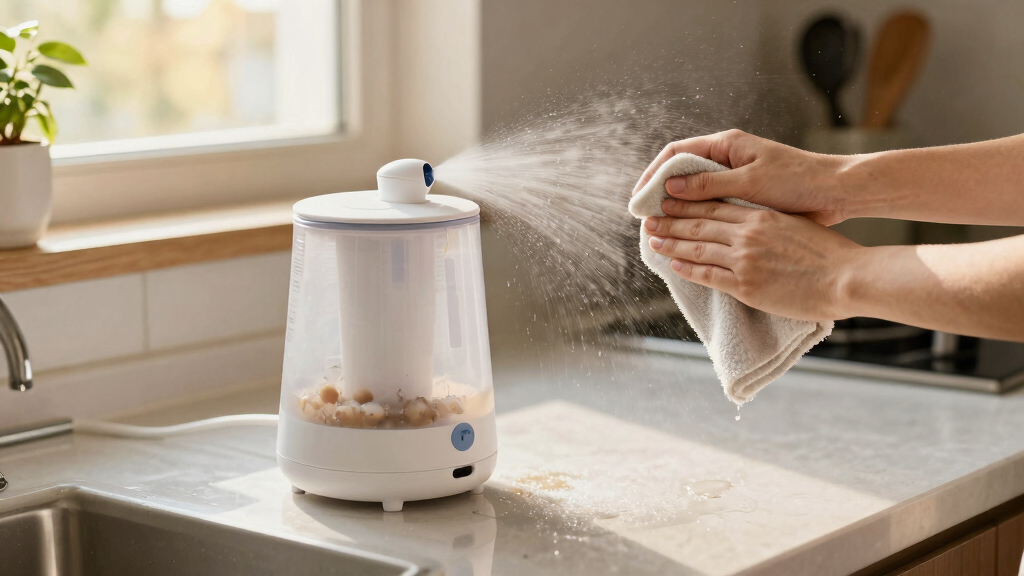
Unplug, empty and wash removable parts with warm water and mild dish soap. Rinse thoroughly so no cleaning residue enters the mist.
At least every 7 daysDissolve mineral crust
Use equal parts white vinegar and water, allow time to soak, then loosen deposits gently with a soft brush.
Every 1–2 monthsReduce buildup at the source
Distilled or demineralized water leaves fewer minerals behind, reducing white dust and helping mist remain consistent.
At every refillFrom mineral crust to clear mist
Always check the manufacturer’s instructions first. Keep electrical bases, controls and power cords out of water, and never run the unit while descaling.
Unplug
Switch off the unit and disconnect power before handling water.
Empty
Discard standing water and separate the removable components.
Soak
Add a 50/50 white vinegar and water solution to affected areas.
Brush
Gently loosen deposits with a soft brush—never scrape the plastic.
Rinse
Rinse repeatedly with clean water, then dry before reassembly.
The water you pour in shapes the work ahead
Tap water can carry minerals that settle inside the tank and disperse as white dust. Distilled and demineralized options substantially reduce that mineral load, although they do not replace weekly cleaning.
| Maintenance choice | Mineral control | Routine role | Best use | Watch-out |
|---|---|---|---|---|
| White vinegar | ✓ Strong | Descaling | Crust and deposits | Rinse thoroughly |
| Mild dish soap | ~ Limited | Weekly washing | Film and residue | Avoid excess suds |
| Distilled water | ✓ Excellent | Prevention | Everyday refills | Cleaning still required |
| Harsh chemicals | ✗ Avoid routinely | Manufacturer-specific only | Exceptional sanitizing | Fumes and plastic damage |
Four signs say: clean it now
Minerals are collecting inside the unit or dispersing into the room.
Descale + change waterStanding water, hidden film or microbial growth may be present.
Stop use + cleanScale may be obstructing the pathway or reducing device efficiency.
Inspect + descaleWhite crust on the tank, base or filter signals accumulated minerals.
Vinegar soakSmall habits protect the whole system
Maintenance is not merely cosmetic. Each step affects the next—from the tank’s condition to the quality of mist released into the nursery.
Helpful features—not a free pass
Newer humidifiers can reduce manual effort, but standing water and accessible surfaces still require attention. Treat technology as a reminder and risk-reduction layer, not a substitute for cleaning.
Designed to reduce microbes within the unit’s internal water pathway.
App or device notifications make weekly routines harder to overlook.
Specialized surfaces can inhibit growth on selected components.
Automated cycles may reduce buildup between hands-on cleanings.
Why Regular Cleaning Stops Germs and Bacteria from Taking Over
Humidifiers are like petri dishes if not cleaned regularly. Bacteria, mold, and yeast love the warm, moist environment. If you don’t clean weekly, these microbes can flourish, increasing your child’s risk of respiratory infections or allergies. It’s more than just a hygiene issue—neglecting cleaning can cause a musty smell and white dust on furniture.
An example: a parent notices her baby’s cough worsens after using the humidifier for a week. A quick cleaning with vinegar clears out the mold lurking inside, and her baby’s symptoms improve. It’s a vivid reminder—cleaning is a health safeguard, not just a chore.
Popular right now

Sony WH-1000XM6 Wireless Noise-Canceling Over-Ear Headphones, Blue, Bundle

Ninja Luxe Café Mini Plus Espresso and Drip Coffee Machine with AutoFroth, Stainless Steel, ES351

Ninja Flip Toaster Oven and Air Fryer, 8-in-1, Stainless Steel, SP151
As an affiliate, we earn on qualifying purchases.
How Often Should You Really Clean Your Humidifier? The Simple Weekly Rule
Cleaning your humidifier at least once a week during regular use is the gold standard. If you run it daily, a weekly scrub prevents buildup of bacteria and mineral deposits. During dry seasons or if your water’s hard, consider cleaning more frequently—every 4-5 days.
Imagine a family using tap water in a humidifier every night. After a month, white dust and a faint smell appear. A quick vinegar soak and thorough rinse restore proper mist and clear the air again. Regular cleaning keeps your device operating at peak performance.
Descaling: Why and How to Keep Mineral B deposits at Bay
Descaling is about removing mineral deposits—especially if you use hard water. These deposits clog the device, reduce mist output, and can cause microbial growth. The CDC recommends descaling every 1-2 months or sooner if you see white crust inside the tank.
Here’s a quick step-by-step:
- Unplug and empty the tank.
- Fill with equal parts white vinegar and water.
- Let it sit for 30 minutes to an hour.
- Scrub gently with a soft brush, focusing on mineral buildup.
- Rinse thoroughly with clean water before use.
In one case, a mom notices her humidifier’s mist diminishes after two months. A vinegar soak clears the mineral crust, and mist output returns to full strength. Descaling isn’t just maintenance—it’s prolonging your device’s life and keeping air pure.
Choosing the Right Cleaning Agents—Vinegar, Soap, and When to Skip Harsh Chemicals
Vinegar is your best friend for descaling—safe, effective, and inexpensive. A 50/50 vinegar-water mix dissolves mineral deposits and kills bacteria. For routine cleaning, mild dish soap and warm water work well. Avoid bleach or harsh cleaners—they can release fumes and damage plastics.
For example, a parent uses vinegar for descaling and mild soap for weekly wipe-downs. Their humidifier stays fresh, and their baby’s air remains clean. Remember: always rinse thoroughly after cleaning to remove any residue.
Water Choices Matter: Tap, Distilled, or Demineralized?
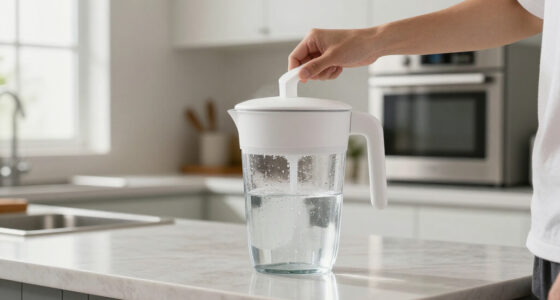
Using tap water in your humidifier is convenient but can lead to mineral buildup and bacterial growth. Distilled or demineralized water reduces these risks significantly. It’s like choosing pure ingredients for a better-tasting dish—your humidifier operates more smoothly, and the air stays cleaner.
One family switches from tap to distilled water and notices less white dust and more consistent mist. The extra cost pays off in fewer cleanings and better air quality.
Signs Your Humidifier Needs a Deep Clean or Descaling
Look for these clues: white dust around the device, a faint musty smell, or a drop in mist output. Visible mineral deposits inside the tank or on the filter are clear signs. If your humidifier isn’t performing as well as when you first bought it, it’s probably time for a good scrub.
For instance, a dad notices his humidifier’s mist is weak. After a vinegar soak and scrubbing, it works like new. Recognizing these signs helps prevent bigger problems down the line.
Modern Features That Make Maintenance Easier
Advances like antimicrobial coatings, UV-C sterilization, and self-cleaning modes reduce your manual labor. Some models alert you when cleaning is needed. These innovations aren’t just gimmicks—they can cut your maintenance time in half and keep your nursery healthier.
Imagine a smart humidifier sending a notification after a week of use, prompting you to descale. It’s like having a built-in cleaning assistant.
The Real Risks of Skipping Maintenance in Your Nursery
Neglecting regular cleaning and descaling can turn your humidifier into a germ factory. Mold spores, bacteria, and mineral dust can cause respiratory issues, trigger allergies, or worsen asthma in your little one. It’s not just about scent or dust—it’s about safety.
One parent ignored signs of buildup, leading to a trip to the pediatrician. Regular upkeep is a small price for peace of mind and healthy air.
Frequently Asked Questions
How often should I clean my humidifier if I use it daily?
Aim to clean it at least once a week. If your water is hard or you notice white dust or a musty smell, clean more often—every 4-5 days helps keep bacteria and mineral buildup at bay.Can I use bleach to clean my humidifier?
While bleach can disinfect, it’s not recommended for regular use because fumes can irritate your lungs and your baby’s. Stick with vinegar and mild soap for routine cleaning, reserving bleach for occasional deep sanitizing if necessary.Does using distilled water mean I never need to descale?
Using distilled water greatly reduces mineral buildup, but it doesn’t eliminate bacteria. You should still descale every 1-2 months and do weekly cleanings to keep your humidifier functioning safely.What’s the best way to remove stubborn mineral deposits?
Fill the tank with a vinegar-water solution, let it sit for 30-60 minutes, then scrub gently with a soft brush. Rinse thoroughly afterward. For tough deposits, repeat the process or use descaling tablets designed for humidifiers.Are there humidifiers that require less maintenance?
Yes, models with antimicrobial coatings, UV-C sterilization, or self-cleaning features need less frequent manual cleaning. They can be a good investment for busy parents seeking peace of mind.Conclusion
Keeping your humidifier spotless isn’t just about cleanliness—it’s about protecting your child’s health and extending the device’s life. Regular cleaning and descaling are simple habits that pay off every day. Think of it as giving your nursery the gift of pure, safe air—something every parent wants.
Next time you hear that faint smell or see white dust, remember: a quick vinegar soak and a wipe-down can make all the difference. Your baby’s breathless smiles depend on it.