
TL;DR

Turn the school run and nap time into listening time
- Thousands of audiobooks, podcasts and originals
- Listen on your phone, tablet or Echo — also offline
- Cancel anytime
In an old-house nursery, check for moving air and measure temperatures in several spots at different times before choosing a fix. Seal suitable gaps and improve heating-system flow without blocking ventilation, disturbing suspect materials, or placing portable heaters near a baby’s sleep space. Follow current pediatric safe-sleep guidance; no single room temperature fits every baby and home.
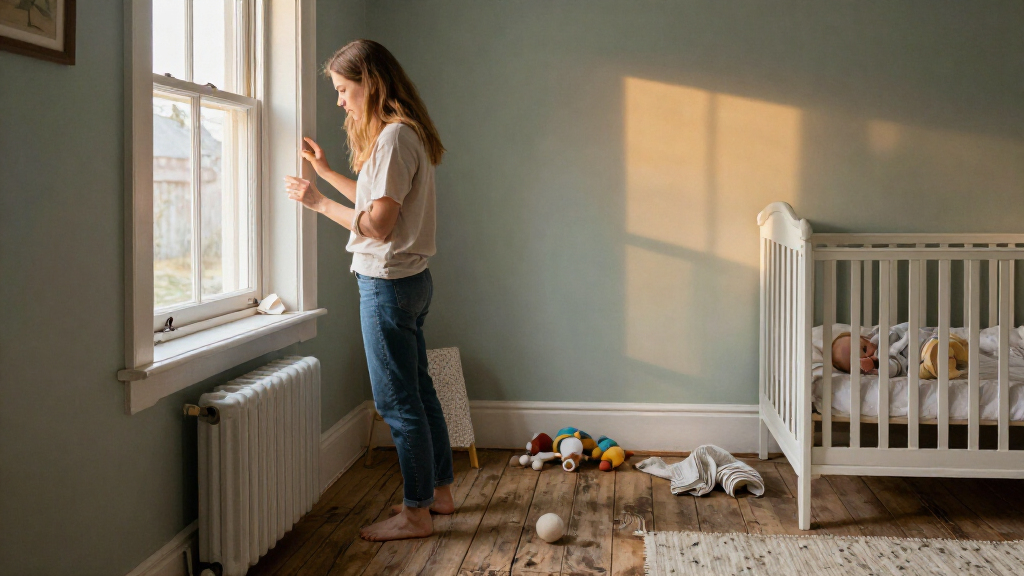
At 3 a.m., the nursery can feel chilly by the window and stuffy near the radiator, even though the thermostat says the house is fine. In an old house, one room can have several temperature patterns: a draft along the floor, a warm patch in afternoon sun, and a cold exterior wall.
This guide helps you find where moving air comes from, track temperature changes across the room and overnight, and choose sensible fixes. You’ll also see when to call a qualified professional, how to avoid disturbing older building materials, and why safe sleep guidance matters more than chasing one perfect temperature.
Think of the room as a small boat: comfort depends on finding the leaks and understanding where the current runs, not turning up the heat until every corner feels the same. A little observation can help you spend effort where it counts.
Use a tissue or another suitable airflow check at windows, doors, pipe gaps, floorboards, attic hatches, and chimneys before choosing a draft fix.
Compare temperatures near the crib, windows, exterior walls, and heating equipment at different times; one reading can miss overnight swings.
Use weatherstripping, door sweeps, curtains, and caulk only where they suit the location, and keep required ventilation and drainage openings clear.
Keep portable heaters away from bedding and curtains, follow their instructions, and never leave them unattended.
Follow current pediatric safe-sleep advice, avoid loose bedding and sleep hats, and ask a pediatrician about baby-specific questions.
Old House Nursery · Comfort & Safety Field Guide
Drafts, Uneven Heat & Practical Fixes
A nursery can feel chilly by the window and stuffy beside the radiator while the hallway thermostat says everything is fine. Find moving air, map temperature patterns, then target fixes to the cause.
“Find the leaks and understand where the current runs—don’t chase one perfect number.”
Comfort is a pattern, not a snapshot
One thermometer reading can miss overnight cooling, a sunny-afternoon hot spot, or a cold surface near the crib. Record where and when each reading was taken.
Five sensible first moves
Small, targeted checks can make the next repair decision clearer and help avoid creating new ventilation, moisture, or fire risks.
Use a tissue or suitable airflow check around windows, doors, pipe gaps, floorboards, attic hatches, and chimneys.
Compare temperatures near the crib, windows, exterior walls, and heating equipment at different times.
Choose weatherstripping, sweeps, curtains, or caulk for the specific spot. Keep required ventilation and drainage paths clear.
Keep portable heaters away from bedding and curtains. Follow instructions and never leave one unattended.
Follow current pediatric safe-sleep advice. Avoid loose bedding and sleep hats; ask a pediatrician about baby-specific questions.
Draft—or just a cold window?
A true draft is moving air through or across the room. Cold air can also sink beside chilly glass and spread over the floor without coming through a gap.
Look for repeat movement
On a breezy evening, slowly move a tissue strip along a closed window frame and the bottom of the door. If it pulls toward the same corner on repeat checks, note the spot.
Separate leak from chill
Check the tissue at the frame, then a few inches away, and repeat when the wind changes. A cool patch alone does not prove air is entering there.
Check beyond the window
Look around doors, floorboards, pipe openings, attic hatches, and unused chimneys. Write down what you find before sealing anything.
Some openings have a job
Combustion-air openings and drainage paths may be required. If you cannot tell what an opening does—or it is near a chimney or fuel-burning appliance—ask a qualified professional.
Measure in more than one place
Use one thermometer and move it between spots, or compare sensors after placing them together for a while. Keep readings out of direct sun and away from heaters, vents, and the baby’s reach.
Illustrative pattern only—not temperature data. Log the actual reading, location, time, weather, and whether the heating was running.
Observe, then choose a fix
Patterns can point toward an airflow issue, a heating balance problem, or a sunny hot spot. Sensors reveal conditions where they sit; they cannot judge whether a repair or crib location is safe.
Locate
Check seams and likely air paths with a tissue.
Compare
Record several spots at different times.
Target
Choose a suitable repair for the confirmed cause.
Recheck
Look for improvement without blocking airflow.
Seal carefully; improve circulation
Use materials that suit the location. Old buildings may depend on openings for moisture control, drainage, or combustion air, so a gap is not automatically a leak to close.
Reduce unwanted air
Weatherstripping can suit operable windows and doors; a door sweep can reduce air under a door. Suitable caulk may close small, stationary gaps.
Soften the cold feel
Insulated curtains can help around chilly glass, but they do not repair a large leak. Keep curtains clear of heaters and use them in a way that avoids other hazards.
Clear the path
Keep furniture and curtains away from supply and return vents. Check filters by system instructions; do not cover radiators or block vents to redirect heat.
Radiators: Unusual gurgling or uneven warmth may need attention. Follow maker instructions or ask a heating professional before bleeding one.
Persistent room imbalance: An HVAC technician can assess controls, system distribution, and balancing when basic checks do not help.
Moisture signs: Water stains, peeling paint, or persistent condensation call for advice before sealing nearby gaps.
Older finishes: Avoid sanding, drilling, or scraping suspect materials. Lead paint or asbestos may need qualified assessment and work.
Warmth without added hazards
Comfort fixes should not create fire, burn, indoor-air, or sleep-safety risks. Check alarms and follow current local and pediatric guidance.
Keep equipment well clear
- If a portable heater is used temporarily, follow the manufacturer’s instructions.
- Keep it away from bedding and curtains, and never leave it unattended.
- Never use an oven or an outdoor fuel-burning appliance to heat a room.
- Check that smoke and carbon-monoxide alarms are installed and working where required.
Follow current safe-sleep advice
Dress the baby appropriately for the setting. Avoid loose bedding and hats during sleep. There is no single room temperature that fits every home, climate, baby, and sleep setup; ask a pediatrician about baby-specific concerns.
Call a qualified professional when the cause is unclear
Ask a heating or building professional about openings near chimneys or fuel-burning appliances, persistent temperature imbalance, and suspected hazardous materials. Local building rules and product guidance can vary.
Find the draft before you reach for a heater
A nursery draft is moving air entering or crossing the room through a gap; a cool patch near a window can also come from cold surfaces and sinking air. Start by checking window and door edges, floorboards, pipe openings, attic hatches, and unused chimneys. A tissue that flutters near a seam can reveal airflow more reliably than a quick touch.
On a breezy evening, slowly move a strip of tissue around the closed window frame and the bottom of the door. If it pulls toward the same corner each time, you have a likely leak. For instance, a parent may find the crib-side floor feels cold, then notice the tissue lifts beside a pipe that passes through the floor.
Cold air can also slide down a chilly window and spread along the floor without entering through a gap. That is why location and repeat checks matter: compare the tissue at the frame, then a few inches away, and repeat when the wind changes. Smoke pencils can show airflow, but use them only as directed and keep smoke-producing tools away from the baby and alarms.
Write down what you find before sealing anything. A small leak around a sash may suit weatherstripping; a suspicious opening near a fireplace or fuel-burning appliance may have a ventilation role. Keep required combustion-air openings clear, and ask a qualified professional if you cannot tell what an opening does.
Popular right now

De'Longhi 15-Bar Pump Espresso Machine with Milk Frother & Temperature Control

Sony BRAVIA 5 85-Inch Mini LED 4K HDR Smart TV (K-85XR50)

Ninja DualZone 6-in-1 Air Fryer, 8-Qt, Grey, DZ801
As an affiliate, we earn on qualifying purchases.
Track hot and cold spots with a simple room map
To understand uneven heat, record temperatures in several parts of the nursery at different times instead of trusting one thermometer. Check near the crib, window, exterior wall, and heating equipment, then repeat before bed, overnight if practical, and during a sunny afternoon. A single reading can hide a changing pattern.
Use one thermometer and move it between spots, or compare sensors only after placing them together for a while. Keep each reading away from direct sun, a radiator, a vent, and the baby’s reach. For example, if a sensor sits on a sunny windowsill, it may report a warm room while the crib area stays cool.
A simple note can include the time, location, reading, weather, and whether the heat was running. After a few days, you might see that the room cools after the system shuts off, or warms sharply when the afternoon sun hits one wall. Patterns point toward useful fixes: an airflow issue, a heating balance problem, or a sun-exposed hot spot.
Smart sensors can make overnight changes easier to spot, but they only measure conditions where you place them. They do not tell you whether a crib location is safe or whether a building opening should be sealed. Keep the setup simple: a small sketch of the room with three or four reading points can make the next repair conversation more useful.
Seal leaks without trapping moisture or blocking ventilation
Air sealing works best when you target a confirmed leak with a material suited to that location, while leaving drainage and ventilation paths clear. Weatherstripping can help at operable windows and doors; a door sweep can reduce air moving beneath a door, and suitable caulk may close small stationary gaps. Do not seal every opening by habit.
For instance, an old sash window that rattles in the wind may benefit from repaired seals or properly fitted weatherstripping. Insulated curtains can soften the cold feel of glass, though they will not repair a large leak. Open them during the day when useful for sunlight, then close them at night if doing so does not cover a heater or create another hazard.
Old buildings need a little care because some gaps help manage moisture, drainage, or combustion air. Sealing the wrong spot can trap dampness in a wall or interfere with a fuel-burning appliance. If you notice water stains, peeling paint, persistent condensation, or a gap near a chimney or appliance, get advice before sealing it.
Work gently around old paint and finishes. Older homes may contain lead paint or asbestos-containing materials; sanding, drilling, and scraping can disturb hazards you cannot identify by sight. A nursery project is not the time to make dust to see what is behind a trim board. Use a qualified professional to assess and handle suspect materials.
Get more even heat from the system you already have
Uneven heat may come from blocked airflow, a dirty filter, a radiator that needs attention, or a system that needs professional balancing. First make sure furniture, curtains, and storage do not cover supply or return vents, and check the filter according to the system instructions. Air needs a clear path through the room.
In a home with radiators, listen for unusual gurgling and ask a heating professional or follow the radiator maker’s instructions before bleeding one. A radiator can feel hot while the far end of the room stays cool, especially if furniture crowds it or the system serves rooms unevenly. For example, moving a chair away from a vent may improve circulation without any new equipment.
Do not drape clothes over a radiator or block vents to force heat elsewhere. That can create overheating or airflow problems, and it may make the system work harder. If the nursery remains much colder than nearby rooms after basic checks, an HVAC technician can assess system balance and controls.
Older houses often have additions, high ceilings, and rooms that behave differently from one another. A thermostat in the hall may not reflect the temperature near the crib. A technician can help determine whether the issue is a control setting, a distribution problem, or a weakness in the building envelope, rather than simply recommending a higher thermostat setting.
Keep portable heaters away from the sleep space
Portable heaters can add warmth, but they bring burn and fire risks that deserve extra care around a baby. Use one only as a temporary measure and follow the manufacturer’s instructions for placement, clearance, and operation. Keep it well away from bedding, curtains, and furniture, and never leave it unattended.
A heater may seem like the fastest answer when you feel a cold patch beside the crib at midnight. But it can warm one corner while the rest of the room remains cool, and a child can reach hot surfaces as they grow. If the room needs repeated portable heating, look for the building or system problem and ask a qualified professional about a lasting repair.
Never use an oven or an outdoor fuel-burning appliance to heat a room. Those choices can create dangerous fire and carbon-monoxide conditions. Check that smoke and carbon-monoxide alarms are installed and working where local rules require them; test and maintain them according to their instructions.
Think of a portable heater like a campfire: useful only with clear space, close attention, and the right setting. In a nursery, that means keeping it away from the sleep area and stopping use when you leave. Safe placement and supervision matter more than a thermostat display.
Dress for the room and follow current safe-sleep advice
There is no single room temperature that suits every home, climate, baby, and sleep setup. Follow current pediatric safe-sleep guidance and your child’s clinician for questions about your baby. Focus on age-appropriate sleep clothing and a clear sleep space; avoid loose bedding and hats during sleep.
For example, if the room cools after the heating system cycles off, adding an appropriate layer of sleep clothing may be a more sensible question for your pediatrician than placing a heater beside the crib. Check the baby and the room as your clinician recommends, and do not treat a wall sensor as a measure of how comfortable the baby feels.
Keep the crib away from direct heat sources, strong drafts, and cords or equipment that could create hazards. A window may feel chilly even when no air is leaking, while a nearby radiator can make that corner much warmer than the rest of the room. Measure the sleep area and think about the full setup, not just the coldest or hottest point.
If you are unsure how to dress your baby for sleep or what signs to watch for, ask the pediatrician rather than relying on a universal temperature chart. The practical goal is a comfortable room and a safe sleep environment, with building fixes handled separately from medical advice.
Use this five-step plan to choose the right repair
A good repair plan starts with observation, then matches the fix to the source of discomfort. This keeps you from buying equipment that masks a leak or changing a system setting that was working properly. Take one small step at a time, and record what changes.
- Map the room. Mark the crib, window, doors, vents, radiator, and exterior walls.
- Check for moving air. Test likely seams with tissue in more than one weather condition.
- Record temperatures. Compare several locations at different times for a few days.
- Make a low-risk fix. Clear vents, use suitable weatherstripping, or close curtains at night if safe.
- Call the right professional. Ask an HVAC technician about heating balance, an insulation contractor about the building envelope, or a qualified hazardous-material specialist about suspect paint or insulation.
Imagine your notes show a draft at the door, a cool window without moving air, and a warm patch by the radiator. That points to different actions: a door sweep may address the draft, curtains may soften the cold-glass effect, and the radiator may need space around it. One room can need several small fixes.
Local energy-efficiency programs may offer assessments or incentives, but availability and rules vary by location. Ask your local authority or energy provider for current details before counting on a rebate. Building-code requirements also vary, especially in older homes, so check local guidance when work affects ventilation or heating equipment.
Frequently Asked Questions
How can I tell if the nursery is drafty or just cooler near a window?
Check for moving air along the window frame with a strip of tissue, then compare it with the air a few inches away. If the tissue moves at a seam, you may have a leak; if the glass is cold but the tissue stays still, sinking cool air may be the cause. Repeat the check in different weather.
What temperature should a baby’s nursery be?
There is no single temperature that fits every baby, home, climate, and sleep setup. Follow current pediatric safe-sleep guidance and ask your child’s clinician for advice about your baby. Avoid loose bedding and hats during sleep.
How do I measure nursery temperature overnight?
Place a thermometer or sensor away from direct sun, radiators, vents, and the baby’s reach. Compare readings near the crib, window, exterior wall, and heat source at different times, including before bed and in the morning. Record the time and location so you can spot a pattern.
Is it safe to use a space heater in a nursery?
Portable heaters can create burn and fire risks around children. If one is used temporarily, follow the manufacturer’s instructions, keep it well away from bedding and curtains, and never leave it unattended. Do not use an oven or an outdoor fuel-burning appliance to heat a room.
Should I seal old windows in the nursery?
Weatherstripping or suitable repairs can reduce air leaks at old windows, but do not seal openings that serve ventilation or drainage. Insulated curtains may soften the cold feel of glass, but they do not fix a large leak. If you see moisture, staining, or a nearby appliance or chimney, ask a qualified professional before sealing.
Could old paint or insulation make nursery repairs unsafe?
Older homes may contain lead paint, asbestos, or other hazards that are hard to identify by sight. Avoid sanding, drilling, or scraping suspect materials, and use qualified professionals for assessment and work. Keep repair dust out of the nursery.
Conclusion
When an old-house nursery feels uncomfortable, measure first, then fix the cause. A fluttering tissue, a short temperature log, and a clear view of vents can tell you more than turning up the thermostat in the dark.
Keep safe sleep and fire safety at the center, and bring in qualified help when a repair touches heating equipment, ventilation, or suspect old materials. The best nursery fix is the one that lets the room feel calm and steady while the house settles around you.