
TL;DR

Turn the school run and nap time into listening time
- Thousands of audiobooks, podcasts and originals
- Listen on your phone, tablet or Echo — also offline
- Cancel anytime
Night-to-night sleep scores are noisy and often misleading. Tracking weekly averages and consistency reveals true patterns, helping you avoid sleep obsession and make better choices. Sleep health is about trends, not single nights.
Ever wake up feeling just fine, only to see your sleep tracker claim you slept terribly? Or vice versa? That’s because judging sleep from one night is like judging your fitness from a single workout — it’s unreliable and can backfire.
Instead, you’ll get a clearer picture by stepping back and looking at your sleep over a week. This approach reduces anxiety, smooths out the noise, and aligns more with how sleep experts actually understand good sleep. Ready to ditch the nightly obsession and see your sleep health more honestly? Let’s dive in.
Nightly sleep scores are noisy and often misleading — don’t judge your sleep health by one bad or good night.
Focus on weekly averages and consistency to see real patterns and reduce sleep-related anxiety.
Track sleep over a week, not every night, and prioritize how you feel during the day as your true indicator.
Irregular sleep timing is linked to health risks beyond just total hours, making regularity worth tracking.
If tracking causes stress or anxiety, it’s okay to stop or limit its use — your sleep health is more about trends than perfect data.
Why Nightly Sleep Scores Are Mostly Noise, Not Truth
Nightly sleep scores from wearables are like a weather forecast for a single day — often inaccurate and easily misinterpreted. They rely on movement, heart rate, and algorithms that aren’t perfect. A restless night might just be you tossing for an hour, not a sign of poor health.
For example, a parent might see their tracker show only 4 hours of deep sleep after a late-night work session. But the next day, they feel energized. That one bad night doesn’t mean they’re sleep-deprived; it’s just noise. This discrepancy highlights why relying solely on nightly data can be misleading.
Research shows that these devices tend to overestimate total sleep time and struggle with staging accuracy. Judging your sleep health based on a single night is like judging a book by its cover — it misses the nuanced story. Misinterpreting this noise can lead to unnecessary worry, sleep anxiety, or even behavioral changes that worsen sleep quality. The key takeaway is that nightly scores are a rough snapshot, not a definitive measure of your overall sleep health, and overreacting to them can create a cycle of stress and poor sleep habits.
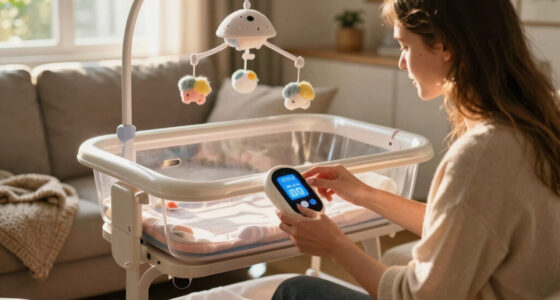
sleep tracker with weekly trend analysis
As an affiliate, we earn on qualifying purchases.
As an affiliate, we earn on qualifying purchases.
How Weekly Averages Make Sleep Patterns Clearer and Less Stressful
Looking at your sleep over 7 days smooths out the bumps. If you slept 5 hours one night but 8 the next, the weekly average shows a more accurate picture of your typical sleep. It’s like averaging grades instead of judging a student on one test. This approach helps you see whether your sleep issues are consistent or occasional anomalies.
Tracking weekly also reveals patterns that might otherwise be hidden—like weekend catch-up or irregular bedtimes. Recognizing these patterns allows you to address underlying habits or lifestyle factors rather than reacting to isolated bad nights. For instance, if you notice your weekday sleep averages only 6.5 hours but weekends jump to 8.5, it indicates a chronic sleep deficit during the week. This insight can motivate you to establish more consistent sleep routines, prioritize regular bedtimes, and reduce the mental noise caused by obsessing over nightly scores. In essence, weekly averages help you understand your true sleep habits, which is crucial for making sustainable improvements and reducing unnecessary stress.
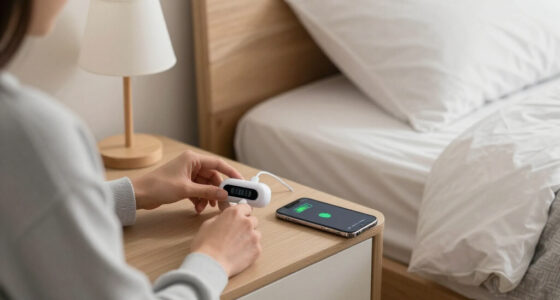
wearable sleep monitor for sleep consistency
As an affiliate, we earn on qualifying purchases.
As an affiliate, we earn on qualifying purchases.
What to Look for Each Week: The Real Sleep Story
Instead of obsessing over nightly scores, focus on the weekly averages. Key metrics include total sleep time, bedtime consistency, and how you felt during the day. These are more meaningful indicators of your sleep health because they reflect patterns over time rather than fluctuations that may be due to temporary factors.
Use a simple checklist:
- Average total sleep hours
- Bedtime and wake time consistency (aim for within 30-60 minutes)
- Daytime energy and mood
- Sleep disruptions or obvious disturbances
For example, noticing a pattern of bedtimes shifting 90 minutes later on weekends signals social jet lag — a real concern that can impact overall health, mood, and alertness. Recognizing these trends allows you to address root causes, such as adjusting your schedule or creating more consistent routines, rather than reacting to sporadic poor nights. The goal is to identify meaningful patterns that influence your well-being, making weekly review a powerful tool for long-term sleep health.
sleep tracking device for reducing sleep anxiety
As an affiliate, we earn on qualifying purchases.
As an affiliate, we earn on qualifying purchases.
The Risks of Fixating on Nightly Scores (Orthosomnia and Anxiety)
Focusing on nightly sleep scores can lead to orthosomnia — an obsession that worsens sleep. When you start to see every small variation as a sign of failure, your anxiety skyrockets. This hyper-focus creates a feedback loop: the more anxious you become about your sleep, the worse it gets, often because stress and worry interfere with sleep quality itself.
Imagine checking your tracker obsessively, feeling anxious if your deep sleep drops below a certain threshold. This constant monitoring can turn sleep into a source of stress rather than rest. Over time, this heightened worry can cause you to develop sleep avoidance behaviors or panic about every minor change, which ultimately worsens sleep problems.
Research highlights that some sleep issues are caused or worsened by tracking anxiety. If your device makes you fret every night, it might be time to step back and review weekly instead. Shifting focus from nightly perfection to long-term trends reduces the risk of developing sleep-related anxiety disorders, helping you foster a healthier relationship with sleep and your device.
As an affiliate, we earn on qualifying purchases.
Practical Steps to Shift from Nightly Judgments to Weekly Patterns
- Record your sleep each morning: total hours, bedtime, wake-up time, how rested you felt.
- Review your data at the end of each week. Calculate your average sleep and note any consistent patterns or disruptions. This helps you see the bigger picture and avoid overreacting to single bad nights.
- Compare weekdays and weekends. Are there big swings? If so, consider adjusting your schedule for more regularity. Recognizing these patterns can motivate behavioral changes that promote better sleep consistency.
- Focus on improving consistency, not perfect scores. Aim for a regular bedtime within 30 minutes, most nights. This tradeoff prioritizes sustainable habits over perfection, which is more beneficial for long-term health.
- Pay attention to how you feel. If you’re energized and alert, your sleep trend is likely healthy, even if your nightly scores say otherwise. This emphasizes that subjective well-being is a critical component of sleep health.
For example, a parent might notice they sleep 6 hours on weekdays but 8 on weekends. Instead of stressing over these fluctuations, they decide to set a consistent bedtime that allows for 7 hours every night, which over time can improve overall sleep quality and daytime functioning.
When to Seek Help: Recognize Real Sleep Problems
Sleep tracking helps identify obvious issues like snoring, gasping, or persistent insomnia. But if you’re feeling unrefreshed despite adequate sleep, or if you snore loudly and gasp at night, it’s time to see a doctor. These symptoms often indicate underlying conditions like sleep apnea or other sleep disorders that require professional diagnosis and treatment.
Tracking can’t diagnose sleep apnea or clinical insomnia, but it can provide clues. For example, if your tracker shows normal sleep duration but you still feel exhausted, or if you notice frequent night awakenings with no apparent reason, it warrants further investigation. Consulting a healthcare professional can help determine if there’s a medical issue affecting your sleep quality, which is crucial because untreated sleep disorders can have serious health implications.
For example, a parent might notice their child’s tracker shows normal sleep, but the child is consistently irritable and tired during the day. This discrepancy suggests the need for a professional assessment rather than relying solely on device data.
Frequently Asked Questions
My tracker says I slept badly, but I feel fine — should I trust my feelings?
Yes. How you feel during the day is a much better indicator of your sleep health than a device reading. If you’re energized and alert, it suggests your sleep quality is sufficient, even if the tracker indicates otherwise. Remember, sleep is complex and subjective — don’t rely solely on numbers. Prioritize how you function daily, and use device data as a supportive tool rather than a definitive judgment.
How accurate are deep sleep and REM estimates from my wearable?
They’re not very reliable night-to-night. Wearables use movement and heart rate data, which can be influenced by many factors unrelated to actual sleep stages. While they can give a general sense of sleep patterns over time, they shouldn’t be taken as precise measurements. Use them to observe trends, but don’t get caught up in exact stage counts, which can be misleading and cause unnecessary worry.
How much variation in sleep duration is normal?
Expect up to 30-60 minutes of difference from night to night. Larger swings can happen due to lifestyle, stress, or schedule changes, and are usually harmless if they don’t persist. Persistent large variations might indicate inconsistent routines or underlying issues worth addressing. Recognizing normal variability helps prevent overreacting to occasional fluctuations, reducing anxiety and supporting healthier sleep habits.
Should I stop tracking if it causes anxiety?
Absolutely. If your device makes you anxious or causes obsessive behavior, taking a break or reducing focus on nightly scores can be beneficial. Remember, sleep health is about overall patterns and how you feel, not perfect scores every night. Shifting to weekly reviews or focusing on subjective well-being can help break the cycle of stress, improve your relationship with sleep, and ultimately lead to better rest.
When is sleep trouble a medical concern rather than just data noise?
If you snore loudly, gasp at night, experience persistent insomnia, or feel unrefreshed despite getting enough sleep, these are signs to seek professional help. Tracking can provide clues, but it’s not a substitute for medical diagnosis. If sleep issues impact your daily functioning or health, consult a healthcare provider to identify underlying conditions like sleep apnea or other disorders that require specific treatment. Early intervention can prevent long-term health consequences.
Conclusion
Remember, sleep is a marathon, not a sprint. Checking your sleep weekly, not nightly, offers a calmer, more accurate view of your health. It’s a simple shift that can free you from unnecessary worry and help you focus on what really matters: feeling rested and alert.
So, next time you reach for your device at sunrise, think of it as a dashboard, not a judge. Your sleep story is written over days, not nights — trust the trend, not the noise.
Cold & flu season Picks
humidifiers
As an affiliate, we earn on qualifying purchases.