TL;DR

Turn the school run and nap time into listening time
- Thousands of audiobooks, podcasts and originals
- Listen on your phone, tablet or Echo — also offline
- Cancel anytime
Most sleep trackers provide free basic sleep duration data, but detailed sleep stages, personalized advice, and coaching often require a subscription. Understanding what’s behind these paywalls helps you decide if the extra investment is worth it.
Most free sleep apps and devices provide basic sleep duration and wake times, but detailed sleep stages and personalized insights are locked behind subscriptio…
Premium features like sleep coaching, tailored advice, and data export can significantly improve your sleep health, especially if you have specific issues.
Subscription costs vary from $5 to $20 a month, with added benefits often justifying the price for serious sleepers.
AI-powered personalized insights are becoming standard in paid tiers, making sleep analysis smarter and more relevant.
Always review privacy policies and data security measures before subscribing to any sleep tech service.
Sleep Tech Subscriptions: Which Features Sit Behind Paywalls
Most trackers reveal how long you slept for free. The actionable layer—detailed stages, personalized advice, coaching, long-term trends and data export—often begins only after you subscribe.
Sleep duration, bedtime, wake time and basic nightly patterns.
Deeper analysis, tailored recommendations, programs and coaching.
A premium dashboard has little value unless it supports a useful decision.
The six features most likely to cost extra
Free tiers answer “When did I sleep?” Premium tiers try to answer “Why did it happen, and what should I do next?” The more interpretation, personalization or human support a feature requires, the more likely it is to sit behind a paywall.
Detailed sleep stages
Expanded REM, deep and light sleep breakdowns, often paired with heart-rate variability or breathing data.
Tailored recommendations
Advice based on your schedule, habits and recurring patterns instead of generic sleep-hygiene tips.
Coaching and programs
Structured improvement plans, interactive lessons, virtual coaching or telehealth support.
Extended history
Weeks or months of searchable trends that help connect sleep changes with routines and events.
Export and integrations
Downloadable records and connections to health platforms, clinicians or third-party analysis tools.
Ad-free experience
Cleaner dashboards, fewer interruptions and, in some cases, faster access to new features.
Tracking is common. Interpretation is premium.
Exact bundles vary by brand and plan. This map shows the pattern consumers most commonly encounter across wearables, bedside devices and mobile apps.
| Feature | Free tier | Paid tier | Practical value | Best for |
|---|---|---|---|---|
| Sleep duration | ✓ Usually | ✓ Included | Basic consistency check | Casual tracking |
| Bed and wake times | ✓ Usually | ✓ Included | Reveals schedule drift | Routine building |
| Detailed sleep stages | ~ Limited | ✓ Common | Adds depth, not diagnosis | Pattern seekers |
| Personalized insights | ✗ Rare | ✓ Common | Turns data into prompts | Behavior change |
| Coaching programs | ✗ Rare | ✓ Available | Adds structure and support | Persistent challenges |
| Extended history | ~ Capped | ✓ Expanded | Shows long-term trends | Experiment tracking |
| Export and integrations | ~ Varies | ✓ More likely | Improves data portability | Power users |
Legend: ✓ commonly available ✗ commonly restricted ~ depends on service or plan
What are you really buying?
The subscription is rarely for sensing alone. It pays for ongoing analysis, storage, personalization and support. Value rises when the output leads to repeatable changes—and falls when it becomes another score to check.
Relative likelihood of sitting behind a paywall
From sensor reading to better sleep
Premium features are worth considering when they complete this chain. If the service stops at attractive charts, the paywall may add detail without adding meaningful value.
Nightly signals
Movement, timing, heart rate and other device-dependent inputs.
Patterns and context
Algorithms compare nights, trends and possible behavioral triggers.
Specific action
A tailored prompt suggests a realistic change to timing or routine.
Measure the result
Long-term history shows whether the experiment actually helped.
According to BabyUI, more than 70% of sleep-tech subscription services include AI-powered insights in paid tiers. The promise is analysis that adapts to individual patterns rather than repeating static advice.
Four questions before you pay
A subscription makes the most sense when you have a defined problem, intend to test recommendations and can explain how the paid feature will change your next decision.
Do you need more than duration?
If basic timing already answers your question, the free tier may be sufficient.
Will you act on the advice?
Personalized recommendations matter only when you can test them consistently.
Can you verify progress?
Look for useful historical trends, clear goals and exportable records.
Is your sleep data protected?
Review privacy terms, retention practices, sharing controls and deletion options.
What Basic Sleep Data Is Usually Free—and What Isn’t?
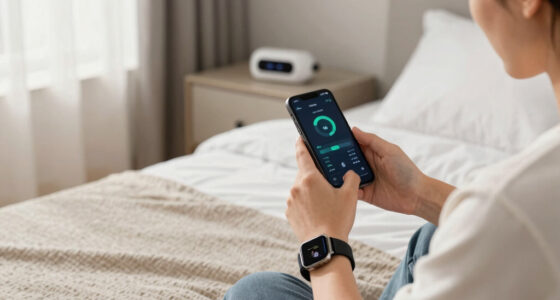
Most sleep devices give you the essentials for free. Think: total sleep time, bedtime, wake-up time, and sleep efficiency. You can see your sleep cycles in broad strokes, like when you were in REM or deep sleep. But if you want detailed breakdowns—say, how long you spent in each stage, or heart rate variability—you’ll likely need a subscription. For instance, a Fitbit tracks sleep duration without charge, but detailed analysis often comes with a Premium plan.
Real-world example: Jane uses a free app to track her sleep hours. She notices she’s sleeping 6 hours on average. But when she upgrades to the paid tier, she sees her sleep cycles broken down—helping her understand that her deep sleep is only 30 minutes, which might explain her morning grogginess.
In short, free features cover the basics, but the good stuff—deep insights, trends, and personalized advice—sit behind paywalls. This creates a tradeoff: you get the convenience of free tracking, but the richer, more actionable data requires an investment. For many users, this means weighing whether the potential improvements in sleep quality justify the monthly cost.
sleep tracker with detailed sleep stage analysis
As an affiliate, we earn on qualifying purchases.
As an affiliate, we earn on qualifying purchases.
Which Premium Features Really Help Improve Your Sleep?
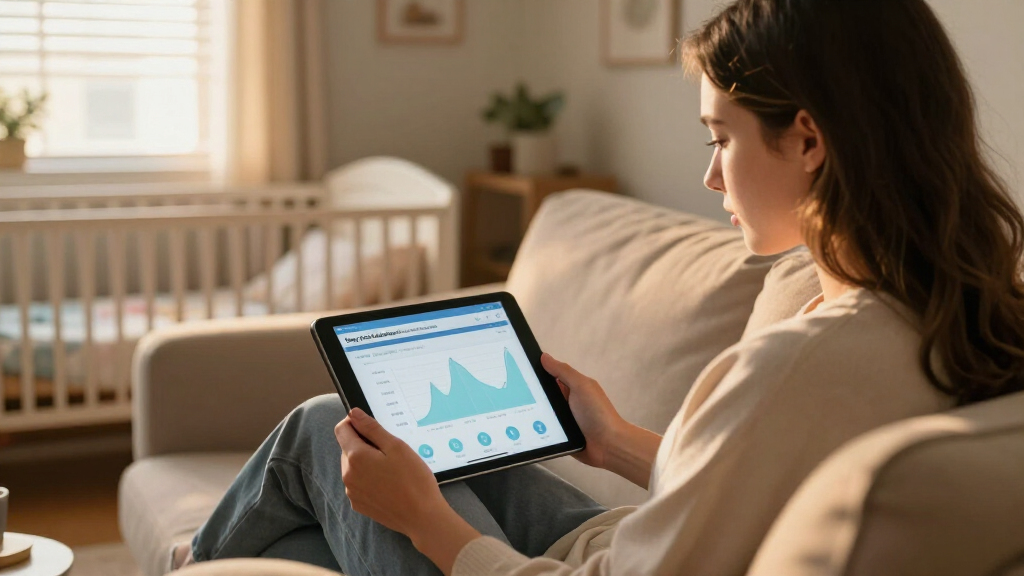
Subscription unlocks a treasure trove of tools that can genuinely boost your sleep quality. These include personalized sleep insights, tailored tips based on your data, and even guided programs. For example, some apps analyze your sleep patterns over weeks and suggest specific changes—like adjusting your bedtime or reducing screen time before sleep. These insights matter because they help you identify root causes of poor sleep—whether it’s stress, caffeine, or irregular schedules—so you can make targeted adjustments.
Many services also offer sleep coaching—virtual sessions with experts or interactive programs—that aim to address issues like insomnia or irregular sleep schedules. These features are especially valuable because they provide personalized, professional guidance that can accelerate progress and address underlying issues that generic advice might miss. Investing in these premium tools can be a game-changer for those with persistent sleep problems, but for casual sleepers, the benefits might not justify the cost.
Here’s a quick rundown of features behind paywalls:
- Detailed sleep stage analysis
- Personalized sleep hygiene tips
- Sleep improvement programs and coaching
- Extended historical data access
- Data export and integration with health apps
- Ad-free experience
These features are designed to offer deeper, more actionable insights—making the difference between simply tracking sleep and actively improving it. The tradeoff lies in whether the personalized guidance and advanced data are worth the extra cost for your specific sleep goals and challenges.
personalized sleep coaching app subscription
As an affiliate, we earn on qualifying purchases.
As an affiliate, we earn on qualifying purchases.
How Do Sleep App & Device Subscription Pricing Compare?
| Service | Monthly Cost | Features Included |
|---|---|---|
| SleepApp Basic | $0 | Sleep duration, wake times, basic trends |
| SleepApp Premium | $9.99 | Detailed sleep stages, personalized tips, coaching |
| Oura Ring | $5/month (if bundled) | Sleep tracking, readiness score, activity insights |
| Withings Sleep | $0 | Sleep duration, heart rate, breathing patterns |
Most services charge around $5 to $20 monthly, with some offering annual plans or lifetime access. The key is to weigh the extra features against the cost—are those personalized insights worth $10 a month to you? Consider whether the added depth of analysis and coaching will translate into meaningful improvements in your sleep quality or if basic tracking is sufficient for your needs.
As an affiliate, we earn on qualifying purchases.
What Are the Latest Trends in Sleep Tech Subscriptions?
Sleep tech services are adding smarter, more personalized features all the time. AI-driven insights now adapt to your habits, providing tailored recommendations that evolve with your sleep patterns. For example, some apps learn your sleep triggers—like caffeine intake—and suggest adjustments. This evolution is significant because it shifts sleep tracking from static data collection to dynamic, personalized health coaching, enabling users to make more effective changes based on their unique patterns.
Hybrid models are becoming common: free basic tracking plus optional paid upgrades. This approach allows users to access core data without commitment but offers deeper insights for those willing to pay. Partnerships with healthcare providers are also expanding, offering more integrated sleep health solutions—sometimes with subscription fees attached. These collaborations can provide a more comprehensive approach to sleep health, combining data with clinical expertise.
Plus, telehealth sleep coaching is booming, often bundled with subscriptions. These trends make it clear that sleep tech is moving toward more personalized, data-driven care—and yes, most of this comes with a paywall. The implication for consumers is that investing in these features can lead to better, more tailored sleep strategies, but it’s essential to assess whether these advanced tools fit your needs and budget.
As an affiliate, we earn on qualifying purchases.
Are Paid Sleep Subscriptions Worth It? The Real Deal
Deciding if a subscription is worth it depends on your goals and sleep challenges. If your primary interest is simply tracking sleep duration, free features may be enough to give you a general idea. However, for those seeking meaningful improvements—such as reducing insomnia, optimizing sleep quality, or understanding underlying issues—paid features offer substantial advantages. Personalized insights and coaching can help identify problematic habits and suggest targeted changes, which might be difficult to achieve with basic data alone.
For example, someone with chronic sleep issues might find a coaching program that’s bundled with a subscription helps them break bad habits faster and develop healthier routines. Conversely, casual sleepers or those with minor concerns might find that free tools, combined with simple lifestyle adjustments, suffice. The key is understanding the tradeoff: investing in premium features can accelerate progress and provide more tailored guidance, but only if those benefits align with your specific sleep goals and willingness to pay.
Research shows that users who upgrade tend to stick with their sleep goals longer and see better improvements. But always consider whether the extra data and guidance are worth the cost—especially if your sleep concerns are mild or occasional. In the end, the value of a subscription hinges on whether it helps you achieve your sleep improvements faster and more effectively than free tools alone.
How Can You Protect Your Privacy With Sleep Subscriptions?
Sleep tech companies collect sensitive health data, so privacy is a big concern. Always read privacy policies before subscribing. Reputable brands encrypt your info and give options to control sharing. Understanding the implications of data collection is crucial because your sleep data can reveal personal habits, health conditions, and routines that you might prefer to keep private. If mishandled, this information could be accessed by unauthorized parties or used for targeted advertising, which many users find intrusive.
For example, some apps allow you to delete your data or opt out of sharing with third parties, but these options are not always obvious. It’s important to verify whether the service uses strong encryption, anonymizes data when possible, and adheres to privacy standards like GDPR or HIPAA. The tradeoff is between benefiting from personalized insights and risking exposure of your private health information. Being cautious and choosing services with transparent, robust privacy policies ensures you can enjoy the advantages of sleep tech without compromising your personal security.
Remember: your sleep data is personal. Just because it’s stored digitally doesn’t mean it should be vulnerable. Prioritize services that respect your privacy and give you control over your information, helping you sleep better with peace of mind.
Frequently Asked Questions
What sleep features are usually free, and which ones cost extra?
Basic sleep duration, bedtime, and wake times are often free. Advanced details like sleep stages, personalized tips, and coaching come with a subscription. Evaluate what matters most for your sleep goals.Are paid sleep subscriptions worth the money?
If you’re looking for in-depth insights, personalized guidance, or sleep coaching, they can be a good investment. For casual tracking, free features often suffice.Can I get accurate sleep data without paying?
Yes, many free tools provide reasonably accurate data on sleep duration and patterns. But for detailed analysis, insights, and advice, a subscription offers more depth.How do subscriptions help improve sleep quality?
They provide tailored recommendations, track progress over time, and sometimes connect you with experts—making it easier to identify issues and build better sleep habits.Should I worry about my privacy with sleep app subscriptions?
Yes. Always check privacy policies, choose reputable services, and use available controls to limit data sharing. Sleep data is sensitive, so protect it wisely.Conclusion
Subscription-based features in sleep tech unlock powerful insights that can genuinely help you sleep better—if you need tailored guidance or struggle with chronic issues. But don’t forget: the basics are usually free, and sometimes, simple changes make the biggest difference. Stay curious, stay cautious, and let your sleep data serve you—gimmicks aside.Cold & flu season Picks
humidifiers
As an affiliate, we earn on qualifying purchases.