TL;DR

Turn the school run and nap time into listening time
- Thousands of audiobooks, podcasts and originals
- Listen on your phone, tablet or Echo — also offline
- Cancel anytime
Sleep trackers measure some things well—like total sleep time and consistency—but many sleep stage numbers are rough estimates. Focus on trends, not single-night scores, and use data to inform conversations with your doctor rather than obsess over perfect numbers.
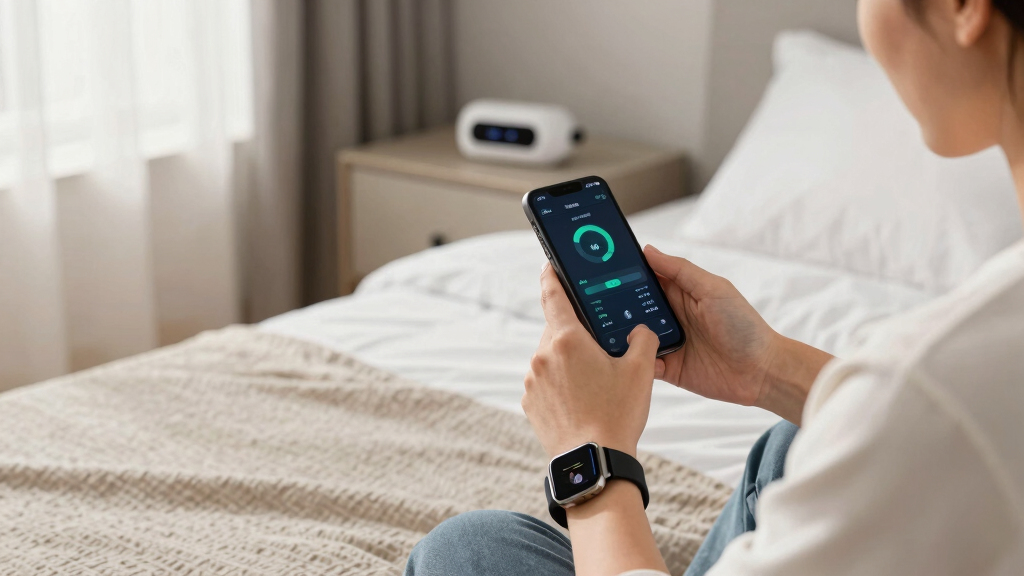
Ever check your sleep tracker first thing in the morning, only to feel more confused than rested? You’re not alone. These devices flood you with numbers—deep sleep percentages, sleep scores, HRV—that can turn sleep into a source of anxiety, not clarity. But here’s the truth: most of those figures are rough estimates, not perfect measures.
In this guide, you’ll learn which numbers truly matter for your health and sleep quality—and which ones are just noise. Whether you’re a parent trying to squeeze sleep into a busy schedule or someone curious about your sleep patterns, understanding what to watch helps you sleep smarter, not harder.
Total sleep duration and consistency are the most reliable metrics to watch for overall health.
Sleep stage data (deep and REM sleep) from wearables is often inaccurate and should be viewed as rough estimates.
Pay attention to trends in heart rate and HRV—they can warn you of stress or illness before symptoms appear.
Use sleep data to inform discussions with your doctor, especially if you notice signs of sleep apnea or severe sleep disruption.
Avoid obsessing over single-night scores; focus on patterns and how you feel during the day.
Sleep Tracker Data: Which Numbers Are Actually Worth Watching
Your wearable floods you with deep-sleep percentages, readiness scores and HRV graphs — but most of those figures are rough estimates, not measurements. Trackers read movement and heart rate, not brain waves. Here is how to separate the signal from the noise, sleep smarter, and stop letting a score ruin your morning.
7–9h
Nightly sleep advised for adults (AASM consensus)
0
Brain waves measured by your wrist wearable
2017
Year “orthosomnia” was named in J. Clin. Sleep Medicine
2024
FDA cleared apnea alerts on Apple & Samsung watches
01 — The Signal
The 6 Sleep Numbers That Really Matter
Trackers rely on actigraphy (movement) plus optical heart-rate sensors — they cannot see your brain waves. That is why duration and rhythm are solid, while stage data is a rough sketch. These six metrics earn your attention, ranked by how much weight you can put on them.
Total Sleep Time
Hours slept per night
The single most trustworthy metric — usually accurate within a few minutes. Consistently hitting 7–9 hours supports immune function, cognition and mood. If this number is low, nothing else on the dashboard matters more.
Timing & Consistency
Bedtime, wake time, sleep midpoint
A regular schedule keeps your circadian rhythm synchronized. Research using the Sleep Regularity Index links irregular timing to cardiometabolic risk — independent of how long you sleep.
Resting HR & HRV
Nighttime heart rate & variability
Read these as trends against your own baseline, never absolute values. A rising resting HR or falling HRV over several days can flag illness, alcohol, overtraining or stress before symptoms appear.
Latency & WASO
Time to fall asleep; wake after sleep onset
Persistently long latency or frequent awakenings point to stress, late caffeine or a disruptive environment. Devices do overestimate light sleep and miss quiet wakefulness — read the direction, not the decimals.
Blood Oxygen (SpO2)
Overnight oxygen saturation
Repeated dips — especially below 90% — can signal sleep apnea and warrant a clinical sleep study, not self-diagnosis. The FDA cleared watch-based apnea notifications in 2024, making this genuinely actionable.
Skin Temperature
Deviation from personal baseline
A gradual rise can signal brewing illness; sudden shifts reflect stress, alcohol or bedroom climate. Only the deviation pattern matters — the absolute number on any single night tells you little.
02 — Signal vs. Noise
How Much Can You Trust Each Number?
Validation studies comparing consumer wearables against polysomnography — the brain-wave gold standard — show a steep drop-off: devices are strong at detecting that you slept, and weak at classifying how.
Indicative ranges from validation literature; varies by device, firmware & study population
03 — The Verdict Table
Every Metric, Judged
One glance: what each number measures, what it is good for, and how seriously to take it. The highlighted rows are the two metrics worth building habits around.
| Metric | What It Measures | Best Use | Verdict |
|---|---|---|---|
| Total Sleep TimeFoundation | Hours of sleep per night | Anchor habit: consistently land in the 7–9h range to protect immunity, cognition and mood. | Watch closely |
| Timing & ConsistencyFoundation | Bedtime, wake time, sleep midpoint | Keep a stable schedule; chronic irregularity raises metabolic and mood-disorder risk on its own. | Watch closely |
| Resting HR & HRVEarly warning | Autonomic nervous system balance | Multi-day shifts vs. your baseline flag stress, illness or overtraining before you feel them. | Trends only |
| Latency & WASOFragmentation | Time to fall asleep; time awake overnight | Persistent elevation points to fixable causes: late caffeine, stress, noise, light. | Trends only |
| SpO2 & BreathingScreening | Overnight oxygen saturation & disturbances | Repeated dips below 90% or irregular breathing → bring to your doctor, request a sleep study. | Watch patterns |
| Skin TemperatureDeviation | Shifts from personal baseline | Gradual rise can precede illness; also reflects alcohol and room climate. | Trends only |
| Deep / REM %Stage data | Estimated sleep-stage minutes | Entertainment value. Night-to-night variation is normal; single-night lows mean nothing. | Grain of salt |
| Sleep / Readiness ScoreComposite | Proprietary algorithm output | Motivational shorthand at best. Opaque, not clinically validated — never chase the number. | Grain of salt |
| Sleep Debt CounterDerived | Device-computed accumulated deficit | Chronic partial deprivation is real, but the counter is a simplification. Fix duration first. | Grain of salt |
04 — The Noise
Numbers That Can Trick You
These figures feel precise — two decimal places of authority — but they carry the widest error bars in consumer sleep tracking. Take all three with a generous grain of salt.
Deep & REM Percentages
The weakest layer of consumer tracking, at roughly 50–80% accuracy. Your device might log 10 minutes of REM on a night you wake up sharp and restored. Stage chasing leads to unhelpful “fixes” for problems that don’t exist.
Sleep & Readiness Scores
Composite scores compress shaky stage data into one confident-looking number. The formulas are proprietary and not clinically validated — fine as motivation, dangerous as a diagnosis of your own night.
Sleep Debt Counters
Chronic partial sleep deprivation is a genuine health risk — but a device-computed “debt” ledger is a simplification of messy physiology. Prioritize consistent duration over paying down an imaginary balance.
Beware Orthosomnia — When Tracking Becomes the Problem
Researchers coined the term for sleep problems caused or worsened by obsessively chasing perfect tracker scores. Checking your score first thing and letting it dictate how you feel manufactures anxiety from noise. The fix: judge your sleep by daytime energy and multi-week patterns — never by a single night’s grade.
First described 2017 · Journal of Clinical Sleep Medicine
05 — From Data to Action
The Smart Way to Use Your Tracker
Sleep data is most powerful as a conversation starter with your doctor — not a scoreboard. Follow this chain and let the numbers serve you, not the other way around.
Track Passively
Wear the device, but don’t check scores daily. Let weeks of data accumulate.
Spot Trends
Look for multi-week shifts in duration, timing, RHR, HRV and SpO2 — never single nights.
Cross-Check Feelings
Do the numbers match your daytime energy? Your felt experience wins every tie.
Log Red Flags
Note repeated SpO2 dips, loud snoring, severe fragmentation or persistent exhaustion.
See a Professional
Bring the trends to your doctor. Suspected apnea needs a clinical sleep study — not self-diagnosis.
06 — Bottom Line
Five Takeaways to Sleep On
Total sleep time and consistency are king. They are the most reliable metrics and the ones most tied to long-term health outcomes.
Stage data is a rough sketch. Deep and REM percentages from wearables run only ~50–80% accuracy — interesting, never definitive.
Trends beat scores. Shifts in resting heart rate and HRV can warn of stress or illness days before symptoms show up.
Data is a door-opener, not a diagnosis. Repeated SpO2 dips or severe disruption warrant a conversation with your doctor and possibly a sleep study.
Never obsess over one night. Judge your sleep by multi-week patterns and how you feel during the day — that is the metric no sensor can beat.
Sleep smarter, not harder. The goal of tracking is better days, not perfect nights. If the app raises your anxiety, it has stopped doing its job.
Why Most Sleep Data Is Just a Guess (And Why That Matters)
Consumer sleep trackers mainly rely on movement and heart rate data to estimate sleep. They don’t measure brain waves—so they can’t tell you exactly when you’re in REM or deep sleep. This fundamental limitation means that while total sleep time is usually pretty accurate—within a few minutes—stage data is more like a rough sketch, subject to significant error.
Understanding this gap is crucial because it affects how you interpret your sleep quality. For example, if your tracker reports only 10% deep sleep but you wake up feeling refreshed and alert, that discrepancy indicates the data isn’t telling the full story. These devices tend to overestimate light sleep and underestimate wakefulness, especially if you’re lying still in bed doing other activities like reading or using your phone. Recognizing this helps you avoid unnecessary worry or misinterpretation.
Knowing the limitations of sleep stage estimates allows you to focus on what truly impacts your health: your total sleep duration and regularity. If you fixate on the number of deep or REM sleep, you might overlook the more meaningful indicator—whether you’re getting enough sleep overall and maintaining consistent sleep habits. This awareness can help prevent anxiety driven by inaccurate data and encourages a more holistic view of sleep health.
best sleep tracker for total sleep duration
As an affiliate, we earn on qualifying purchases.
As an affiliate, we earn on qualifying purchases.
The 6 Sleep Numbers That Really Matter (And How to Use Them)
| Number | What It Measures | Why It Matters |
|---|---|---|
| Total Sleep Time | Hours slept per night | This is the most reliable indicator of whether you’re giving your body enough rest. Consistently sleeping 7–9 hours supports immune function, cognitive performance, and emotional stability. If this number is low, it signals you need to prioritize sleep, which can reduce risks of chronic illnesses, mood issues, and decreased productivity. Recognizing its importance helps you avoid being misled by fluctuating stage data, which are less accurate and less impactful for overall health. |
| Sleep Timing & Consistency | Bedtime, wake time, sleep midpoint | Maintaining a regular sleep schedule keeps your circadian rhythm synchronized. Disruptions—like irregular bedtimes—can impair hormone regulation, digestion, and alertness. Consistency fosters better sleep quality and daytime functioning. It’s a tradeoff: while some variability is natural, chronic irregularity can increase risks for metabolic and mood disorders. Focusing on this metric helps you develop habits that support your body’s internal clock, which is often more impactful than chasing detailed stage data that may be inaccurate. |
| Resting Heart Rate & HRV | Nighttime heart rate and heart rate variability | These metrics offer insights into your autonomic nervous system’s balance and resilience. Trends—like an increasing resting HR or decreasing HRV—can signal accumulating stress, illness, or overtraining before symptoms appear. Monitoring these helps you catch early warning signs, enabling lifestyle adjustments. For example, a rising resting HR over several days may indicate fatigue or illness, prompting you to prioritize rest. Recognizing the significance of these physiological signals empowers you to interpret subtle shifts as meaningful rather than dismissing them as noise. |
| Sleep Latency & WASO | Time to fall asleep & wake after sleep onset | Long sleep latency and frequent awakenings often reflect underlying issues like stress, anxiety, or environmental disturbances. These early signs of disrupted sleep can lead to poorer overall rest and daytime fatigue if unaddressed. Understanding these metrics helps you identify causes—such as caffeine late in the day or noisy sleep environments—and implement targeted improvements. Addressing these disruptions can significantly enhance sleep quality, even if total sleep duration appears adequate, because fragmented sleep reduces restorative benefits. |
| Blood Oxygen Levels (SpO2) | Blood oxygen saturation | Repeated dips below normal levels—especially below 90%—may indicate sleep apnea, a condition that causes pauses in breathing during sleep. Recognizing patterns in SpO2 can alert you to potential health risks like cardiovascular strain or daytime fatigue. Early detection allows timely medical intervention, which can dramatically improve health outcomes. Interpreting trends over isolated spikes is key: consistent low readings are more concerning than occasional fluctuations, which might be caused by positional issues or minor disturbances. |
| Skin Temperature | Temperature deviations during sleep | Changes in skin temperature can reveal underlying physiological states, such as fever or stress, or environmental factors affecting sleep quality. For instance, a gradual increase might signal illness, while sudden drops could indicate poor thermoregulation. Recognizing these patterns helps you understand whether external factors—like room temperature—or internal health issues are impacting your sleep. This awareness enables targeted adjustments, such as improving bedroom climate or seeking medical advice when unusual patterns persist, ultimately supporting better sleep health. |
These numbers, especially total sleep time and consistency, are your most reliable guides. Others, like sleep stages, are more like rough sketches—interesting but not definitive. Paying attention to these core metrics and understanding their implications allows you to make informed decisions to improve your sleep health effectively.
wearable sleep monitor with HRV tracking
As an affiliate, we earn on qualifying purchases.
As an affiliate, we earn on qualifying purchases.
Numbers That Can Trick You (And Why To Take Them With a Grain of Salt)
Deep sleep and REM percentages are among the least reliable data points from consumer devices. Night-to-night variability in these figures is normal, and a low score one night doesn’t necessarily indicate poor sleep quality or a health issue. Proprietary scores like Sleep Score or Readiness are often based on complex algorithms that lack transparency; they can overstate their accuracy and lead to false reassurance or unnecessary worry. Relying on these scores might cause you to make unhelpful adjustments—like trying to artificially boost certain sleep stages—when the real issue could be sleep consistency or overall duration.
For example, your device might report only 10 minutes of REM sleep, yet you wake up feeling energized and alert. Such discrepancies highlight the limitations of these metrics. They are better used as trend indicators or motivational tools rather than absolute measures of sleep quality. Overemphasizing them can distort your understanding of sleep health, possibly leading to unnecessary interventions or anxiety. Recognizing this helps you maintain perspective and focus on more meaningful aspects of your sleep, like how rested you feel and whether your sleep pattern is stable over time.
Additionally, the concept of “sleep debt” counters provided by trackers is a simplified estimate. If you’re consistently not getting enough sleep, your body will typically signal this through daytime drowsiness, irritability, or reduced performance—natural feedback mechanisms—rather than relying solely on tracker calculations. Understanding the limitations of proprietary scores encourages a balanced view, helping you interpret your sleep data with nuance rather than as definitive truth.
sleep tracking device for sleep patterns
As an affiliate, we earn on qualifying purchases.
As an affiliate, we earn on qualifying purchases.
How to Use Sleep Data Without Losing Your Mind
- Track over weeks, not nights. Look for consistent patterns rather than reacting to single-night anomalies, which can be influenced by various external factors like stress, alcohol, or noise. Recognizing these patterns helps you identify real issues versus temporary disturbances.
- Focus on how you feel and function during the day. If you wake up feeling refreshed, alert, and able to concentrate, your sleep is likely adequate regardless of what the data says. Conversely, persistent fatigue or mood issues are signs to investigate further, even if your tracker shows “good” sleep.
- Pay attention to trends in your heart rate and HRV. Gradual increases in resting HR or decreases in HRV over days or weeks can be early warning signs of stress, illness, or overtraining. Recognizing these subtle shifts allows you to make proactive adjustments—like reducing stress, improving sleep environment, or seeking medical advice—before more serious symptoms develop.
- Use your data as a conversation starter with your healthcare provider—especially if you notice signs of sleep apnea, loud snoring, choking, or excessive daytime sleepiness. These symptoms are often more meaningful than raw numbers and can guide targeted diagnostics and treatments.
- Occasionally take breaks from tracking if obsessing over the numbers causes anxiety or stress. Remember, sleep is complex and influenced by many factors beyond what devices can measure. Prioritize your well-being over perfect data, and trust your personal experience as a valuable guide.
For example, if your sleep score drops after a night of drinking but you wake up feeling fine, it’s a sign to trust your feelings more than the numbers. Data can clarify your understanding but should not override your personal perception or intuition about how you slept.
sleep tracker for sleep stage accuracy
As an affiliate, we earn on qualifying purchases.
As an affiliate, we earn on qualifying purchases.
When Your Sleep Data Signals You Need a Doctor (And Not Just More Data)
If you notice persistent signs like loud snoring, choking episodes, or excessive daytime sleepiness, don’t dismiss these signals. Devices that detect irregular breathing, frequent pauses, or sustained low oxygen levels are particularly important, as they can indicate sleep apnea—a condition that can significantly impact your cardiovascular health and overall well-being. Recognizing these signs early and seeking medical evaluation can prevent long-term complications.
Similarly, if your sleep patterns are wildly inconsistent or you wake feeling unrefreshed despite adequate hours, these may be signs of underlying sleep disorders or health issues. While data can provide clues, only a trained sleep specialist can interpret complex signals and perform diagnostic tests like sleep studies. Trust your instincts and body’s signals—persistent problems warrant professional assessment rather than reliance on device feedback alone.
Remember, no wearable device can replace a comprehensive sleep study. Use your tracker as an initial alert system, but follow up with a healthcare provider to obtain a thorough diagnosis and appropriate treatment plan. Acting on ongoing concerns ensures you address root causes rather than just chasing numbers or temporary fixes.
Frequently Asked Questions
How accurate is my sleep tracker, really?
Most sleep trackers are quite good at estimating how long you sleep—within a few minutes—because they rely on movement and heart rate. However, their accuracy drops significantly when trying to distinguish sleep stages like REM and deep sleep. Use total sleep time and consistency as your main guides, not detailed stage data.
Is my deep sleep / REM number too low? Should I worry?
Probably not. Deep sleep and REM vary from night to night and are hard for consumer devices to measure accurately. A low number one night doesn’t mean your sleep is poor. Focus on how rested you feel and if your sleep patterns are generally stable over time.
Which is better/more accurate: Oura, Apple Watch, Fitbit, Whoop, or Garmin?
All these devices have strengths and weaknesses. Generally, Oura and Whoop are praised for their sleep tracking accuracy, especially for HRV and readiness metrics. Apple Watch and Fitbit are convenient but less precise for sleep stages. The key is consistency over time rather than perfect accuracy of any single device.
Why does my tracker say I was awake when I know I was asleep?
This is common because trackers infer wakefulness mostly from movement. If you lie still reading or thinking, the device might think you’re asleep. It’s a limitation of motion-based detection—not a sign your tracker is broken.
What is a ‘good’ sleep score?
Scores vary by device, but generally, 80+ is a good benchmark. However, don’t get fixated on any number—trends over weeks and how you feel during the day are better indicators of your sleep health.
Conclusion
Your sleep tracker is a helpful tool, but it’s not the boss of your sleep. Focus on the numbers that truly matter—duration, consistency, and trends in your body’s signals—and ignore the noise of stage estimates and proprietary scores. Trust how you feel, and use data as a gentle guide, not a dictator.
So next time you check your app in the morning, remember: your sleep is more than a score. It’s a story your body tells over time. Read that story—trust your instincts, not just the numbers—and you’ll sleep better, night after night.
Cold & flu season Picks
humidifiers
As an affiliate, we earn on qualifying purchases.