
TL;DR

Turn the school run and nap time into listening time
- Thousands of audiobooks, podcasts and originals
- Listen on your phone, tablet or Echo — also offline
- Cancel anytime
Smart bassinets often help babies fall asleep faster and stay asleep longer during naps, thanks to soothing motions and sounds. However, their success varies with individual babies and safety remains key.
Smart bassinets can help babies fall asleep faster and stay asleep longer during naps, thanks to soothing motions and sounds.
Always verify safety certifications and follow manufacturer instructions—supervision remains essential.
Use smart bassinets as part of a broader sleep routine, not as a permanent replacement for a crib or bassinet.
Recent tech advances, like AI learning and sleep analytics, make smart bassinets more adaptable and effective.
Every baby responds differently—observe your child’s reactions and adjust settings accordingly.
Do Smart Bassinets Work for Naps?
Often, yes—but they work best as responsive soothing tools, not automatic sleep solutions. Motion and sound may ease the transition into daytime sleep, while safety, routine and your baby’s individual response remain decisive.
Reported improvement in nap duration when gentle rocking and white noise are effective.
A useful layer within a broader, consistent daytime nap routine.
Some infants settle with motion; others prefer stillness, contact or quieter cues.
Potential improvement associated with motion and white noise.
Example gain on a short 20–30 minute baseline nap.
Predictable motion plus steady sound are the usual foundation.
Certification, correct setup and attentive use come first.
A calmer bridge from alert to asleep
Daytime distractions can make settling difficult. A smart bassinet creates repeatable sensory cues that may reduce fussing and make the nap transition feel more familiar.
Gentle rhythmic movement
Swaying, rocking or vibration can echo the familiar sensation of being held, helping some babies downshift from active alertness.
Predictable audio cues
White noise, shushing, lullabies or nature sounds can soften household distractions and create a recognizable signal for rest.
Adaptive soothing
Connected models may detect fussing, adjust settings or log sleep patterns, allowing parents to refine what works over time.
Dim light, feed or brief wind-down
Low motion and steady sound
Less stimulation and fussing
Observe, record and adjust
Promising support, not a guaranteed result
The strongest practical signal is modest improvement rather than a dramatic transformation. Baseline nap length, age, temperament and sensitivity to sound or motion all influence the result.
Possible nap-duration effect
Illustrative index based on the supplied 15–20% research range. It represents a potential relative improvement, not a promise for an individual baby.
Smart features never outrank safe sleep
Use only the sleep surface, mattress and restraints—if specifically required—exactly as directed by the manufacturer. Stop using any setup that conflicts with current safe-sleep guidance.
Verify standards
Look for applicable ASTM compliance, JPMA certification and a model-specific safety record.
Inspect the sleep surface
Choose a firm, flat mattress with a fitted sheet and breathable sides; keep loose items out.
Control cords and power
Keep cables, controls and small components completely outside the baby’s reach.
Respect use limits
Follow weight, age and developmental limits, especially when rolling or pushing up begins.
Where smart bassinets add value
The right option depends less on the longest feature list and more on safe construction, useful customization and how readily the device fits your existing routine.
| Daytime consideration | Smart bassinet | Standard bassinet | Caregiver soothing |
|---|---|---|---|
| Repeatable motion | ✓Automated and adjustable | ✗Usually unavailable | ✓Highly responsive |
| Built-in sound | ✓Integrated presets | ~Separate device needed | ~Manual or improvised |
| Remote control | ✓App-dependent | ✗Not applicable | ✗Hands-on |
| Personal connection | ~Complements contact | ~Neutral | ✓Direct reassurance |
| Sleep analytics | ✓Model-dependent | ✗Typically absent | ~Parent observation |
| Cost and complexity | ✗Higher | ✓Lower | ✓No connected setup |
Newer models are becoming more adaptive
The trend is moving from fixed rocking machines toward connected sleep systems that personalize soothing, summarize patterns and travel more easily between rooms.
AI-led responses
Some systems learn preferred sound or movement patterns and adjust their soothing sequence over time.
Sleep analytics
Apps increasingly summarize sleep timing and duration, helping parents identify useful nap patterns.
Lower-impact design
Non-toxic finishes, washable fabrics and more sustainable material choices are gaining attention.
Portable formats
Lighter, wireless designs can support a consistent nap setup across approved rooms and locations.
Choose for your baby—not for the feature list
Start with safety and observe what already calms your baby. Technology is most useful when it reinforces those preferences without replacing a simple, repeatable sleep routine.
Certification, recall status, construction and use limits are easy to verify.
Motion, sound, volume and timers can be reduced or disabled independently.
Your baby also receives ordinary cues such as dim light, calm contact and consistent timing.
Start gently, observe the response and stop any setting that appears stimulating or uncomfortable.
line
Yes, smart bassinets can help with naps.
The most realistic win is easier settling and modestly longer daytime sleep for a responsive baby. Keep the device safely configured, pair it with human-led routines and reassess as your baby develops.
What Makes a Smart Bassinet a Sleep Helper During the Day?
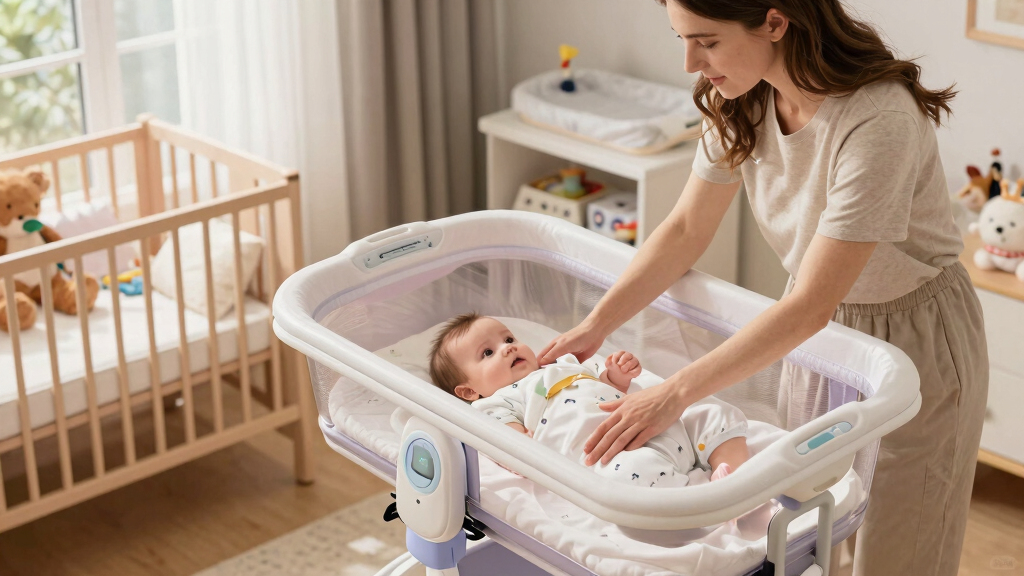
Smart bassinets combine gentle motion, soothing sounds, and sometimes even light therapy to create a calming environment. Think of it as a portable, tech-savvy lullaby machine that moves with your baby’s needs. For example, a bassinet might sway side-to-side gently while playing white noise, mimicking the comforting rhythm of a caregiver’s arms.
Many models include app controls, so you can adjust settings from across the room or even monitor your baby’s sleep patterns. They’re designed to help babies fall asleep faster and stay in a peaceful sleep state longer—especially useful during daytime naps when babies are more alert and easily distracted.
Understanding these features helps you appreciate their potential impact. For instance, gentle motion can replicate the familiar sensations a baby experiences in a caregiver’s arms, which can be comforting enough to ease transitions from wakefulness to sleep. Yet, it’s important to recognize that over-reliance on technology might reduce your opportunity to develop natural sleep cues and routines. Striking a balance between high-tech soothing and traditional caregiving ensures you’re not substituting connection with automation, but complementing it.
As an affiliate, we earn on qualifying purchases.
How Do Smart Bassinets Actually Help Babies Nap Better?
Smart bassinets can significantly improve nap quality by providing consistent, soothing stimuli, which are crucial for establishing effective sleep habits. When a baby fusses or resists sleep, it’s often because they’re seeking comfort or are overwhelmed by their environment. Gentle rocking and calming sounds can help soothe these signals, calming the nervous system and making it easier for a baby to transition into sleep. For example, a parent might notice that their 4-month-old now naps longer—sometimes an hour instead of 30 minutes—thanks to rhythmic motion that mimics the gentle sway of being held.
Research indicates that babies are particularly receptive to predictable, repetitive stimuli. The consistency of motion and sound creates a sense of safety—reducing the likelihood of waking prematurely or becoming overstimulated. This not only extends nap duration but also helps establish a routine that signals to the baby that it’s time to rest, which can be especially beneficial during the daytime when babies are naturally more alert and curious. However, it’s important to recognize that individual differences exist: some babies may respond better to other soothing methods, and overuse of technology can interfere with natural sleep cues if not balanced with other routines.
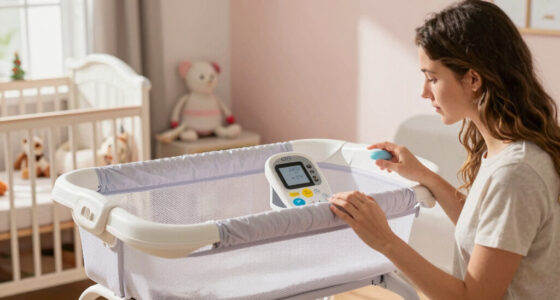
baby sleep aid with white noise and motion
As an affiliate, we earn on qualifying purchases.
As an affiliate, we earn on qualifying purchases.
Safety First: What to Check Before Using a Smart Bassinet for Naps
Safety isn’t just a checkbox—it’s a must. Always verify that the smart bassinet meets safety standards like ASTM or JPMA certifications, which ensure the device has undergone rigorous testing for stability, materials, and design. For example, a sturdy frame prevents tipping, while breathable fabrics reduce suffocation risks. Recognizing these details helps prevent accidents and ensures the device contributes positively to your baby’s sleep environment.
Remember, a smart bassinet is a tool, not a replacement for supervision. Never leave your baby unattended for extended periods, especially during naps. Cords and controls should be kept out of reach to avoid strangulation or choking hazards. Many models now incorporate safety features such as mesh sides for breathability and firm mattresses aligned with safe sleep guidelines. These features are critical because they directly affect the risk factors associated with SIDS and accidental injury. Prioritizing safety ensures that technology enhances, rather than compromises, your baby’s well-being.
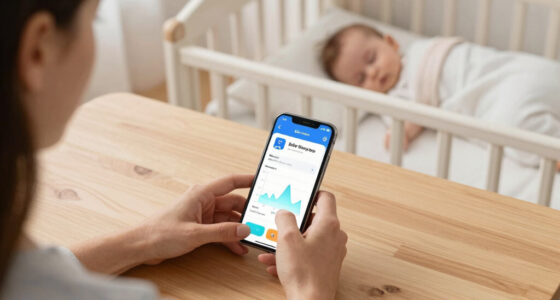
automatic baby bassinet with sleep analytics
As an affiliate, we earn on qualifying purchases.
As an affiliate, we earn on qualifying purchases.
Latest Trends Making Smart Bassinets Better for Daytime Naps
Modern smart bassinets are evolving fast, integrating cutting-edge technology to better serve daytime napping needs. Some now include AI that learns your baby’s preferences—like a gentle sway pattern or preferred sounds—and adapts over time. For instance, a bassinet might start with soft shushing sounds, then gradually shift to gentle rocking as your baby relaxes. This personalization can significantly improve the likelihood of successful naps by tailoring soothing stimuli to your child’s unique responses.
Other innovations focus on health monitoring—tracking breathing, heart rate, and sleep stages—and syncing this data to your phone. This allows parents to see patterns and intervene if necessary, giving a clearer picture of their baby’s sleep health. Additionally, eco-friendly materials and wireless, portable designs are gaining popularity, making it easier to use these bassinets in different rooms or even outside, which can support more flexible routines and environments. These tech advances are designed to make daytime naps more consistent, comfortable, and adaptable to your baby’s evolving needs.
As an affiliate, we earn on qualifying purchases.
How Effective Are Smart Bassinets, Really? The Facts You Need
Research indicates that gentle motion and white noise can boost nap duration by 15-20%. This means that, on average, a baby might sleep 3 to 6 minutes longer per nap, which adds up over time and can improve overall sleep quality. However, response varies widely among babies because each one’s preferences and sensitivities differ. Some infants are highly receptive to rhythmic stimuli, while others may prefer silence or a different kind of soothing, like a pacifier or skin contact. For example, one parent observed that her 6-month-old only calmed with a combination of vibration and nature sounds, highlighting the importance of personalized approaches.
While many parents report improved nap quality with smart bassinets, it’s essential to view these devices as aids—not magic solutions. They can support better sleep when combined with consistent routines, a safe sleep environment, and attentive caregiving. Over-reliance might reduce your ability to recognize your baby’s natural cues or develop independent sleep skills. Understanding the evidence helps you make informed decisions and set realistic expectations about what these devices can accomplish.
Choosing the Right Smart Bassinet for Your Baby’s Day Naps
Picking the best smart bassinet depends on safety, features, and your baby’s preferences. Start by checking safety certifications and reviews that attest to durability and quality. Then consider what soothing methods your baby responds to—motion, sounds, or light—and whether the device offers customizable options. Recognizing your baby’s unique responses helps you select a device that truly supports their comfort and sleep quality.
For example, if your little one loves gentle rocking but is sensitive to noise, look for models with adjustable motion intensity and volume controls. Compatibility with your smartphone or app can also streamline adjustments during busy days, making it easier to respond quickly to your child’s needs. Understanding these factors allows you to weigh tradeoffs—such as portability versus size, or advanced features versus simplicity—so you can choose a device that aligns with your routines and priorities.
Here’s a quick checklist:
- Safety certifications (ASTM, JPMA)
- Adjustable soothing features
- Breathable, non-toxic materials
- Easy-to-use controls and app connectivity
- Portability and size matching your space
Taking time to evaluate these elements ensures you select a device that not only promotes better naps but also integrates seamlessly into your family’s daily life.
Limitations and Risks You Should Know About
While smart bassinets can be a big help, they aren’t foolproof. Relying too heavily on automation might make some parents less attentive to their baby’s cues, potentially missing signs of discomfort or distress. It’s essential to remember that technology cannot replace parental intuition and hands-on care. Additionally, check that the device’s battery and wiring are safe—poor design or cheap materials can pose risks like overheating or strangulation hazards. For example, frayed cords or unsecured batteries could cause harm if not properly managed.
Furthermore, not all babies respond positively to electronic soothing. Some may prefer a quiet, dark room without motion, or may become overstimulated by certain sounds or vibrations. Observing your child’s reactions is crucial to avoid overstimulation or dependency on the device for sleep. Always follow manufacturer safety instructions and avoid using these devices for overnight sleep or extended periods without supervision. Recognizing these limitations helps you use smart bassinets responsibly and effectively, ensuring safety and promoting healthy sleep habits.
Smart Bassinets vs. Traditional Napping Spots: What’s Better?
Smart bassinets are designed to enhance and automate comfort, but they aren’t a replacement for traditional cribs or bassinets. Think of it as a fancy, tech-rich hammock—you still need to supervise and ensure the environment is safe. While they can help settle a fussy baby quickly during the day, they should be used as part of a broader sleep routine that includes safe sleep practices and supervised naps.
For example, during the day, a smart bassinet can help a fussy baby settle faster, but you’ll still want a safe, flat surface for longer naps or overnight sleep. Using the smart device for short, supervised naps or as part of a routine ensures safety and consistency. Over time, reliance on technology for all sleep needs might interfere with natural sleep cues and independence, so balancing high-tech solutions with traditional safe sleep environments is key.
Here’s a quick comparison:
| Feature | Smart Bassinet | Traditional Crib |
|---|---|---|
| Automation | Yes, with motion and sound | No |
| Monitoring | Often includes sleep tracking | No |
| Safety | Depends on model, requires supervision | High, with proper setup |
Understanding where smart bassinets fit helps you make informed decisions about their appropriate use, ensuring they supplement rather than replace essential safe sleep practices.
Frequently Asked Questions
Do smart bassinets actually help babies nap better during the day?
Yes, many parents find that the soothing motions and sounds help babies fall asleep faster and stay asleep longer. Response varies by baby, so it’s worth trying different features to see what works best.Are smart bassinets safe for daytime naps?
When used according to safety guidelines—such as meeting safety standards and supervising your baby—they are generally safe. Always keep cords out of reach and avoid leaving your baby unattended for extended periods.Can smart bassinets replace traditional cribs or bassinets?
They’re best suited for short naps and soothing. They shouldn’t replace a safe, flat sleep environment for overnight sleep or long naps. Think of them as a helpful addition, not a total substitute.How do I choose the best smart bassinet for my baby?
Look for safety certifications, features your baby responds to, ease of use, and compatibility with your devices. Consider your space and your budget too.Are there risks associated with smart bassinets?
Risks include over-dependence on automation, battery safety, and potential strangulation hazards if cords aren’t managed properly. Always follow safety instructions and use devices as intended.Conclusion
Smart bassinets are a helpful tool for improving daytime naps, but they aren’t magic. Think of them as a comforting, high-tech hug that can help your baby settle faster. Just remember—your attentive supervision and safe sleep environment are still the foundation of healthy naps. When used thoughtfully, these gadgets can make a busy parent’s day a little easier—and maybe even a little more restful.Cold & flu season Picks
humidifiers
As an affiliate, we earn on qualifying purchases.