TL;DR

Turn the school run and nap time into listening time
- Thousands of audiobooks, podcasts and originals
- Listen on your phone, tablet or Echo — also offline
- Cancel anytime
Older sleep tech like white noise machines and monitors still provide value for second children. Combining familiar tools with newer safety and tracking tech can improve sleep for the whole family.
Sleep struggles don’t get easier with a second kid. You already know the drill—late nights, quick routines, and the constant fight to get everyone rest. But what about your old sleep tech? Does it still hold up, or is it time to upgrade? In this guide, you’ll learn which tools are still worth using and how to adapt for your growing family. Because if you’re tired, you’re not alone—and the right tech can help make those restless nights a little calmer.
Staying grounded in what works, while embracing recent innovations, can turn sleepless chaos into manageable nights. Let’s explore what’s still effective, what’s outdated, and how you can make smarter choices for your second child—and yourself.
Older sleep tech like white noise machines and basic monitors still hold significant value for second children.
Always verify that your devices meet current safety standards and replace outdated or uncertified equipment.
Combine familiar routines with newer smart features—like environmental sensors—for a tailored sleep environment.
Use sleep trackers and apps for older children to gain insights and adapt routines based on real data.
Flexibility and patience are key: sleep needs change, and technology is a tool to help manage those changes better.
Are my old sleep devices still effective for my second child?
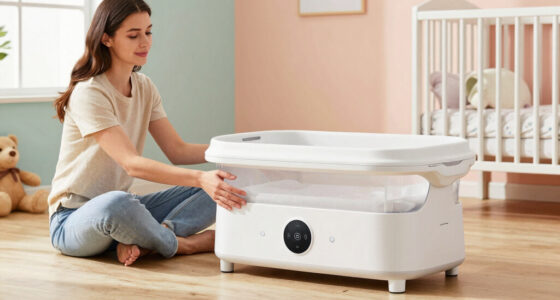
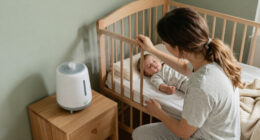
Many parents find that their tried-and-true sleep tools still work well, especially for babies and toddlers. A white noise machine, for example, creates a steady, calming environment that masks household noises—helpful whether you’re settling a newborn or an older child.
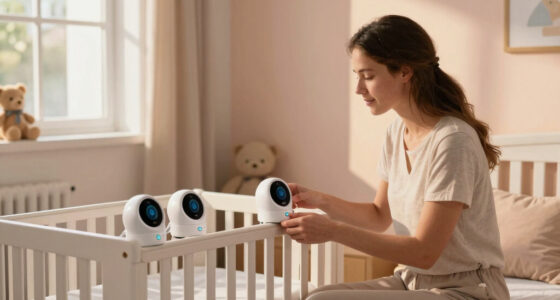
However, check if your devices meet current safety standards. For instance, older monitors might lack the latest safety certifications or features like secure mounting or non-toxic materials. Plus, your second child might have different sleep preferences—so what worked with your first might need a tweak.
It’s important to understand that the effectiveness of these devices isn’t just about their presence; it’s about their ability to adapt to your child’s evolving needs. For example, a device that soothed your first child with a gentle fan sound might need volume adjustment or a different type of noise to be equally effective with your second. Recognizing these nuances ensures your tools continue to support restful sleep rather than becoming outdated or ineffective.
As an affiliate, we earn on qualifying purchases.
What sleep tech is most recommended for older children now?
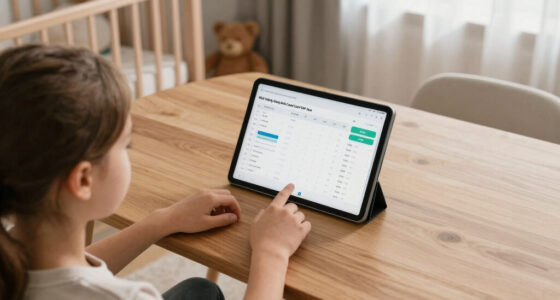
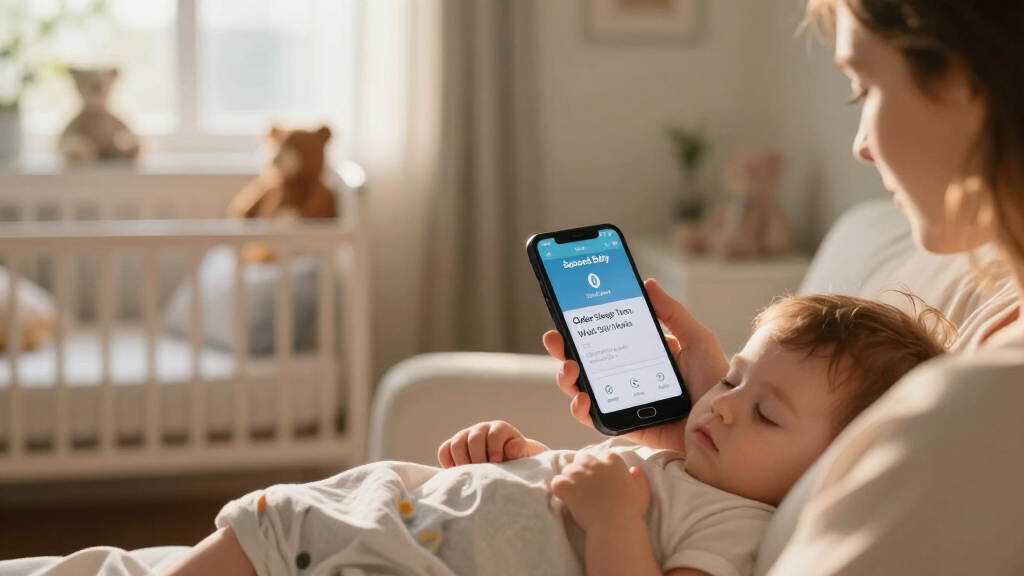
For older children, sleep tech has expanded beyond basic monitors. Today, smart sleep trackers, environmental sensors, and apps provide insights into sleep quality and routines. These tools matter because they shift the focus from guesswork to data-driven decisions, enabling you to identify patterns or issues you might not notice otherwise.
For example, a wearable sleep tracker can reveal if your child is experiencing frequent awakenings or restless nights linked to specific environmental factors like room temperature or humidity. This data allows you to make targeted adjustments—like changing the room’s climate or tweaking bedtime routines—rather than relying solely on observation or intuition. The tradeoff is that some of these devices require a learning curve and may involve ongoing costs, but the potential for improved sleep quality makes them worth considering.
Integrating these tools into your routine can help you understand the underlying causes of sleep disruptions, leading to more effective solutions tailored to your child’s unique needs.
baby monitor with safety certifications
As an affiliate, we earn on qualifying purchases.
As an affiliate, we earn on qualifying purchases.
How to adapt sleep routines for different ages and needs
Adapting your sleep routine for a second child involves a simple step-by-step approach:
- Assess each child’s needs: Recognize differences in age, temperament, and sleep habits. Understanding these differences helps you tailor routines that are effective and age-appropriate, avoiding a one-size-fits-all approach that might not suit both children.
- Maintain consistency: Use familiar cues—like a specific lullaby or bedtime routine—to signal sleep time. Consistency reinforces a sense of security and predictability, which is crucial for children’s sleep, especially when routines are disrupted or new routines are introduced.
- Use complementary tech: Combine your old tools with newer devices, like environmental sensors or sleep apps, to refine routines. This hybrid approach allows you to gather real-time data, helping you adjust routines based on actual sleep patterns rather than assumptions.
- Be flexible: Expect adjustments as children grow or if routines aren’t working perfectly. Flexibility prevents frustration and enables you to respond to changing needs, such as developmental milestones or sleep regressions.
- Stay patient: Sleep patterns evolve, so give new routines time to settle in. Patience ensures that both you and your children can adapt gradually, making the transition smoother and more sustainable.
For example, you might keep the same bedtime story but add a smart nightlight that adjusts brightness based on room conditions. This hybrid approach not only supports your child’s unique needs but also maintains familiarity, reducing resistance and promoting better sleep for everyone.
As an affiliate, we earn on qualifying purchases.
Are there safety concerns with older sleep tech?
Older devices may not meet current safety standards. Always check if your monitors, sleep aids, and accessories are certified by organizations like the CPSC. Outdated tech might have risks like loose cords, non-toxic materials, or weak mounting options.
For example, an old monitor with exposed wires could pose a strangulation or choking hazard if not properly secured or updated. When in doubt, replacing or upgrading to newer, certified models is a critical step to ensure your children’s safety. This isn’t just about compliance; it’s about peace of mind knowing that your devices have been tested against the latest safety benchmarks, reducing risks associated with wear, damage, or outdated design features.
Remember: safety certifications evolve as new risks are identified. Regularly reviewing and updating your tech arsenal ensures you’re providing a safe sleep environment as your children grow and as standards improve.
As an affiliate, we earn on qualifying purchases.
What are the latest innovations in sleep tech for busy families?
New sleep tech focuses on making life easier for parents with multiple children. Recent innovations include integrated sleep monitoring systems that sync with your phone, apps that coordinate sleep schedules, and smart devices that help control household noise and light. These innovations matter because they reduce the cognitive load on parents, allowing for a more streamlined and less stressful bedtime process.
For instance, some systems can automatically adjust room lighting or sound levels based on your child’s sleep stage, helping them settle faster and stay asleep longer. Others enable you to monitor both kids’ sleep from a single app, even if they’re in different rooms—saving you from juggling multiple devices or constantly entering rooms. These tools may involve some initial setup and investment, but they can significantly cut down on bedtime battles and wake-ups.
Ultimately, these innovations are about creating a sleep environment that adapts to your busy lifestyle, ensuring both children get the rest they need without adding to your stress or workload.
Frequently Asked Questions
Are my old sleep monitors still safe for my second child?
Check if they meet current safety standards and certifications. If they’re outdated or show signs of wear, it’s best to replace them with newer, safer models that comply with today’s safety guidelines.Can I rely solely on my old sleep aids for my older child?
While many old aids still help, combining them with newer technology—like environmental sensors or sleep tracking apps—can provide a clearer picture and improve sleep quality for your child.What’s the best way to handle different sleep needs for two kids?
Establish routines around their individual needs, use familiar cues, and incorporate tech that can help customize their sleep environments. Flexibility and consistency are key.Should I upgrade my older sleep tech just for safety?
Yes. Technology and safety standards evolve. Replacing outdated devices with newer, certified options helps keep your children safe while benefiting from improved features.What new sleep tech can help busy families with multiple kids?
Integrated sleep monitoring systems, apps that coordinate sleep schedules, and smart environmental controls can streamline routines and make managing sleep for multiple children easier.Conclusion
Keeping sleep simple, safe, and smart makes a real difference when raising two kids. Your old tools still matter, but pairing them with recent tech updates can turn chaotic nights into manageable ones. Trust what works, stay open to new options, and remember: a well-rested parent is a happier parent.
Imagine that peaceful, dark room—your children quietly sleeping, your mind finally at ease. That’s the goal. With the right mix of old and new sleep tech, it’s within reach.
Halloween Picks
halloween
As an affiliate, we earn on qualifying purchases.