
TL;DR

Turn the school run and nap time into listening time
- Thousands of audiobooks, podcasts and originals
- Listen on your phone, tablet or Echo — also offline
- Cancel anytime
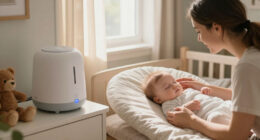
Automated night light schedules help signal bedtime, improve sleep, and save energy. Modern smart lights adapt to routines and environmental cues, making bedtime calmer and more predictable.
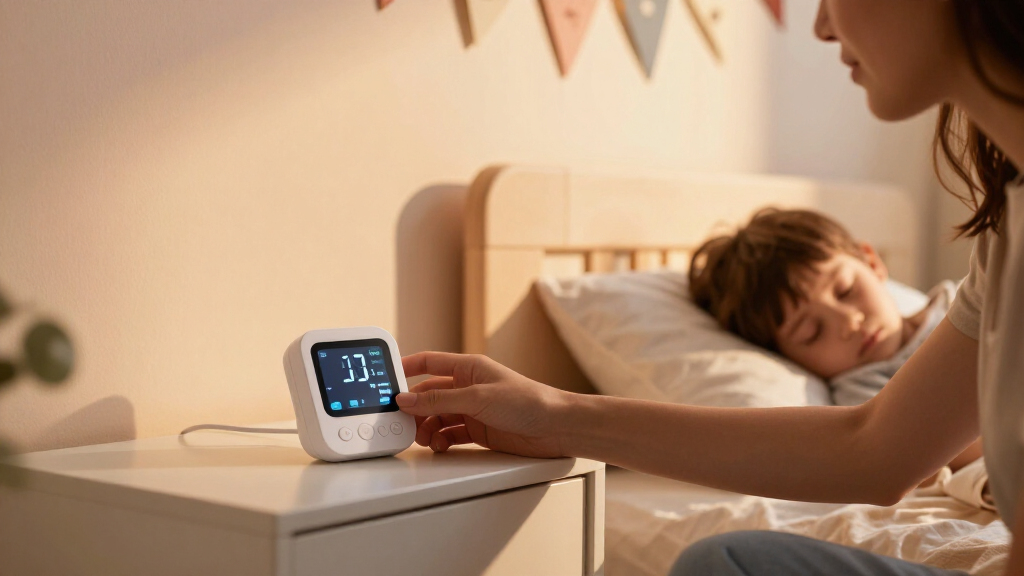
Imagine a bedtime where the lights turn on softly at the same time every night, signaling it’s time to wind down. No more fidgeting with switches, no more abrupt bright lights disrupting your child’s sleep. Night light timers and schedules automate this process, creating a calming, predictable environment that cues your child to sleep. With recent tech advances, these systems are more customizable and smarter than ever, blending seamlessly into your nightly routine.
In this guide, you’ll learn how automated lighting can make bedtime smoother, which types of timers suit different needs, and how to set up a schedule that adapts to your family’s rhythm. Whether you’re seeking simplicity or high-tech features, understanding these options helps you foster better sleep habits for your little ones.
Automating night light schedules creates predictable cues that help children settle faster and sleep better.
Choosing the right timer—mechanical, digital, or smart—depends on your family’s tech comfort and need for customization.
Warm, dim lighting supports melatonin production and enhances sleep quality, especially when set on a consistent schedule.
Smart lights that adapt to natural rhythms can promote healthier sleep cycles by mimicking sunset and sunrise effects.
Always prioritize safety—select child-friendly, certified devices and keep routines simple, consistent, and safe.
Why Automated Night Lights Make Bedtime Easier
Automated night lights serve as a gentle, consistent cue for children, signaling it’s time to wind down. When lights turn on at the same time each evening—say, 7:30 pm—it becomes a familiar signal that bedtime is approaching. This predictability reduces resistance and anxiety.
Imagine a typical evening: your child starts to get fussy, but instead of rushing to find the switch in the dark, the soft glow turns on automatically. This creates a soothing environment, helping them settle faster. Plus, automated lighting prevents you from fumbling around with switches—especially helpful during midnight wake-ups or when you’re exhausted.
Research indicates that consistent cues like dim, warm lighting support melatonin production, making it easier for your child to fall asleep and stay asleep. Automating this process makes your nightly routine more reliable, and less stressful for everyone.
As an affiliate, we earn on qualifying purchases.
The Different Types of Night Light Timers and Which Fits Your Family
Night light timers come in three main types: mechanical, digital, and smart. Each has its strengths, depending on your tech comfort level and needs.
- Mechanical Timers: Simple dial-based devices. You set a specific on/off time by turning a dial, then forget it. They are reliable and very straightforward, making them ideal for those who prefer minimal fuss. However, their fixed schedules mean less flexibility if your routine changes unexpectedly. The tradeoff here is simplicity versus adaptability; mechanical timers are less versatile but highly dependable.
- Digital Timers: Programmable via a digital interface. These allow you to set multiple on/off times and adjust schedules more easily. They are suitable for families with variable routines or those who want more control without the complexity of smart tech. The tradeoff is that they require some familiarity with digital devices and may need occasional reprogramming as routines evolve. Their flexibility can help you fine-tune routines but may introduce a learning curve.
- Smart Lights: Wi-Fi or Bluetooth-enabled bulbs controllable through smartphone apps. These offer the highest level of customization, including gradual dimming, color adjustments, and synchronization with environmental cues like sunset or sunrise. They can also learn routines and adapt automatically, providing a seamless experience. The main tradeoff is higher cost and the need for a stable internet connection. They’re perfect for tech-savvy families who want sophisticated control and integration with other smart home devices. The advantage here is environment-aware automation, which can more closely mimic natural light cycles, potentially improving sleep quality.
Choosing the right timer involves weighing your comfort with technology, budget, and how much flexibility you need. For example, a family with a set routine might prefer a simple mechanical timer for its reliability, while a household with changing schedules could benefit from a smart system that adapts dynamically, providing a more natural and less disruptive transition into sleep.
Understanding these differences helps you select a device that aligns with your lifestyle, ensuring bedtime cues are reliable and effective, while also considering the implications of cost, complexity, and adaptability.
As an affiliate, we earn on qualifying purchases.
How to Set Up a Night Light Schedule That Works
Setting up a schedule for your night light is straightforward, especially with smart options. Here’s a step-by-step:
- Choose your device type—mechanical, digital, or smart.
- Decide on the time you want the light to turn on and off—typically 30 minutes before bedtime and after waking.
- If using a digital or smart light, open the app or interface.
- Set the on time—say, 7:30 pm—and off time—say, 6:30 am.
- Adjust brightness and color temperature. Warm, dim lights (around 200-300 lumens, 2700K) promote melatonin production, supporting your child’s natural sleep cycle. Bright, blueish lights can suppress melatonin, making it harder to fall asleep, so choosing the right settings is crucial.
- Test the schedule for a few nights, then tweak as needed for your family’s rhythm. Observe how your child responds and adjust brightness or timing accordingly.
Deeply understanding how to set these schedules ensures they align with your child’s natural rhythms and your family’s routines. The timing of light changes can either reinforce or disrupt sleep cues, so thoughtful configuration is vital. For instance, if lights turn on too early or too brightly, it might confuse your child’s internal clock, making sleep harder. Conversely, gradual dimming and syncing with natural sunset times can create a more harmonious sleep environment, fostering healthier circadian rhythms. Regularly reviewing and adjusting the schedule based on your child’s response maximizes the benefits, ensuring routines are both effective and adaptable to life’s changing rhythms.
Many smart systems allow you to create multiple routines, like a different schedule for naps or weekends, giving you flexibility without extra work. This adaptability can be especially helpful during travel or seasonal changes when routines shift.
As an affiliate, we earn on qualifying purchases.
Compare Smart and Non-Smart Night Light Timers Side-by-Side
| Feature | Mechanical Timer | Digital Timer | Smart Light |
|---|---|---|---|
| Ease of Use | Simple dial, no tech skills needed | Requires programming, some tech familiarity | Highly customizable via app, easy to control remotely |
| Flexibility | Limited, fixed schedule | Moderate, multiple schedules possible | High, adaptive to sunset, habits, or environmental cues |
| Cost | Low | Moderate | Higher, but offers more features |
| Control | Physical switch or dial | Digital interface or remote control | Smartphone app, voice control, automation systems |
For the least fuss, mechanical timers work well; if you want more control and customization, digital or smart options are better. The choice boils down to your tech comfort, budget, and how much you want to tweak your routines. Keep in mind that smart lights provide the added benefit of environmental integration, which can further enhance your child’s sleep environment and routine flexibility. When considering cost and complexity, weigh the long-term benefits of smarter routines versus initial investment, especially if you value adaptability and environmental cues that mimic natural light cycles, potentially improving sleep quality over time.
As an affiliate, we earn on qualifying purchases.
Smart Lights That Adjust to Your Child’s Sleep Rhythm
Smart night lights aren’t just programmable—they can adapt to your child’s sleep patterns, making bedtime routines more natural and less reliant on manual adjustments. Some models sync with sunset and sunrise, gradually changing color temperature from warm amber to cooler hues as the night progresses, mimicking the natural setting sun. This gradual shift supports melatonin production, helping your child’s body prepare for sleep, and reduces blue light exposure that can delay sleep onset.
Other smart lights learn your routines over time, automatically adjusting brightness and color based on habits. For example, if your child usually sleeps at 8 pm, the light might begin dimming around 7:15 pm, and then gradually brighten in the morning, signaling wake-up time. These dynamic adjustments reinforce natural sleep rhythms, making the environment feel less artificial and more aligned with natural cues. The implications are significant: by mimicking natural light changes, these lights help regulate your child’s internal clock, leading to more consistent sleep and easier mornings. The tradeoff is that these features require initial setup and ongoing learning, which may involve a learning curve but ultimately results in a more harmonious sleep environment that adapts to your child’s evolving needs.
This adaptive lighting can significantly improve sleep quality by creating a more consistent and soothing environment. It reduces the need for manual intervention, which can disrupt routines. Plus, controlling these features via smartphone means you can fine-tune settings based on seasonal changes or your child’s evolving needs, fostering healthier sleep habits over time. The key is that these lights can help establish a natural rhythm, reducing sleep disturbances caused by artificial lighting or inconsistent routines—an important consideration for sleep health.
For example, a parent might set a smart bulb to start dimming at 7:15 pm, reaching its lowest brightness by 7:45 pm, then gradually increasing in the morning to simulate sunrise. These subtle cues promote a natural transition into and out of sleep, supporting healthy circadian rhythms and reducing sleep disturbances. The implication is that such features can lead to longer, more restful sleep, which benefits overall health and daytime behavior, especially in children who are sensitive to environmental cues.
Energy Saving Tips When Using Night Light Timers
Using timers not only improves sleep routines but also cuts energy costs. Here are some practical tips:
- Opt for LED bulbs—they use 75% less energy than incandescent bulbs, which is a significant reduction over time, especially with nightly use. Choosing energy-efficient bulbs ensures you save on electricity bills while supporting sustainable practices.
- Set the schedule to turn lights on only when needed, avoiding unnecessary hours that waste power. This not only conserves energy but also minimizes artificial light exposure during the night, which can interfere with melatonin production and sleep quality.
- Use dim, warm lights—brighter lights consume more power and can disturb your child’s natural sleep process. Dimming lights as bedtime approaches conserves energy and promotes relaxation. The tradeoff here is balancing sufficient visibility with energy savings and sleep cues.
- Pair timers with energy-efficient smart plugs to monitor consumption and identify opportunities to reduce waste further. This can provide insights into usage patterns, helping you optimize energy use.
- Gradually dimming lights as bedtime approaches not only creates a calming environment but also reduces energy consumption, making it a practical and eco-friendly approach. The implications are that small adjustments can lead to significant savings over time, especially in households with multiple devices.
For example, a family might use a smart bulb set to turn on at 7:30 pm at 20% brightness and gradually increase to 50% over 10 minutes, then turn off at 6:30 am. This not only saves energy but also creates a gentle transition into sleep, reinforcing routine cues for your child. The key is that energy-efficient practices support both cost savings and a healthier environment, aligning with broader sustainability goals.
What Parents Should Know About Safety and Child-Friendly Features
Night lights for children should be safe, reliable, and gentle. Look for models with a low heat output, sturdy construction, and child-friendly features like rounded edges and accessible controls. Always check for safety certifications, such as those from the CPSC.
For example, some smart lights are designed with soft silicone covers and low wattage LEDs that stay cool to the touch, reducing burn risk or accidental injuries. Avoid overly bright or blue-light-heavy devices close to bedtime, as they can hinder melatonin production and disrupt natural sleep cues. Ensuring the light’s brightness is adjustable helps tailor the environment for comfort and safety. The tradeoff is choosing a device that balances safety features with functionality, as some highly adjustable lights may have complex controls that children could tamper with if not properly secured.
Also, set schedules that turn off lights during the night if your child tends to get up—this prevents overexposure to artificial light, which can interfere with sleep quality and circadian rhythms. Regularly inspect cords and outlets for safety, especially in homes with active little explorers, and keep them out of reach. The implications are that safety features are not just about preventing accidents but also about maintaining a sleep-friendly environment free from unnecessary disturbances.
In short, choose age-appropriate, certified models with child-safe features, and establish routines that promote both safety and healthy sleep. Avoid devices with removable parts or complex controls that children might tamper with, and always supervise their use. The tradeoff is ensuring safety without compromising usability or sleep quality, which requires careful selection and routine checks.
Frequently Asked Questions
How do I pick the best night light timer for my child’s needs?
Consider ease of use, compatibility with your existing devices, and whether you want simple automation or advanced customization. Safety certifications and adjustable brightness are also key factors.Can automated night lights really help my child sleep better?
Yes, consistent lighting cues signal bedtime clearly, helping to regulate their internal clock. Warm, dim lights support melatonin production, making it easier for children to fall asleep and stay asleep.Are smart night lights safe for children?
When chosen carefully, smart night lights are safe. Look for models with low wattage, child-friendly features, and safety certifications. Always supervise and keep cords out of reach.How do I create a schedule that fits my family’s routine?
Use the device’s app or interface to set specific on/off times aligned with your bedtime. Test the schedule for a few nights, then adjust brightness and timing as needed for comfort.What are best practices for using night lights to promote healthy sleep?
Use warm, dim lighting consistently, avoid blue light close to bedtime, and create routines that gradually dim lights. Keep the environment dark during sleep hours to maximize rest quality.Conclusion
Setting up a reliable, automated night light schedule turns bedtime into a calm, predictable event. When your child’s environment cues sleep naturally, everyone rests easier. Embrace the tech that makes these routines easier, and watch your little one drift off with less fuss and more peace.
In the end, creating a soothing bedtime scene isn’t just about the lights—it’s about fostering healthy sleep habits that last a lifetime. Small adjustments now can lead to sweeter dreams tomorrow.
Fall Picks
fall essentials
As an affiliate, we earn on qualifying purchases.