
TL;DR

Turn the school run and nap time into listening time
- Thousands of audiobooks, podcasts and originals
- Listen on your phone, tablet or Echo — also offline
- Cancel anytime
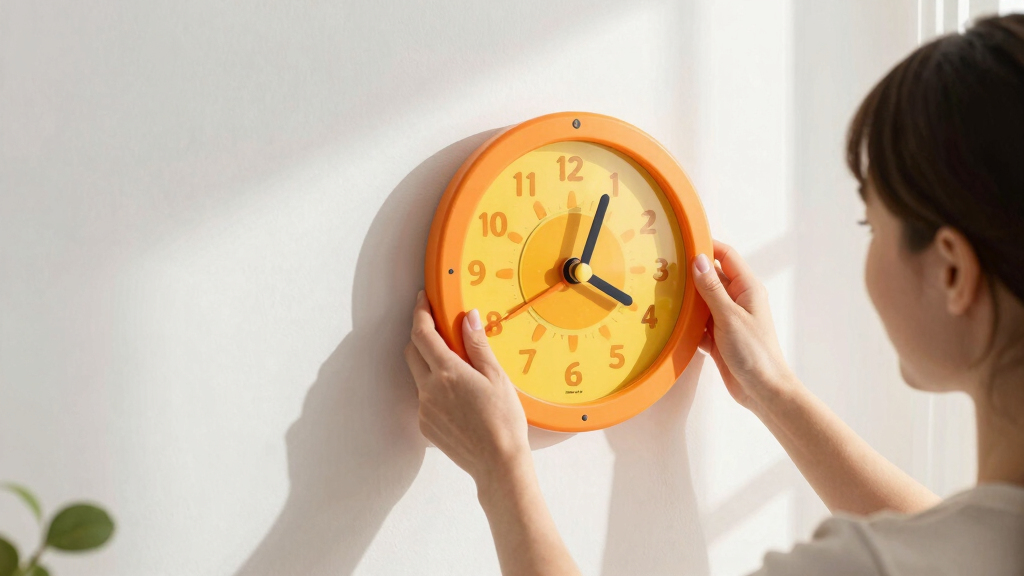
Sunrise clocks for toddlers use gentle light to signal wake-up time, promoting independence and consistent routines. They work best when paired with patience and regular use, making them a worthwhile tool for many families.
Ever stared at your toddler’s sleepy face at 5:30 a.m., wondering if there’s a better way? Sunrise clocks promise a gentle way to shift wake-up times and foster independence. But do they really work? Or is it just another gadget that won’t stick?
In this guide, you’ll learn how these clocks function, whether they’re worth the investment, and practical tips to make the most of them. Spoiler: when used consistently, they can transform those groggy mornings into calmer, more predictable routines.
Sunrise clocks use gentle light to help toddlers wake up peacefully, reducing early morning resistance.
Choose models with adjustable brightness, easy programming, and safe, non-toxic materials.
Introduce the clock gradually with positive reinforcement and consistent routines for best results.
Sunrise clocks are generally safe and effective when used correctly, but always prioritize safety and age-appropriateness.
They work best for children around 2 years and older, but individual responses vary.
Sunrise Clocks for Toddlers: Worth It?
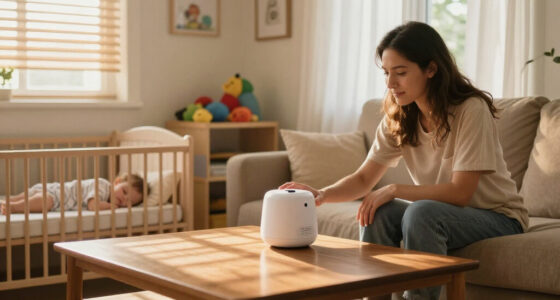
A gentle light cue can teach a toddler when morning begins—without alarms, shouting, or a daily 5:30 a.m. negotiation. The clock is not a cure-all, but paired with patience and a reliable routine, it can make wake-ups calmer and more predictable.
A tiny sunrise, a clearer morning
Gradual light mimics dawn and gives the child an easy, repeatable signal. The value comes from the association built around that signal—not from the lamp alone.
The room brightens slowly
A warm glow rises over several minutes, reducing the startle of an abrupt alarm and gently signaling the beginning of the day.
The color gains meaning
With repetition, the toddler learns that the wake color means “morning,” while a dim night setting means “stay cozy.”
Predictability builds confidence
Consistent cues can support the body clock, encourage independence, and reduce uncertainty around when it is okay to leave bed.
Features that earn their place
More functions do not automatically mean better sleep. Prioritize safety, clarity, and settings you can use consistently without turning bedtime into device administration.
Adjustable light
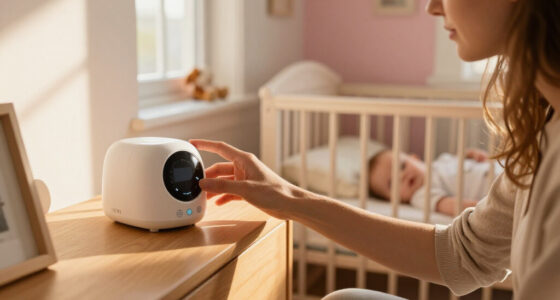
Choose flexible brightness and warm colors such as amber or soft pink. Sensitive children may need a dimmer, slower transition.
Comfort / adaptabilityEasy programming
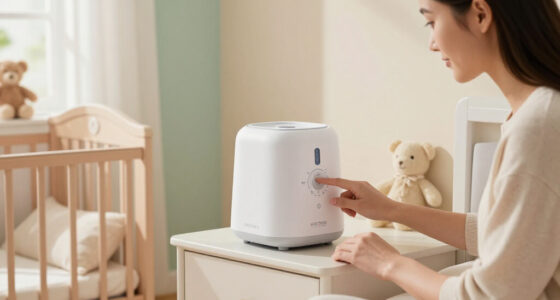
Look for fast schedule changes, clear controls, and—if useful—separate weekday and weekend settings.
Consistency / low frictionOptional gentle sound
Nature sounds or lullabies can reinforce the light cue, but adjustable volume and an off switch help prevent overstimulation.
Multi-sensory / optionalChild-safe construction
Favor non-toxic materials, a stable base, cool-running lights, secure battery access, and no small detachable parts.
Safety / essentialSunrise clock vs. traditional wake-up
The strongest advantage is not simply waking a child. It is creating a calm, child-readable signal that stays the same from one morning to the next.
| Factor | Sunrise clock | Traditional method |
|---|---|---|
| Gentleness | ✓Gradual light eases the transition and may reduce startle. | ✗Loud alarms or shouting can create an abrupt, resistant wake-up. |
| Independence | ✓A child can interpret the visual cue without waiting for a parent. | ~Manual waking may preserve dependence on parental prompting. |
| Consistency | ✓The same cue appears at the programmed time every day. | ~Timing and tone can vary with the household’s morning pressure. |
| Cost | ~Usually $30–$100+, depending on features and connectivity. | ✓Often free or inexpensive if using an existing alarm. |
| Best use | ✓Routine-building, early waking boundaries, and visual learners. | ~Occasional wake-ups when no habit-building support is needed. |
The premium is most defensible when the device is simple to operate, safe for the room, adjustable to the child, and used every day. Smart-home integration and sleep tracking are conveniences—not requirements for success.
Introduce it in four gentle moves
Do not expect the clock to move a 5:00 a.m. riser straight to 7:00 a.m. Treat it as a new language: explain it, practice it, reward effort, and shift slowly.
Explore it during the day
Show the sleep and wake colors when nobody is tired. Let your child practice what each cue means.
Start near the current wake time
Set the signal only 10–15 minutes later than the usual waking point, then move it gradually.
Repeat one short phrase
Use the same message each night: “When the light turns pink, it is morning.” Keep the rule concrete.
Celebrate the attempt
Praise waiting, quiet play, or calling calmly. Consistent positive reinforcement works better than morning conflict.
A cue, not a cure
A sunrise clock can reduce morning friction, support predictable wake times, and help a toddler practice independence. It cannot replace an age-appropriate bedtime, a calm wind-down, adequate sleep, or parental consistency. Choose a safe, simple model and test it faithfully for one to two weeks before judging the result.
How Sunrise Clocks Help Your Toddler Sleep Better
Sunrise clocks are designed to mimic the natural rising of the sun, gradually filling your child’s room with light. This gentle glow signals it’s okay to wake up, helping your toddler learn to stay in bed until the clock’s light turns green or another cue appears.
Imagine your child’s bedroom as a cozy cave that slowly brightens, coaxing them awake with warmth and a soft glow—no more abrupt alarms or shouting. Many parents notice their kids wake more peacefully and are less resistant to morning routines.
For example, a parent reports that after a week of using a sunrise clock set for 6:30 a.m., her 3-year-old started waking up consistently around that time, instead of 5 a.m. — a huge win for everyone’s sleep.
Deepening your understanding, the gradual increase in light helps regulate your child’s internal clock by signaling the start of the day in a way that aligns with natural circadian rhythms. This nuanced approach reduces the stress and confusion that abrupt wake-up methods can cause, especially for young children who thrive on routine and predictability. Over time, consistent use of this gentle cue can foster a sense of security and help establish more predictable wake-up times. However, it’s important to recognize individual differences—such as sensitivity to light or temperament—that can influence how effective a sunrise clock is for your child. Some children may need supplementary comforting or a gradual transition to fully embrace this new routine, highlighting the importance of tailoring approaches to your child’s unique needs.
As an affiliate, we earn on qualifying purchases.
What Features Matter Most When Picking a Sunrise Clock
Not all sunrise clocks are made equal. When browsing options, look for these key features, but also consider how each feature impacts your child’s comfort and your ease of use:
- Brightness and color options: Adjustable light intensity and different colors can be customized to soothe or stimulate. For example, warmer hues like amber or soft pink can create a calming environment conducive to falling asleep or waking peacefully, while brighter, cooler tones might energize your child. The ability to tailor these settings matters because children have different sensitivities and preferences, which can influence how willingly they accept the routine. Choosing a clock with flexible options allows you to adapt the environment as your child grows or their needs change, supporting long-term success.
- Ease of setting and customizing: A user-friendly interface minimizes frustration. If programming wake-up times or adjusting brightness is cumbersome, it may lead to inconsistent use or resistance. Consider whether the clock allows quick adjustments, especially as your child’s sleep schedule shifts with age or season. The more intuitive the device, the more seamlessly it can become part of your routine, reducing stress and increasing the likelihood of consistent application.
- Sound and music options: Gentle nature sounds or lullabies can reinforce the visual cues, providing multi-sensory signals that help children associate the light with waking. For some children, auditory cues can make the transition smoother, especially if they are more responsive to sound. However, overly stimulating sounds or loud volume levels may cause overstimulation or make it harder for your child to fall asleep initially. Choosing a clock with adjustable sound levels and options for calming sounds can help strike a balance, enhancing the effectiveness of the wake-up routine without adding stress.
- Safety and materials: Prioritize non-toxic, child-safe materials and sturdy construction. Devices with small detachable parts or fragile components pose choking hazards or breakage risks, especially in active toddlers. Ensuring the device is free of harmful chemicals and built to withstand rough handling is crucial for peace of mind. Additionally, selecting a model with a stable base or secure mounting options can prevent accidents.
For example, a popular model allows you to set different wake-up times for weekdays and weekends, with a customizable sunrise duration from 10 to 30 minutes. This flexibility helps adapt to your child’s changing sleep needs and daily routines, making the device more effective and less intrusive. Understanding how these features influence your child’s comfort and your daily routine helps you select a device that promotes safety, ease of use, and success in establishing a peaceful wake-up routine.
Remember, simplicity often wins. If your child is easily overwhelmed or sensitive to stimuli, a straightforward clock with fewer features and minimal lights may be more effective, reducing resistance and confusion while still providing the intended benefits.
As an affiliate, we earn on qualifying purchases.
Sunrise Clocks vs. Traditional Wake-Up Methods: Which Wins?
| Feature | Sunrise Clock | Traditional Methods |
|---|---|---|
| Gentleness | Gradual light mimics sunrise, easing children awake and reducing startle responses | Sudden alarms or shouting can startle children, leading to abrupt awakenings that may cause distress, resistance, or difficulty settling back down |
| Independence | Teaches kids to interpret visual cues, fostering self-regulation and confidence in managing their wake-up routine | Parents often wake children manually or rely on loud alarms, which can create dependence and inconsistency, making it harder for children to develop self-soothing skills |
| Consistency | Helps establish predictable routines, reducing variability and morning chaos | Depends on parental cues and effort, which can vary daily, leading to unpredictable wake-up times and increased morning stress |
| Cost | Typically $30-$100, with potential long-term benefits in sleep quality and routine stability that justify the investment | Often free or low-cost—just an alarm clock or shouting—but may sacrifice peace, predictability, and sleep quality, potentially leading to more resistance or early waking |
Many parents find sunrise clocks more peaceful and effective, especially for children resistant to abrupt wake-ups. The gentle, visual cues help children transition more naturally, reducing stress and resistance. While traditional methods can work, they often lack the calming, predictable signals that support a smoother morning routine. The decision to invest in a sunrise clock often hinges on whether the benefits—such as improved sleep, independence, and calmer mornings—outweigh the costs. Research indicates that when used consistently, sunrise clocks can significantly improve sleep patterns, making mornings more manageable and less stressful for both children and parents.
For example, one parent switched from a loud alarm to a sunrise clock and noticed her 2-year-old slept an extra 15 minutes, waking more happily and with less fuss. This highlights how a gentle, visual cue can positively influence sleep behavior, leading to more pleasant mornings and less morning resistance, which can have a ripple effect on the entire family’s daily rhythm.
As an affiliate, we earn on qualifying purchases.
How to Introduce a Sunrise Clock Without Meltdowns
Introducing any new sleep tool requires patience and a gentle approach. Here’s a step-by-step plan to help your toddler embrace the sunrise clock and foster a positive association:
- Start with a warm-up: Talk about the clock during the day, using simple language to explain its purpose. Show pictures or play with it when your child is alert and happy. This builds familiarity and reduces anxiety about the new device, making it less intimidating when it’s time to use it at sleep.
- Practice together: During daytime naps or quiet moments, set the clock and explain what it does, like saying, “When it turns green, it’s okay to wake up!” Reinforcing this association helps your child understand the visual cue and builds confidence in the routine.
- Set realistic expectations: Use a favorite stuffed animal or a special sticker to personify the clock, framing it as a friendly helper. This positive framing can reduce resistance and foster acceptance, turning the device into a comforting presence rather than a source of anxiety.
- Gradually introduce the routine: During initial mornings, stay nearby to reassure your child. Praise them when they wake at the right time, emphasizing their achievement. This positive reinforcement encourages cooperation and helps your child internalize the new routine more comfortably.
- Be consistent: Use the clock every day, even if progress is slow. Consistency reinforces the routine, builds trust, and helps your child internalize the waking cues, leading to more predictable mornings over time.
One parent reports her 2-year-old initially resisted but now happily points to the clock each morning, excited to see the green light. This success underscores how patience, repetition, and positive reinforcement can turn initial resistance into acceptance, creating a smoother transition and fostering independence.
The key is turning unfamiliar technology into a familiar, comforting part of your routine. Over time, this approach can reduce morning stress, promote independence, and help your child wake up more peacefully and willingly.
adjustable sunrise clock for children
As an affiliate, we earn on qualifying purchases.
As an affiliate, we earn on qualifying purchases.
Are Sunrise Clocks Safe for Toddlers? What Parents Must Know
Sunrise clocks are generally safe when used as directed, but understanding safety considerations can prevent potential issues. Look for models made from non-toxic, child-safe materials, and ensure the device has a sturdy construction to withstand curious or active toddlers. This reduces the risk of breakage that could lead to small parts becoming choking hazards or exposure to harmful substances.
Always follow the manufacturer’s instructions for placement and brightness settings. Overly bright lights or improperly secured components can cause discomfort or pose safety risks, especially if the light is too intense for a young child’s sensitive eyes. Choosing clocks with adjustable brightness allows you to tailor the light level, preventing overstimulation that could lead to resistance or difficulty falling asleep.
For example, a parent reports that her toddler’s clock emitted a soft, warm glow and had no small detachable parts, making it a safe addition to bedtime routines. Ensuring the device is appropriate for your child’s age and sensitivity is key to safe, effective use.
Additionally, some children are more sensitive to light or sound, and may become overwhelmed by overly stimulating features. Monitoring your child’s reactions and adjusting brightness or sound settings accordingly can prevent overstimulation or distress. If your child shows signs of discomfort, consider a model with dimmable lights or sound controls.
Finally, check safety recalls and reviews from reputable safety agencies such as the CPSC. Staying informed about product safety ensures you select a reliable, safe device that meets current standards. Spending extra time choosing a high-quality, safety-certified product can prevent hazards and provide peace of mind as your child uses the device regularly.
Prioritizing safety and age-appropriate features ensures that your investment in a sunrise clock supports your child’s well-being and sleep routine, without introducing unnecessary risks.
Frequently Asked Questions
Are sunrise clocks effective for all children?
Not quite. Some children respond quickly, while others need time and extra encouragement. The effectiveness often depends on individual temperament, sensitivity to light, and how consistently the routine is applied. For children who are resistant or sensitive, pairing the clock with additional comforting objects or routines—like a favorite stuffed animal or a calming bedtime ritual—can enhance success. Recognizing that each child’s response varies helps set realistic expectations and encourages patience, which is crucial for long-term success.
At what age should I start using a sunrise clock?
Most parents find that around age 2 is suitable, as children at this age can understand visual cues and are developmentally ready to respond to routines. However, every child is different; some may benefit from earlier introduction if they wake too early or resist mornings, while others may be ready later. The key is observing your child’s sleep patterns and readiness, then gradually introducing the clock when you feel they can understand and benefit from it, always tailoring the approach to their individual needs.
Can sunrise clocks replace my alarm clock?
Sunrise clocks are primarily designed for young children to learn independent waking routines. They are not substitutes for adult alarm clocks, which are necessary for work, appointments, or other responsibilities. For children, however, they serve as a gentle, visual cue that helps foster independence and routine, reducing reliance on parental intervention. Adults should continue using alarms or other wake-up methods suited to their schedules, while children can benefit from the visual and gradual wake-up cues provided by sunrise clocks.
Are sunrise clocks safe for children?
Yes, when chosen carefully and used as directed. Safety depends on selecting models made from non-toxic, child-safe materials, with sturdy construction and no small detachable parts. Ensuring the brightness is adjustable helps prevent overstimulation or discomfort. Always supervise initial use to observe your child’s reactions and adjust settings accordingly. Regularly check for recalls or safety alerts, and purchase from reputable brands to ensure compliance with safety standards. With proper selection and supervision, sunrise clocks are a safe addition to your child’s sleep routine.
Will a sunrise clock solve early waking or sleep resistance?
While a sunrise clock can significantly improve wake-up times by establishing a consistent and gentle routine, it is not a cure-all. For children with persistent sleep resistance or early waking issues, it’s important to address underlying sleep hygiene factors—such as bedtime routines, sleep environment, and daytime activity levels—in conjunction with using the clock. Over time, the visual cue helps reinforce a stable routine, but patience and comprehensive sleep strategies are often necessary for more entrenched sleep challenges. Combining these approaches increases the likelihood of lasting improvements in sleep behavior.
Conclusion
Sunrise clocks can transform your mornings from chaotic to calm, but they’re not magic. The secret lies in patience, consistency, and making the device part of a comforting routine. When used thoughtfully, they can become a gentle guide to better sleep and happier mornings.
Imagine a sunrise greeting your child each day, turning waking into a peaceful, predictable moment — that’s the promise of a well-chosen sunrise clock.
Cold & flu season Picks
humidifiers
As an affiliate, we earn on qualifying purchases.