
TL;DR

Turn the school run and nap time into listening time
- Thousands of audiobooks, podcasts and originals
- Listen on your phone, tablet or Echo — also offline
- Cancel anytime
OK-to-Wake clocks help children learn when it’s okay to get out of bed. They work best when your child is developmentally ready, usually around age 2, and are most effective when paired with consistent routines.
Imagine a morning where your child stays in bed until the clock signals it’s okay to wake. No more early alarms or frantic calls to get out of bed. OK-to-Wake clocks are designed to do just that, helping kids learn independence and giving parents some much-needed rest. But when is the right time to start using one? That depends on your child’s age, understanding, and sleep habits. In this guide, you’ll learn how these clocks work, what features matter, and how to introduce them smoothly into your routine.
And yes, it’s tempting to want an instant fix, but timing is everything. Using an OK-to-Wake clock too early or without proper preparation can backfire. So, let’s explore what makes these tools effective and when they’re most likely to help your family sleep better.
Introduce OK-to-Wake clocks when your child can understand visual cues, usually around age 2 to 3.
Use consistent routines and clear explanations to help your child respond positively to the clock.
Choose a clock that matches your child’s preferences—simple visual cues work well, but tech options offer customization.
Be patient; these clocks are tools that work best when paired with ongoing behavioral strategies.
Watch for signs of readiness and avoid rushing the process to prevent confusion or anxiety.
Better mornings start when the cue finally makes sense.
OK-to-Wake clocks help children learn when it is okay to get out of bed. They work best when a child can understand simple visual signals, usually around age 2 to 3, and when parents pair the clock with calm, consistent routines.
Children who understand visual wake-up cues tend to wake more consistently and stay in bed longer when the clock is introduced at the right developmental moment.
Many toddlers begin grasping visual cues and simple rules in this range.
A light, smile, or message signals that morning has officially started.
Consistency matters more than the device itself.
Starting before readiness can create confusion, resistance, or anxiety.
What the clock actually teaches.
An OK-to-Wake clock is not a magic sleep switch. It is a predictable visual boundary: sleep time is still sleep time, and morning begins when the cue appears.
Simple signals win.
A green light, friendly face, or clear message works because toddlers do not need to read a clock to understand the routine.
It builds patience.
The clock gives children a concrete marker for waiting, helping them practice self-regulation in a low-pressure way.
It protects mornings.
When the cue becomes trusted, early calls and rushed wake-ups often ease, giving everyone a calmer start.
Readiness spectrum
The sweet spot is when your child can connect a signal with an action: “When the clock turns green, you can get up.”
Signs your child may be ready
- ✓They understand simple directions such as “wait” or “stay in bed.”
- ✓They respond to visual signals, pointing, colors, or familiar routines.
- ✓They wake too early but can sometimes settle or wait with reassurance.
- ✓They are not in the middle of a major sleep disruption or transition.
Introduce it without morning chaos.
The calmest rollout happens before sunrise: explain it during the day, practice the signal, then repeat the same expectation every night and morning.
Pick the moment
Start when early waking is consistent and your child is ready for simple cues.
Explain clearly
Use short language: “Green means you can get up.”
Practice by day
Let your child watch the cue change before using it overnight.
Set bedtime rules
Make the clock part of the same bedtime script each evening.
Reward waiting
Use praise, stickers, or a small celebration for staying put.
Stay steady
Keep the rule predictable so the signal feels safe and trustworthy.
Choose the clock that fits your child.
The best model is the one your child understands quickly and your family can use consistently. More features can help, but they can also add friction.
| Feature | Simple Visual Cues | Smart App-Connected | Storytelling & Customization |
|---|---|---|---|
| Ease of use | ✓ Very straightforward: set the time and use the signal. | ~ Requires pairing, setup, and app comfort. | ~ More engaging, but often more settings to manage. |
| Best age fit | ✓ Strong fit for many children 2+ who respond to color cues. | ~ Better for parents who want remote control. | ✓ Useful for children who love stories or character routines. |
| Durability | ✓ Fewer fragile features and simpler controls. | ~ Tech features may be less toddler-proof. | ~ Check for small parts and complex buttons. |
| Customization | ✗ Limited cues and fewer settings. | ✓ Wake times, sounds, and settings can be adjusted remotely. | ✓ Visuals, sounds, and routines can feel more personal. |
The success chain is behavioral.
The device matters, but the routine around it matters more. Think of the clock as one link in a morning system.
Predictable wind-down keeps the cue anchored.
A clear light or face tells your child what to do.
Your child practices staying in bed until the cue appears.
Warm reinforcement makes the new habit feel worthwhile.
Everyone starts the day with less confusion.
Do start with practice.
Show the clock during the day, celebrate the cue, and make the first few mornings feel easy and supported.
Do not expect instant sleep.
OK-to-Wake clocks work best alongside steady bedtime routines, age-appropriate expectations, and patient coaching.
What Are OK-to-Wake Clocks and How Do They Help Your Child Sleep?
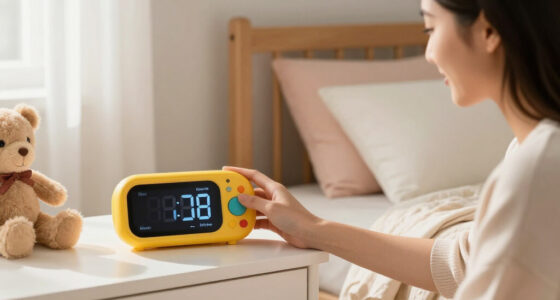
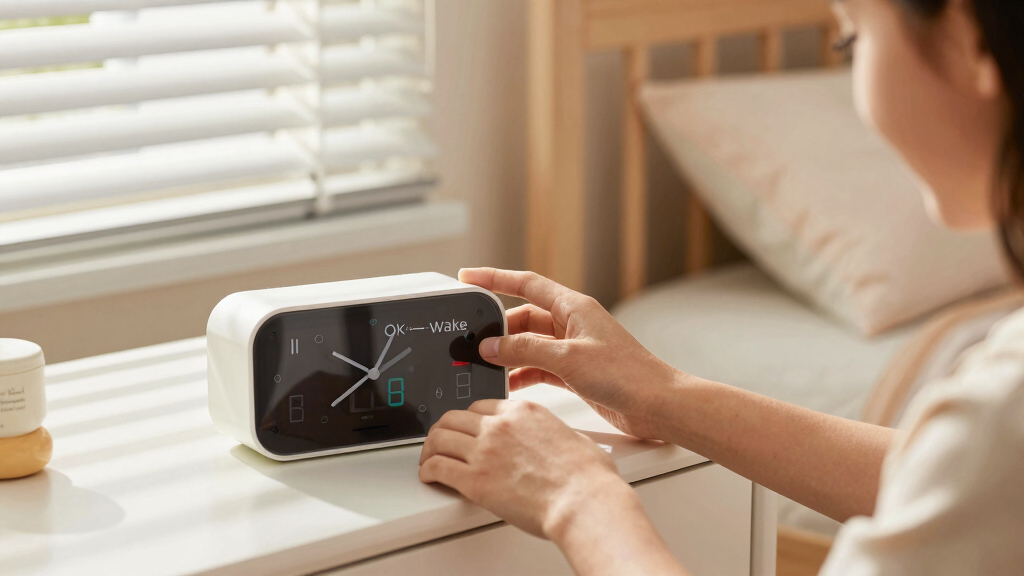
OK-to-Wake clocks are simple devices that signal when it’s okay for your child to get out of bed. They typically feature a visual cue—like a green light, a smiling face, or a message—that turns on at a set wake-up time. Children as young as 2 can often understand these cues, especially if they’re paired with consistent routines.
Imagine your 3-year-old hearing a soft chime or seeing a friendly smile that tells them it’s okay to get up. This visual reassurance helps them learn patience and independence. It also reduces those early morning calls, giving you a few extra precious minutes of sleep.
Research from child sleep experts suggests that when kids recognize and respond to visual cues, they develop better sleep habits and wake more calmly. This understanding fosters a sense of control and predictability for your child, which is crucial for building healthy sleep routines. It can also minimize nighttime awakenings, as children learn to associate the cues with appropriate times to wake, reducing confusion and frustration. Over time, this can lead to a smoother transition from sleep to wakefulness, benefiting the entire family’s well-being.
As an affiliate, we earn on qualifying purchases.
When Is Your Child Ready for an OK-to-Wake Clock? Recognize These Signs
The perfect time to introduce an OK-to-Wake clock is when your child shows readiness to understand visual cues and can stay in bed until the designated wake-up time. This is important because if the child isn’t developmentally prepared, they may become frustrated or confused, which can undermine the goal of peaceful mornings. Typically, this readiness appears around age 2 to 3, but it varies depending on individual development.
Look for signs such as consistent waking after a set time, the ability to stay in bed if told to do so, and understanding simple signals like pointing or verbal cues. Recognizing these signs means your child is beginning to grasp the concept of delayed gratification and can respond to visual cues meaningfully. Introducing the clock too early—before these signs are evident—can lead to disappointment or resistance, which may hinder the development of healthy sleep habits. Conversely, waiting until your child shows these signs ensures the tool complements their developmental stage, increasing the likelihood of success and fostering a positive association with independent waking routines.
Understanding your child’s unique cues and timing the introduction appropriately can make a significant difference in how smoothly the transition occurs. It’s about aligning the tool with their cognitive and emotional readiness, which ultimately helps in establishing routines that are both effective and nurturing.
As an affiliate, we earn on qualifying purchases.
How to Introduce an OK-to-Wake Clock Without Chaos
Here’s a step-by-step plan:
- Pick the right moment. Wait until your child consistently wakes too early or struggles to stay in bed, and shows signs of understanding cues. This ensures they are developmentally ready, reducing the risk of frustration.
- Explain the concept. Use simple language and demonstrate during the day how the clock works, emphasizing the visual cue and what it means. This helps your child associate the cue with appropriate behavior and reduces anxiety about unfamiliar devices.
- Set clear expectations. Incorporate the clock into a bedtime routine—say, “When the clock shows the happy face, you can get up!”—and reinforce this consistently. Clear routines help your child understand what to anticipate, decreasing resistance and confusion.
- Practice during the day. Use the clock in a relaxed setting, encouraging your child to watch and respond to the cues without pressure. This builds familiarity and confidence, making the transition to waking up in the morning smoother.
- Start with a gradual approach. Use small rewards, praise, or stickers when your child waits patiently or responds correctly to the cues. Gradual reinforcement fosters positive associations and patience.
- Be consistent. Maintain the routine every night and morning, so your child learns to trust the cues. Consistency not only reinforces learning but also creates a sense of security, making mornings more predictable and less stressful.
For example, one parent set the clock to turn on at 6:30 am, explained it during daytime, and used a sticker chart as a reward for waiting. Over a few weeks, her 3-year-old learned to stay in bed longer, waking only when the clock lit up. This consistency helped her develop a new habit that benefited the entire family.
Patience and steady routines are essential. Remember, the clock is a tool—your calm, predictable approach and emotional support are what truly foster lasting change. The goal is to create a positive experience around waking time, which encourages your child to develop self-regulation and independence gradually.
As an affiliate, we earn on qualifying purchases.
Compare Different Types of OK-to-Wake Clocks and Find Your Best Fit
| Feature | Simple Visual Cues | Smart App-Connected | Storytelling & Customization |
|---|---|---|---|
| Ease of Use | Very straightforward—just turn on and set the wake time | Requires pairing with a smartphone app, more setup | Includes stories or sleep tips, often with customizable visuals |
| Safety & Durability | Child-safe, no batteries to chew, sturdy design | Same as above, but with tech features | Usually safe but check for small parts or complex controls |
| Best For | Children 2+ who respond well to simple cues | Tech-savvy kids or parents who want remote control | Kids who enjoy stories, visuals, or personalized routines |
Choosing the right clock depends on your child’s preferences and your routine. For a straightforward, no-fuss option, a simple visual cue clock works well. If you love tech and customization, a smart clock might be better.
Understanding the differences helps you weigh the tradeoffs: simple clocks are often more durable and easier to operate, but may lack advanced features. Smart clocks offer customization and remote control, which can enhance engagement but may require more setup and be less robust physically. Matching the clock to your child’s temperament and your family’s routine ensures a smoother integration and increases the chances of long-term success.
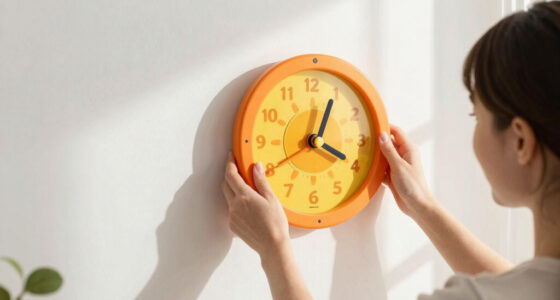
children's wake-up clock with visual cues
As an affiliate, we earn on qualifying purchases.
As an affiliate, we earn on qualifying purchases.
What Are the Real Benefits of Using an OK-to-Wake Clock?
Many parents notice their kids wake up more calmly and stay in bed longer after introducing an OK-to-Wake clock. Children learn patience and develop independence, which reduces morning battles and creates a more peaceful start to the day. This can lead to improved mood and behavior throughout the morning, as children feel more in control of their routines. For parents, the benefit extends beyond sleep—gaining extra rest can boost overall well-being, patience, and stress management.
For example, a family reported that their 3-year-old now stays in bed until 6:30 am, instead of wandering at 5:15. That extra hour of sleep not only improved their child’s mood but also allowed parents to begin their mornings with less stress. Over time, these small improvements compound, fostering healthier sleep habits and emotional resilience in children.
Research supports that visual cues help children understand boundaries and expectations—especially when routines are consistent. When combined with a supportive environment and clear communication, these tools can significantly enhance sleep quality and family harmony. While the clock isn’t a magic fix, its strategic use as part of a comprehensive sleep plan can promote long-term positive habits and reduce bedtime struggles.
Are There Downsides or Things to Watch Out For?
Yes. While OK-to-Wake clocks are helpful, understanding potential limitations is important. Some children might become anxious if they don’t understand the cues, especially if the clock isn’t set correctly or if their developmental understanding is limited. For example, if the clock’s visual cue is ambiguous or inconsistent, a child may feel confused or frustrated, which can lead to resistance or nighttime anxiety. Over-reliance on the clock might also delay natural waking—if your child is developmentally ready to wake earlier, forcing them to wait can cause unnecessary distress and might interfere with their natural sleep rhythms.
It’s vital to monitor your child’s reactions and adjust accordingly. For instance, if your child seems anxious or upset, consider easing into the routine more gradually, providing extra reassurance, or modifying the cues. Remember, the clock should serve as a supportive tool within a broader framework of responsive parenting and healthy sleep habits. Avoid using it as a strict enforcement device that overrides your child’s natural cues or needs. Maintaining flexibility and patience ensures that the clock remains a positive addition rather than a source of stress or confusion.
When Is the Best Time to Start Using an OK-to-Wake Clock?
The ideal moment is when your child consistently wakes too early or struggles to stay in bed, and shows signs of understanding cues. Waiting until these signs are evident ensures your child is developmentally prepared, which increases the likelihood of a smooth transition. Typically, this occurs around age 2 or 3, but individual differences matter. Introducing the clock too early—before your child can comprehend the purpose or wait patiently—may result in frustration and resistance, undermining the goal of peaceful mornings.
Timing is crucial because it aligns with your child’s cognitive and emotional readiness. If introduced too early, it can create confusion or anxiety, especially if the child doesn’t yet grasp the concept of delayed gratification. Conversely, waiting until they show signs of readiness—such as consistently staying in bed or understanding simple instructions—sets the stage for success. Establishing a stable bedtime routine first is also beneficial, as it creates a predictable environment that makes learning new cues easier and more effective.
In essence, patience and observation are key. By aligning the introduction with your child’s developmental milestones, you foster a positive experience that encourages independence and good sleep habits in the long run.
Frequently Asked Questions
How do I know if my child is ready for an OK-to-Wake clock?
Look for signs like waking consistently too early, understanding simple signals, and being able to stay in bed when told. Usually, children around age 2 or older show these signs.Can I use an OK-to-Wake clock for naps too?
Yes, some parents set clocks for nap times to help children learn when it’s okay to rest and when to get up. Just make sure your child understands the cues and routines are consistent.What if my child gets anxious or upset with the clock?
Stay calm and explain that the clock is a friendly helper. Use daytime practice and praise to build positive associations. If anxiety persists, consider easing into the routine more gradually.Are OK-to-Wake clocks safe for all children?
Most are designed with safety in mind—child-safe materials and simple controls. Always check for age recommendations and recall notices before purchasing or using a device.When should I stop using an OK-to-Wake clock?
When your child consistently wakes on their own at the desired time, and independent waking becomes a habit. You can phase it out gradually, replacing it with natural cues.Conclusion
Waiting for the right moment makes all the difference. An OK-to-Wake clock can turn early mornings into peaceful, independent wake-ups—if your child is developmentally ready. When used thoughtfully, it’s a small device with the power to change your mornings from chaos to calm.
Remember, patience and consistency turn these tools into real sleep helpers. Your child’s understanding, combined with a steady routine, creates mornings everyone can enjoy.
Cold & flu season Picks
humidifiers
As an affiliate, we earn on qualifying purchases.