
TL;DR

Turn the school run and nap time into listening time
- Thousands of audiobooks, podcasts and originals
- Listen on your phone, tablet or Echo — also offline
- Cancel anytime
White, pink, and brown noise differ mainly in how they distribute sound energy across frequencies. Each has its own use: white for masking, pink for natural sleep sounds, and brown for deep rumble or focus. Knowing the differences helps you choose what suits your needs best.
Noise ‘colors’ are named after light because they describe how sound energy is distributed across frequencies.
White noise provides a flat, hissy sound ideal for masking sudden noises, but can be harsh at high volumes.
Pink noise sounds more natural and is often better for sleep and relaxation, mimicking sounds in nature.
Brown noise emphasizes deep bass, popular among focus seekers and those with ADHD, but relies heavily on low frequencies.
Always keep volume moderate, especially for babies, and choose a noise type based on your specific needs and preferences.
Sound science · Sleep · Focus · Masking
White, Pink or Brown Noise: What the Colors Mean
Noise colors describe how sound energy is distributed across frequencies. That spectral balance—not volume or pitch alone—makes white noise hiss, pink noise feel natural, and brown noise rumble.
Three colors, three sonic personalities
All three are steady random sounds. What changes is the amount of energy assigned to low, middle and high frequencies.
White noise
“Shhh” · TV static · fast fan
Equal energy at every frequency creates a bright, consistent hiss. It is especially effective at covering intermittent or high-pitched distractions.
Pink noise
Steady rain · leaves · waterfall
Energy falls by about 3 dB per octave. The result is softer, deeper and more balanced to human ears than white noise.
Brown noise
Thunder · river roar · low wind
Energy drops by about 6 dB per octave, strongly emphasizing bass. It feels deep, enveloping and comparatively free of treble.
How energy changes as frequency rises
A flatter profile preserves treble. A steeper downward slope shifts the experience toward bass.
The light analogy: white light combines visible wavelengths; white noise combines audible frequencies at equal energy. The other “colors” extend that metaphor by changing the spectral balance.
Choose by character and task
No color wins every category. Preference, speakers, room acoustics and the sound being masked all influence the result.
| Noise color | Frequency balance | Perceived sound | Masking | Sleep | Focus | Main limitation |
|---|---|---|---|---|---|---|
| White | Equal energy per frequency | Bright, hissy, static-like | Can feel harsh or shrill | |||
| Pink | Equal energy per octave | Balanced, soft, natural | Sleep evidence remains limited | |||
| Brown | Strong low-frequency weighting | Deep, heavy, enveloping | Needs speakers that reproduce bass |
Find your sound in four steps
Treat noise color as a tool to test, not a prescription. A short controlled trial usually reveals more than a generic ranking.
Name the goal
Decide whether you need sleep support, focus, relaxation or masking.
Start quietly
Set a low, comfortable level rather than trying to overpower the room.
Test 15–20 min
Try each color under the same conditions and notice tension or ease.
Adjust and repeat
Fine-tune volume, duration and speaker placement for your environment.
A practical starting point
These are useful defaults—not universal rules. If the suggested color feels distracting, switch.
Try white
Its broad high-frequency energy can cover barking, conversation edges, traffic and other sudden sounds.
Try pink
Its gentler treble and balanced texture often resemble rain, wind and other steady natural soundscapes.
Try brown
Its bass-heavy rumble is popular for concentration, relaxation and reducing the sense of mental chatter.
Brown means Brownian—not the color brown
The name refers to Brownian motion, the random physical process associated with botanist Robert Brown. Claims that brown noise specifically improves ADHD symptoms remain largely anecdotal and under-researched.
Volume matters more than color
Any noise can become harmful when it is too loud or played close to the ears for prolonged periods. Babies require extra caution.
- 01Keep the level modest—roughly comparable to a soft shower, not a loud appliance.
- 02For infants, use a lower level and position the machine several feet from the crib.
- 03Use a timer when continuous playback is unnecessary and follow pediatric guidance.
- 04Check device volume limits, product instructions and current safety recalls.
Other colors in the noise palette
Some labels have technical definitions; others are informal marketing shorthand.
Blue noise
Energy rises with frequency. Thin and hissy; more common in audio dithering than sleep routines.
Violet noise
Even more treble-heavy than blue noise and sometimes discussed in tinnitus-masking contexts.
Grey noise
Psychoacoustically shaped so frequencies are perceived as roughly equally loud.
Green noise
An informal term for mid-frequency or nature-like sound, without one strict technical definition.
Quick answers before you press play
Comfort and safety come first; research does not support one universal winner.
Which color is best for babies?
Gentle white or pink noise are common choices. Keep the volume low, place the machine away from the crib and follow pediatric guidance.
Is brown noise proven better for focus?
No. Many listeners prefer its deep bass, but the focus and ADHD claims are mostly anecdotal. Try brown and white under equal conditions.
Can all-night noise damage hearing?
Potentially, if it is too loud or too close. Use modest volume, sensible distance and a timer when continuous playback is unnecessary.
What are the main drawbacks?
Harshness, bass fatigue, poor-quality looping, unsafe device volume and becoming dependent on a machine for sleep or concentration.
Choose white for broad masking, pink for a softer nature-like sleep sound, or brown for a deep focus-friendly rumble. Start low, listen for comfort and let personal preference decide.
Evidence note · A small 2017 Northwestern University study linked pink-noise stimulation timed to slow-wave sleep with improved memory recall in older adults. The result was widely reported but should not be treated as proof that ordinary pink-noise playback improves sleep or memory for everyone.
What does white noise really sound like and when should you use it?
White noise is the sound of all audible frequencies playing at equal energy, creating a hissy, static-like roar. Think of a TV tuned to static or a fan running at high speed. It’s loud, uniform, and very consistent. White noise excels at masking sudden, high-pitched noises—like a dog barking or a siren in the distance.
If you’re trying to block out unpredictable sounds while sleeping or working, white noise can be your best friend. But beware—at high volumes, it can sound shrill and harsh, especially to sensitive ears. Keep it at a moderate volume, about the same as a soft shower, and it’ll do its job without discomfort.
Popular right now

De'Longhi Linea Classic Espresso Machine with Adjustable Milk Frother
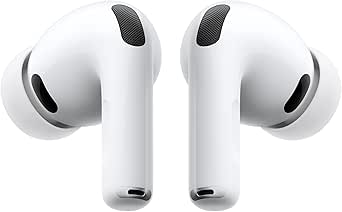
Apple AirPods Pro 3 Wireless Earbuds with Active Noise Cancellation

Breville Barista Pro Espresso Machine with Grinder, Brushed Stainless Steel
As an affiliate, we earn on qualifying purchases.
Why do so many people say pink noise sounds more natural?
Pink noise is like the comforting sound of rain tapping on your window or leaves rustling in the breeze. It’s softer and deeper because its energy decreases with frequency—about -3 dB per octave. This means more bass and fewer high-pitched sounds, making it feel more balanced and less shrill than white noise.
Many sleep studies highlight pink noise’s potential to promote deep, restorative sleep. For example, a small 2017 Northwestern University study linked pink-noise stimulation with better memory retention in older adults. The reason? Its natural, steady quality mimics sounds we find calming in nature.
What is brown noise, and why is it so popular among focus fans and TikTok users?
Brown noise is often mistaken for its color, but it’s named after Brownian motion—a random process in physics, not the color. Its energy drops off steeply with frequency—about -6 dB per octave—so it’s dominated by deep bass sounds. Imagine a distant thunder rumble or the low roar of a rushing river. It’s a deep, enveloping sound that feels grounding.
People with ADHD or those seeking deep focus often turn to brown noise. Many report it quiets their racing thoughts or creates a cocoon of calm. On TikTok and Reddit, brown noise surged in popularity around 2022–2023, especially among younger audiences craving a low-frequency anchor amidst chaos.
How do the spectral slopes of noise colors shape their use and perception?
Think of spectral slope as the way sound energy falls off across frequencies. White noise has a flat slope—equal energy everywhere. Pink noise’s slope drops gently, making it sound more natural. Brown noise’s slope is steep, emphasizing bass and reducing treble.
This difference impacts how we perceive these sounds. White noise can seem harsh at high volumes, pink feels more balanced, and brown provides a deep, calming rumble. Your choice depends on what you’re trying to achieve—masking, sleep, or focus.
Which noise color is safest and most effective for sleep and babies?
Safety starts with volume. Experts recommend keeping noise below about 70 dB for adults and even lower for babies. Many sound machines have volume limits—use those! A steady, gentle sound at a modest level is best to avoid hearing damage.
For babies, keep the machine a few feet away and at a low volume. Continuous exposure to loud noise—even white noise—can risk hearing loss or interfere with development. Always check for CPSC recalls and follow pediatric guidance.
Which noise color is best for sleeping, focusing, or masking tinnitus?
There’s no one-size-fits-all answer. White noise is excellent for masking sudden sounds, making it ideal for noisy environments. Pink noise offers a more natural, gentle background that many find easier to sleep or relax to. Brown noise’s deep rumble can be soothing for focus or tinnitus masking.
If you’re unsure, try each one at a comfortable volume and see which feels most calming or effective. Personal preference plays a big role here—what works for one person might not for another.
Are there downsides or limitations to using noise machines?
Yes. While noise can be helpful, excessive volume or prolonged exposure can harm hearing. Some people find white noise too shrill or distracting at high levels. Others may develop dependence, making it hard to sleep without it.
Also, not all noise machines are created equal. Cheaper models might produce inconsistent sounds or have unsafe volume levels. Always choose a reputable device, use a timer if possible, and keep the volume moderate.
What’s the best way to choose your perfect noise or sound environment?
Start by identifying your goal—sleep, focus, or masking. Then, try each noise color at a low, comfortable volume for 15-20 minutes. Notice which one feels most calming or effective. Keep a journal or mental note of your experience.
Adjust volume and duration as needed. Remember, personal preference rules—what’s relaxing for one might be distracting for another. Don’t be afraid to experiment with different sounds and settings until you find your best match.