
TL;DR

Turn the school run and nap time into listening time
- Thousands of audiobooks, podcasts and originals
- Listen on your phone, tablet or Echo — also offline
- Cancel anytime
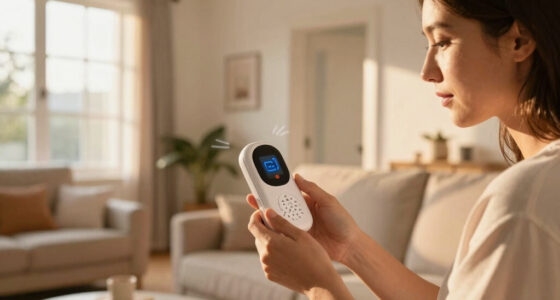
Low-emission baby monitors use advanced tech like DECT to lower RF radiation, offering safer monitoring options. While current evidence suggests typical exposure is safe, many parents prefer devices that minimize electromagnetic fields for peace of mind.
If you’ve ever held your breath waiting for that tiny beep from your baby monitor, you’re not alone. Many parents worry about electromagnetic radiation, especially when it comes to devices that stay close to their baby 24/7. But what if you could keep an eye (and ear) on your child without exposing them to unnecessary EMF? That’s where low-emission baby monitors come in.
This guide will walk you through what makes a monitor low-emission, the latest tech innovations, and how to pick a device that balances safety with convenience. Because at 3 a.m., the last thing you want is to wonder if your baby monitor is adding to your little one’s exposure to radiation.
What Are Low-Emission Baby Monitors, and Why Do They Matter?
Low-emission baby monitors are devices designed to keep tabs on your infant while minimizing electromagnetic radiation. They aim to give you peace of mind without adding extra risks. Think of them as the smart, gentle guardians of your nursery, quietly watching over your baby while respecting their delicate brain development.
Most traditional monitors use radio frequency (RF) signals that emit a certain level of radiation. While generally considered safe, some parents prefer options that lower this exposure — especially for infants, whose brains are more vulnerable. For example, a typical Wi-Fi monitor might produce levels of RF that are comparable to a mobile phone, whereas DECT-based monitors emit a fraction of that.
Reducing RF exposure is especially important because infants’ brains are still developing rapidly, making them more susceptible to potential long-term effects of electromagnetic fields. While current research has not conclusively proven harm at typical exposure levels, minimizing unnecessary radiation is a precaution that many health-conscious parents choose. The tradeoff is often between convenience and safety: more advanced, low-emission monitors may cost more or have fewer features, but they offer peace of mind that you’re doing everything possible to protect your child’s developing brain.
As an affiliate, we earn on qualifying purchases.
How Do Low-Emission Baby Monitors Work? The Tech Behind the Calm
These monitors use specific technologies to cut down on radiation. The most common is DECT, or Digital Enhanced Cordless Telecommunications, which is also used in many cordless phones. DECT transmits signals at very low power levels, often 90% less than traditional analog systems. Imagine a whisper compared to a shout — that’s the difference in radiation.
Some models include low-power modes, activating only when they detect noise or movement. Others are wired, completely eliminating RF radiation because they don’t transmit wirelessly at all. For example, a wired audio monitor might be perfect if you want zero RF exposure but don’t mind the extra cord.
The latest innovations allow you to adjust transmission power, further tailoring radiation levels based on your needs. Think of it as dimming the lights — you control how much the device ‘glows’ in terms of radiation. This ability to customize transmission settings helps balance the need for reliable monitoring with the desire to minimize electromagnetic exposure, especially in sensitive environments like a nursery.
As an affiliate, we earn on qualifying purchases.
The Real Difference: Comparing Emission Levels of Popular Baby Monitors
| Technology Type | Typical RF Emission Level | Pros | Cons |
|---|---|---|---|
| DECT (Digital) | Low, up to 90% less than analog | Safe, reliable, low radiation | Usually more expensive than basic audio models |
| Wi-Fi (Smart Monitors) | Higher, comparable to mobile phones | Extra features, easy access remotely | Potential for higher radiation, privacy concerns |
| Analog (Old-school) | High, continuous RF transmission | Simple, cheap | High radiation, interference issues |
| Wired Audio | None (zero RF) | Zero radiation, straightforward | Lack of mobility, cluttered nursery |
Choosing a monitor with low emission levels like DECT means you’re opting for a safer environment, especially important in a nursery where your baby spends a lot of time. While wired monitors eliminate RF entirely, they sacrifice some convenience and flexibility. Understanding these tradeoffs helps you prioritize what matters most for your family’s safety and lifestyle.
As an affiliate, we earn on qualifying purchases.
Practical Tips for Picking a Low-Emission Baby Monitor
- Look for the DECT label — it’s a good sign of low radiation and indicates the monitor uses a technology that emits significantly less RF compared to older models or Wi-Fi devices.
- Check for certifications or labels indicating low RF emissions; these are often verified by safety standards and can guide you toward safer options.
- Prefer wired or audio-only monitors if you want zero RF exposure. While they may lack video or remote features, they provide a safer electromagnetic environment.
- Read reviews and product specifications to see if the low-emission features work well in real-world conditions, ensuring reliability alongside safety.
- Consider your nursery setup — a wired monitor might be perfect if you’re okay with cords, but wireless offers more flexibility without sacrificing safety if you choose a low-emission DECT model.
Imagine a cozy nursery, softly lit, with a simple wired monitor resting on a shelf. It gives you peace of mind, knowing no RF waves are coming from the device, while still keeping an ear open for your baby’s coos and cries. That’s the goal of choosing a low-emission monitor, ensuring your peace of mind without compromising safety.
baby monitor with low RF radiation
As an affiliate, we earn on qualifying purchases.
As an affiliate, we earn on qualifying purchases.
What Else Matters When Picking a Safe Baby Monitor?
Beyond low emissions, think about privacy, range, and extra features. A monitor with strong encryption keeps your baby’s data safe from hacking or unauthorized access, which is especially important with Wi-Fi or smart monitors. A longer range allows you to relax in the backyard or another room, knowing you can still hear or see your baby. Additional features like temperature sensors or lullabies can enhance your monitoring experience and provide extra reassurance during those long nights.
For example, a DECT monitor with a built-in temperature sensor helps maintain a comfortable environment, crucial during winter or hot summer nights. Alternatively, some parents prefer wired systems to completely eliminate RF concerns, accepting the tradeoff of cords for maximum safety. Weighing these factors ensures you select a monitor that aligns with your safety priorities and lifestyle needs.
Can You Ever Really Eliminate RF Exposure from Baby Monitors?
Wired monitors or audio-only devices are your best bet for zero RF exposure because they do not transmit wireless signals at all. This creates a truly electromagnetic field-free environment for your baby, which can be especially reassuring for parents with concerns about long-term exposure. However, these options often lack the convenience of video or remote monitoring, which many parents find helpful for peace of mind.
Modern low-emission monitors, particularly those using DECT technology, are designed to emit as little radiation as possible—often well below safety thresholds. While current scientific consensus indicates that typical RF exposure levels are safe, some parents opt for the utmost caution by choosing wired or low-emission wireless options to further reduce electromagnetic fields. This tradeoff involves balancing the convenience of modern monitoring with a desire to limit electromagnetic exposure, especially in sensitive environments like a nursery or during critical developmental periods.
Should You Worry About RF Exposure From Baby Monitors?
Current research indicates that typical RF levels from baby monitors are within safety limits set by health authorities like the FCC. These guidelines are based on extensive studies and are designed to protect even the most vulnerable populations, including infants. However, some parents feel uneasy about any electromagnetic exposure, especially when devices are placed close to their baby’s head or body. Feeling informed about the science and safety standards can help you make decisions that align with your comfort level.
While scientific evidence to date shows no conclusive harm at typical exposure levels, choosing low-emission monitors provides an extra layer of reassurance. It’s a personal decision—some parents prefer to minimize electromagnetic fields as much as possible, especially during sensitive developmental periods. Ultimately, understanding the safety standards and weighing your comfort helps you make an informed choice for your family’s peace of mind and your baby’s well-being.
Key Takeaways: Making Smarter, Safer Choices
- DECT monitors emit the least radiation, making them ideal for health-conscious parents concerned about electromagnetic exposure.
- Wired or audio-only options eliminate RF exposure but might sacrifice some convenience or features, so consider your priorities carefully.
- Look for certifications and labels indicating low emissions, especially if you’re concerned about radiation’s long-term effects.
- Adjust transmission power settings when available — dim the ‘radio’ to the lowest acceptable level to reduce exposure further.
- Balance safety with features you need, like range, privacy, and extra sensors, to choose the best monitor for your family’s needs.
Frequently Asked Questions
Are low-emission baby monitors truly safer for my baby?
While current scientific evidence suggests that typical RF emissions from baby monitors are within safe limits, many parents prefer low-emission options like DECT to minimize exposure. It’s a personal choice that can offer extra peace of mind, especially during critical development stages.
Can I completely avoid electromagnetic fields with a wired monitor?
Yes. Wired audio monitors or direct audio-only devices do not emit RF radiation at all, providing a zero-exposure environment. However, they may lack the remote viewing convenience of wireless models.
Do low-emission monitors cost more than regular ones?
Not necessarily. Many low-emission DECT models are competitively priced, though some advanced features may add to the cost. Focus on certifications and technology type rather than price alone.
Is there a risk in using Wi-Fi baby monitors with higher RF emissions?
Most studies show that Wi-Fi baby monitors emit RF levels comparable to mobile phones, which are considered safe by health authorities. Still, if you’re concerned, opting for DECT or wired options can lower exposure further.
What should I prioritize when selecting a low-emission baby monitor?
Look for certifications like DECT, check for low RF emission labels, consider wired or audio-only options, and read reviews to confirm real-world performance. Balance safety features with your convenience needs.
Conclusion
Choosing a baby monitor isn’t just about features or price — it’s about peace of mind. Opting for low-emission, DECT-based models can significantly reduce electromagnetic exposure, giving you one less thing to worry about at 3 a.m. when your baby’s sleeping soundly.
Remember, you control how much radiation your home hosts. A wired monitor or an audio-only system might be perfect for your peace of mind, while modern low-emission wireless models strike a good balance. In the end, trust your instincts and the safety standards that matter most to you.
Cold & flu season Picks
humidifiers
As an affiliate, we earn on qualifying purchases.