TL;DR

Turn the school run and nap time into listening time
- Thousands of audiobooks, podcasts and originals
- Listen on your phone, tablet or Echo — also offline
- Cancel anytime
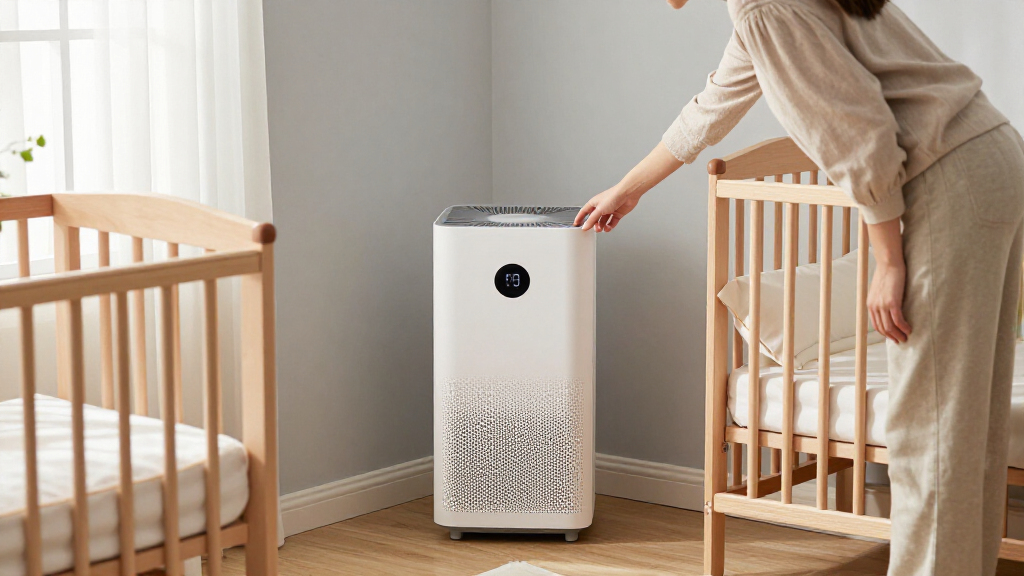
Positioning your nursery’s air purifier correctly boosts air cleaning efficiency and keeps your baby safe. Place it centrally, at crib height, and avoid tight corners or directly beside the crib for best results.
If you’ve ever wondered whether your baby’s air purifier is doing its job, the answer often comes down to placement. A well-placed purifier doesn’t just sit pretty—it actively improves air quality by removing allergens, dust, and pollutants that can irritate sensitive lungs.
But where exactly should you put it? Corner? Wall? Near the crib? The right spot makes all the difference. This guide will walk you through the best practices, recent innovations, and common questions so you can set up your nursery for a healthier, calmer environment.
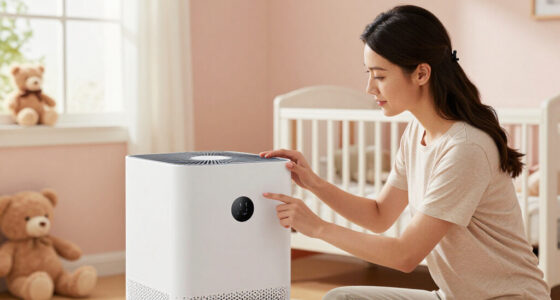
Place the air purifier in a central spot at crib height for even, effective filtering.
Avoid tight corners and flush against walls—leave 2-3 feet of space for optimal airflow.
Position it within 2-3 feet of the crib, but never directly beside or above it.
Choose models with quiet operation and child safety features to ensure peace of mind.
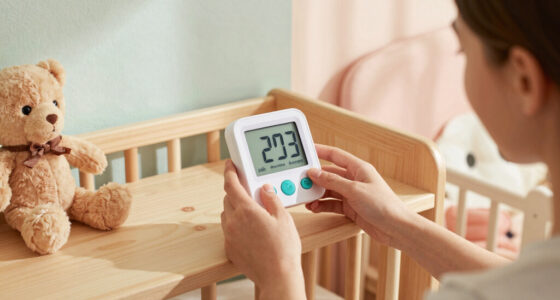
Use sensors or external monitors to verify your purifier is truly improving your nursery’s air quality.
Where should you put the air purifier for the best results?
The ideal spot for your nursery’s air purifier is a central location at your baby’s breathing level, usually around the height of the crib. This placement ensures that the air circulates evenly throughout the room, preventing stagnant zones where pollutants could linger. When air is evenly circulated, the purifier can more effectively trap dust, allergens, and other irritants, resulting in cleaner air for your baby.
Keeping the purifier away from furniture, curtains, or toys that might block airflow is crucial because obstructions can create turbulence and dead zones, reducing efficiency. An open, unobstructed space allows the device to draw in contaminated air and push out filtered air more effectively. Imagine the purifier as a gentle force that needs a clear path to circulate the air thoroughly; any barriers hinder this process, potentially leaving some areas less clean.
Placing it about 3 feet off the walls in the middle of the room strikes a balance—close enough to the center for even distribution, but not so close to walls or furniture that airflow becomes restricted. This strategic placement maximizes the device’s capacity to improve overall air quality, which is especially important in small, enclosed nursery spaces where pollutants can accumulate quickly.
As an affiliate, we earn on qualifying purchases.
Should you place the purifier near the crib or away from it?
Positioning the air purifier within 2-3 feet of the crib can significantly improve the quality of air your baby breathes, as it targets the air at your baby’s level directly. This proximity means that airborne irritants—like dust, pollen, or pet dander—are reduced right where your baby inhales, providing immediate benefits to respiratory comfort and health.
However, this proximity comes with tradeoffs. Placing the purifier too close—such as directly beside or above the crib—may cause drafts or noise disturbances that could wake or upset your baby. Strong airflow might create discomfort, or the noise could interfere with sleep cycles, which are critical for development. Therefore, it’s better to position the purifier close enough to be effective but at a safe distance to avoid these issues.
Think of it like a gentle breeze—close enough to clear the air efficiently but not so close that it causes discomfort. Finding this balance ensures your baby benefits from cleaner air without any unintended disturbances that could compromise sleep or safety.
baby room air purifier with sensors
As an affiliate, we earn on qualifying purchases.
As an affiliate, we earn on qualifying purchases.
Can corners or walls help or hinder your air purifier’s performance?
| Placement | Effect on Airflow | Pro/Con |
|---|---|---|
| Corner | While corners can help contain the purified air, placing the purifier too tightly can restrict airflow, creating zones where air isn’t circulated effectively. Properly placed near a corner with some space allows the purifier to push cleaned air outward, improving coverage. | Pro: Keeps the device out of the way and less intrusive; Con: If placed too tightly, it may limit airflow, reducing efficiency. |
| Against a wall | Positioning against a wall is beneficial only if there’s about 2-3 feet of clearance behind it. This space allows air to circulate behind the purifier, preventing stagnation and ensuring that filtered air disperses throughout the room. | Pro: Easy to place and stable; Con: Too close to the wall can block airflow, diminishing effectiveness. |
In general, avoid placing the purifier flush against a wall or in a tight corner without adequate space. Leaving a few feet of clearance allows the device to draw in contaminated air and distribute clean air efficiently, maximizing its filtration capacity. The key is to find a balance—using corners or walls to keep the purifier out of the way, but not so close that it hampers airflow and reduces overall performance.
As an affiliate, we earn on qualifying purchases.
How to avoid common pitfalls when placing your nursery’s air purifier
- Don’t hide it behind furniture or curtains. Obstructions block airflow, which diminishes the purifier’s ability to effectively clean the air. Keeping it visible and unobstructed ensures maximum performance.
- Maintain at least 2 feet of distance from walls and furniture. Close proximity can create turbulence and dead zones, where air isn’t properly circulated or filtered, reducing overall effectiveness.
- Place it at your baby’s breathing level—around crib height—so it can target the air your baby inhales directly, providing more immediate benefits.
- Avoid placing it directly beside or above the crib. This positioning can cause drafts or noise disturbances that may wake your baby or make sleep uncomfortable, defeating the purpose of a peaceful nursery environment.
- Check for safety features—like child lock, tip-over protection, and non-toxic materials—to ensure the device remains safe if your little one interacts with it or accidentally tips it over. These features are essential for peace of mind and safety in a nursery setting.
As an affiliate, we earn on qualifying purchases.
What recent innovations make nursery air purifiers safer and smarter?
Modern air purifiers incorporate advanced features that enhance safety and functionality, making them more suitable for nursery environments. Quiet operation—often below 30 decibels—ensures that the purifier won’t disturb your baby’s sleep, which is crucial for healthy development. This low noise level means the device can run continuously without creating disruptive sounds.
HEPA filters are now standard, trapping 99.97% of airborne particles, including allergens, bacteria, and viruses, which significantly reduces respiratory irritants in the nursery. The integration of smart technology allows these purifiers to connect to Wi-Fi or home automation systems, providing real-time air quality updates and allowing remote control. This means parents can monitor and adjust settings without disturbing the nursery environment.
Safety features such as child lock, tip-over protection, and non-toxic, BPA-free materials are now common, addressing parents’ safety concerns. These innovations not only create a healthier environment but also give parents peace of mind, knowing the device is both effective and safe for their little ones.
What questions do parents ask about placing air purifiers in nurseries?
- Where is the best place to put an air purifier in a nursery? In a central, open spot at crib height, avoiding corners and directly beside the crib. Proper placement ensures even air distribution and minimizes obstructions that could hinder performance.
- Can I put it near the crib? Yes, positioning it within 2-3 feet can effectively improve air quality at your baby’s breathing zone. However, ensure it’s not so close that it causes drafts, noise, or discomfort, maintaining a balance between efficacy and comfort.
- Is it safe to put the purifier in a corner or against a wall? Yes, but only if there is at least 2 feet of clearance to allow proper airflow. Tightly confined spaces can restrict circulation, reducing filtration efficiency and possibly creating stagnant air zones.
- How do I know if it’s working properly? Use built-in sensors or external air quality monitors to track pollutant levels. A consistent decrease indicates the purifier is effectively cleaning the air, providing reassurance about its performance.
- What features should I look for? Quiet operation, HEPA filtration, child safety locks, and smart connectivity are essential features that enhance safety, usability, and peace of mind in the nursery setting.
Frequently Asked Questions
How close should the air purifier be to the baby’s crib?
Ideally, within 2-3 feet but not directly beside or above the crib. This balances effective air cleaning with comfort and safety.Can I place the purifier in a corner of the nursery?
Yes, but leave at least 2 feet of space between the purifier and walls or furniture to ensure proper airflow. Tight corners can restrict circulation.Is it safe to leave a modern air purifier running all night?
Most models are designed for continuous use, operating quietly and safely. Look for units with child safety features and low noise levels for peace of mind.What features make a nursery air purifier safer?
Child lock functions, tip-over protection, non-toxic materials, and quiet operation are essential safety features for nursery models.How do I know if my air purifier is effectively improving air quality?
Use built-in air quality sensors or external monitors to track levels of allergens, dust, and pollutants—if they decrease over time, it’s working well.Conclusion
Getting the placement right turns your air purifier from a nice gadget into a true guardian of your baby’s breathing space. Think of it like a gentle breeze—close enough to do its job, but not so close that it disturbs sleep.
When in doubt, place it near the center at crib height, keep it at a safe distance from walls and the crib, and choose a quiet, safe model. Your baby’s healthier, calmer environment starts with a simple, smart placement.
Fall Picks
fall essentials
As an affiliate, we earn on qualifying purchases.