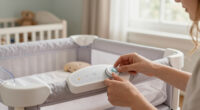
TL;DR

Turn the school run and nap time into listening time
- Thousands of audiobooks, podcasts and originals
- Listen on your phone, tablet or Echo — also offline
- Cancel anytime
Timers cut down total noise exposure and prevent dependency, but may cause wake-ups when the sound stops. All-night mode provides continuous masking, especially in noisy environments, yet increases cumulative exposure. The right choice hinges on safety, age, and household context.
Have you ever wondered whether leaving a sound machine on all night is safe—or if it might be doing more harm than good? Maybe you’ve noticed your baby waking when the device turns off or wondered if your toddler is becoming dependent on background noise. These are common questions for parents trying to balance safety, sleep quality, and convenience.
In this guide, you’ll discover how to choose between using timers or running devices all night. We’ll walk through the real trade-offs, backed by the latest sleep science and safety guidelines. By the end, you’ll have a clear decision-making framework tailored to your child’s age, household noise, and your own peace of mind.
Always keep device volume below 50 dBA and place it at least 7 feet from your child’s crib.
Timers reduce total noise exposure and can help prevent dependency, but may cause wake-ups if the sound stops during light sleep.
All-night mode is useful in noisy environments but increases cumulative sound exposure, which could impact hearing health over time.
Use a gradual approach when weaning your child off continuous sound, adjusting volume and duration over weeks.
Responsive and adaptive devices offer a promising middle ground, balancing safety and sleep continuity.
Timers vs All-Night Mode
A sound machine can soften disruptive noise, but duration changes the trade-off. Timers reduce cumulative exposure and sleep associations; continuous play preserves a stable sound environment. The best choice depends on safe setup, age, sleep patterns, and the noise outside the nursery.
Less exposure or fewer environmental changes?
A timer lowers total sound exposure, but the moment it stops can become a new stimulus. During light sleep, that abrupt change may be enough to trigger an arousal.
Timer mode
Sound supports sleep onset, then switches off after a selected interval—often 15, 30, 45, or 60 minutes.
All-night mode
A steady sound floor masks traffic, doors, siblings, pets, and other unpredictable disturbances throughout the night.
What changes when the sound continues?
Neither mode is universally superior. Compare the practical effect on exposure, continuity, independence, convenience, and device use.
| Feature | Timer mode | All-night mode |
|---|---|---|
| Duration | ✓Limited to a set interval | ~Continuous until morning |
| Total exposure | ✓Lower across the night | ~Higher cumulative exposure |
| Noise masking | ~Ends when the timer stops | ✓Stable through light sleep |
| Wake-up risk | ~Higher if silence is abrupt | ✓Lower from environmental noise |
| Sleep association | ✓Less likely to become essential | ~May be missed during travel or outages |
| Power and battery | ✓Better for portable devices | ~Usually best with plug-in power |
| Best fit | Quiet homes, naps, exposure concerns | Apartments, siblings, traffic, shift work |
Control the sound reaching the crib
A 2014 study of infant sleep machines found that some devices could exceed commonly cited safe levels at crib distance. Placement and measured output matter more than the number shown on a volume slider.
Crib-level sound target
Match the mode to age and environment
Begin with the safest effective setup, then consider how often external noise—not normal infant waking—is disrupting sleep.
Newborns and young infants
Frequent waking is developmentally normal. Shorter sound periods can reduce unnecessary exposure during rapid auditory development.
Older infants and toddlers
Continuous masking may help when early waking, sibling noise, or nap transitions are persistent. Reassess the need periodically.
Apartments and busy households
Traffic, doors, pets, older children, and irregular schedules make a consistent sound floor more useful.
A safer decision in five links
Follow the chain in order. A mode recommendation is only useful after sound level, placement, and the actual source of waking are understood.
The emerging middle ground: adaptive sound
Responsive devices can fade down after sleep onset and restart when a child stirs. App schedules, gradual ramp-downs, and sound-triggered responses preserve masking when it is useful while limiting unnecessary all-night exposure.
Use this practical decision rule
A hybrid approach is often sensible: timers for shorter, predictable naps and carefully controlled continuous sound when nighttime disruptions are frequent.
Lean toward a timer if…
- The bedroom is already quiet after bedtime.
- Your priority is minimizing total sound exposure.
- The child stays asleep after the sound stops.
- You want to reduce a strong sleep-onset association.
- You rely on a portable, battery-powered device.
Lean toward all-night if…
- Traffic, siblings, pets, or doors cause repeated waking.
- The child wakes when a timer creates abrupt silence.
- Early-morning household noise is difficult to control.
- Low, distant sound measurably improves continuity.
- You can maintain safe placement and output all night.
Timers reduce cumulative exposure and may limit dependency, but can trigger wake-ups when the sound environment changes. All-night mode provides reliable masking in noisy homes, yet extends exposure. Whichever mode you choose, keep the device distant, set it to the lowest effective volume, and gradually lower volume over several weeks when weaning.
The American Academy of Pediatrics has not formally endorsed timer mode over continuous mode; commonly cited guidance centers on limiting volume, increasing distance, and avoiding prolonged unnecessary exposure. This infographic is educational and is not a substitute for advice from your pediatrician or hearing specialist.
What’s the real safety concern with sound machines at night?
Sound machines are generally safe if used properly, but the key is volume and distance. The biggest risk is hearing damage if the device is too loud or placed too close to your baby’s crib. Studies show many devices exceed 50 dBA at crib height, which is the upper safety limit.
For example, if your device is on a dresser right next to the crib, your baby’s ears are exposed to potentially harmful noise levels. The American Academy of Pediatrics recommends keeping devices at least 7 feet away and at the lowest effective volume. These precautions are crucial because sustained exposure to high volume levels can damage delicate hearing structures over time. Moreover, consistent exposure to loud sounds might not only harm hearing but could also interfere with normal auditory development, affecting language acquisition and social interaction. Whether using a timer or running the device all night, understanding and controlling these factors is vital to prevent long-term harm.
As an affiliate, we earn on qualifying purchases.
Why do some parents prefer timers over all-night use?
Timers reduce total noise exposure, which is important because continuous sound, even if at safe volumes, accumulates over the course of a night. This cumulative exposure can incrementally raise the risk of hearing damage, especially in sensitive infants whose ears are still developing. Additionally, limiting exposure can help prevent the possibility of dependency—where a child begins to associate sleep solely with background noise, making it harder for them to fall asleep without it.
Furthermore, using timers encourages a more natural sleep cycle, as children learn to fall asleep without relying on constant auditory cues. It also benefits household members, who can enjoy quieter mornings once the device turns off, reducing noise pollution and potential sleep disruptions for everyone. The decision to use timers involves weighing the benefit of reducing overall noise and dependency against the possibility of waking your child during light sleep phases, which can lead to fussiness or difficulty settling back down. Understanding these trade-offs helps parents make choices aligned with their child’s development and household dynamics.
As an affiliate, we earn on qualifying purchases.
All-night mode: When is it helpful — and when is it risky?
All-night mode means the device runs continuously through the night, providing a steady sound environment. In noisy households or urban settings, this can be a lifeline, helping children stay asleep despite external disturbances like traffic, sirens, or household activity. It creates a consistent auditory backdrop that can promote longer, more restful sleep by masking unpredictable noises that might wake a sensitive child.
However, this convenience comes with some risks. Continuous exposure, even at safe volumes, adds to the overall sound energy reaching your child’s ears, which can be problematic over time. Prolonged exposure may increase the risk of subtle hearing damage or auditory fatigue. Additionally, children might become dependent on the constant sound to fall asleep, leading to challenges if the device stops working or if you need to wean them off it later. It might also hinder the development of self-soothing skills, as the child relies on external noise rather than internal cues. Recognizing these implications helps parents weigh immediate benefits against long-term safety and developmental considerations.
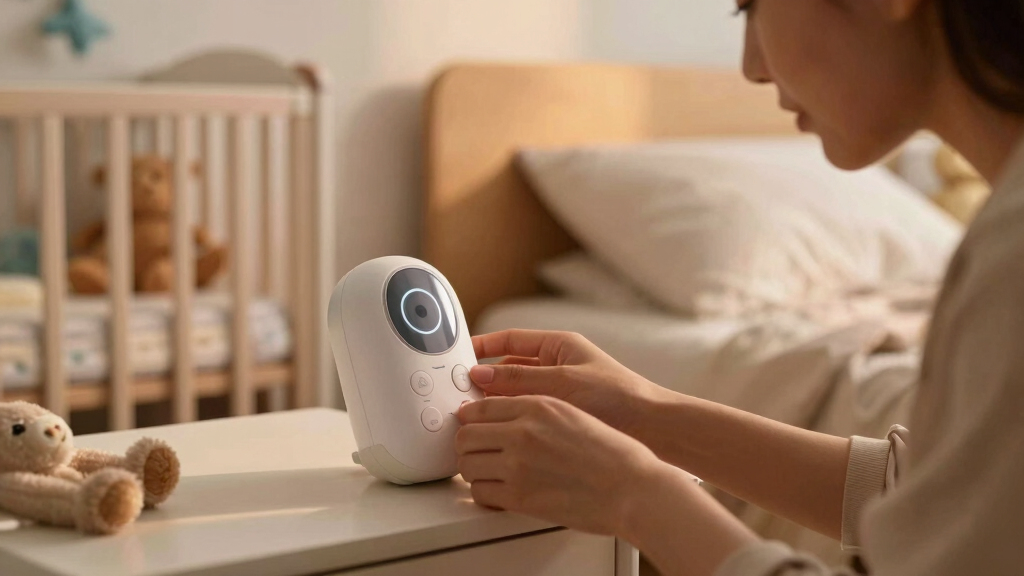
baby sleep sound device all-night mode
As an affiliate, we earn on qualifying purchases.
As an affiliate, we earn on qualifying purchases.
Compare timer mode and all-night mode side-by-side
| Feature | Timer Mode | All-Night Mode |
|---|---|---|
| Duration | Limited, set for a specific time (15, 30, 60 mins) | |
| Sleep disruption risk | Higher if device stops during light sleep, potentially causing awakening or fussiness | |
| Noise exposure | Lower overall, reducing cumulative risk of hearing damage | |
| Dependency | Less likely, encourages children to fall asleep independently | |
| Convenience | Requires manual reset or careful timing, which might need adjustments | |
| Best for | Young babies, noise-sensitive households, safety concerns |
As an affiliate, we earn on qualifying purchases.
How to pick the right mode based on your child’s age and household noise
- Newborns and young infants (0-6 months): use a timer, set for 30-45 minutes. Their sleep cycles are short, and frequent wake-ups are normal. Limiting sound duration can prevent overstimulation and reduce the risk of dependency, which is crucial at this stage of rapid brain and ear development.
- Older infants and toddlers (6-24 months): consider all-night mode if household noise or early wake-ups are frequent. Gradually transitioning to timers can help your child develop self-soothing skills while still benefiting from environmental noise masking. The choice depends on your child’s sleep patterns and how well they adapt to changes.
- Busy households or noisy environments: all-night mode often provides the most consistent sleep environment, especially if you keep the volume low and place the device well away from the crib. This helps minimize external disruptions and can support longer sleep stretches, but always weigh this against potential dependency and cumulative noise exposure.
Smart options: responsive and adaptive sleep devices
Newer devices respond dynamically to your baby’s stirrings or environmental changes, adjusting volume or fading out gradually. These smart features aim to combine the benefits of timers and all-night modes, offering a more nuanced approach to sound masking. For example, a device might start with continuous sound, then gradually decrease volume as your baby falls into deeper sleep, or restart if they wake up, providing a gentle, responsive environment.
This adaptive approach can help prevent dependency, as the device isn’t just on or off but reacts to your child’s needs. It also minimizes unnecessary sound exposure, aligning with safety guidelines. Essentially, these technologies serve as a middle ground—offering tailored support that respects your child’s development and your household’s unique noise profile.
How to wean your child off the sound machine safely
Begin by gradually reducing the volume over several weeks, which helps your child’s auditory system adjust and prevents abrupt sleep disruptions. Next, extend the timer duration slowly or switch to intermittent use, such as fading out the sound gradually each night. For example, decrease volume by 10% weekly and add a few minutes to the timer until the device is turned off entirely.
Consistency is key. If your child wakes when the sound stops, provide reassurance with gentle comfort and maintain a calm environment. Over time, your child will learn to fall asleep independently without relying on continuous noise, fostering healthier sleep habits and reducing dependency. Patience and gradual adjustments are essential to ensure a smooth transition that respects your child’s developmental needs.
What do experts really recommend?
Most pediatric sleep experts prioritize safety by recommending volume levels below 50 dBA, placement at least 7 feet from the crib, and limiting prolonged exposure. They emphasize that duration of use—whether via timers or continuous—has a more significant impact on hearing health than the mode itself. Short, controlled use minimizes risks while still providing the benefits of sound masking.
Many experts suggest starting with timers to reduce cumulative noise exposure and dependency, then gradually increasing duration as your child’s sleep matures. The focus should be on creating a safe environment with proper volume and placement, rather than relying solely on mode. Responding to your child’s cues and ensuring a consistent bedtime routine are equally important to healthy sleep development.
Frequently Asked Questions
Is it safe to leave a sound machine on all night for my baby?
Yes, if the device is at a safe volume (below 50 dBA) and placed at least 7 feet away from the crib. Continuous use is generally safe when volume and distance are controlled, but consider your household noise and your child’s needs.
Will my baby become dependent on white noise to sleep?
Some dependency can develop, especially if the sound is a key part of their sleep routine. Using a gradual fade or responsive devices can help reduce reliance over time without disrupting sleep.
How loud is too loud, and how far should the machine be from the crib?
The safe volume limit is around 50 dBA, roughly the level of a quiet conversation. Keep the device at least 7 feet away from the crib to prevent hearing damage and ensure safety.
If I use a timer, will the silence wake my baby up when it shuts off?
It can, especially if your baby is in a light sleep phase. To minimize this, set the timer for just enough time for your baby to fall into deep sleep, and consider gradual volume reduction or responsive options.
Should I use the same setting for naps and nighttime?
Not necessarily. For naps, shorter durations or timers can be enough. At night, you might prefer all-night or longer timers, depending on household noise and your child’s sleep patterns.
Conclusion
Choosing between timers and all-night mode isn’t about right or wrong; it’s about what fits your family’s needs and your child’s safety. When in doubt, prioritize volume control, distance, and gradual transition strategies. Remember, a peaceful sleep environment is built on safety, consistency, and a little flexibility.
Close your eyes and imagine a quiet, safe night—your little one peacefully dreaming, with just enough sound to comfort but not harm. That’s the goal. Keep safety first, and let your instincts guide the rest.
Cold & flu season Picks
humidifiers
As an affiliate, we earn on qualifying purchases.