
TL;DR
Listen free for 30 days with Audible
Thousands of audiobooks and originals — cancel anytime.
Start your free trialAs an affiliate, we earn on qualifying purchases.
Toddler sleep trainer clocks use visual cues like colors or images to signal when kids can wake or stay in bed. When paired with consistent routines and patience, they can significantly improve sleep habits. Proper setup and understanding how to use them make all the difference.
Imagine a night where your toddler stays in bed until the clock tells them it’s okay to wake. No more early morning calls or frantic attempts to get them back to sleep. That’s the promise of a good sleep trainer clock. But simply setting one up isn’t enough—knowing how to introduce it and make it work for your child matters even more.
In this guide, you’ll learn the secret to turning a basic clock into a sleep ally. We’ll explore the types of clocks, key features to look for, and practical steps to help your little one master their new bedtime routine. Because when set up right, these clocks can be a game-changer for your family’s sleep.
Start with a clear, simple explanation of what the clock signals mean for your child.
Choose a clock that matches your child’s learning style—visual cues are often easiest for toddlers.
Consistency in routines and signals is the biggest factor in success.
Introduce the clock gradually, using praise and positive reinforcement to build confidence.
Be patient—adapting to a new sleep routine takes time, sometimes several weeks.
Toddler Sleep Trainer Clocks: Setting Them Up for Success
A sleep trainer clock turns time into a visual language toddlers can understand. Pair clear cues with a calm routine, patient repetition, and positive reinforcement—and the clock can become a trusted sleep ally rather than another bedside gadget.
Match the clock to how your child learns
The best clock is not necessarily the one with the most features. It is the one whose primary signal your toddler notices, understands, and can follow every day.
Red means rest. Green means go.
A bold color change creates a fast, intuitive signal without requiring number recognition. Keep meanings consistent and avoid using the wake color as a casual nightlight.
Best for simple cue learnersMoon for sleep. Sun for morning.
Friendly pictures can turn the routine into a story. This format often suits toddlers who engage strongly with characters, symbols, and imaginative play.
Best for visual storytellersFlexible cues for evolving routines.
Adjustable wake times, nap programs, sounds, and nightlights offer precision. Introduce only the essential cue first so added functions do not dilute the message.
Best for changing schedulesFive steps from new gadget to trusted routine
Introduce the clock during the day, rehearse its meaning, then connect it to the same calm sequence each night. Progress comes from predictability.
Name each signal
Use one short phrase: “Orange is rest; green means morning.”
Practice by day
Trigger both cues and let your child show what each one means.
Anchor the routine
Bath, book, cuddle, clock, bed—keep the order familiar.
Praise the behavior
Celebrate waiting for the wake signal, including small improvements.
Move gradually
Shift wake time in small increments as understanding grows.
Features that help—and features that can distract
Prioritize clarity, safety, and repeatability. Extra functions are useful only when they support the primary sleep and wake signals.
| Feature | Why it matters | Priority |
|---|---|---|
| Ease of use | Simple controls make it easier for caregivers to deliver the same signal every night. | ✓ Essential |
| Durability & safety | A stable, child-safe build supports nightly use and protects trust in the routine. | ✓ Essential |
| Custom times | Adjustable sleep, wake, and nap settings let the device grow with changing needs. | ✓ High value |
| Appealing visuals | Engaging colors or pictures can improve attention and willingness to participate. | ~ Child dependent |
| Sounds & smart extras | Remote controls, sounds, and nightlights add comfort, but too many options can confuse. | ~ Optional |
Patience is part of the setup
Some toddlers understand the signal within days; others need several weeks. Calm repetition is more useful than punishment or frequent rule changes.
Are sleep trainer clocks safe?
Generally, yes—choose a reputable, child-safe model and supervise initial use. Avoid accessible small parts, sharp edges, or unsecured cords.
When should we start?
Many children are ready around 18 months. Signs of readiness include recognizing routines, following simple directions, and seeking independence.
Can the clock replace sleep training?
No. It is a supporting tool. It works best alongside calming bedtime habits, an age-appropriate schedule, and consistent caregiver responses.
What if my child leaves the bed?
Offer brief reassurance, repeat the clock rule, and return calmly to the routine. Praise small successes and avoid turning the moment into a negotiation.
A calmer bedtime and a more predictable morning. When the signal stays clear and the adult response stays steady, your toddler can learn to trust the cue—and gradually manage the wait with less help.
What Are Toddler Sleep Trainer Clocks and Why Do They Matter?
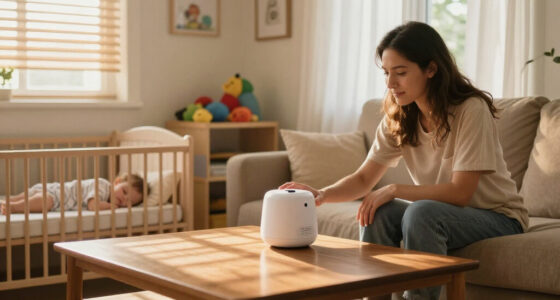
Think of toddler sleep trainer clocks as a visual language your child can understand. They display cues—like changing colors or pictures—that tell your child when it’s okay to get up and when to stay in bed.
They matter because they turn bedtime into a clear, predictable routine. This reduces confusion and frustration for your child, and lets you enjoy longer, more restful nights. Plus, they encourage independence—your kid learns to self-regulate without constant reminders.
Understanding why these cues are effective helps you appreciate their role in fostering self-discipline. When children learn to associate specific signals with appropriate behavior, they develop a sense of control over their sleep environment, which can reduce bedtime resistance. However, if the cues are inconsistent or confusing, it can lead to frustration or mixed signals, undermining their purpose. Therefore, consistent and clear cues are essential for maximizing their benefits.
toddler sleep trainer clock with visual cues
As an affiliate, we earn on qualifying purchases.
As an affiliate, we earn on qualifying purchases.
Pick the Right Type of Sleep Timer That Fits Your Child’s Style
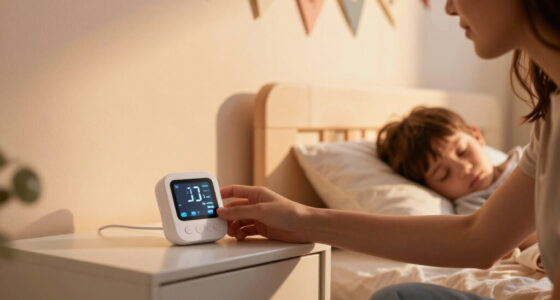
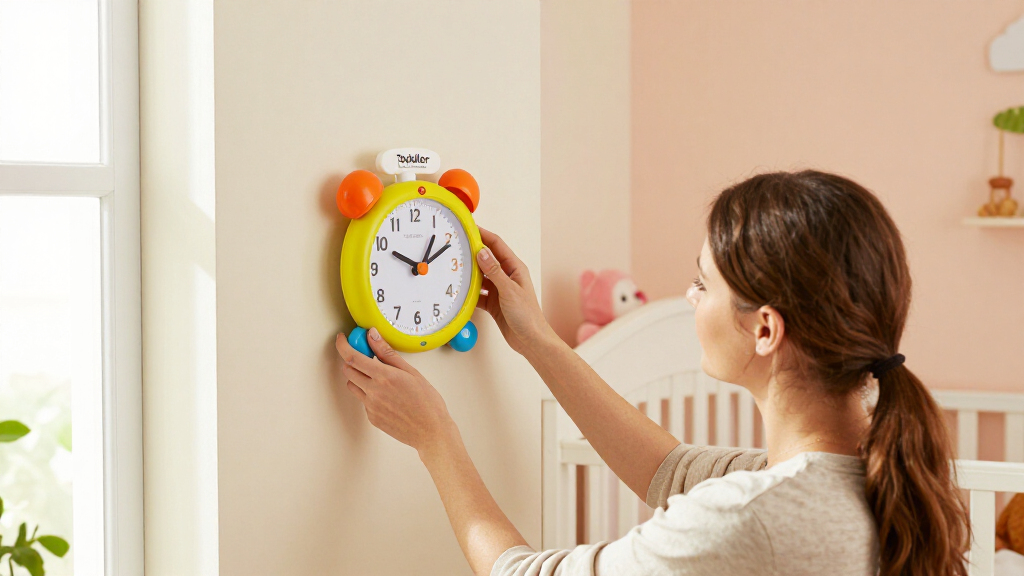
There are mainly three types: color-based clocks, image-based clocks, and digital clocks with customizable features. Color clocks change from red or orange to green as morning approaches—simple and intuitive. Image clocks often show a sun for wake-up time and a moon for sleep time—perfect for visual learners. Digital clocks with extra features can include alarms, nap timers, or even nightlights.
Choosing the right type involves understanding your child’s responsiveness and your routine. For example, if your child responds well to visual cues, a clock with bright, changing colors can create a straightforward signal that they begin to recognize as a wake-up cue. Conversely, if your child is more engaged with characters or stories, an image clock with friendly visuals can make waking up feel like a positive experience. The tradeoff is that more complex clocks may require more initial explanation and setup, but they can offer greater motivation and engagement. Matching the clock’s features to your child’s personality can make the routine smoother and more effective.
kids sleep training clock for toddlers
As an affiliate, we earn on qualifying purchases.
As an affiliate, we earn on qualifying purchases.
What Features Should You Look for in a Sleep Trainer Clock?
| Feature | Why It Matters |
|---|---|
| Ease of use | It’s crucial that the clock is simple enough for you and your child to understand and operate. A complicated setup can cause frustration and delay routine adoption. An intuitive interface ensures that routines are consistently followed, which is key for effectiveness. If the clock is too complex, both parent and child may become confused or discouraged, undermining the purpose of the tool. |
| Durability & Safety | Since the clock will be used nightly, it needs to be sturdy and child-proof. Using a fragile or unsafe device can lead to accidents or damage, which diminishes trust in the routine. Choosing a well-made, safe product ensures longevity and peace of mind, reinforcing the routine’s stability. |
| Customizable times | As your child’s sleep needs evolve, the ability to adjust wake-up and sleep times allows the clock to grow with them. This flexibility prevents the need for multiple devices and helps maintain consistency even as routines change. It also allows you to tailor the routine to your family’s schedule, making it easier for everyone to stick with it long-term. |
| Appealing visuals | Bright, engaging visuals can motivate your child to follow the routine willingly. When the clock’s design resonates with their interests, they are more likely to respond positively. This emotional connection can make the transition smoother and reduce resistance at bedtime or wake-up time. |
| Additional features | Extras like soothing sounds, nightlights, or nap reminders can enhance the experience and provide extra comfort. However, balancing these features with simplicity is important, as too many options might overwhelm or distract your child from the primary cues. |
As an affiliate, we earn on qualifying purchases.
Frequently Asked Questions
Are sleep trainer clocks safe for toddlers?
Yes, if you buy from reputable brands that meet safety standards, they are generally safe. Always supervise initial use and ensure the device is child-proof, avoiding small parts or sharp edges.
At what age should I start using a sleep trainer clock?
Most children are ready around 18 months, but every child is different. Look for signs of independence and understanding of routines before introducing one.
How long does it usually take for a toddler to get used to it?
It varies—some kids adapt within a few days, others may need several weeks. Consistent routines and positive reinforcement speed up the process.
Can a sleep trainer clock replace other sleep training methods?
It’s a tool that supports routines but works best with other positive sleep habits. Combining visual cues with calming bedtime routines yields the best results.
What if my child refuses to stay in bed?
Use gentle reassurance and positive reinforcement. Keep signals clear and routines consistent. Avoid punitive measures—patience is key to success.
independent sleep trainer clock for children
As an affiliate, we earn on qualifying purchases.
As an affiliate, we earn on qualifying purchases.
Conclusion
Setting up a toddler sleep trainer clock isn’t just about the device itself. It’s about how you introduce it, how consistent you stay, and how patient you are. With the right approach, your child learns to trust their sleep cues, making bedtime calmer and mornings easier.
Imagine a night where your little one happily stays in bed until the clock chimes green. That peaceful scene is within reach—just a matter of setting up and sticking with it.
NFL season / tailgating Picks
team gear
As an affiliate, we earn on qualifying purchases.