
TL;DR

Turn the school run and nap time into listening time
- Thousands of audiobooks, podcasts and originals
- Listen on your phone, tablet or Echo — also offline
- Cancel anytime
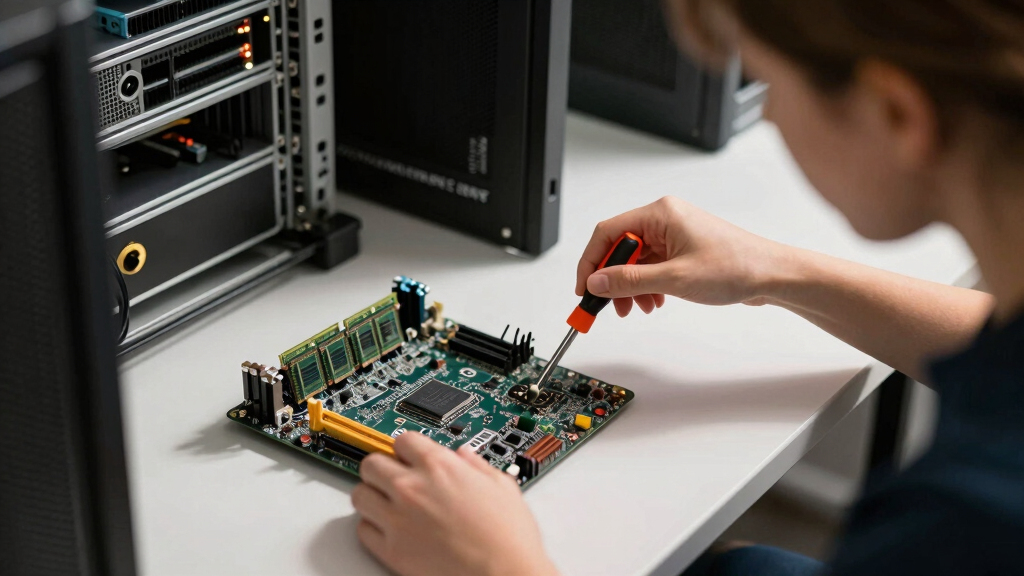
Meta is repurposing older RAM modules in its latest server hardware by employing a custom bridge chip. This approach aims to cut costs and enhance sustainability, though technical details remain limited.
Meta has confirmed that it is reusing older RAM modules in its new server hardware, employing a custom-designed bridge chip to facilitate compatibility. This move aims to reduce hardware costs and improve sustainability, making it a notable development in data center infrastructure.
According to Meta, the company is repurposing existing RAM modules originally used in previous server generations for its latest data center servers. The key innovation is the development of a custom bridge chip that allows these older modules to interface effectively with new server architectures. This approach is intended to lower hardware costs and reduce electronic waste, aligning with sustainability goals.
Meta did not disclose specific technical specifications of the bridge chip or the age range of the reused RAM modules. Industry sources suggest this could be part of a broader effort to optimize data center expenses and environmental impact.
Implications for Data Center Cost and Sustainability
This development could significantly reduce the costs associated with server hardware procurement and maintenance. Reusing existing RAM modules minimizes electronic waste and supports Meta’s sustainability commitments. If successful, this approach might influence other tech companies to adopt similar hardware reuse strategies, impacting the industry’s environmental footprint and supply chain practices.As an affiliate, we earn on qualifying purchases.
Meta’s Hardware Innovation and Recycling Initiatives
Meta has been investing heavily in expanding and upgrading its data center infrastructure to support its cloud services and metaverse ambitions. Previously, the company has focused on energy efficiency and modular hardware design. The reuse of older RAM modules marks a shift towards more sustainable hardware management, leveraging custom hardware solutions like the bridge chip to maintain performance standards. This approach aligns with broader industry trends toward hardware recycling and cost reduction amid supply chain constraints.“We are leveraging innovative hardware solutions to reuse existing components, reducing costs and environmental impact without compromising performance.”
— Meta spokesperson
As an affiliate, we earn on qualifying purchases.
Technical Details and Performance Impact Still Unclear
Details about the specifications of the custom bridge chip, the age and specifications of the reused RAM modules, and the performance impact of this approach are not yet publicly confirmed. It is unclear how this solution compares to using new memory modules in terms of latency, throughput, and reliability.
Further technical disclosures from Meta are expected but have not yet been provided, leaving some questions about scalability and long-term viability.
As an affiliate, we earn on qualifying purchases.
Upcoming Deployment and Performance Evaluation
Meta is expected to begin deploying these reconfigured servers in select data centers over the coming months. Monitoring of their performance, energy efficiency, and cost savings will be key to assessing the success of this initiative. Additional technical details and results from real-world operation are anticipated in future announcements or reports.
As an affiliate, we earn on qualifying purchases.
Key Questions
Why is Meta reusing old RAM modules in new servers?
Meta aims to reduce hardware costs and environmental impact by recycling existing RAM modules, supported by a custom bridge chip that ensures compatibility with new server architectures.
How does the custom bridge chip work?
The bridge chip acts as an interface, allowing older RAM modules to communicate effectively with modern server components, though specific technical details have not been disclosed.
Will this approach affect server performance?
It is not yet clear how RAM reuse impacts performance metrics like latency and throughput. Meta has not provided detailed performance data at this stage.
Is this a common practice in the industry?
Recycling hardware components is gaining interest, but Meta’s use of a custom bridge chip for RAM reuse is relatively novel and could influence industry practices if proven successful.
What are the environmental benefits of this initiative?
Reusing existing RAM modules reduces electronic waste and minimizes the need for new manufacturing, supporting sustainability goals.
Source: hn
Cold & flu season Picks
humidifiers
As an affiliate, we earn on qualifying purchases.